
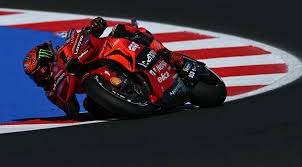
A Turning Point for the Ducati Champion. Francesco Bagnaia exited the Misano MotoGP test full of confidence, suggesting that he had worked something out. His words were even more weighty when two-time world champion Casey Stoner was seen working hand in hand with Ducati. The legend has added to the interest in the paddock, and the renewed hope of Bagnaia has been the cause of it. The Misano test was after an arduous weekend of racing in the San Marino Grand Prix. In the case of Bagnaia, it gave him a chance to perfect his Desmosedici GP25 and relearn the minute details that make the difference between podium finishes and wins. The presence of Stoner brought a very interesting twist to the plot. The Significance of Post-Race Testing. MotoGP is a test that is frequently used as a laboratory. Riders and engineers go beyond weekend setups in search of improvements that might not be attainable in competitive sessions. In the case of Bagnaia, the Misano test was an opportunity to restart after poor results in the previous season. The current champion emphasized that tests enable him to experiment with extreme settings without the stress of points. This liberty can unveil discoveries that can change the whole campaigns. The fact that he said he had to figure something out implies that he had found a critical adjustment to get more consistent speed. The Surprising Role of Stoner in the Garage. The most noticeable was, perhaps, the presence of Casey Stoner. The Australian, who brought the first MotoGP world title to Ducati in 2007, is admired because of his special sense and technical understanding. He has been hesitant to take part in contemporary MotoGP activities, but Misano has seen him bent over the bike and talking directly with engineers. It was reported that Stoner provided feedback on throttle response, corner entry balance, and electronics mapping. His talent to transfer rider intuition to mechanical adaptations is unparalleled. In the case of Bagnaia, there is invaluable insight in being given the input of a legend who had once conquered the Ducati. The confidence of Bagnaia shines through. The attitude of Bagnaia after the test spoke louder than the words. He talked enthusiastically of the improvements he had achieved and indicated a new sense of clarity in his riding. His body language indicated that he was relieved, as though a burden had been taken off. Confidence is a big factor in MotoGP. Lap times tend to come naturally when a rider has faith in the bike they are on. The comments of Bagnaia regarding opening something important can be the psychological boost that he requires in the next races. Pursuit of Perfection at Ducati. Ducati already dominates MotoGP with several competitors. But their unremitting quest for perfection makes sure none of the riders rests on laurels. This culture was strengthened by the Misano test. The development of Bagnaia, coupled with the contribution of Stoner, highlights the desire of Ducati to remain on top. Technical emphasis was on chassis rigidity, rear grip during acceleration, and better aerodynamics. Engineers tried new fairings and polished electronics to assist Bagnaia to maximize tire life. Minor changes in these fields can lead to significant returns on Sunday. The Influence of Stoner: Beyond Technical. The work of Stoner is more than mechanics. His presence is an inspiration to the riders of Ducati. He is the standard of pure talent combined with audacity. The sight of him working on the bike reminded Bagnaia and the team of their common origin of pushing boundaries. The psychological effect cannot be overestimated. Bagnaia admires Stoner, and being validated by him is a source of belief. Good results and great results in elite sport are often divided by confidence. Competitors are paying attention to the Bagnaia breakthrough. The news of the breakthrough of Bagnaia flew round the paddock. Competitors such as Jorge Martin and Marc Marquez are aware that a confident Bagnaia is a dangerous force. Should the Ducati star actually have resolved the nagging problems, the championship battle can take a new turn. Martin has worked Bagnaia to the limit this season, and Marquez is a perpetual wildcard. However, the revival of Bagnaia with the support of the resources of Ducati and the guidance of Stoner makes him a favorite again. Reactions of Fans to the Misano Test. The fans were excited when Stoner surf videos were released online. Social media was filled with nostalgia as the fans remembered his legendary 2007 season. The concept of a legend in the contemporary Ducati success was celebrated by many. Meanwhile, the optimism of Bagnaia comforted the fans who felt that he was losing momentum. The mix of former glory and current genius made a plot that would have satisfied imaginations far beyond Misano. The Bigger Picture of Ducati. This story is of great benefit to Ducati in terms of business. The picture of Bagnaia playing with Stoner reinforces the brand identity as a dynasty team. The storyline is irresistible to sponsors, fans, and media alike. The politics of bringing together the generation champions strengthen the Ducati dominance in MotoGP. This is also a strategy to make sure that the team is the center of attention in headlines even when it is in the testing stages. What’s Next for Bagnaia? The following races will show whether the breakthrough of Bagnaia will translate into podiums and victories. MotoGP is still very competitive, and each circuit is a challenge. Nevertheless, his new confidence and technical development of Ducati give a strong base. The test can turn out to be the time Bagnaia took back his season. In case the competitors were hoping that he would run out of steam, Misano implies otherwise. Bagnaia, who has Stoner on his side, is poised to add another book to the Ducati history. Conclusion The announcement of Francesco Bagnaia figuring something out at Misano, together with the active participation of Casey Stoner, is a turning point of the MotoGP season. The incumbent champion
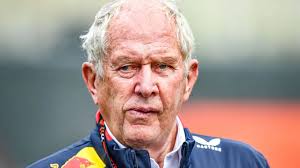
Helmut Marko Warns Rivals After Red Bull’s F1 Rebirth: “Everything Is Possible”
Red Bull Veteran Advisor Makes a Defiant Statement. The vocal Red Bull advisor, Helmut Marko, has threatened the Formula 1 paddock again. Marko said that the team could do anything after Red Bull had recently revived. His words reverberated in the sport, and competitors thought of their own development in the run-up to the decisive part of the season. The statement by Marko is timely. Red Bull lost some of its momentum earlier this year, and it does not seem unlikely that their reign was finally over. However, a sequence of good performances has changed the story. The team now appears to have been refreshed, and the message of Marko leaves no doubt about what they want to accomplish. The early doubts in Red Bull were a result of its struggles. Red Bull was at the head of the pack, but cracks started to appear soon. McLaren, Ferrari, and Mercedes narrowed the gap at different points. Circuit maps underlined the flaws in the Red Bull RB21, and it is speculated that the previously dominant team is weak. Their critics wondered whether internal instability and speculation about management tensions would further undermine their hold. Red Bull appeared to be on the brink of losing the championship battle, the first time in years. A Revival That Reawakened Trust. However, in the recent races, Red Bull has made a spectacular recovery. Modifications on the RB21 to RB21B brought instant outcomes. Max Verstappen went back to winning, demonstrating the new balance of the car and its straight-line efficiency. Sergio Perez was also improving speed and making the challenge of the team more profound. Marko cited this revival as evidence of the strength of the team. He pointed out that the critics had undervalued the technical department of Red Bull and their capacity to change. He was sending a message, and the message was that the rebirth is here, and the team is championship-winning. The Strength of Upgrades and Development. Development races are usually the key to the F1 seasons, and Red Bull has historically performed well in this regard. Their recent revisions, in particular, the aerodynamic and chassis changes, regained the trust in their package. Marko observed that the accuracy of Verstappen and the genius of Adrian Newey in designing the car were incomparable. As they have more updates to make, Red Bull is convinced that their path is squarely upwards. Competitors now have to make decisions as to whether they are able to match the pace of growth. Competitors are under a new threat. McLaren had a breakthrough earlier in the season, and Ferrari also celebrated its wins. Mercedes was inconsistent but demonstrated glimpses of competitiveness. However, the warning by Marko points to the fact that Red Bull believes that they have withstood the storm. The implications are stark. When Red Bull’s rebirth is sustained, competitors will lose momentum that they have worked so hard to gain. To teams aspiring to topple the champions, any slip may be expensive in the drivers’ and constructors’ rankings. The contribution of Verstappen to the recovery. The turnaroundof Red Bull has been based on the capacity of Max Verstappen to bring the best out of the team. The Dutchman managed to find means of minimizing harm even on bad weekends. Now, having a more powerful car underneath him, he seems to be ready to spread his dominance again. Marko complimented the concentration, strength, and flexibility of Verstappen. He emphasized the fact that Verstappen performs best when under pressure and tends to deliver his best performances. This attitude goes hand in hand with the reinvention of Red Bull, which adds to the feeling of momentum. Perez Under Pressure, Yet Still Vital. Verstappen is in the frontline, but Sergio Perez is not going unnoticed. His mixed performance in the previous season added to the speculation regarding his future in the long run. Marko recognized those difficulties but also indicated that there are signs of improvement. The fact that Pérez can sponsor the campaign of Red Bull constructors cannot be overestimated. When the Mexican driver comes back to the form, the rebirth of the team becomes even more powerful. According to Marko, Red Bull is yet to rely on him to deliver a decisive contribution. A Warning on the Basis of Confidence and Strategy. The “everything is possible” statement of Marko is more than bravado. It is an indication of the past performance of Red Bull to emerge during times of crisis. During the past seasons, Red Bull reacted to the competition by making drastic improvements and strategic genius whenever its competitors caught up. This mentality is their identity. They love to be challenged, and they usually feed on criticism. The words of Marko are a self-motivator and a warning at the same time: underestimate Red Bull and die. Business and Brand Implications of a Rebirth. Outside the racetrack, the revival of Red Bull has a commercial implication. Their supremacy drives international marketing campaigns, merchandising, and sponsorship popularity. Any deviation of shape is dangerous to the strengthening of that aura. A revival, though, strengthens the brand image of quality and strength. The remarks of Marko are a tactical support of that story. He makes the Red Bull team look like the team that has been reborn, which makes the fans more involved and the focus on the drivers remain high. Competitors can boast of improvement, but Red Bull is the standard. Marko Makes a Declaration to Fans. Marko has received a mixed reaction from fans. His confidence was celebrated by the supporters, as they saw it as evidence that Red Bull is prepared to make another historic run. Critics have, however, accused him of being arrogant and question whether the team can maintain their momentum. The discussion on social media was whether the competitors, such as McLaren or Ferrari, can actually stop the Red Bull wave. The split reaction is a sign of the competitive equilibrium in the sport and the uncertainty of the contemporary Formula 1. Gazing at
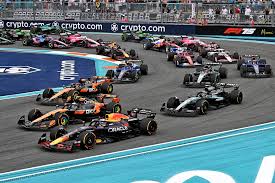
Formula 1 Confirms 2026 Calendar With Six Sprint Races
A New Chapter for Formula 1 The official 2026 race calendar of Formula 1 has been published, and it is a mixture of tradition and innovation. The schedule is accompanied by iconic circuits alongside sprint race weekends. The announcement was a controversial one in the motorsport world. It is now time to prepare a season that is unpredictable and spectacular for fans, drivers, and teams. The 2026 campaign is also accompanied by the sweeping changes in regulations, which make the calendar even more important. The sport may have a new beginning with new cars, new regulations, and a new format for the weekend. The Calendar: Equilibrium between the Old and the New. The calendar is 24 races long, which is among the longest in the history of Formula 1. Older tracks such as Silverstone, Spa, and Monza are still at the core of the season. Other newer markets like Las Vegas, Miami, and Qatar are also holding their positions, indicating the global growth of F1. Of particular note is the reintroduction of the Chinese Grand Prix, which has not been held in years, showing the F1 dedication to Asia. It is also the calendar of the traditional Monaco Grand Prix, which was subject to speculation on its future. Sprint Races Are Still a Standout. There are six sprint weekends officially on the 2026 schedule. Such shorter Saturday races will once more offer additional points and excitement. The selected venues are Brazil, Austria, Qatar, Austin, Baku, and Shanghai. Ever since its inception, sprint races have been divisive. The proponents argue that they bring value to the fans by providing them with a meaningful competition over three days. Critics believe that they diminish the significance of the principal Grand Prix. The extension of the format indicates that sprints have become a regular thing. The Rationality of Sprint Venues. F1 selected sprinting tracks to have maximum entertainment. Circuits such as Interlagos and Baku are circuits that are associated with overtaking opportunities and unpredictability. Others, such as Austin, have good fan interest and marketability. The mix of old music with new markets will provide diversity in the sprint calendar. The move is a business and sporting strategy. Sprint weekends increase TV ratings, generate sponsorships, and retain fans on-site. That is important in a competitive sports market in the world. Drivers Voice Mixed Opinions. The news brought about a revival of controversy among drivers. Others, like Max Verstappen in previous seasons, have expressed doubt regarding sprints, saying that excess races water down wins. Some, such as George Russell, regard them as an opportunity to disrupt routine weekends. The 2026 season will be a test of whether sprint racing can be effective with new regulations. As cars are projected to be lighter and nimbler, the Saturday action may have a completely different look, and fans and analysts will be excited. Influence on Teams and Strategies. Sprint weekends pose new challenges to teams. Both formats permit a single practice session prior to competitive sessions, which leaves less time to test setups and more chances of error. Smaller teams might be an advantage, because unpredictability puts the playing field even. Sprints offer opportunities and threats to the leading competitors. One event can ruin a weekend, and additional points can be the difference in title fights. As rule changes already require adaptation, sprint formats can generate additional shocks in 2026. Business Growth and Internationalization. The move by Formula 1 to retain a 24-race calendar indicates its ambitious growth policy. The sport has now made markets in North America, the Middle East, and Asia the center of its vision. This approach is in line with the sprint weekends, where promoters are given a product that is worthwhile over a weekend. The long schedule is beneficial to Liberty Media in terms of maximizing revenue streams commercially. A fuller calendar is beneficial in terms of ticket sales, sponsorship deals, and broadcasting rights. However, the issue is to strike a balance between growth and driver and team fatigue. Tradition vs. Innovation: Historical Perspective. Formula 1 has never been the same, but the present-day era is one of the most drastic changes. A 16-race calendar was common in the 1970s and 1980s. By the 2000s, 19 races were regarded by fans as a marathon. The present 24 races with sprints indicate an international need and business desire in sport. Whereas the purists mourn the loss of tradition, others are excited by the dilution. F1 will not be afraid of change even when it is controversial, as demonstrated in the 2026 schedule. Reactions of the fans to the announcement. Reaction to the schedule online was instant and ardent. The return of China and the continuation of such classics as Monaco and Spa were celebrated by many. Some said that 24 races were overstretching the sport. Sprint races were met with mixed emotions, as some supported unpredictability and others termed them as unnecessary. Such a combination of excitement and disapproval is not new. It emphasizes the special position of F1 in the world of sport. The mere mention of the calendar creates headlines and discussion, and this is evidence of the power of the sport. Looking Ahead to 2026 The 2026 season is already historic without the first lap being finished. New rules will offer closer racing and greener technology. Sprint races provide additional plotlines and surprises. The combination of the traditional circuits and the growing markets guarantees the global coverage. To the fans, the season presents a chance to see Formula 1 at a crossroads. Whether the sport can find a balance between innovation and heritage is the question. The solution will be revealed in 24 races on five continents. Conclusion The release of the 2026 Formula 1 timetable proves that the sport is developing at full speed. The season will challenge drivers, teams, and fans with 24 races, six sprints, and new rules. F1 has taken the route that focuses on entertainment, commercial expansion, and internationalization. The direction can be questioned by critics,
