
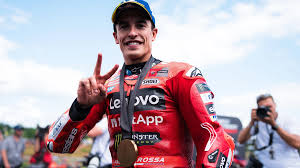
A Title Within Reach Marc Marquez is at the edge of history. In the next race, the Spanish rider has a chance of winning the 2025 MotoGP championship. His return season has been more than impressive, and critics have been silenced by his performance, reinstating him back to the greats. The scenario is clear. Months of consecutive podiums give Marquez a good points lead. As there were only a few races remaining, winning or even a good finish would win the crown. It is now awaited by fans and analysts: can he seal the deal in the next stop? The Road Back to Dominance Marquez has not easily gotten to this place. Between 2020 and 2022, he was almost forced out of his career due to injuries. Every comeback move was a setback. Questions were raised as to whether he could ever again compete successfully for titles. But 2025 has changed the story. Marquez changed his style, took risks, planned, and found back his speed. He has controlled races rather than going on reckless lunges. The result of that change has been consistency between circuits and conditions. Competitions that Characterized the Season. This has not been a lone ride to glory. Marquez was challenged by Francisco Bagnaia, Jorge Martin, and Pedro Acosta. Every rider was driving him to the limit. Bagnaia counted on the raw speed of Ducati. Martin struggled with aggressive overtaking. Acosta was the future, and he was not afraid of his rookie title pursuit. Nevertheless, Márquez employed experience and racecraft to be ahead. He took pressure, did not make major mistakes, and transformed narrow escapes into precious points. The Numbers Behind His Lead MotoGP championships are reduced to arithmetic. Marquez now has a lead of over 50 points. That margin implies that his competitors must have his wins and errors to remain alive. Provided that he finishes ahead of Bagnaia and Martin in the next race, the title is mathematically his. A podium might suffice even, based on their performance. The figures explain why the expectation is at a fever pitch. The championship is supposed to be closed early, which is what fans expect. Why the Next Circuit Matters The next song works to the advantage of Marquez. It is aggressive and technical, which fits into his aggressive but precise style. He has also won there several times before, and this gives him confidence. Weather may be a factor because unpredictable weather usually alters race dynamics. Nevertheless, this year Marquez has demonstrated flexibility in dry and wet environments. His strength provides him with an advantage in the face of disorder. The Emotional Dent of a Comeback Title. A title in 2025 would be more than a trophy. To Marquez, it is a sign of redemption following years of suffering and uncertainty. His critics said that his reign was over. Competitors thought that he would be replaced by new stars forever. It is now possible to win the championship. It demonstrates that setbacks can be overcome by hard work, determination, and pure talent. This possible title is seen by fans as a narrative of endurance, rather than racing prowess. What It Means for MotoGP Marquez being a winner once again changes the landscape of the championship. MotoGP has been trying to find a balance between old and new talents. Experience still matters in his success. To the promoters, his title pursuit enhances international attention. Marquez is a household name, which attracts more than hardcore fans. A tightened title at the following race would give a headline moment that will revitalize the sport. Competitors are not giving up. The rivals will not give up so easily despite the gap in the points. Bagnaia is insisting that Ducati can continue the fight to the final lap. Martin is sure that pressure may break even the most experienced rider. Acosta does not give up, as he believes that every round is a chance to learn and surprise. This opposition guarantees drama. Marquez might be at an advantage, but competitors will strike without any fear. There will be daring actions and tension at every turn. Reactions From the Paddock Mechanics, managers, and other riders recognize the amazing season of Marquez. It is even called his best campaign, better than his best years. They emphasize his maturity, patience, and adaptability. There is social media buzz in the atmosphere. Hashtags regarding his possible title go on on a daily basis. It is a question of whether this crown would elevate him above the legends, such as Valentino Rossi. There is some division of opinion and no division of excitement. The Greater Picture to Marquez. Winning the championship early also affects his future life. A championship would alter his attitude with questions about retirement looming. He can race longer and be driven by new confidence. There is also the benefit of the sponsors and manufacturers. A champion, Marquez is marketable way beyond MotoGP. When he is at the top, merchandise, endorsements, and fan engagement increase. Conclusion Marc Marquez is going into the next race with his destiny in his hands. A good ending would bring the 2025 MotoGP title and his legendary status again. The race is not only about points. It is a matter of strength, past, and belief. Marquez has struggled with agony and suppressed fears and set himself up for glory. The world is now waiting to know whether he will close the deal. Should he win the championship, it will be one of the best comebacks in the history of MotoGP. The following race might not necessarily make a winner. It can affirm that greatness never dies.
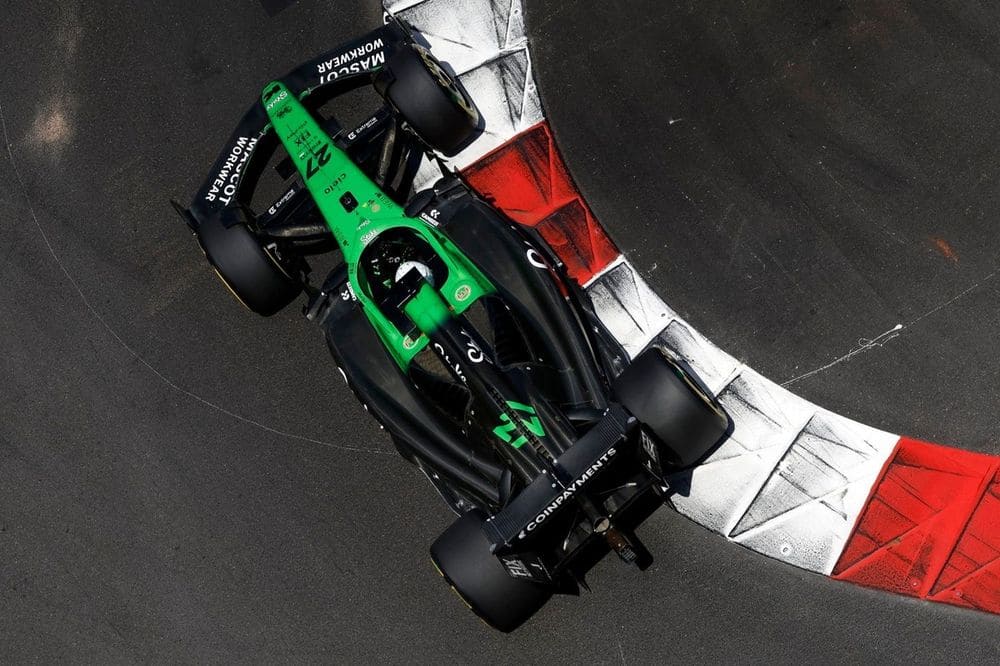
F1 2026: The Largest Rule Revamp In Formula 1 History.
A Sport at the Brink of Change. Formula 1 has never been a stagnant thing; however, the 2026 rules are set to make the most radical changes in decades. The FIA affirmed radical changes that will transform the design of cars, power units, and the dynamics of the racing. The purpose of these rules is to modernize the sport and to deal with sustainability and competition. Teams, drivers, and fans already call it the “biggest reset” in Formula 1 history. The reforms will touch on all corners, angles, and plans. To most, 2026 is the beginning of a new age. The Heart of the Change: Power Units. The new rules have a radical power unit at the center. Hybrid power will be more powerful as Formula 1 will increase the electrical production by two times. The engines will have a 50 percent electrical power input, which is a significant increase over the present values. The FIA also approved that the MGU-H, the controversial turbo heat unit, be removed. Teams claimed that it made designs more complex and pushed prices up. By doing away with it, engineering is made easier, and the hybrid technology is further developed. Most importantly, engines will operate on 100 percent sustainable fuel. This move puts Formula 1 at the forefront of the green revolution in motorsport. It is in line with the international action to cut down carbon emissions and achieve a sustainable future. Car Design Is Completely Redone. There will be radical transformation of car designs along with power units. Cars will be lighter, smaller, and more aerodynamic. Modern Formula 1 cars are large and bulky, and this restricts close racing. By 2026, the size of the chassis will reduce, enhancing agility. The new design must promote wheel-to-wheel battles. FIA officials stressed that the focus lies on “nimble racing” instead of raw size. To drivers, this will give them greater control during high-speed duels. Active aerodynamics shall also be launched. Front and rear wings will be changed during the race to balance downforce and drag. The innovation will guarantee quicker straights and tighter cornering. Opponents are concerned, though, that dependence on systems may diminish driver control. Leveling the Playing Field The FIA is insisting that the 2026 regulations will close the dominance gaps. The sport has already been transformed by budget caps, but technical resets are new opportunities. Smaller teams can eventually compete with other giants such as Mercedes and Red Bull. Regulation overhaul has a history of shaking hierarchies. Mercedes was the leader when hybrid engines came in 2014. New ground-effect rules in 2022 provided Red Bull with a competitive advantage. Today, 2026 might redo the balance again. This change is an opportunity for teams such as McLaren and Aston Martin. They will be able to compete to win provided they change faster than their competitors. Engineering creativity and efficient execution will be the key to success. Reactions of Drivers: Excitement and Concern. Drivers gave mixed reactions regarding the 2026 package. Max Verstappen embraced sustainable fuels but cautioned against excessive complexity. Lewis Hamilton commended the green initiative but raised questions on the issue of less driver control. Charles Leclerc talked of the excitement of light cars. He thinks agility will bring about exciting fights. But he admitted doubt too. “Until we drive, nobody knows how they’ll feel,” he said. The change compels motorists to change styles. The adaptability will have to be more acute in terms of hybrid deployment, wing changes, and fuel management. Experience can be relied upon by the veterans, and young drivers can take advantage of new learning curves. Influence on Fans and Viewing Experience. To fans, 2026 is an event that will be both entertaining and challenging. Straights that are faster and closer to the battle sound good. But this dependence on active systems may irritate purists. The first races are expected to be of great interest to broadcasters. The fans will watch who adapts the fastest. The new designs are already being discussed on social media. The FIA is optimistic that the reset will appeal to new audiences. The marketing story is strong through sustainable fuels, futuristic technology, and competitive balance. Formula 1 would like to be not only entertainment but also a leader in the world of innovations. The Business and Political Angle. The 2026 regulations have a positive commercial effect on the growth of Formula 1. Other suppliers of engines, such as Audi, affirmed entry due to these regulations. They were convinced by the promise of greener and cost-effective engines. There was interest among other manufacturers such as Porsche and Honda. The reset promotes brands that were previously reluctant. The increased number of manufacturers implies the increased competition and the expanded global coverage. On the political front, the FIA and the Formula 1 management want to be aligned with governments that are driving sustainability. F1 reinforces its future development by presenting renewable fuels and advanced hybrids. Green technology sponsors can also flock to the sport. Lessons From the Past The history of Formula 1 demonstrates that the changes in regulations transform times. New dynasties were established in the 1980s turbo boom, the 1990s aerodynamic wars, and the 2014 hybrid revolution. 2026 now joins that list. Those who learn to master the transition will be dominant teams. The weak ones can disappear in the competition. Shock winners, surprise podiums, and dramatic rivalries are to be expected by fans. The change also highlights the uniqueness of Formula 1. It is a combination of entertainment and the latest technology, never afraid to go too far. The sport then reinvents itself by 2026. Building Toward the Future The FIA is adamant that 2026 will not be merely a racing event. It will be used as a pilot of the future car technologies. These engines and fuels are lessons that may be applied to road cars across the globe. Formula 1 was always positioned as an innovation laboratory. The sport has the potential to influence the future generation of vehicles, as
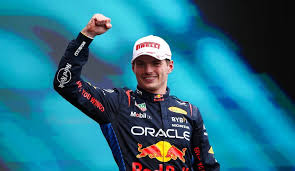
Max Verstappen Cleared To Conquer Nurburgring’s ‘Green Hell’
A hero comes back to a legendary circuit. Max Verstappen has obtained official permission to compete at the historic Nurburgring circuit. The current Formula 1 world champion is now ready to tackle one of the most daunting motorsport tracks. Known as the “Green Hell,” the Nurburgring Nordschleife remains a daunting test even for the best. The permit is a milestone in the career of Verstappen. He has dominated the contemporary circuits, but the Nurburgring has its own weight. To race there takes a heart and a hand. His involvement will ensure a worldwide buzz and a new wave of interest in the iconic song. The Nürburgring Legacy. The Nürburgring is not just a racetrack. It is the most challenging motorsport challenge. The Nordschleife was constructed in the 1920s, and it has a length of over 20 kilometers with 170 corners. The drivers encounter height variations, blind crests, and unpredictable weather. The circuit earned its nickname “Green Hell” from Jackie Stewart. Its danger is appreciated even by modern drivers. In the 1970s, Formula 1 was forced to abandon full races there because of safety issues. Since that time, the Nordschleife has been restricted to endurance events and special exhibitions. The permit of Verstappen makes people interested in elite drivers racing the course. The Reason Why Verstappen Wanted the Permit. The desire to compete is not limited to Formula 1 dominance by Verstappen. He likes to challenge himself in various racing conditions. Obtaining a permit to the Nurburgring demonstrates his wish to identify with the history of motorsport. He knows the dangers but accepts the challenge. It is not about championship points to race there. It has to do with heritage, pride, and demonstrating ability on the most demanding motorsport stage. In the case of Verstappen, the license is a reward for decades of hard training and the quality of racing. Strict Permit Process of FIA. To race at the Nordschleife, one must be granted special permission. The FIA has stringent rules to safeguard the drivers and spectators. Drivers need to show high levels of car control and safety awareness to be awarded the permit. Verstappen was able to meet those standards without difficulties. His history of accuracy in times of need assisted in gaining clearance. Nevertheless, the decision was not made lightly by officials. The Nordschleife is brutal, even to champions. The permit shows that they have confidence in Verstappen to cope with extreme conditions. Red Bull’s Strategic Support The news was received by Red Bull Racing. The team is aware of the promotional and sporting importance of Verstappen’s participation. Although the event does not feature Formula 1, Red Bull enjoys international publicity. The engineering department of the team will probably assist Verstappen in terms of technical know-how. They understand that speed is not all the track requires. Even more important are balance, endurance, and reliability. The presence of Red Bull makes sure that Verstappen is well prepared. Fans React with Expectation. The information about the permit of Verstappen was spread among fans. Excitement and speculation on social media. His style is popular among his supporters, who feel that his style is appropriate on the Nurburgring. Others were worried about the risks. Nevertheless, his decision was celebrated by most people. Racing legends such as Niki Lauda and Ayrton Senna had an appreciation of the track by fans. Verstappen is now joining that tradition. His effort is a bridge between the past and the present, offering the contemporary viewers a flavor of the history of racing. Commercial Effect of the Announcement. Verstappen does not only have sporting news. It has significant commercial consequences. The Nürburgring events are an attraction to sponsors and huge crowds around the world. Ticket demand is likely to explode with Verstappen confirmed. Broadcasters also benefit. The media coverage of the event will attract fans other than those of Formula 1. Even the lay audience is aware of the risk and excitement of the Nordschleife. In the case of the motorsport industry, the participation of Verstappen is a marketing dream. Verstappen compared to past greats. Not many F1 champions of the present day dare to race at the Nordschleife. Verstappen is in an exclusive club because of his choice. He is reminiscent of drivers of the 1960s and 1970s, who used to test themselves there regularly. His style is unlike the current standard, where strategy and safety prevail. Verstappen appreciates bare-knuckle fights. Such an attitude associates him with such legends as Jim Clark and Jackie Stewart. The permit is a sign that he has more than titles in his career. What It Means for Formula 1 The action of Verstappen can affect the overall direction of Formula 1. Although the championship will not be full races on the Nordschleife, new opportunities are now seen by the drivers. Promotional events and exhibition runs might increase. The FIA will watch closely. The success of Verstappen may prompt more stars to seek permits. The prospect is thrilling to old-school enthusiasts who miss the wilder nature of motorsport. In the case of F1, it shows the ways in which history and modern stardom may overlap. The Future of Verstappen. Having gotten the permit, Verstappen now transitions to preparation. He has to adjust his driving style to the Nordschleife. Contrary to the current F1 circuit, the circuit penalizes minor errors. Accuracy is important at every corner. He will use simulation tools, practice laps, and technical support. It also depends on physical stamina. The racing of more than 20 kilometers demands more than usual F1 concentration. Verstappen is aware of the challenge and takes it. Conclusion The fact that Max Verstappen is allowed to race at the Nurburgring is a strong moment in motorsport. He mixes contemporary supremacy with the reverence of the most difficult traditions of racing. Fans now wait to see how he handles the “Green Hell.” The incident will challenge his ability, stamina, and bravery. It also enhances his legacy as a hero who is ready to take real challenges. Verstappen
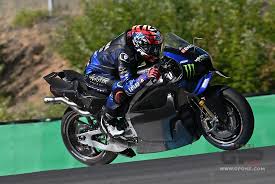
Yamaha Unveils New V4 MotoGP Bike In Stunning Misano Grand Prix Debut
A Historic Shift for Yamaha The Misano Grand Prix weekend was the place where one of the biggest announcements in the modern history of MotoGP was made. Yamaha formally introduced its new V4 engine motorcycle, marking a radical departure from its long-running inline-four heritage. This is not a recent development, and engineers and test riders have worked tirelessly to ensure that Yamaha remains competitive against the dominance of Ducati and the increasing power of KTM and Aprilia. The move to use V4 architecture is an indication that Yamaha recognized that the sport has evolved and the only solution to remain in contention is through innovation. Why the Switch to V4 Matters Yamaha stuck to the inline-four engine design over decades. That strategy brought numerous world titles, and such heroes as Valentino Rossi and Jorge Lorenzo were able to control the smooth corner-speed-oriented Yamaha bikes. The balance of power in the sport, however, changed as the V4 machines made by Ducati established new standards in speed and acceleration. KTM and Aprilia followed soon, and Yamaha was left more vulnerable. The new V4 engine is not only an engineering improvement but also a philosophical revolution. It gives Yamaha an opportunity to regain lost ground and demonstrate its flexibility in a highly competitive age. First Reactions at Misano The launch of the V4 bike attracted immediate notice when it was shaken down at Misano. The machine was first taken out by test rider Cal Crutchlow and was cheered by fans who were keen to see the future of Yamaha racing. Even the sound of the bike suggested its raw power, as the exhaust note was deeper and more aggressive than the traditional inline-four of Yamaha. The bike was later first seriously tested by Fabio Quartararo, who provided initial feedback that thrilled the paddock. “It feels like a new chapter. The bicycle is strong, and the acceleration is good. We still need time to refine, but this is a big step,” Quartararo said. Challenges of Transition Even though excitement was the order of the day, the shift to a new engine concept will not pass without difficulties. V4 development needs alternative chassis geometry, cooling systems, and electronics. Yamaha is on a steep learning curve trying to balance power and agility. Yamaha has always been known to make bikes with smooth handling and corner stability. The danger lies in the fact that in the process of pursuing pure speed, they can lose some of their traditional advantages. This balance will be one of the most important aspects of making sure that the V4 does not merely match the performance of Ducati but also has its own benefits. Reactions From Rival Teams Competitor manufacturers were keen on the launch of Yamaha. Ducati boss Gigi Dall’Igna acknowledged the significance of the move, stating, “It was inevitable. Yamaha was forced to change this in order to stay competitive. The question is how fast they can adapt.” KTM rider Brad Binder also had his say, saying that the entry of Yamaha into the V4 club would simply increase the competition. Such remarks are respectful and wary at the same time because competitors know that Yamaha has immense resources that might turn it into a threat after the development phase matures. The Quartararo Factor A significant portion of the attention was bound to be on Fabio Quartararo, the Yamaha star rider and the former world champion. Quartararo has not been silent regarding the plight of Yamaha over the past years, openly blaming the lack of speed on long straights. Before this announcement, his future at Yamaha was even in doubt. The V4 launch has come at the right time for him, and it is a sign that he can fight to win championships once again. “I’ve been asking for more power, and this is Yamaha’s answer. I believe in this project, but we need patience,” he explained after the session. The buy-in by Quartararo will be critical to the success of Yamaha in the long term. Impact on the Rider Market The introduction of the V4 has direct implications on the MotoGP rider market. The technical change at Yamaha can convince Quartararo to renew his contract after the existing one. It might also appeal to the up-and-coming stars that would be willing to be part of a project with huge potential. Riders who have been reluctant to ride Yamaha because of their outdated package can now think again. Having already been negotiating 2026 contracts throughout the grid, Yamaha has been placed in a better position as a destination than they were only a few months ago. Fans React to the Bold Step The fan community of MotoGP responded in mixed ways. Yamaha was applauded by many people due to the bold move, as the manufacturer has finally taken a step in the right direction. There was also a sense of nostalgia among others who feared that Yamaha would lose the special riding style that characterized its machines over the decades. The internet was abuzz with the comparisons of the sound of the V4 and the roar of the Ducati. The hashtags, such as #YamahaV4 and #MisanoGP, were trending all over the world, which highlights the international influence of the announcement. To the fans, the V4 debut has not only been a technical improvement but also hope, risk, and intrigue, which makes MotoGP unique. Looking Ahead to the Future Yamaha has a long way to go. The Misano debut is just a first chapter in what will be a multi-year project. The engineers will now be able to collect important data, fine-tune mapping, optimize aerodynamics, and test the bike in the race conditions. Yamaha insiders also allude to the fact that the V4 may not actually live up to the hype until the 2026 season. However, the first release has already changed the story, showing that Yamaha does not want to be left behind. All the laps ahead will be scrutinized by spectators, competitors, and prospective riders. Conclusion: The Bold
