
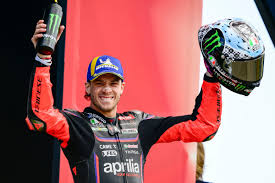
A Qualifying Session Full of Drama. The qualification of the San Marino Grand Prix provided fireworks, with Marco Bezzecchi taking pole position in front of a jubilant crowd at Misano. The Italian rider ripped off an eye-catching lap that saw the fans celebrating and the Márquez brothers, Marc and Alex, frustrated by being deprived of first positions. The home advantage, added to his quick pace, was fatal to Bezzecchi, who now goes into Sunday’s race as the man to beat. Bezzecchi Rises to the Occasion. Bezzecchi has been a great favorite at Misano, and this time he gave his supporters a scorching qualifying lap. Late in the session he set his fastest lap, which left the clock at a time no competitor could equal. As the track conditions continued to improve, Bezzecchi took the chance to push to the limit. He was not able to conceal his pride when speaking afterward. “This is a dream. It is a special thing to take pole at Misano, before my people. The bike felt incredible today, and I gave everything.” His words were a manifestation of the profound connection between rider, machine, and circuit. Marquez Brothers Left Frustrated. Both Marc and Alex Marquez entered qualifying with high expectations, particularly after demonstrating a steady speed during practice. But, despite good initial laps, they could not keep up with a late charge by Bezzecchi. Marc, who has been struggling to get back to his optimum condition, was disappointed. “I pushed as hard as I could, but the last lap didn’t work out. The pace is there for the race, but today belongs to Bezzecchi.” Alex, also, spoke of his frustration, saying that he could go as fast as he wanted but could not get the clear lap at the right time. To the brothers, the failure casts doubts on whether they are able to translate raw speed into race-winning performance. The Home Crowd Advantage Bezzecchi did not only have a pole that was concerned with the raw pace but also the psychological lift of racing at home. The Misano fans cheered him each time he went on the track, and this gave him the drive to go deeper. Misano has always been a special place to Italian riders, and Bezzecchi does not break the tradition. The fact that fans were waving flags and shouting his name served to emphasize the role of local support in a sport where speed is sometimes as important as confidence. The Ducati Power role. The Ducati machinery of Bezzecchi was also critical in his winning pole run. The difference was made by the fact that the bike was able to give maximum grip and power delivery on the flowing corners of Misano. Ducati engineers have strived hard to perfect the package this season, and the lap by Bezzecchi was the best testament to date of the supremacy of the bike at this circuit. Competitors Yamaha, Honda, and KTM were unable to compete with the straight-line speed and acceleration, with Ducati riders dominating the qualifying again. The Track Position Battle. Qualifying at Misano can be a struggle to get a place on the circuit, and this was no exception. Riders were competing to get clean air, and there were tense situations when the faster bikes passed through traffic. Both Marc and Alex Marquez had complained of the difficulty in getting clear laps during their final runs, and this affected their rhythm. Bezzecchi was, however, in a position to time his attack and avoid congestion and take advantage of the best track conditions. That tactical consciousness was a great part of his role. Rider Reactions Emphasize the Stakes. The intensity of the session was captured by reactions of the paddock. Pecco Bagnaia, who had just come in behind Bezzecchi, admitted the brilliance of the pole lap. “Marco was untouchable today. He found something extra in the last sector, and that made the difference.” In the meantime, Jorge Martin confessed his surprise at the pace of the Italian. “We knew Ducati would be strong, but that lap was special. Tomorrow will be a fight.” These reactions underscore the respect that Bezzecchi enjoys among his peers and prelude a ruthless battle on race day. The Pressure on the Marquez Brothers. The race on Sunday has become more pressure-filled for the Marquez brothers. Marc is struggling with a bad season, trying to find a home as the rumors of his future are still going on. Meanwhile, Alex has demonstrated glimpses of brilliance but has not been able to translate speed into podiums. Both are aware that it is important to qualify well in Misano, where there is not much opportunity to overtake. Being at the back of Bezzecchi might compel them to take risks during the initial laps, a move that might either prove to be a cash cow or a disaster. Fans hope to see a Ducati showdown. Bezzecchi, Bagnaia, and Martin will all be near the front line, so it is anticipated that the race on Sunday will be more of a Ducati show. The dominance of the manufacturer over MotoGP in this season has been impressive, and Misano promises to do the same. Nevertheless, the uncertainty of racing is such that competitors cannot be ruled out. The script might change fast in case Marc Marquez gets his rhythm, or Yamaha and KTM surprise. Such uncertainty contributes to the anticipation. Conclusion: A Pole That Sets the Stage. The pole of Marco Bezzecchi in San Marino is not merely a fast lap. It is an expression of will, a demonstration of power, and a reference to the enthusiasm Italian riders have in Misano. To Bezzecchi, it is a career high and an opportunity to transform home support into a race win. To the Marquez brothers, this is a blow that highlights the struggles that they have to go through in their quest to achieve glory. When the lights are turned off on Sunday, the fight will not only be speed-based but also about
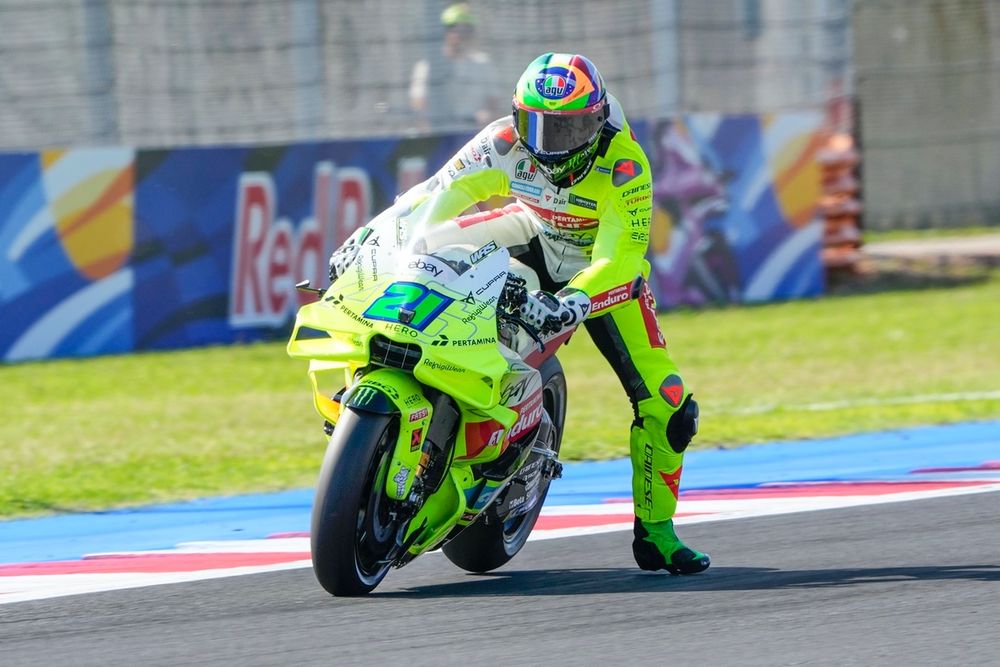
Franco Morbidelli Receives Warning From MotoGP Stewards After On-Track Incident
A Red Flag That Raised Brows. Franco Morbidelli has been back in the limelight again, though not due to his speed or podium attack. The rider from Italy was given a warning by MotoGP stewards after a controversial on-track incident left fans, riders, and pundits arguing over the ruling. Although not as serious as a punishment, the warning is an indicator of the increased scrutiny that riders are undergoing in a more competitive championship where each move is scrutinized. The Controversial Incident. The scandal happened in the course of qualifying, when Morbidelli was accused of blocking another rider on a flying lap. The steward panel looked at several camera angles and decided that although Morbidelli did not deserve a time penalty, he had interfered with the rhythm of a competitor. This is a vital difference in MotoGP, where tenths of a second can be the difference between grid positions. The move to issue a warning only shows the thin line that stewards have to balance between ensuring fair play and natural on-track dynamics. To Morbidelli, though, it is an addition to a season in which his racecraft has already been questioned. Stewards Adopting a More Firm Position. The recent warning is a part of a bigger trend. MotoGP officials have been more decisive this season, and they are bent on curbing irresponsible actions, unsafe riding, and qualifying barriers. Some riders have been penalized due to aggressive overtaking, weaving during straights, or blocking other competitors during important sessions. The governing body of the championship says that this kind of vigilance is needed to maintain safety in an age of continually growing performance. However, critics say that the crackdown threatens to punish natural racing behavior, and the case of Morbidelli is now the new front line. Morbidelli’s Reaction Morbidelli himself looked composed yet slightly annoyed in speaking of the affair. “I respect the stewards’ decision, but I don’t think I did anything intentional. During qualifying, things may get out of control, and riders may even collide. That’s racing.” His lyrics emphasize the challenge of being both aggressive and polite. Morbidelli was diplomatic, unlike other riders who have assaulted stewards due to lack of consistency. Nevertheless, his voice showed a note of frustration with what he might consider to be overbearing during a period when he is struggling to restore his confidence and speed. Impact on His Season Even though the warning does not have any direct penalty, it may be of great importance in the larger context. Cautions build up, and recurring offenses can lead to grid drops or length of lap penalties. Every setback counts to Morbidelli, who is attempting to regain momentum after a tough couple of years. His transfer to Pramac Ducati was expected to revive his career, but further scrutiny by stewards might take its toll on his performance. He might even be compelled to change his aggressive manner that has always been one of his trademarks due to the fear of future sanctions. Rival Riders’ Views The response of the competitors of Morbidelli was expected to be mixed. Another rider, whose name was not disclosed, who was thought to have been directly influenced by the incident, claimed that a more severe penalty was necessary. “We all know qualifying is tight. Block someone, even a little, and you can destroy their hopes of a quick lap. That has to mean something.” Others, though, sprang to the defense of Morbidelli. Aleix Espargaro suggested the situation was overblown, commenting, “Warnings for things like this risk making us all too cautious. Racing has always had these moments, and trying to eliminate them is impossible.” These split views are indicative of the tension that is building between safety enforcement and conservation of racing instinct. Fan Reaction on Social Media The fanbase immediately divided into camps, as is usual in MotoGP controversies. Most of them defended Morbidelli, saying that traffic in qualifying is an inevitable risk. They claimed that warnings in this context are only useful in watering down the natural flow of the sport. Some of them believed that the stewards were being too lenient and that a more severe punishment would send a better message on blocking competitors. Hashtags associated with Morbidelli trended on social media in the short term, with arguments about how serious the incident was to the wider inconsistency of stewarding decisions. In the globalized world today, all disciplinary calls echo way beyond the paddock. The Wider Framework: Safety vs. Spectacle. The incident also brings back the longstanding controversy regarding MotoGP stewarding. On the one hand, there is the reason to enforce it strictly to avoid dangerous conditions at high speeds. On the other side of the coin is the opinion that excessive regulation will lead to sterilization of the sport and deter the daring maneuvers that make racing interesting. The warning that Morbidelli gives is at this junction. It might have been more symbolic than practical, but it reminds us that there is always a fine line between healthy competition and unsafe actions. Historical Parallels It is not the first time that MotoGP has been involved in controversy regarding warnings. The previous seasons have had similar controversies with riders such as Valentino Rossi, Marc Marquez, and Johann Zarco. In other instances, warnings were subsequently viewed as unwarranted overkill. Critics in others demanded that penalties be more severe. The warning of Morbidelli is a reflection of those controversies, and it contributes to the longstanding debate on consistency in stewarding. This moment is like the continuation of an old story to the fans who have been watching the championship over the years. Conclusion: A Warning With Weight The warning issued by MotoGP stewards to Franco Morbidelli might not change the outcome of this weekend, but the implications of this warning are far-reaching. To the rider, it serves as a warning and a reminder that each action is scrutinized. To the sport, it highlights the increased power of stewards in not only determining outcomes but also stories. It is
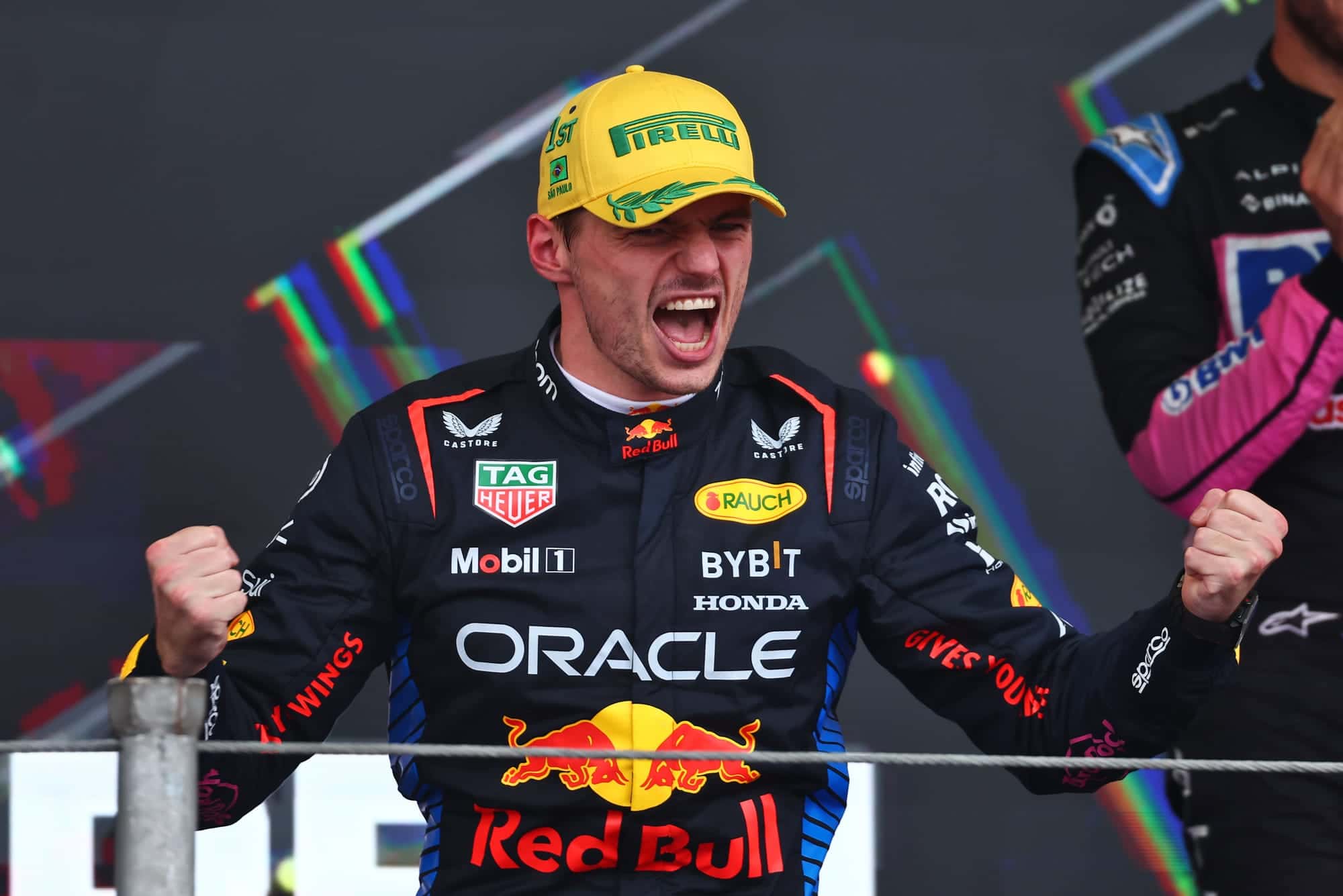
Verstappen Shocks Fans By Naming His Two Best F1 Drivers On The Current Grid
A Champion Speaks His Mind Max Verstappen is not shy about giving his views. The current world champion has now made headlines by making known to the world who he believes are the two best drivers in the current Formula 1 grid. His words are heavy in a sport full of egos and rivalries. His comments are already being broken down by fans and other drivers as to what they say about his mindset and the competitive world. Who Verstappen Chose Verstappen was asked to choose the best among his colleagues, and he did not hesitate to mention two names. He mentioned that the most complete drivers in the current racing are Lewis Hamilton and Fernando Alonso. “Lewis has proven himself for years, and Fernando shows every weekend that he still has it,” Verstappen said. The fact that he recognized two of his competitors, one a seven-time world champion, the other a two-time veteran, is a testament to his respect of experience and flexibility. Why Hamilton Still Is a Person to Be Respected. Some people may be surprised by the fact that Verstappen included Hamilton, as they had a strong rivalry in the 2021 season. Nevertheless, Verstappen commended the consistency of Hamilton. “He knows how to win and how to manage pressure,” Verstappen explained. To most fans, this acknowledgement is like a far-between olive branch by a driver who once had a feud with Hamilton on and off the track. Verstappen acknowledged that Hamilton remains a giant in the paddock by putting him among the best. Alonso’s Enduring Legacy It was also important that Verstappen praised Alonso. The Spaniard is 43 years old and still impresses with his aggressive driving and the possibility of getting the maximum out of the Aston Martin. Verstappen noted, “Fernando has the hunger of someone half his age. He doesn’t give up, and that’s what makes him dangerous.” This admiration shows the special relationship between two drivers who consider racing instincts as the most important thing in the world. The fact that Alonso is still relevant decades into his career is obviously something that Verstappen can relate to. What His Choices Reveal The decisions made by Verstappen shed some light on what he appreciates in competitors. He failed to mention younger stars such as Lando Norris, Charles Leclerc, or George Russell, even though they are increasingly gaining their reputation. Rather, he concentrated on established heroes who are skilled and mentally tough. This implies that Verstappen views real greatness not only in sheer speed but also in the fact that he can perform under pressure year after year. Reactions Across the Grid The paddock was quick to react to the picks of Verstappen. Hamilton, when asked, said, “It’s nice to hear, but I don’t race for validation.” Alonso took a more playful tone, smiling as he commented, “Maybe Max is finally admitting I keep him awake at night.” Younger drivers might feel neglected, however. Leclerc remarked, “Everyone has their opinion. I know what I can do on track.” Norris added that while respect is important, “the stopwatch is the only real judge.” Fans Divided Over the List Social media has been fast in sharing opinions by fans. There were those who were delighted that Verstappen finally admitted that Hamilton was great, particularly following their acrimonious battle over the title. He was criticized by others who said he is not taking into consideration the current form because Norris and Leclerc have been performing exemplarily this season. The inclusion of Alonso was celebrated by many, and most fans were happy with the fact that his longevity was acknowledged. But there is still controversy on whether Verstappen intentionally omitted younger competitors to avoid giving them momentum. A Peek into the Mind of Verstappen. It is also interesting when Verstappen made his comments. He established himself with legends by acknowledging Hamilton and Alonso and not future stars. This supports his perception of himself as a member of the elite history of the sport. His exclusion of the present-day rising stars may also indicate his belief that they are not yet a real threat. The greatest threats in the world of Verstappen are the most established ones. How It Shapes the Narrative Formula 1 is built on competitions, and the remarks of Verstappen will only contribute to more plots. Any fight with Hamilton or Alonso will now have an additional interest, as the fans will view it through the prism of respect and recognition. In the meantime, young drivers can get the additional incentive to show Verstappen wrong. His comments have spiced up an already dramatic and unpredictable season, if anything. Conclusion: Respect From a Champion. The fact that Max Verstappen has chosen Hamilton and Alonso as the two best drivers on the current grid speaks volumes. It reveals a seldom-seen humble side, recognizing competitors who influenced the sport before and with him. It also brings out the attributes he cherishes the most, which include resilience, adaptability, and an insatiable desire to win. His words have sparked off arguments of greatness in Formula 1, whether the fans agree with him or not. Ultimately, the admiration that Verstappen has shown towards his toughest competitors could enhance his own legacy as one of the greatest champions of the sport.
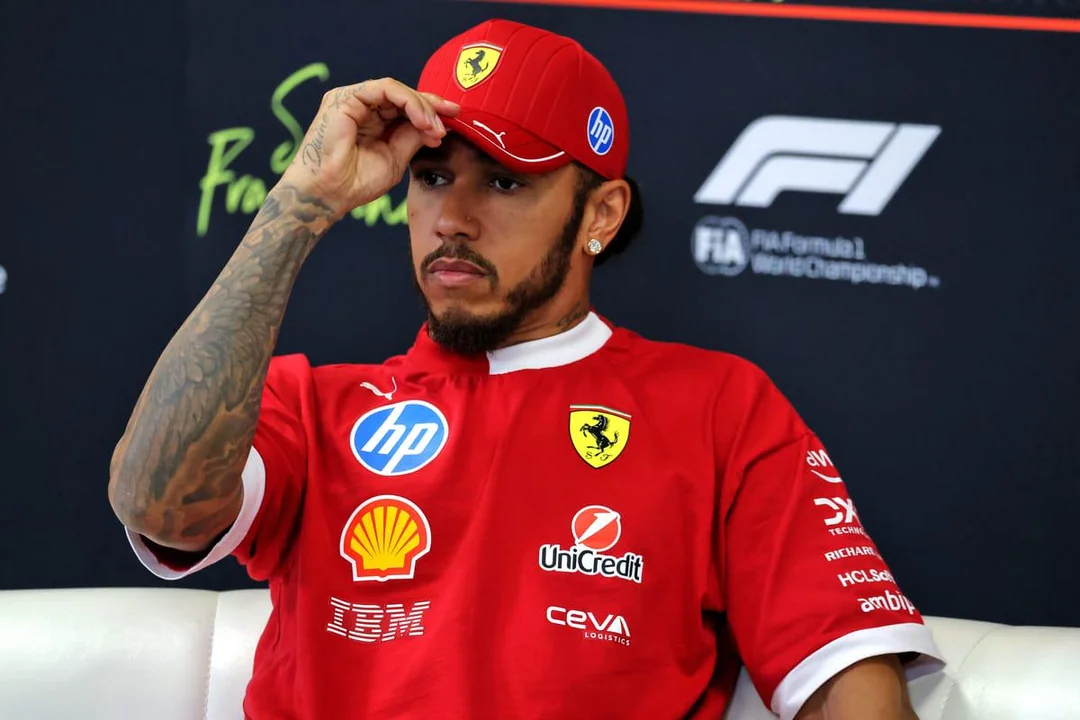
Ferrari’s Hidden Weakness Exposed After Hamilton Documents Shake F1
Ferrari Under the Microscope Once again The rollercoaster season at Ferrari has taken a new twist. Recent revelations related to the documents filed by the camp of Lewis Hamilton have revealed a bigger problem in the Scuderia. These results are currently taking over the paddock. Both fans and professionals are wondering whether the recent woes of Ferrari are due to the design of the car, the way the team is managed, or a combination of both. How the Documents of Hamilton Led to the Discovery. The scandal started when the team of Hamilton provided the FIA with performance data and race analysis. These reports were to explain the accidents involving race tactics, yet they surprisingly referred to the inefficiencies in Ferrari. It has been reported that the team of Hamilton pointed out discrepancies in the deployment of energy and the tire wear patterns of Ferrari. This highlighted an issue Ferrari insiders had been attempting to suppress. Then, instead of mere speculation, one of the weaknesses was proven. A technical weakness is revealed. Ferrari has never been associated with anything other than raw speed, but its car this season appears to be missing in longer stints. Uneven tire degradation has been recognized by engineers as a major cause. Insiders claimed that Hamilton’s data analysis indicated that Ferrari was losing almost three-tenths of a second per lap after ten laps on medium compounds. This disclosure was met with controversy over whether the aggressive aerodynamic design of Ferrari compromises long-term consistency in favor of short-term benefits. In that case, it would be the reason why the team was unable to keep pace with the race winner even when they qualified at the front. Frustrations among Drivers Increasing. Charles Leclerc has not concealed his disappointment. After several races where strong qualifying runs faded into poor results, he admitted, “We know something is not working. We have the speed for a few laps, but not for the race distance.” Carlos Sainz echoed similar frustrations, pointing out that “every time we push, the tires drop off much quicker than expected.” The two drivers appear to be on the same page when it comes to demanding immediate changes, but it is almost impossible to correct a structural design problem within the season. Implication on the Championship Ambitions of Ferrari. This is a horrible finding for Ferrari. Red Bull is still leading, but McLaren and Mercedes are catching up. Ferrari, who was once sure of podiums each weekend, is struggling with inconsistencies. The cost of losing key points in the constructors’ championship may be expensive. The fan base of the team, which is known to be fanatical and demanding, has already expressed dissatisfaction. There is a lot of concern that Ferrari might again fail to live up to its hype even after glimpses of brilliance. Why the Timing Matters The situation was further awkward by the time Hamilton submitted his documents. As contract negotiations and intra-team conflicts are making the news, the revelation of the weakness of Ferrari contributes to the already high-tension environment. Competitors have a better understanding of the weaknesses of Ferrari. This is to say that strategic planning by other teams can further capitalize on the plight of the Scuderia. In the case of Ferrari, it is not only about repairing the problem but also about limiting the damage to the reputation. A History of Domestic Turbulence. This is not the first time that Ferrari has had problems. The fans are not forgetting the power unit scandal of 2019 that resulted in the secret deals with the FIA. Over the next several years, Ferrari seemed to be torn between politics and racing difficulties. This most recent disclosure is part of a trend of internal misjudgments that continues to deny Ferrari a sustained title contention. The legacy of the Scuderia is full of victory, yet the current Formula 1 has not been kind to the flaws in its operations. Competitors Respond to Ferrari’s Dilemma. Competitor teams have been keen to comment on the problems in Ferrari. Mercedes boss Toto Wolff said, “These things happen when you push too hard in one direction. Balance is everything.” McLaren’s Zak Brown noted that “every team has weaknesses, but Ferrari’s always seem to come at the worst possible time.” No one makes fun of Ferrari directly, but the tone is evident. The problem of the team is perceived by rivals as an opportunity that they can use to gain points in the battle. Will Ferrari be able to recover in time before the season ends? The question is whether Ferrari will be able to come back before the championship is lost even more. According to some insiders, the team might introduce some major upgrades to enhance tire wear management. Others feel that the problem is too deep within the DNA of the car to remedy within the season. In case that is the case, Ferrari might have to change their attention to the 2026 regulations earlier than intended. At present, the Scuderia is still fighting, yet it can never overcome technical deficiencies by mere determination. Conclusion: A Ferrari Defining Moment. It is not just a headline that Ferrari found out about his problem after Hamilton turned in his documents. It is a reminder that Formula 1 does not give secrets a chance. The weaknesses are revealed fast through data analysis, competitor investigation, and unyielding competition. Ferrari is now struggling with one of the hardest tests in years. Will the Scuderia rally and seek solutions, or will this season turn out to be another season of frustration? The response will not only define the year of Ferrari but also its status in the coming years.
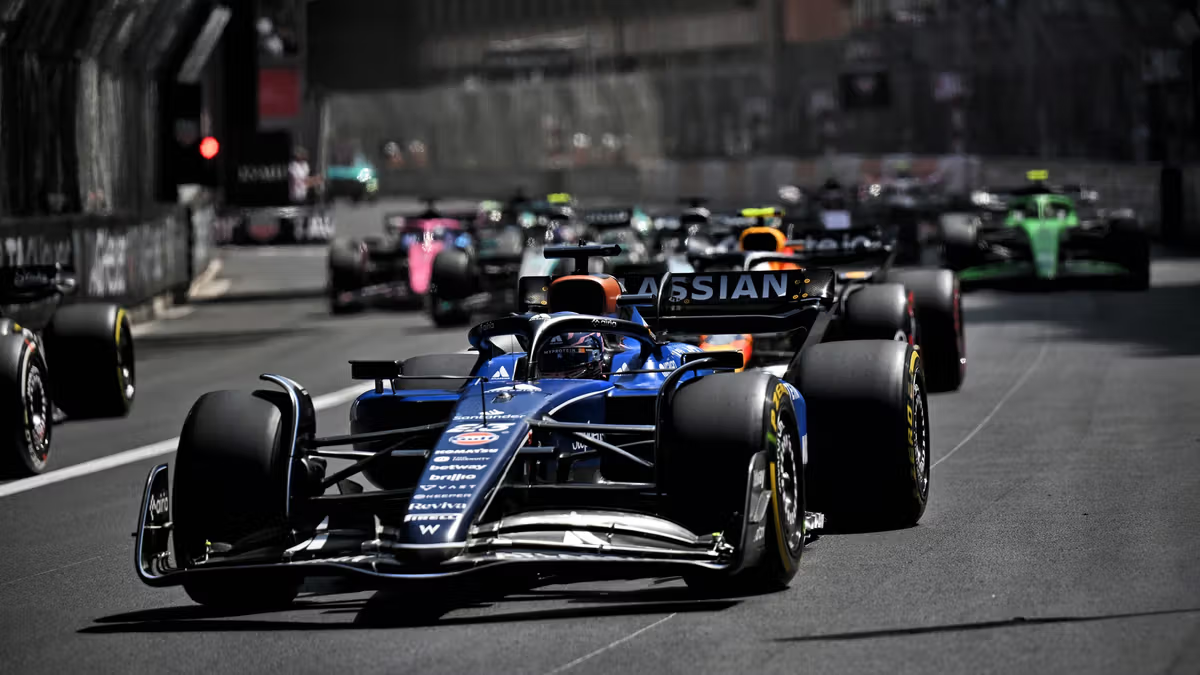
The Truth Behind Formula 1’s Push For Shorter Races
The Controversy That Has Divided the Paddock. Formula 1 has been a matter of stamina, planning, and showmanship. But in recent months, the discussion of shorter races has been more vocal. Drivers, team bosses, and fans are having their say, and each one of them has a firm opinion on whether reducing race distances would help the sport or deprive the sport of its identity. The concept has elicited controversies throughout the paddock, with one question mark on the future of the championship. The Reason the Idea of Shorter Races Appeared. The argument did not emerge out of thin air. With younger audiences becoming impatient and attention spans getting smaller, some executives feel that shorter formats could help make F1 more commercial. The first experiment was the introduction of sprint races, and the response to them has been mixed. According to proponents, sprint races offer instant action and less time for slower strategy formulation. Opponents claim that they make Sundays gimmicky and take away the meaning of Sundays. The trend of even shorter main races may take this experiment a step further, and not everyone is comfortable with that prospect. Drivers Divided on the Concept. Opinions among drivers vary. Others feel that shorter races would result in increased competition and less time for tire conservation. Others believe that the nature of Formula 1 is that it is a balance between speed and long-term strategy. Lewis Hamilton has hinted that he prefers tradition, saying recently that “Grand Prix races have always been about endurance and pushing limits across long distances.” Max Verstappen, never shy to share his views, said that shorter races could feel like “an exhibition, not a Grand Prix.” The split emphasizes the fact that it would be hard to make such a fundamental change without losing half the grid. Impact on Strategy and Teams The whole F1 strategy is constructed on the basis of long-distance racing. The shorter races would do away with multi-stop tactics, tire handling issues, and fuel issues that define each Grand Prix weekend. The balance between pace and preservation is the bread and butter of engineers, and eliminating it would compel the teams to reconsider their whole strategy. Ferrari’s Frederic Vasseur recently pointed out that while shorter races may look exciting on television, “strategy is the heart of our sport.” Christian Horner of Red Bull said that F1 is not comparable to other motorsport categories because of the complexity of strategy. The short races would seem easier to the sport, yet that may not be what the longtimefans want. How Fans Are Reacting The split is equally divided, with fans divided by generation. The younger audiences who have been used to highlight reels and quick entertainment tend to gravitate towards shorter formats. They cite that long races are monotonous, particularly when a single team is leading. Conversely, old-school fans regard the shortening of races as a gimmick that demeans history. Most people will remember legendary endurance races in which late-race drama characterized careers. To eliminate that possibility would be to deprive the sport of its narrative ability. F1 is not merely a question of who is the fastest; it is a question of who can be the smartest in two hours of racing. The Business and Marketing Angle. The owners of commercial rights are constantly seeking methods of finding new audiences. In a time where streaming services are competing to capture interest, a two-hour race might become obsolete. The shorter events might also increase broadcast ratings and motivate the casual fans to watch the events, since the shorter formats would enable greater intensity and more advertising spots. However, there is a danger of seeking short-term gains at the expense of long-term reputation. F1 has never been shy in terms of prestige, and watering down this prestige may render the product less valuable in the long run. Historical Context Matters The format of the F1 has undergone numerous transformations, though the distance of the races has not changed much since the championship was first organized in 1950. The 305 kilometers, with the exception of Monaco, is now a rule of thumb. All champions, including Juan Manuel Fangio and Michael Schumacher, have made their legacies on this basis. Shorter races would not be a minor change. It would be redefining the DNA of the sport. Innovation is usually embraced by fans; however, when tradition is broken, resistance may ensue. What the Future Might Be Like. Should Formula 1 experiment with shorter races, it probably will not switch to a full calendar but rather pick and choose events. The street races especially can be considered candidates, and the tight tracks and narrow lanes may be served by compact forms. The issue is whether these changes would be perceived as true innovation or a gimmick that is not necessary. The early excitement might not last long, as in sprint races, when fans get the feeling that Sunday is being watered down. Liberty Media should walk the fine line between entertainment and sporting integrity. Reactions From the Paddock Team principals have no hesitation in raising concerns. Toto Wolff believes shorter races risk turning Formula 1 into “another racing series” rather than a global championship. McLaren, though, through Zak Brown, proposed that it could be worth the risk to test new formats at selected events. Alpine’s Pierre Gasly said, “We don’t want to lose what makes F1 special. But if there’s a way to improve the show without changing the DNA, I’m open to it.” These remarks indicate that there is a space to debate, yet very few agreements. Conclusion: A Defining Debate of the Future of F1. Formula 1 is currently at a fine crossroad. The shorter races might increase ratings and appeal to younger fans, but they might also erode decades of tradition and strategies that make the sport unique. As the sprint format continues to fail to gain complete acceptance, further promotion of the concept can cause even greater divisions. The balance of speed, strategy, and
