
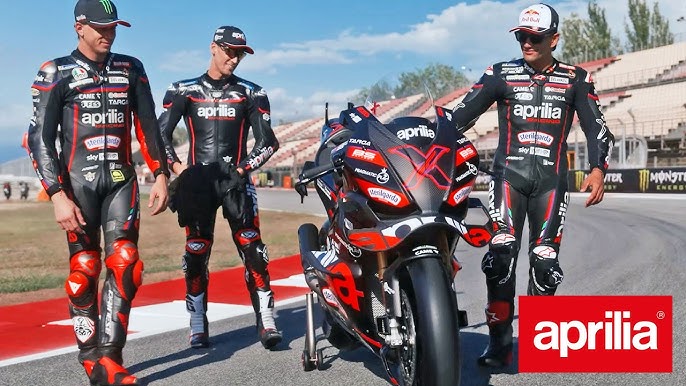
A Festival of Racing History. Aprilia has released the RSV4 X-GP, a limited-edition motorcycle commemorating decades of racing history and technical perfection. This limited edition model will be created to celebrate the success of Aprilia on the circuit and to give a MotoGP-style experience to a few customers. The RSV4 X-GP is one of the rarest motorcycles manufactured by the Italian manufacturer, with only a small number of models being built, but it has raw power and the latest technology. The RSV4 has been considered as one of the most successful superbikes with world superbike titles and its precision engineering. Aprilia has taken the formula to the next level with the RSV4 X-GP, adding some MotoGP DNA to it to make a motorcycle that straddles the border between race bike and road machine. MotoGP Influence at Its Core The best part of the RSV4 X-GP is the fact that it is very similar to the MotoGP technology of Aprilia. The aerodynamic design of the engine setupis all inspired by the prototypes that race at the top of the motorcycle racing industry. The aerodynamics are designed with winglets, which enhance stability during high speed, particularly when braking heavily and when entering corners. The electronics package is a reflection of those found in MotoGP, including traction control, launch control, and engine mapping adjustments that give riders unprecedented flexibility. These characteristics ensure that the motorcycle is not only capable of providing blistering performance, but it is also stable and controllable to those who are brave enough to push it to its limits. Power and Performance Numbers The core of the RSV4 X-GP is a V4 engine that has been fine-tuned to achieve spectacular power values. Aprilia has done everything possible to make sure that this engine reflects the spirit of their racing tradition. Although only official performance figures are available for this small production run, initial reports indicate power figures of over 230 horsepower, which puts it squarely in the category of the most powerful production motorcycles on the market. Combined with an ultra-light frame and sophisticated suspension system, the RSV4 X-GP is as agile and responsive as any track-only machine. High-quality parts such as Brembo braking systems and Öhlins suspension ensure that the motorcycle is able to manage the sheer power with accuracy and confidence. Exclusivity The X-GP Is Characterized By. Exclusivity is one of the most characteristic features of the RSV4 X-GP. Aprilia has clarified that this motorcycle would not be a mass-produced one. Every unit is designed with a lot of attention to detail so that buyers do not only get a high-performing machine but also a collector. The small production batch contributes a lot of value to the RSV4 X-GP and makes it a prestige among the enthusiasts and collectors. There will also be a degree of personalization that buyers have not been accustomed to with motorcycles and custom touches that make it even more unique. To most, the mere possession of the RSV4 X-GP is a declaration of love of racing and love of the Aprilia heritage. In Memoriam of Aprilia Racing. The introduction of the RSV4 X-GP is not merely a performance and exclusivity issue. It is also a dedication to the success of Aprilia in motorcycle racing. The brand has garnered many wins in many categories, including World Superbike and MotoGP, and this motorbike reflects that winning spirit. With the Aprilia providing a machine that directly transfers MotoGP technology, the fans will be able to engage with the brand more closely through its success in the competition. It is a glorification of the unstoppable drive of speed and innovation that has characterized Aprilia over decades. The Rider’s Experience The RSV4 X-GP should be a ride of a lifetime. The raw power, the MotoGP-level electronics, and the polished chassis dynamics give every ride an exciting but controlled experience. To track riders, the RSV4 X-GP offers the means to pursue lap times with confidence. To the collector and enthusiast, it provides the gratification of possessing a machine that is the best that Aprilia could do in terms of engineering. In any case, the rider will feel more than just mechanically attached to the machine and will be connected to the emotional thrill that is associated with riding a bike that is a product of racing passion. Response by the Motorcycle Community. The RSV4 X-GP has created a lot of buzz in the motorcycle world. Amateurs, professionals, and professional riders have hailed Aprilia as being at the edge and providing a motorbike that embodies the spirit of MotoGP technology as a production model. Although some pointed out that its relative scarcity will ensure that only a small number of riders will ever get to experience it directly, the vast majority agreed that the RSV4 X-GP will help Aprilia build its reputation as an innovator. Its presence strengthens the brand promise of combining racing heritage with consumer products. The Future of Limited Edition Superbikes The RSV4 X-GP is also indicative of a larger trend in the motorcycle industry. Manufacturers are also developing ultra-exclusive models that demonstrate the finest of their technology and craftsmanship. These motorcycles are halo products and also test beds for future innovations that may one day trickle down to mainstream machines. In the case of Aprilia, the RSV4 X-GP may spur new ideas in their regular RSV4 range, as the lessons learned in the limited edition percolate into regular production. By doing so, the X-GP does not only celebrate the past; it also determines the future of the brand. Conclusion The Aprilia RSV4 X-GP is an icon in the history of the company. It is a blend of decades of racing success, MotoGP-inspired engineering, and the exclusivity of a true collector machine. It is not only a superbike but also a salute to the undying quest for speed and innovation by Aprilia. The RSV4 X-GP is a limited-production, high-technology, and unmistakably pedigree motorcycle that is bound to be one of the most talked-about motorcycles of its
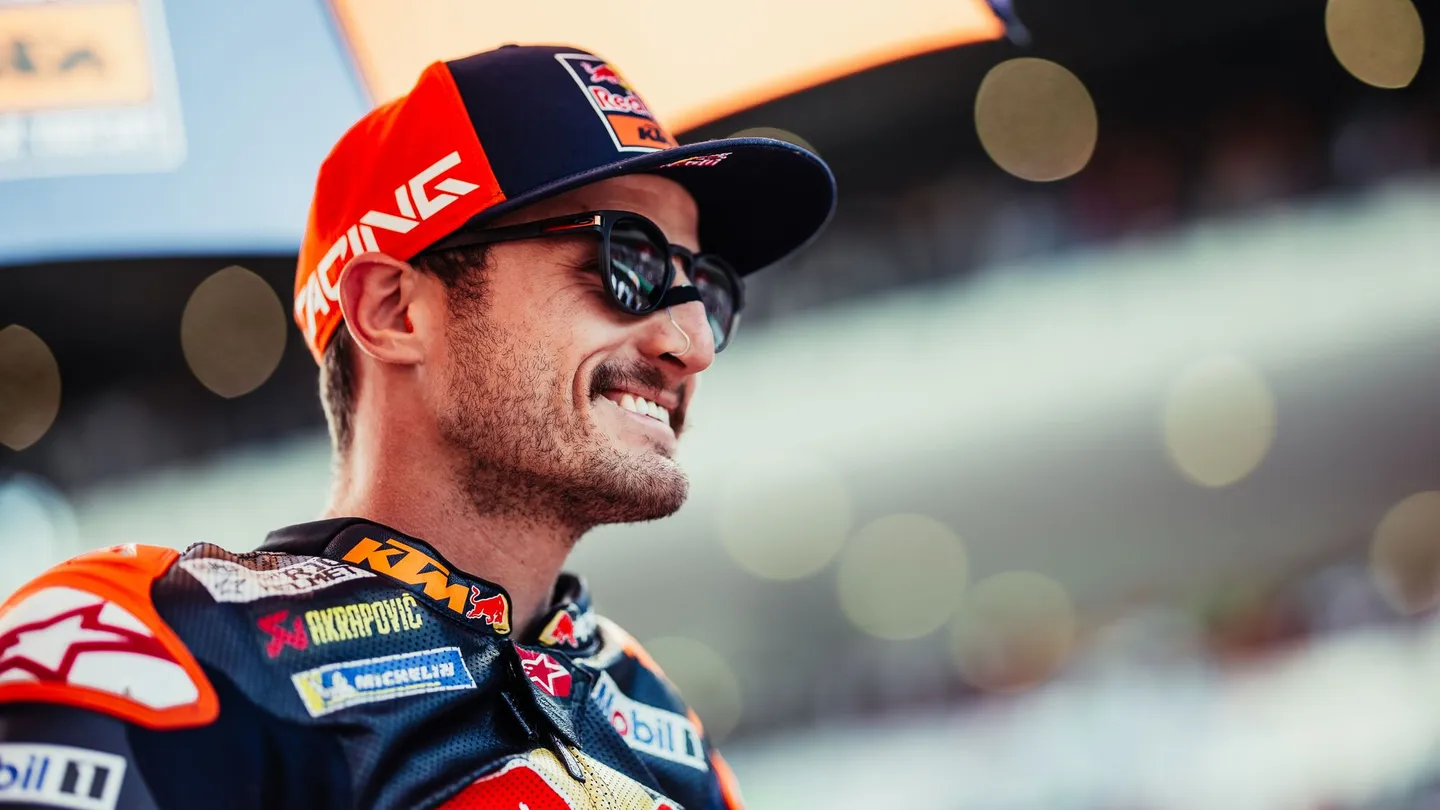
Jack Miller Signs With Pramac Yamaha For 2026 MotoGP Season In Bold Career Move
A Surprise Shift in the Rider Market The 2026 MotoGP rider market has also taken a turn of drama with the announcement that Jack Miller will be joining Pramac Yamaha. The Australian rider, who has a violent style and is not afraid of anything, will switch after a stint with KTM. The news has immediately elicited a debate among fans and pundits because it is a significant shift not only for Miller but also for Pramac, which is entering a new phase of collaboration with Yamaha. It is not just another contract that Miller has made. It is the reorganization of the MotoGP grid as teams and riders take their place in the next stage of the competition. To Miller, it is a new challenge and an opportunity to fit into a factory that is redefining itself. In the case of Pramac, it is an indication of ambition and the desire to be competitive when their partnership with Yamaha begins. The reason why Miller selected Pramac Yamaha. Jack Miller has been a rider who never fears making bold choices. He has spent years competing with Honda, Ducati, and KTM, but now he goes to Yamaha as the Japanese manufacturer is beginning one of its largest technical revolutions in decades. As the new V4 project is already under development, Yamaha is looking for riders who can give valuable feedback and flexibility. Miller, with his experience in various manufacturers, is the right man. It has been reported that one of the reasons Miller was drawn to the opportunity was that he would be playing a key role in the creation of the new era of Yamaha. His straightforward communication and established capacity to adjust rapidly to new equipment make him a valuable project asset. He is only 31 in 2026 and has a number of years of high-level racing ahead of him, and by joining Pramac Yamaha, he will have the platform to play a significant role in the construction of a competitive package. The Importance of Pramac to Yamaha. Pramac has been a long-term partner of Ducati, the most successful satellite team of the Italian brand. Their performances with riders such as Johann Zarco and Jorge Martin made them more than a feeder team and sometimes a real threat to factory teams. Nonetheless, the move to collaborate with Yamaha in 2026 is a response to both Yamaha and Pramac seeking to renew their grid presence and a new challenge, respectively. To Miller, this collaboration implies that he will be working with a team that has a track record of successfully operating satellites and deriving the best out of the resources at its disposal. The infrastructure and experience of Pramac will play a key role in ensuring that Yamaha accelerates its development of the new V4 engine. Journey Through MotoGP by Miller. In order to see the importance of this move, one must take a look back at the path that Miller has taken. He joined MotoGP immediately after Moto3 in 2015, without having to go through Moto2, and this immediately left many eyebrows raised but soon cemented his position as a risk-taker. His debut victory was at Assen in 2016 on a Honda, a race that was remembered as a wet-weather shambles and Miller taking no prisoners. The consistency and podium finishes came with his change to Ducati, and his ability to lead and be flexible in a factory project was made possible with his change to KTM. Miller is not necessarily the quickest across a season, but his capacity to produce performances of distinction, especially in tricky conditions, has earned him respect in the paddock. The Pramac Yamaha deal is the most recent episode in a career marked by risky decisions. Reactions From the Paddock The signing of Miller has received both positive and negative responses. His experience and toughness were recognized by fellow riders, and his style was noted by analysts as a way to help Yamaha get aggressive feedback as it switched to a V4 platform. Others doubted whether Miller could consistently compete on the front line in the later part of his career, but most felt that his will and racecraft would make him a worthy addition to the Pramac team. The move was celebrated on social media, with fans pointing out that Miller is a charismatic personality and an aggressive rider whose approach to the grid usually generates excitement no matter where he finishes. What This Means for Yamaha’s Project The move by Yamaha to acquire Miller via Pramac is a clear pointer of their approach. The factory is not only seeking raw space but also riders who can speed up development. As Quartararo is likely to remain the lead factory rider, Miller will become an important test and race-day rider in the satellite squad. His feedback will enable Yamaha to make the V4 better in actual competition, providing the factory with more information and understanding. In addition, the fact that Yamaha has Miller makes their expansion to satellite credible. The fact that the project has signed a rider with wins and podiums to his name shows that the project takes competing seriously and is not just filling the grid. The Road Ahead for Miller and Pramac Yamaha It will be a transitional season for Miller in 2026. It will never be easy to adjust to a new bike and a new manufacturer, and the first races will probably be problematic. Nevertheless, the strength and perseverance of Miller have been witnessed over the course of his career, and he will take the project with the same boldness that has characterized him. In the case of Pramac, the goal will be to rapidly build a good working relationship with Yamaha and become part of the development structure of the factory. Should the collaboration work, Pramac might find itself fighting on podiums once again and contribute significantly to the fortunes of Yamaha. Conclusion The decision of Jack Miller to sign with Pramac Yamaha in 2026 is one
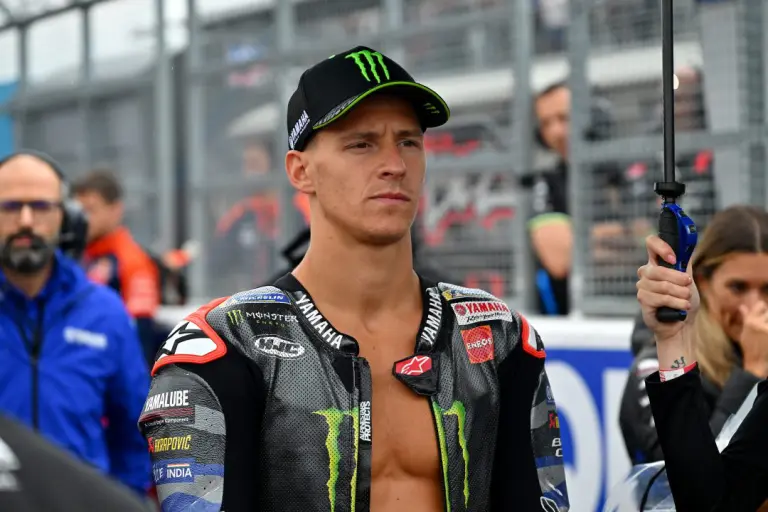
Fabio Quartararo Set to Test Yamaha’s New V4 Engine in Barcelona
A Critical Moment for Yamaha and Quartararo The Yamaha will be ready to introduce its new V4 engine at Barcelona, and Fabio Quartararo will soon have one of the most significant tests of his MotoGP career. Yamaha has long been characterized by its inline-four design, but in a world where Ducati, Aprilia, and KTM have ruled with V4 engines, the Japanese company has decided to take a radical step. The French rider, who has frequently criticized the shortcomings of the current Yamaha bike, is now charged with the task of testing a project that may define the future of the team. Barcelo is not just a regular testing ground. The Circuit de Barcelona-Catalunya has a combination of long straights, high-speed corners, and heavy braking zones and is a perfect location to test the performance of the new engine under actual MotoGP conditions. In the case of Quartararo, who has been having problems with straight-line speed relative to his competitors, this test may represent a turning point. Why the Switch to a V4 Matters One of the biggest technical changes in the history of MotoGP is the move by Yamaha to abandon its traditional inline-four design. Yamaha has decades of experience with the inline-four, which provides smooth power and cornering stability. But in the recent seasons, the pure might and speed of the V4 machines have made Yamaha riders wage an uphill battle on straights. Yamaha wants to bridge the performance gap by moving to a V4 design. It is not just a matter of horsepower but also of making the bike better at accelerating out of corners and overall balance compared to the Ducati and KTM. Quartararo, who has long been urging Yamaha to modernize, has been frank about his frustrations but has also been encouraging of the risk-taking spirit in the factory. The contribution of Quartararo to the future of Yamaha. Quartararo is not just a test rider in this project. He is the star of Yamaha and a former world champion, so his input will have a significant impact on the development of the V4 in the next few months. Engineers appreciate his accuracy in outlining problems and the way he can make a lot out of little setup instructions. He has already been explicit on what he expects. At the top of his list are more top speed, better acceleration, and a machine that would enable him to compete on a level playing field in wheel-to-wheel competition. Barcelo will provide him with a preliminary idea of whether the new engine will be able to meet those requirements. In the case of Yamaha, it is equally important that Quartararo is convinced of the project as much as the raw figures of the test. The Dilemma of Nonconformity. The shift to V4 is also a cultural and technical challenge to Yamaha. Yamaha does not have as much recent experience with this configuration as Ducati and KTM. To create a competitive MotoGP V4, it is necessary to consider the character of the engines, electronics, and even the design of the chassis. The learning curve is high, and initial failures are expected. Nevertheless, Quartararo has emphasized that he will be patient provided that the signs are encouraging. He knows that it will take time to develop a race-winning package off the ground, but he also knows that Yamaha cannot afford to wait. The MotoGP grid is more competitive than ever, and the time to make up is running out. Competitors respond to the audacious move by Yamaha. The MotoGP paddock has not been slow in responding to the Yamaha V4 test news. Ducati riders who have had a reign of terror have confessed that they are wondering how fast Yamaha can learn. Aprilia rider Aleix Espargaro said that it had to be done, and KTM rider Brad Binder said that a switch to a V4 engine was the only viable option to be able to compete at the highest level. Even the opposing riders have admitted that a more powerful Yamaha will be a plus to the sport. Quartararo is still among the most popular drivers on the grid, and his potential to compete on podiums and win races makes the fans excited. Should the V4 perform, the championship dynamic may change significantly. What to Expect in the Barcelona Test. It is never easy to test a new engine. Quartararo will concentrate on some of the most important areas in the Barcelona sessions. Direct speed will be calculated with caution and compared to the present package of Yamaha. Another important measure will be acceleration out of the slow corners, where he tends to lose out to Ducati riders. The effect of the new power delivery on tire wear and general stability will also be assessed by engineers. Quartararo is probably going to finish a set of long runs to replicate race conditions. The goal will not be the direct lap times but the consistency, rideability, and feedback. Yamaha understands that the initial test will show more issues than solutions, but that is a required move towards creating a competitive bike in 2026 and beyond. What a Victory Means to Quartararo and Yamaha. Should the Barcelona test produce promising results, it would change the atmosphere within the Yamaha garage. Quartararo has been physically frustrated in recent years and has frequently been left behind the main pack despite riding on his absolute limit. A positive test would give hope that Yamaha is determined to fight back to win championships. In the case of Quartararo himself, the stakes are high. His future with Yamaha has been the subject of many questions, and his competitors are constantly on the lookout. The obvious sign that the factory is ready to provide him with the means he needs may guarantee his long-term commitment and pre-condition another title fight. Fans Look to the Next Era. The Barcelona test is anxiously awaited by fans around the world, particularly in France and Spain, where Quartararo has a massive following.
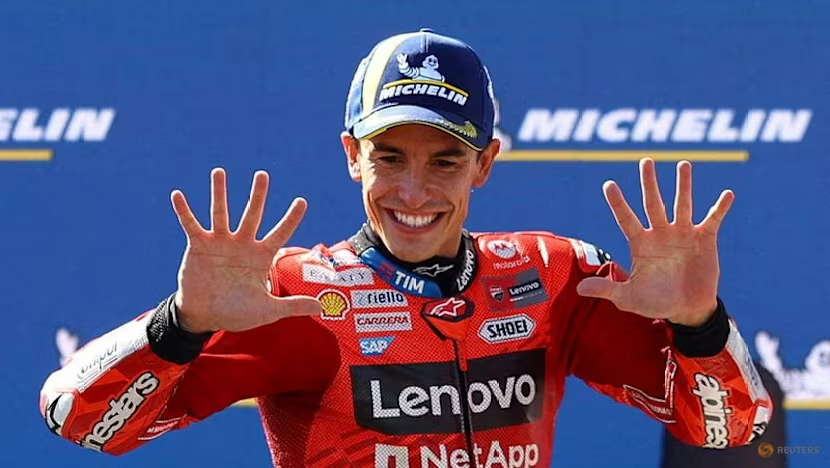
Catalan MotoGP 2025: Marc Márquez Thrills Fans With Blazing Practice Performance
Bagnaia Establishes the Barcelona Practice. The Catalan Grand Prix weekend opened with much focus on Francesco Bagnaia, and the Ducati rider did not disappoint in practice. Being the current MotoGP world champion, each time he rides there is an added burden, and in Barcelona he soon reminded the fans and his competitors that he remains the man to beat. Bagnaia was at home on the bike and was recording competitive lap times as well as appearing confident in his evaluation. His post-practice thoughts showed that this rider is not only concerned with speed but also the subtlety that is required to be successful in the Circuit de Barcelona-Catalunya. Where lap charts present one side of the story, the words of Bagnaia offered an insight into how he is looking forward to a race weekend that could be decisive in the championship picture. Why Catalonia Is a Major Destination in the Season. The Catalan GP is always an important event in the MotoGP calendar. The long straights, tricky corners, and varying grip levels in the track make it a unique challenge that challenges the rider and the machine. In the case of Bagnaia, who has already experienced his fair share of ups and downs this season, Barcelona will provide an opportunity to build momentum as the second half of the year approaches. In the past, Ducati machines have not necessarily been successful at Catalunya because the circuit requires tire control and the ability to round corners. However, in recent seasons, Ducati has made progress in its overall balance, which has brought that gap closer. Bagnaia admitted this, noting how the bike is so much more competitive than it has been in previous years. Now his problem is to carry practice pace into regular race-day performance. Bagnaia, Honest Assessment After Practice. After the session, Bagnaia was honest regarding his performance. He pointed out that the team was testing with setup changes to manage the infamous rear tire wear of the circuit. The champion acknowledged that one-lap speed was good, but the real challenge would be to control grip during long runs. His remarks were those of a rider who understands that the battle in Barcelona is hardly ever about sheer speed. He also commended the engineers at Ducati who had kept giving him a package that could adapt to different conditions. Bagnaia emphasized that he is confident that he is in control on the bike, which will play a critical role in preventing errors when pressured. His framing of the practice indicated that he is already thinking strategically and not just celebrating a fast lap. Competitive pressure increases. Bagnaia did not perform his practice in vain. Riders such as Jorge Martin, Marc Marquez, and Fabio Quartararo are all in the mix, and each of them has their own advantages in a circuit where slipstreams and late braking might be the key. Bagnaia recognized the intensity of the competition, saying that even minor mistakes would move positions radically. The weather and tire wear are what make the Catalan GP especially unpredictable. Track temperatures can be very high, and preserving rubber is a fine balancing act. The competitors of Bagnaia will be keen on whether his Ducati setupwill be able to sustain the speed over a race distance. The Champion Mindset in the Future. Composure under pressure has been one of the distinguishing characteristics of Bagnaia. He does not easily allow frustration to distract his concentration even when things have not worked in his favor. His post-Catalan GP practice comments solidified that composed, procedural style. He did not talk about early pace but rather about learning through data, getting the balance just right, and making sure that the bike performs in qualifying and the main race. It is this attitude that has enabled him to become the best in MotoGP. Bagnaia realizes that to win championships is not to conquer every practice session but to be smart with weekends. Barcelo, with its difficult dynamics, requires precisely such a mentality. Fan Buzz and Build Up Anticipation. In Barcelona the fans were very welcoming of the arrival of Bagnaia, and social media buzzed with excitement over his early form. His consistency and the way he adjusted the Ducati to a track that initially appeared hostile to the bike were praised by his supporters. Others also pointed to the possibility of another exciting duel between Bagnaia and Martin, which has become one of the most interesting storylines of the season, unobtrusively. The fact that Márquez is back to a track where he has already tasted success is an added bonus to the weekend as far as Spanish fans are concerned. But despite that buzz, the calm and confident judgment of Bagnaia, after practice, set him squarely in the limelight. What’s at Stake in Barcelona The Catalan GP may be vital in determining the fight in the championship. At the top, with point margins being minimal, each outcome is significant. Bagnaia is aware that one slip will give Martin or another competitor the upper hand. His controlled style of practice indicates that he is planning a tactical battle and not just counting on the horsepower of Ducati. The history of Barcelona demonstrates that unexpected outcomes can always happen. This can be contributed to by tire degradation, overtakes during the late race, and interventions of the safety car. Bagnaia emphasizing long-run performance demonstrates that he is planning precisely for such situations. Conclusion The comments and performance of Francesco Bagnaia following the practice at the Catalan GP provided an insight into how a reigning champion thinks and wants to remain on top. Bold yet wary, fast yet tactical, he knows the special needs of the Barcelona circuit and the stress of competitors who want to push him off his throne. By the sound of what he says, Bagnaia is not making practice a victory lap but a rehearsal of the hard battle ahead. As Ducati is on a stronger than ever footing and the championship stakes continue to escalate,
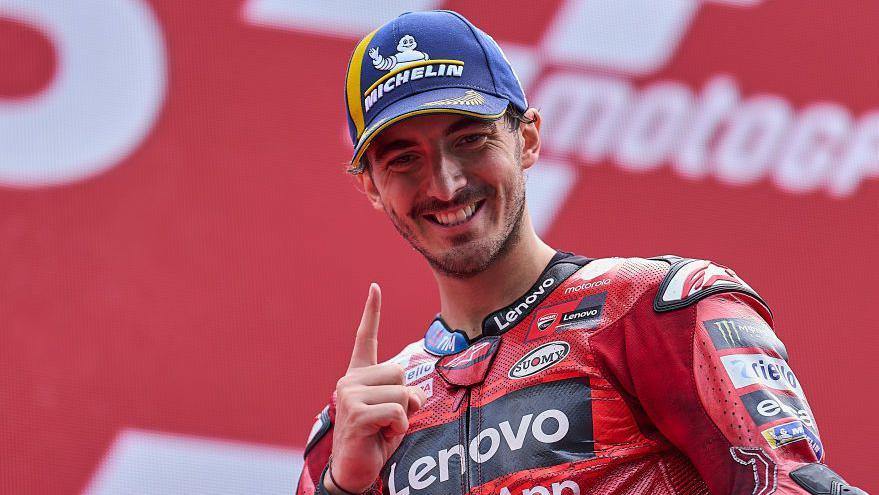
Francesco Bagnaia Speaks Out After Catalan GP Practice As Ducati Star Eyes Momentum
Bagnaia Establishes the Barcelona Practice The Catalan Grand Prix weekend opened with a lot of focus on Francesco Bagnaia, and the Ducati rider did not disappoint during practice. Being the current world champion in MotoGP, each time he rides, there is extra pressure on his performance, and in Barcelona he was quick to remind his fans and competitors why he remains the man to beat. Bagnaia seemed at home on the bike, and he was recording competitive lap times, as well as sounding confident in his evaluation after the lap. His post-practice thoughts showed him to be not only a speed-oriented rider but also one who understands the finer points that are required to be successful in the Circuit de Barcelona-Catalunya. Where lap charts present one side of the story, the words of Bagnaia gave an insight into how he is heading into a race weekend that could be decisive in the championship picture. The reason why Catalonia is a major destination during the season The Catalan GP is always important in the MotoGP calendar. The lengthy straights, winding turns, and varying grip levels in the track present a special challenge to both the rider and the machine. In the case of Bagnaia, who has already experienced his fair share of ups and downs this season, Barcelona presents an opportunity to keep the momentum going into the second half of the year. Traditionally, Ducati machines have not necessarily been successful at Catalunya because the circuit requires tire control and cornering. However, in recent seasons, the overall balance of Ducati has improved and helped close that gap. Bagnaia admitted this, noting how much more competitive the bike is now than in previous years. To him now the difficulty lies in translating practice pace into steady race-day work. The Honest Assessment After Practice by Bagnaia After the session, Bagnaia was open about his performance. He highlighted how the crew was testing with setups to deal with the notorious rear tire wear on the circuit. The champion acknowledged that one-lap speed was good, but the real test would be how to maintain grip during long-distance running. His remarks were those of a rider who understands that the battle in Barcelona is seldom about blistering speed alone. He also complimented the engineers at Ducati because they had still offered him a package that could adapt to different conditions. Bagnaia emphasized that he feels in control on the bike, which will be important in preventing errors under pressure. His framing of the practice indicated that he is already thinking strategically, as opposed to merely celebrating a quick lap. Competitive pressure increases Bagnaia did not escape notice by his nearest rivals by his performance in practice. Riders such as Jorge Martin, Marc Marquez, and Fabio Quartararo are all still in the mix, and each of them brings their own strengths to a track where slipstreams and late braking could be the difference. Bagnaia recognized how intense the competition was, where a single misstep would swap places drastically. The combination of the weather and tire wear is what makes the Catalan GP especially unpredictable. Track temperatures can be very high, and saving rubber is a fine balancing act. The competitors of Bagnaia will be keen to know whether his Ducati arrangement can sustain speed throughout a race distance. The Mindset of the Champion in the Future Composure under pressure has been one of the characteristics of Bagnaia. He does not easily allow frustration to distract his concentration even when things have not worked out in his favor. His post-Catalan GP practice comments supported that cool, procedural style. He talked of learning through data, refining the balance, and getting the bike to work in qualifying and the main race, rather than celebrating early pace. It is this attitude that has seen him become the best in MotoGP. Bagnaia realizes that championships are not won by controlling every practice but by controlling weekends wisely. Barcelo, with its difficult dynamics, requires just that mentality. Fan Buzz and Builds Anticipation Barcelo fans were delighted with the arrival of Bagnaia, and social media was soon buzzing with excitement over his early form. His consistency and the way he managed to make the Ducati fit a track that previously appeared hostile to the bike were praised by his supporters. The possibility of another exciting duel between Bagnaia and Martin also was emphasized by many, and it has become one of the most interesting storylines of the season. The bonus of seeing Marquez back on a circuit where he has already been successful is an added bonus to the weekend for Spanish fans. But through all that buzz, Bagnaia stood squarely in the limelight with his calm and confident judgment after practice. What’s at Stake in Barcelona The Catalan GP may be decisive in the championship battle. With the margins of points being minimal at the top, each outcome has a significant weight. Bagnaia is aware that one slip can give Martin or any of the other competitors the upper hand. His cautious attitude to practice indicates that he is training to fight a tactical battle and not just to use the horsepower of Ducati. The history of Barcelona demonstrates that unexpected outcomes can always happen. It can be caused by tire degradation, overtaking in late races, and interventions of the safety car. Bagnaia is thinking about long-run performance, and this indicates that he is planning precisely for such situations. Conclusion The comments and actions of Francesco Bagnaia following practice at the Catalan GP provided a glimpse of the psyche of a current champion who was keen on remaining ahead. Self-confident yet wary, fast yet tactical, he knows the special needs of the Barcelona circuit and the stress of his competitors who want to push him off his throne. By the look of it, Bagnaia is not having practice as a victory lap but as a preview of the brutal battle that lies ahead. As Ducati is at its best and the championship
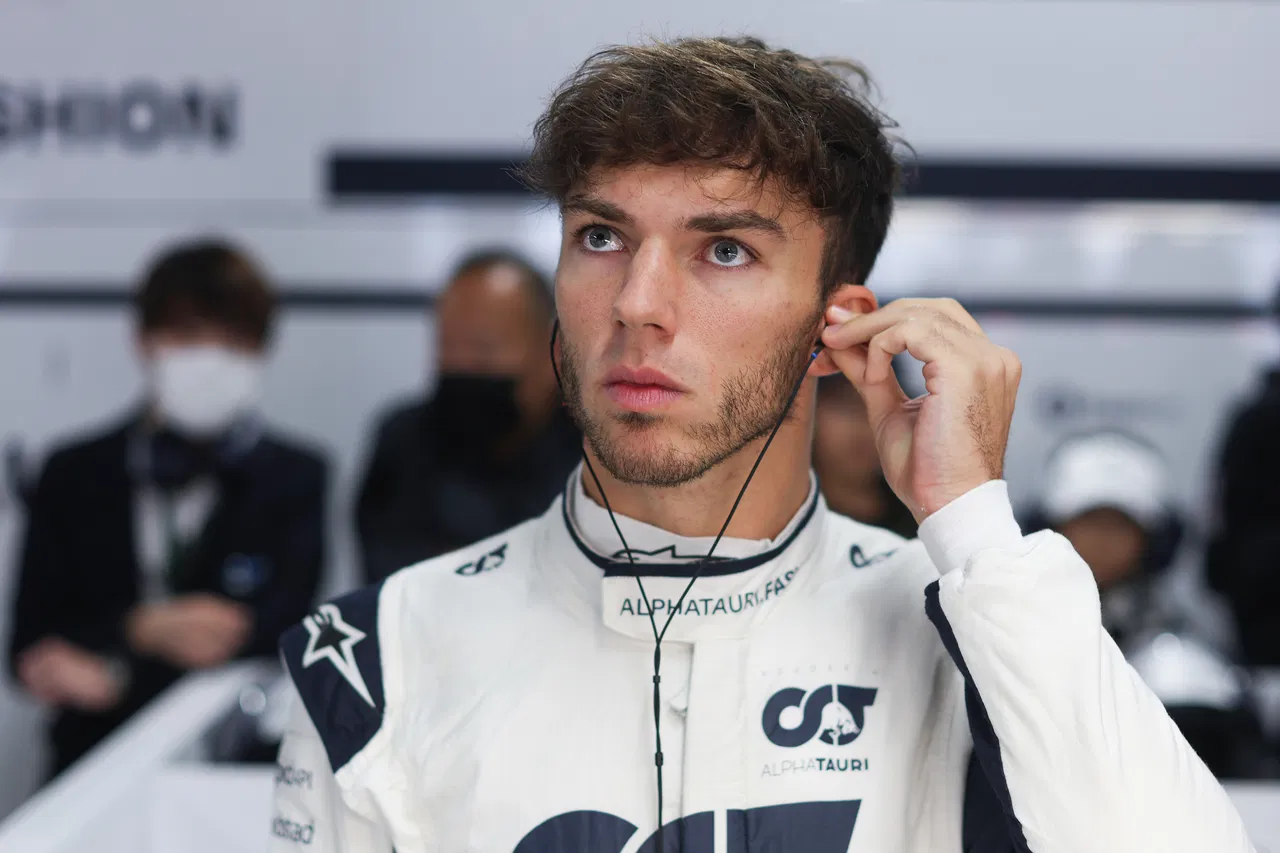
Pierre Gasly Commits Future To Alpine With New Deal Running Through 2028
Alpine Signs Gasly on Long-Term Contract. Alpine has secured Pierre Gasly for the next stage of its Formula 1 project, ensuring that the Frenchman has signed a contract extension that will keep him at the Enstone-based team until the end of 2028. The announcement represents a significant investment by both driver and team in a period where both are in need of long-term security in a fast-evolving F1 environment. Gasly, a former AlphaTauri driver who joined Alpine in 2023, has been a consistent figure in a car that has not kept up with the leaders. The fact that he decided to stay on is an indicator of faith in the project, despite Alpine going through leadership transitions, technical restructuring, and intense competition in the midfield. To a driver who has known the heights of a Grand Prix victory and the depths of being pushed out of Red Bull, the new deal is a display of loyalty and an opportunity to influence the future of Alpine. The extension of Gasly to Alpine is a big deal. In contemporary Formula 1, continuity may be as useful as brute velocity. In recent years, Alpine has experienced a high turnover of drivers in its lineup, with Fernando Alonso, Daniel Ricciardo, and Esteban Ocon all coming and going. The team is sending a strong message by signing Gasly up to 2028 that it is constructing around a driver who has experience, maturity, and a proven race-winning capability. Gasly does not only come with driving talent. Engineers treasure his technical feedback, and his reputation as a team player makes him an asset in a garage that has occasionally had internal harmony problems. As Alpine seeks to bridge the gap between them and other cars such as McLaren, Mercedes, and Ferrari, a competitive and collaborative driver may be significant. This Decision Is Shaped by Gasly’s Career Arc. The Formula 1 career of Gasly has been characterized by tenacity. His career seemed to be stagnating after being advanced to Red Bull in 2019, only to be relegated to Toro Rosso a few months later. Instead, he replied with one of the most uplifting comebacks of the time, which was topped by his memorable victory at Monza in 2020. Not only did that victory rejuvenate his career, but it also established him as a driver who was able to take chances in a pressure situation. His transfer to Alpine was perceived as a clean sheet, an opportunity to develop with a factory-supported team instead of languishing in the junior system at Red Bull. The fact that Gasly signed to stay until 2028 demonstrates that the Frenchman views Alpine as a permanent residence and not a stepping stone. It is also indicative of his confidence that the team, with the support of Renault, has the means to become a regular contender. The State of Alpine The Future. The road to Alpine has not been smooth. The team has suffered leadership upheavals, the most prominent of which is the change in team principals and technical direction. Track performance has been inconsistent, with bursts of competitiveness being punctuated by inconsistency. However, the long-term strategy is ambitious—podiums, victories, and a challenge to a championship. The extension of Gasly means that Alpine has sold him their vision. The French outfit is out to ascend the competitive ladder with new technical staff on board and further investment in facilities. In the case of Gasly, signing a contract through 2028 implies that he would like to be included in that increase, not merely be a beneficiary of it should it occur. The Implication of This on the Driver Market. Formula 1 driver deals are never in isolation. Alpine has in effect taken Gasly off the market by tying him down until 2028, when numerous top seats may be available. Mercedes, Red Bull, and even Ferrari might have vacancies until 2028, yet Gasly has decided to trust Alpine rather than seek a questionable opportunity elsewhere. This choice also determines the long-term strategy of Alpine. The future of Esteban Ocon, the current teammate of Gasly, is less obvious. Ocon has a shorter deal, and there is still speculation as to whether he will remain or not. Should Alpine choose to match Gasly with a younger talent in the future, Gasly will be the team leader, leading the project with years of experience. Fans React to the News There have been mixed reactions to the extension of the contract, but mostly positive. His loyalty and his desire to dedicate himself to a project instead of trying to find a fast success elsewhere are appreciated by many of his fans. They see him as a driver with unfinished business, as someone who has the appetite to lift a team instead of merely fitting in as an established championship player. Some doubt that Alpine will actually follow through on its promises. Skepticism persists after years of discussing progress but seldom making it to the highest level. To these fans, the move by Gasly is a gamble, gambling on a team that has not yet demonstrated its ability to consistently compete with the elite. The Bigger Picture of French Motorsport. The extension of Gasly is also cultural. Being a French driver in a French-sponsored team, he reinforces the image Alpine is trying to create. French fans now have someone to look up to in the long term, particularly as the sport gains more international coverage. A French driver in a French car pursuing podiums and wins has a symbolic meaning that is in line with the aspirations of the brand. Conclusion The new agreement between Pierre Gasly and Alpine until 2028 is not just a contract. It is an investment in a dream, a bet on the future, and a statement of devotion when Formula 1 careers can turn in any direction. In the case of Alpine, it is a well-deserved dose of stability and an opportunity to create a future around a proven winner. To Gasly, it is a leap
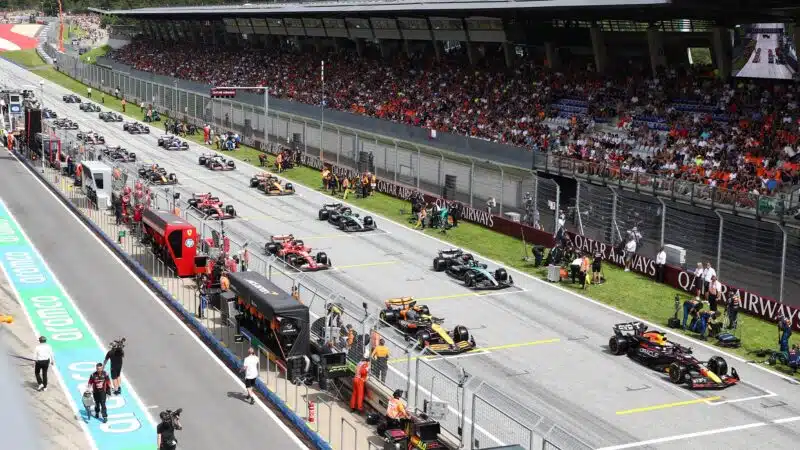
F1 Shuts The Door On New Teams After Cadillac Joins For 2026.
An audacious declaration by Formula 1 management. Formula 1 has never been a table sport. Teams have been formed and disbanded over the decades, yet the grid has generally remained close. With Cadillac now assured to be in the championship in 2026, F1 bosses have been categorical that no other teams will be admitted in the foreseeable future. The message is blunt. The grid is occupied, and there is no space left. Cadillac’s Big Breakthrough The official partnership between Cadillac and Andretti Global is a years-old headline story. The American brand struggled to establish itself, with resistance by F1 and doubt by current teams over revenue sharing. Cadillac has made its mark despite the obstacles, and the news was met with a historic move. The grid is going to have a new name, the first time it has had one since Haas joined in 2016. The relocation indicates the increasing interest of F1 in the American market. The United States has also become one of the most profitable regions of the sport with races in Miami, Austin, and Las Vegas and the success of Drive to Survive. The inclusion of Cadillac will guarantee American fans not only races. They receive a homegrown team and a major automotive brand behind it. Why F1 Is Closing the Door Now It is not surprising when you look at the business side of the decision to cease further entries after Cadillac. The prize money pool is shared among participants, and each F1 team has a stake in it. More teams imply less of the pie. The current ten outfits have been complaining that the entry will dilute the value of their operations. The management of Formula 1 appears to concur. They create a balance by letting Cadillac in and closing the door later. The championship receives the publicity and expansion of a high-profile new entrant but does not face a deluge of new entrants that would overstretch resources. F1 management has always been characterized by stability, and this decision represents that attitude. What It Means to Future Teams. Other interested projects will be disappointed by the green light that Cadillac will receive. Other car manufacturers have been rumored to consider the possibility of joining, particularly with the 2026 engine regulations providing sustainable fuels and a renewed emphasis on hybrid power. However, with F1 bringing the line, the dreams might never make the grid. Other groups may still attempt to join through purchasing the current outfits. That is the conventional route in F1, and teams are frequently sold and rebranded. The Cadillac case demonstrates the difficulty of entering as a newcomer. The only real way into the sport is to buy an existing seat, unless F1 alters its position. Why Cadillac Made the Cut One might wonder why Cadillac was able to do what others failed to do. The solution is in a combination of time, political pressure, and market value. F1 is aware that in order to enter the American market, it will not be enough to host races. Fans want representation. A team of Americans and an American manufacturer offer just that. Andretti was a name in itself. Michael Andretti has been lobbying to enter his team into F1. His perseverance, coupled with the corporate might of Cadillac, provided the project with a sense of legitimacy that other applicants did not have. Simply put, it was the heritage plus money at the right time. Impact on the Current Teams The decision by F1 will come as a relief to the current teams. The majority of them did not even want Cadillac to enter in the first place, as they claimed that the championship is already financially balanced with ten outfits. They lost that battle, but they have now won the bigger war. They are able to proceed because the grid will not continue to expand. This clarity is crucial in the case of smaller teams such as Williams or Haas. They are already finding it hard to compete with such giants as Mercedes and Red Bull. Their final requirement was an increase in competition in terms of sponsorship and resources. The door is now locked, and they can concentrate on getting better without worrying about other competitors. The Fan Perspective This decision will have mixed feelings on the part of the fans. On the one hand, the entry of Cadillac will bring new vitality, new branding, and the prospect of an American driver making a splash in F1. That is thrilling, particularly to U.S. audiences who have long desired a more powerful presence. Conversely, the fans who expected more new teams might be disappointed. Variety is also a question. Additional teams usually imply additional narratives, additional competitions, and additional uncertainty. F1 runs the risk of appearing too exclusive by shutting the door. The game is built on drama, and having fewer opportunities to introduce new players may limit its capacity to shock. Formula 1: Bigger Picture. On a larger scale, this action demonstrates the priorities of F1. It is not so much about opening the gates to as many participants as possible but rather safeguarding the value of what is already there. The teams are now worth hundreds of millions, with some valued over a billion. F1 maintains high demand by reducing supply. This is not just about sport. It is about business. Formula 1 is owned by Liberty Media, which has transformed the championship into a world entertainment product. The main aspects of that model are stability and scarcity. Cadillac would fit the story, but having too many new teams would make it too complicated. Summary: The Door Closed, but a New Chapter Opened. Formula 1’s stance is clear. Cadillac is the in, and the out is everybody. That is disappointing to others, particularly those who hoped to see a larger, more open grid. To others it is comforting, maintaining the financial well-being and exclusivity that F1 is known to possess. What must not be disputed is that the entry of
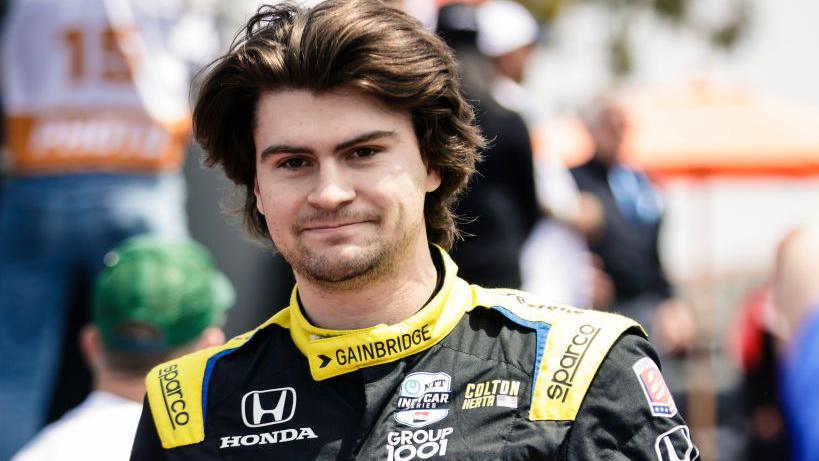
Colton Herta Shocks F1 World by Joining Cadillac As Test Driver
Unexpected news that turns the grid upside down. A big shock to Formula 1 fans this week was the announcement that Colton Herta, the American IndyCar driver, is joining Cadillac in its F1 project as a test driver. The news was felt on both sides of the Atlantic, as one of the brightest names in IndyCar was united with one of the most ambitious F1 entrants in America. To Herta, it represents a longtime dream of his to make it into Formula 1. In the case of Cadillac, it is a strong message that their F1 program is not about presence but about serious intent. Herta’s Long Road to Formula 1 Herta has been banging on the F1 door. His name first came into the limelight when Andretti attempted to get him a seat when it was bidding to join the sport but was barred by the FIA superlicense points system. Although he was talented and successful in IndyCar, his performance was not good enough to secure an F1 seat. That left a lot of fans, especially in the United States, feeling frustrated that one of their own was not at the top of the motorsport. Now the road to Formula 1 is moving again with Herta. Being hired by Cadillac as a test driver will provide him with firsthand experience of the technical aspects of the sport, the opportunity to collaborate with engineers on an elite level, and the possibility of demonstrating that he can be on the grid. Although it is not a surety of a race seat, it is the closest he has ever been to one, and at a time when Formula 1 is enjoying a surge of popularity in the U.S. Cadillac’s Bold F1 Gamble The F1 project by Cadillac has been among the most discussed projects in the last few years. Together with Andretti Global, the legendary American brand is looking to cut a niche in a sport that has traditionally been dominated by European powerhouses. Formula 1 has already shown resistance to the team, and the team is not keen on including an eleventh team on the grid, yet Cadillac has not relented. Cadillac is sending Herta a message by taking her on board that it is not just serious about being able to compete but also about establishing a distinctly American identity in Formula 1. The combination of an American driver and an American brand might be the recipe that will finally help F1 to connect with U.S. audiences in a manner it has never done before. Why Herta Is a Cadillac Vision. The fact that Herta signs is logical on several levels. First, he is quick– scalding quick. This skill to cope with the challenging circumstances in IndyCar has made him be respected by his peers and fans. Second, he’s young. He is only 24, so he has time to become a Formula 1 driver should the opportunity arise. And third, he’s marketable. F1 has been working hard to establish its fan base in America, and Herta, with his Californian background and IndyCar experience, is precisely the type of personality that can resonate with that fan base. The F1 program has never been about racing alone but the creation of a brand narrative that is felt worldwide. They have Herta, who symbolizes ambition, risk-taking, and the new generation of American motorsport talent. Challenges Ahead for Herta Naturally, the relocation does not come without its difficulties. It is not just a matter of changing cars to transition to Formula 1. The driving styles, technical feedback requirements, and physical demands are all dissimilar. IndyCar depends on raw talent and flexibility, whereas Formula 1 demands extensive technical expertise and accuracy in collaboration with engineers. Herta will be forced to demonstrate that he is capable of not just delivering lap times but also giving the type of feedback that will help build a competitive car. His job as a test driver will be less about showmanship and more about behind-the-scenes simulator work, data analysis, and long hours of helping the engineers figure out what the car needs. It is not glamorous, but it is necessary, and it will provide him with a crash course of what life inside Formula 1 is like. How This Impacts the U.S. F1 Boom This announcement could not be timed more appropriately. Netflix has made Formula 1 a massive hit in the U.S. with Drive to Survive and new races in Miami, Las Vegas, and Austin. However, what fans have been lacking is a real American presence on the grid. Williams represents the country in 2023 with Logan Sargeant, but Herta has a different type of star power. His success in IndyCar and his status as one of the most promising young drivers in the U.S. make him a possible game-changer in the American expansion of F1. Should he one day land a race seat with Cadillac, the sport might experience a new wave of fans who will finally feel represented by a competitive American team and a driver. The Wider F1 Reaction The paddock reaction has been skeptically positive. Others view the arrival of Herta as a long time coming and note that his talent has been suppressed by red tape. Others are less convinced, pointing out that the transition between IndyCar and F1 has been harsh on several drivers in the past. Nevertheless, the idea that Herta is coming on board via Cadillac as opposed to being parachuted into an established team makes the transition seem more natural. Even Cadillac is in the limelight. Its F1 entry has not gone without criticism, with skeptics raising questions as to whether an eleventh team is necessary. However, actions such as the signing of Herta indicate that Cadillac is not afraid to put its money and reputation where its mouth is. It is not simply a matter of entering Formula 1 but doing it the American way so that it is different. Summary: A Fresh Start between Herta and Cadillac.
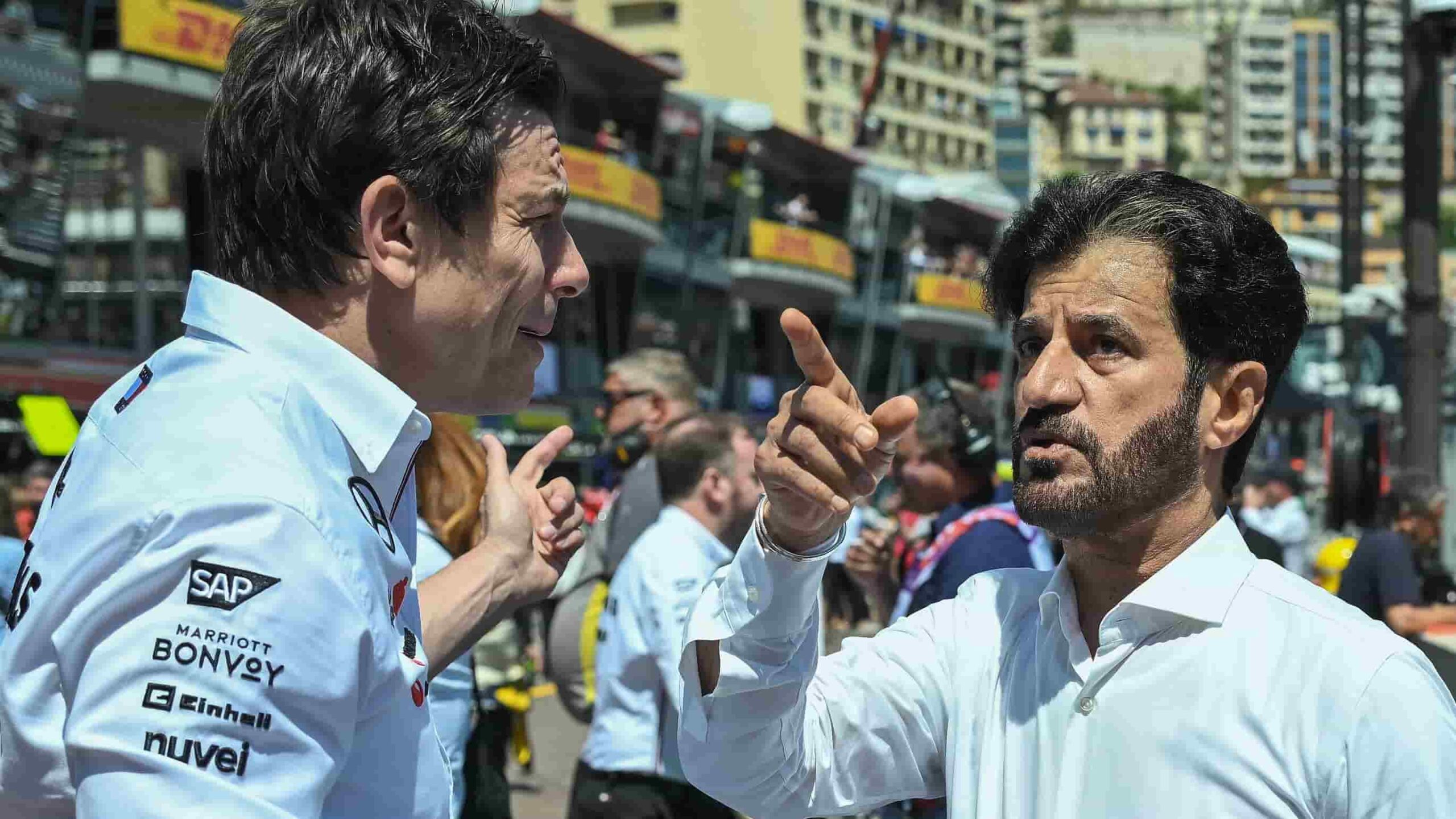
FIA Drops 2029 Engine Change Plan: What It Means For Formula 1’s Future
A Big U-Turn From Motorsport’s Governing Body Engine debates have not been new to Formula 1. Any change in regulation attracts controversy, not only defining the future of the sport but also the future of technology in road cars. This is why the recent news was so unexpected: FIA President Mohammed Ben Sulayem has given up the idea to launch an all-new engine formula in 2029. The move brings an end to months of speculation on the possibility of a reset in the technical roadmap of the sport. To teams, fans, and manufacturers, the relocation has massive consequences, not just in terms of performance but also in the identity of Formula 1 as it strives to become sustainable. Why the 2029 Plan Was on the Table The initial concept of a 2029 engine swap was included in the larger initiative of Formula 1 to remain viable in a world that is increasingly shifting towards greener technology. The introduction of hybrid engines in 2014 changed everything, but critics claimed that they were costly, complex, and did not necessarily provide the spectacle fans desired. By the mid-2020s, there were already debates about whether a new formula could make technology simpler and meet global climate ambitions. The 2029 concept was said to have involved the potential of completely sustainable fuels, less expensive power units, and even a shift towards the less complicated hybrid systems in use today. Manufacturers were divided on the question. Others were excited by the opportunity to demonstrate innovation, and some feared the cost and the danger of disrupting the competitive order. The reasons why the FIA abandoned the idea. So why the sudden reversal? The FIA seems to have resolved that stability is more preferable. Months of deliberation led to the realization that adding another engine reset only four years after the 2026 rules might upset the delicate balance in the sport. The 2026 power units will already operate on 100 percent sustainable fuels and have a higher focus on electrical power. That shift can be regarded as a giant leap. Requesting teams and manufacturers to make another overhaul so early was a risk to the stakeholders and would drive the costs to the sky. And there is a practical reality involved. Formula 1 has been trying its best to entice new manufacturers, and Audi will be a part of it in 2026. Others, such as Ford (with its Red Bull deal), have done so as well. Introducing another significant rulebook change by 2029 would have scared them away and reversed years of progress. Simply put, the FIA knew that stability is confidence, and confidence is what Formula 1 must have to retain its new partners. Reactions of Teams and Manufacturers. The reaction was positive, and teams were quick to react to the announcement. Long-time engine suppliers Mercedes and Ferrari were relieved that resources could now be concentrated on making the most of the 2026 regulations instead of preparing another overhaul. Red Bull, which is setting up its own power unit division in partnership with Ford, also embraced the clarity, as the massive investment in infrastructure will not be rendered obsolete in three years of being online. It was also noticed by manufacturers not in the sport. Formula 1 is more appealing to new entrants due to stability. A reset in 2029 would have caused the sport to appear unpredictable and risky to companies looking to make a commitment in the future. The timeline is now more realistic, allowing all involved to have time to build and demonstrate sustainable technologies without the fear of another big shake-up looming. What This Means for the Fans To fans, the move may not be as exciting as a promise of a new formula, but in a lot of ways, it is good news. The constant changing of the rules usually results in imbalanced championships where a single team plays years ahead of others. By not resetting again so soon after 2026, Formula 1 will have an opportunity to make the field closer and the competition healthier. The identity of the sport is also of concern to fans. Although there have always been purists who wanted louder, simpler engines such as the old V8s or V10s, Formula 1 has now made it clear that its future is hybrid and sustainable technology. By not pursuing another redesign but instead remaining with the next 2026 structure, the sport remains consistent in its message: Formula 1 is about the cutting-edge innovation that represents the direction the car industry is taking. The Future of Formula 1 through The Bigger Picture. The cancellation of the 2029 plan also brings into focus the balancing act Formula 1 is going through. On the one hand, it needs to be more sustainable and demonstrate that it is applicable in the world where electric cars become more widespread. On the other, it needs to maintain the spectacle. That is a fast car, exciting fights, and engines that still are exciting. The sport appears to feel that the 2026 regulations find that balance. They check most of the boxes with sustainable fuels, more electrical power, and lower costs. The 2029 reset should be abandoned not because it is a failure to make progress but because it is realistic and affordable progress. It is a sensible step, one that indicates Formula 1 is not only pursuing headlines but is also thinking long-term in terms of stability. Summary: Stability Versus Uncertainty. When the FIA announced it would cancel its 2029 engine change plan, it was a significant event in the history of Formula 1. Rather than another disruptive change in regulation, the sport has opted to maintain stability, with the next generation of 2026 power units to shape the next generation without disruption. To teams, manufacturers, and fans, it comes as a refreshing dose of predictability in a world that can seem to be dominated by change. Some may be sad to see a new set of rules go, but the fact is that
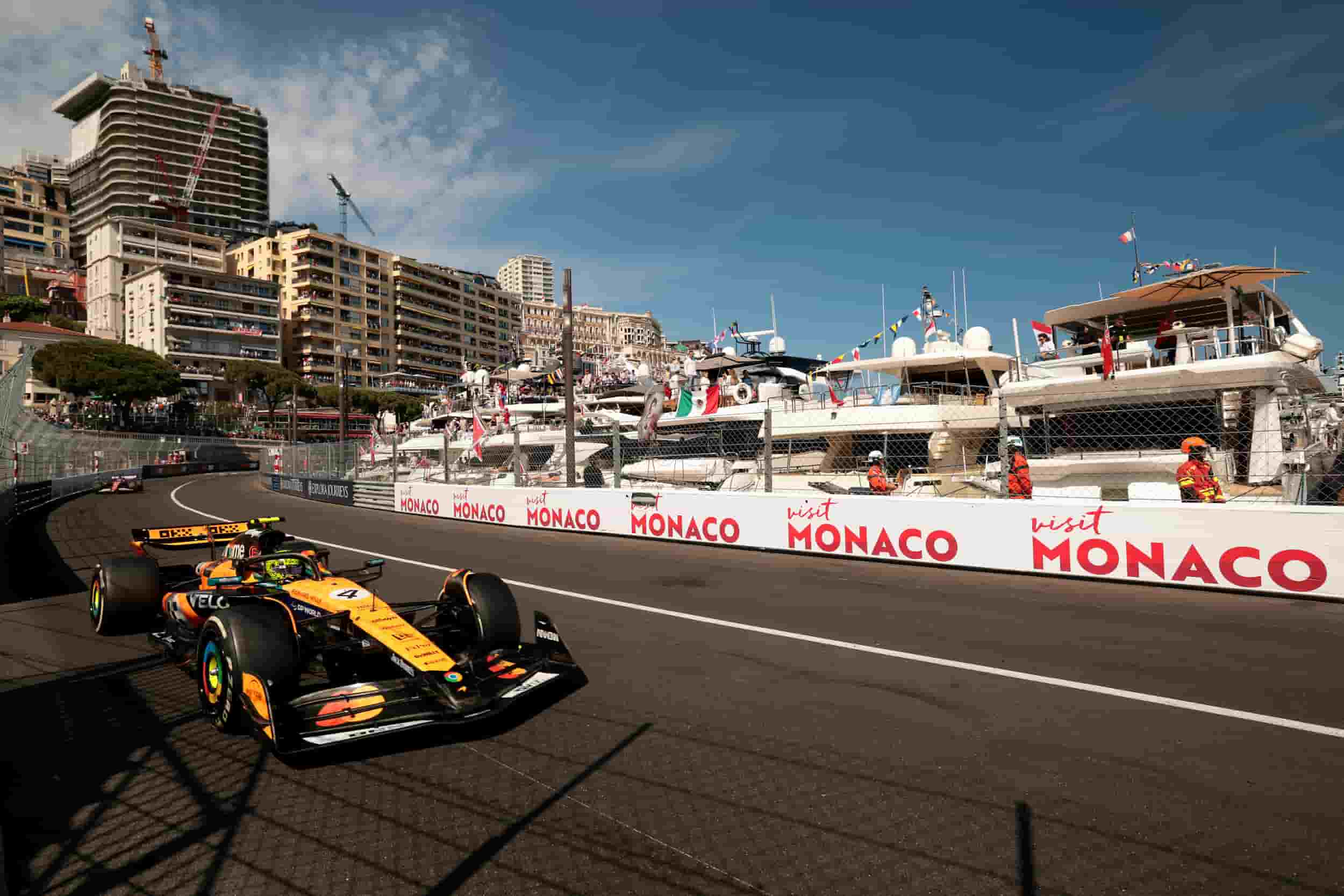
Monaco Grand Prix Secures Future until 2035: Why F1 Can’t Afford to Lose Its Crown Jewel.
The role of Monaco in Formula 1 history. There is hardly a sporting event in the world that has the same aura as the Monaco Grand Prix. This race is the jewel of Formula 1, located in the midst of the glamorous streets of Monte Carlo. However, now that Formula 1 has officially declared that it has extended the contract of Monaco until 2035, the fans can be relieved that the most iconic event in the sport will last another ten years. To most people Monaco is not merely a race but the spirit of Formula 1. It is an event like no other due to the narrow streets, unforgiving barriers, and postcard-perfect backdrop. It is a circuit on which accuracy is more important than sheer speed, and on which the slightest slip can spell doom. Although some critics argue that the racing itself may not be overtaking at times, Monaco cannot be replaced. The new contract guarantees that tradition, glamour, and sporting drama will continue to roll down the streets of Monte Carlo in the years to come. Why Formula 1 Needs Monaco Contemporary Formula 1 has gone on an aggressive expansion spurt around the world, including races in the Middle East, the United States, and Asia. Circuit events such as Miami, Las Vegas, and Singapore have been promoted as glitzy extensions, including entertainment and celebrity attendance. But none of them has the history and prestige of Monaco. To the drivers, victory here is nearly equivalent to victory in a world championship. The list of Monaco winners is inscribed with the names of a hall of fame—Ayrton Senna, Alain Prost, Michael Schumacher, and Lewis Hamilton. Senna became the King of Monaco with six wins in his record. Such prestige cannot be made overnight. Commercially, the glamour of Monaco fits well into the image of Formula 1 around the world. It is not only a sporting event but also a lifestyle show, and shots of yachts, luxury cars, and A-list celebrities contribute to the mystique of the race. Formula 1 says that its future stretches until 2035: regardless of the fact that the calendar swells, its spiritual home is not lost. The Value of the Debate Over Monaco. Naturally, the deal has not come without controversy. Critics say that the Monaco Grand Race does not necessarily provide exciting on-track action. The pavements are so narrow that it is hardly possible to pass, and the result is processional races, in which qualifying is frequently the decisive element. Even some fans have proposed that more recent circuits such as Baku or Singapore are more dramatic. But Formula 1 understands the worth of Monaco is not in the number of overtakes. The difficulty of learning the track is unsurpassed. It is frequently claimed by drivers that assembling a clean lap around Monte Carlo on qualifying day is one of the most demanding tests of ability in the sport. The race might not be a constant fireworks show, but it provides tension, strategy, and high stakes annually. This trade-off between tradition and spectacle has been the core of controversy in Formula 1. The proposal to expand Monaco until 2035 implies that, at the very least, heritage has prevailed. The sport knows that losing Monaco would be like losing part of itself. Reactions of Drivers and Teams to the Extension. The news of the long-term future of Monaco has been received with excitement throughout the paddock. A number of drivers expressed their support, with experienced drivers such as Lewis Hamilton and Fernando Alonso emphasizing the need to retain historic venues on the schedule. The decision was also welcomed by younger drivers who were growing up with the dream to win at Monaco. Even teams acknowledge the significance of the race. Other than sporting pride, Monaco is a commercial opportunity of a lifetime. Sponsors and partners consider it an opportunity to promote their brands in a glamorous environment that attracts international media coverage. As Formula 1 seeks to increase its fan base, Monaco is an asset that is both traditional and marketable. Fans have also been very vocal, with many celebrating the news online. Although some have admitted the flaws of wheel-to-wheel racing in Monaco, the majority concur that the prestige of the event makes it necessary. Not many would wish to see a Formula 1 calendar devoid of Monte Carlo. What It Means to the Future of the Calendar of F1. The move by Formula 1 to have Monaco till 2035 also brings up some interesting questions regarding the calendar. As the sport drives to enter new markets, the calendar is already approaching its logistical constraints. By making the commitment to Monaco, Formula 1 is sending the message that new locations are not unwanted, but its core will not be compromised. This can affect the way other historic tracks bargain their futures. Other circuits, such as Spa-Francorchamps in Belgium and Silverstone in the UK, have not been spared in the past years. The extension of Monaco may create a precedent that the sport is ready to defend its legendary races, despite pursuing growth in other areas. It also emphasizes that Formula 1 is conscious of its sport and entertainment balance. Where Las Vegas and Miami attract a new crowd, Monaco provides an aura of eternal prestige. Collectively, they create the combination that makes Formula 1 attractive to both the hardcore and the casual fan. Conclusion: A Crown Jewel Guarded. The decision to extend the Monaco Grand Prix until 2035 is not only an update on the contract, but it is also an announcement that Formula 1 cares about its history as much as it does its future. Its glamour, challenge, and tradition make it incomparable, and its presence in the calendar guarantees that each new generation of fans has a chance to share the same magic. No, the racing at Monaco might not necessarily result in the most exciting wheel-to-wheel action, but the tension, the spectacle, and the prestige more than compensate. Drivers understand
