
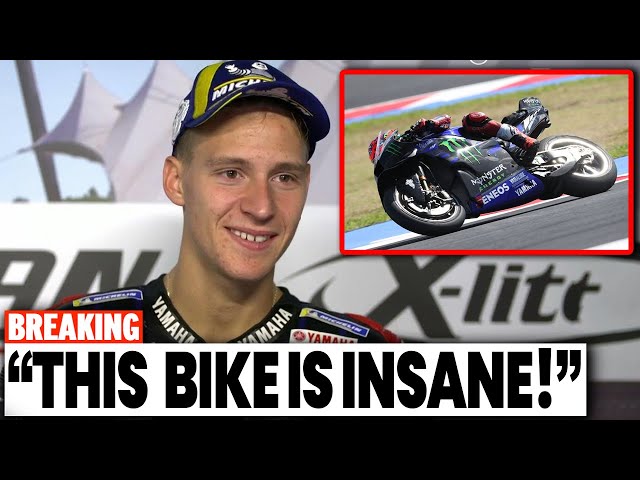
Innovation and cutthroat competition have been a constant in the MotoGP paddock and Yamaha appears to be willing to shake the deck again. It is reported that Yamaha will unveil its long-awaited V4 MotoGP prototype at Misano, which is a historic move on the part of the Japanese manufacturer. Yamaha has stuck to its inline-four ideology over decades, as competitors such as Ducati, Honda and KTM flourished on V4-powered models. Now, as the performance gaps to seal and a new era of racing looms, Yamaha is entering new ground with the expectation of turning around its fortunes. Why Misano Matters for Yamaha’s Big Reveal Misano is not a track on the MotoGP calendar. It is a technical circuit with medium speed corners and heavy braking zones, which are known as Misano World Circuit Marco Simoncelli. These characteristics render it the ideal test ground of a machine that should demonstrate good acceleration, stability, and flexibility. It has been noted that Yamaha inline-four bikes could turn corners well but were not as much as the V4 engines of Ducati and Honda would in a straight line. By launching the V4 at Misano, Yamaha will have an opportunity to test how its prototype will work against one of the most balanced layouts in MotoGP. Provided it can cope with Misano, the V4 may turn out to be the versatility that Yamaha is desperately seeking. Why the Switch to V4 Now? Yamaha had been using the inline-four design over the years since it felt that the design provided a natural riding experience, refined throttle feel, and a high level of cornering. Those strengths helped riders such as Valentino Rossi and Jorge Lorenzo to win several world championships. In its development, however, MotoGP demonstrated that V4 layouts had the obvious benefit: explosive power on straights, greater acceleration, and greater flexibility to contemporary aerodynamics: Ducati Desmosedici and Honda RC213V. During the recent seasons, Yamaha has had its inline-four philosophy turned against it. Top speeds were not as fast as the competition and passing on straights was always a battle. Even Fabio Quartararo, the Yamaha star rider and 2021 World Champion, has openly expressed disappointment that he is not able to do anything on long straights despite riding as fast as he can. The V4 conversion is not an experiment only. It is Yamaha acknowledging that to be on the topmost level of competition, it has to be equal to its competitors in the bare engine structure. It is a daring action that can remodel the position of Yamaha in the championship. What Riders and Teams Expect Quartararo has not been silent on how Yamaha needs more power. A V4 engine should also provide him with the straight line speed that he has been requesting, but it might also have a learning curve. The inline four bikes made by Yamaha have always been more comfortable to ride, with easy handling that was easily used by novices and experts alike. The V4 on the other hand has been known to be more aggressive, and the riders have to make adjustments in the points of braking, entering corners and throttle control. It is also interesting to know about test riders such as Cal Crutchlow who may give Yamaha important feedback at Misano. Provided the prototype is promising, Quartararo and his teammate Alex Rins could have their first experience on the V4 machine before the end of the year, paving the way to a larger rollout in 2026. The Technical Challenges Ahead A V4 change is not simply a matter of creating a new engine. The Yamaha will be forced to redesign the whole bike with the characteristics of the engine. It could affect the frame, aerodynamics, the electronics, and even the tire wear patterns. The success of the V4 by Ducati is not only due to horse power but to the combination of engine power and state of the art aerodynamics and stability. Yamaha has always had an aerodynamic disadvantage over Ducati and to add to the challenge, the untested engine concept will be a huge obstacle. Engineers will have to make sure that the new V4 does not compromise on the cornering capabilities of Yamaha and still offer the much-desired acceleration. It is a thin thread to tread but it may be worthwhile when done right. How This Could Reshape MotoGP’s Balance of Power Today, Ducati takes up a leading position in the grid and several riders and satellite teams are competing to secure podiums in nearly every race. KTM has been continuously gaining and Honda, although it has had some difficulties recently, still possesses the technical resources to recover. Yamaha has been the outlier, where only Quartararo has been able to consistently bear the hopes of the team and other riders have been unable to keep up. In case the V4 of Yamaha performs, it would change the balance of power. Now Ducati would not be the only company with a straight-line monster, and the fanbase of Yamaha in the whole world would have a new chance to see their riders compete at the front more regularly. It would also trigger new rivalries, with a competitive Yamaha potentially triggering renewed rivalry between Quartararo and Ducati superstars such as Francesco Bagnaia and Jorge Martin. A Preview of What to Expect at Misano. Whispers or leaked video should not be the only thing that fans should anticipate. Yamaha understands the importance of perception and Misano offers an opportunity to prove the progress. It may be an undercover shakedown or a more overt test, but fans will be seeking hints–engine noise, straight-line acceleration, and rider posture give a piece of the puzzle. When Yamaha V4 is on the track, social media will be awash with speculation. Naturally, a single test does not promise success. Yamaha will require months of work on the V4 even after it impresses at Misano to put it into a race-ready state. However, to those fans who have endured the team not being able to
Cadillac’s F1 Debut: Why the Team Will Test in a Rival’s Car Before the Big Day
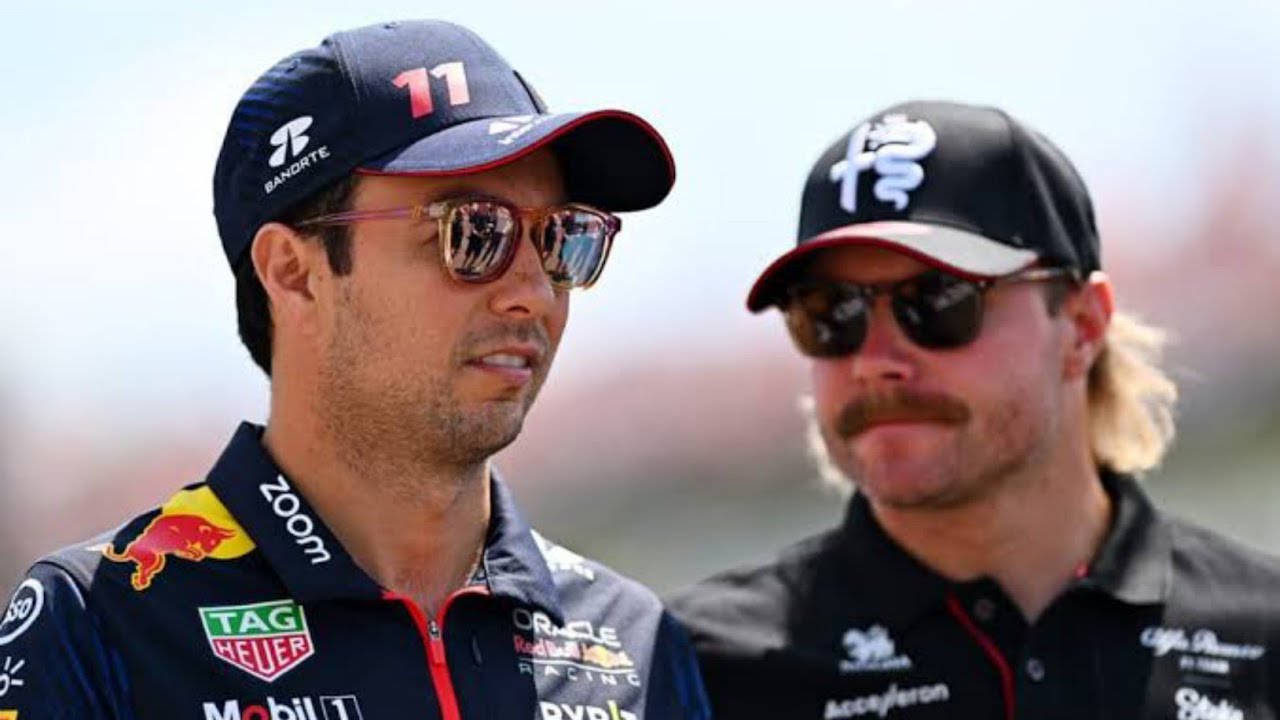
Cadillac’s arrival in Formula 1 feels like the start of a new era. The American brand will enter the grid in 2026 as the latest manufacturer of the sport. However, prior to the team putting its own cars on the grid, it intends to get on the track this year with a car provided by another team. This sounds strange initially, yet it makes a great deal of sense once the rules and the build timeline are considered carefully. Short term fix, long term plan New teams cannot simply turn up, with a complete programme and be immediately competitive. Cadillac received the green light to get into F1 and has developed a massive operation in the US and the UK, yet to come up with two race-ready cars and a whole race organisation simultaneously is immense. The team will not yet have its own car on-track until the official pre-season tests in January, and therefore the borrowed older car provides actual track miles now and not just simulator time. Graeme Lowdon, the team principal at Cadillac has stated that the objective is to operate a Testing of Previous Cars programme to familiarize engineers, strategists and drivers with working together in the conditions of a real event. What the rule of Testing of Previous Cars (TPC) really permits them to do. F1 enables a newcomer to operate a TPC programme, which enables a maximum number of days in a machine of at least 2 years old. That is reasonable on paper: the teams can legally and safely test a known car to develop working muscle without affecting the competitive field. In the case of Cadillac, the TPC alternative implies that the team would have an opportunity to get Perez and other employees some actual time in an F1 cockpit this year and work through complete race-weekend procedures with real pit stops and real telemetry. Such experience is much more useful than unlimited simulator laps on the day of the race. Ferrari is practical sense as the probable partner. It has been reported that Cadillac will most probably use a Ferrari-supplied car to run these tests. Ferrari had already settled a technical partnership to provide Cadillac with power units and gearboxes on the team side, and it would therefore be a rational fit to run older Ferrari chassis under licensing and integration provisions. To top this, Cadillac will be a Ferrari-powered customer team in the short term as GM constructs its own power unit operation to become a supplier in 2029. That technical connection minimizes the hassles of preparing a package of someone else to run. Why on-track testing matters more than many realise Simulators are really good, but they cannot imitate everything. On-track runs place demands on the pit crew, the race engineers and even the hospitality and logistics teams that a simulator will never. The teams are trained to work in real weather conditions and how to heat tyres, radio chains under pressure and choreography of a perfect pit-stop. The idea of Cadillac to recreate entire race weekends in the factory is beneficial, yet testing an actual F1 car undergoes invaluable, practical lessons that are transferred directly into the preparation of the season. Lowdon has stressed the need to familiarize everyone with the idea of working on Thursday till Sunday and that muscle memory counts. What it implies to Perez and Bottas. Experience and race craft provided by Sergio Perez and Valtteri Bottas will reduce the learning curve of Cadillac. Perez, who has not raced since the close of the previous season, can use on-track time to regain race sharpness. Bottas will remain with Mercedes as a reserve driver through the remainder of the year, so Perez will probably do much of the early seat time in any car he borrows. The fact that the TPC testing is available twice makes it that much more important to construct driver-to-engineer relationships prior to the winter. Testing risks and limits with other team car. There is no magic bullet when it comes to borrowing an older car. Information on an opposing chassis will not fit perfectly onto the Cadillac design. Aerodynamic load, suspension geometry and cooling packaging varies with each car. That implies that the engineers should be meticulous when converting lap data into their design updates. The number of running under TPC rules remains also restricted. The team ought to use this as a learning exercise into race operations, driver processes, rather than a short cut to bridging performance gaps. Bigger picture: smart strategy or bandaid? On the whole, it appears to be practical thinking and not panic. Cadillac would not like to make newbie mistakes during race weekend. Establishing team routines, verifying radio calls, drilling pit stops and familiarizing drivers with an F1 environment all reduce the chance of mayhem when the lights go out in Melbourne. The leased vehicle will not conceal underlying design or performance issues in 2026, but it allows the organisation to hit the ground running. As GM already intends to roll out its own power unit in 2029, the early tests are both a short game and a long game. Final word It may appear that running an older car of a rival is pragmatic, but it can appear awkward. Cadillac must be in the field of race operations and driver techniques. Those are the same benefits that the TPC runs provide as the team completes its own chassis and powertrain preparation. By 2026, two Cadillac cars will be in the grid. Until this point, leasing someone else equipment provides the American project with the breathing room to prepare to race on day.
