

The Bahrain Grand Prix marks a pivotal moment in the Formula One calendar, especially for teams seeking to enhance their performance through strategic upgrades. As the 2025 season unfolds, several teams have brought significant updates to their cars, aiming to improve their standings in the championship. This article delves into the upgrades introduced by key teams, focusing on Ferrari, McLaren, and Red Bull, and explores how these changes might impact the competitive landscape of F1. Introduction to F1 Upgrades In Formula One, upgrades are crucial for maintaining competitiveness throughout the season. Teams continually analyze their car’s performance, identifying areas for improvement and implementing changes to gain an edge over their rivals. The Bahrain Grand Prix, with its challenging conditions, provides an ideal setting for teams to test these upgrades. The circuit’s combination of high-speed corners and long straights demands a balance of downforce and drag, making it a perfect venue for assessing the effectiveness of new components. The Role of Upgrades in F1 Strategy Upgrades in F1 are not just about adding new parts; they are part of a broader strategic plan. Teams must carefully consider how each change will impact the overall performance of the car. This includes evaluating how upgrades interact with existing components and ensuring that they align with the team’s long-term goals. For instance, a team might prioritize aerodynamic improvements to enhance their car’s handling in high-speed corners, while another might focus on engine performance to gain an advantage on straights. Ferrari’s Strategic Upgrades Ferrari, facing a challenging start to the 2025 season, has introduced a comprehensive upgrade package for the Bahrain Grand Prix. The Italian team’s SF-25 has been equipped with a new floor design, targeting enhanced downforce and aerodynamic efficiency. This upgrade includes reprofiled floor fences, modifications to the leading edge of the floor body, and changes to the floor edge wings and diffuser. Additionally, Ferrari has tweaked the winglet on the rear wing pillar to further improve the car’s aerodynamic performance. Ferrari’s deputy team principal, Jerome d’Ambrosio, emphasized that these upgrades aim to add marginal yet significant gains in performance, rather than revolutionize the car’s overall performance picture. This approach reflects Ferrari’s strategy to incrementally improve their car’s capabilities, focusing on steady progress rather than dramatic changes. To explore more about how F1 teams optimize their car designs for better performance, see our article on aerodynamic innovations in Formula One. McLaren’s Upgrades McLaren, currently leading the championship with Lando Norris, has also brought updates to their MCL39. The team introduced a new front brake duct winglet designed to enhance aerodynamic flow conditioning, which should improve the car’s overall aerodynamic performance. This upgrade is part of McLaren’s ongoing effort to maintain their competitive edge, especially as they face strong challenges from Red Bull and Ferrari. McLaren’s strategy highlights the importance of continuous development in F1. By focusing on specific components like the front brake duct, teams can achieve significant improvements in handling and speed without major overhauls. This approach also underscores the value of precision engineering in F1, where small changes can have a substantial impact on performance. Red Bull’s Tactical Adjustments Red Bull Racing, known for their innovative car designs, has introduced a front wing with a longer-chord upper element. This change allows for greater flexibility in setting up the car, particularly when paired with higher-downforce rear wings. Additionally, Red Bull has updated their cooling system with new louvres, designed to manage the high temperatures typical of the Bahrain circuit. These adjustments reflect Red Bull’s adaptability and focus on optimizing their car for different conditions. By enhancing cooling efficiency, they ensure that their powertrain operates at optimal levels, even in extreme heat. This is particularly important in Bahrain, where engine reliability can be a deciding factor in race outcomes. Haas and Cooling Upgrades Haas F1 Team has also made notable changes, focusing on cooling improvements. They have modified the central outlet at the rear of their engine cover to enhance heat expulsion, similar to Red Bull’s approach. This strategy is crucial for maintaining engine performance and reliability during the hot Bahrain weekend. Cooling upgrades are not just about managing temperatures; they also play a role in reducing weight and improving aerodynamics. By optimizing cooling systems, teams can reduce the size and weight of cooling components, which in turn can enhance the car’s overall efficiency. Discover how F1 teams leverage advanced cooling systems to maintain performance in extreme conditions through our in-depth analysis of thermal management in motorsports. Impact of Upgrades on the Championship The upgrades introduced by these teams will significantly influence the dynamics of the championship. Ferrari’s efforts to regain competitiveness could potentially challenge McLaren’s lead, while Red Bull’s adjustments aim to solidify their position among the top contenders. The success of these upgrades will be closely watched, as they could shift the balance of power in the championship. Moreover, the impact of these upgrades extends beyond the immediate race results. They set the stage for future developments, as teams continue to refine their cars based on data gathered from these initial tests. This ongoing cycle of improvement is what makes F1 so dynamic and competitive. Future Developments and Challenges As the season continues, teams will face new challenges and opportunities. The upcoming races will provide additional data on the effectiveness of these upgrades, guiding further development. Teams must balance short-term gains with long-term strategies, ensuring that their upgrades align with their overall vision for the season. In this context, collaboration between engineers, drivers, and strategists is crucial. Feedback from drivers plays a vital role in refining upgrades, as it provides firsthand insights into how changes affect the car’s handling and performance. This collaborative approach is essential for maximizing the impact of upgrades and staying competitive throughout the season. The Role of Innovation in F1 Innovation is at the heart of Formula One’s success. The sport’s emphasis on technological advancement drives teams to push the boundaries of engineering and design. This culture of innovation not only enhances the sport but also
Formula One Bahrain Grand Prix Upgrade Insights
The Bahrain Grand Prix marks a pivotal moment in the Formula One calendar, especially for teams seeking to enhance their performance through strategic upgrades. As the 2025 season unfolds, several teams have brought significant updates to their cars, aiming to improve their standings in the championship. This article delves into the upgrades introduced by key teams, focusing on Ferrari, McLaren, and Red Bull, and explores how these changes might impact the competitive landscape of F1. Introduction to F1 Upgrades In Formula One, upgrades are crucial for maintaining competitiveness throughout the season. Teams continually analyze their car’s performance, identifying areas for improvement and implementing changes to gain an edge over their rivals. The Bahrain Grand Prix, with its challenging conditions, provides an ideal setting for teams to test these upgrades. The circuit’s combination of high-speed corners and long straights demands a balance of downforce and drag, making it a perfect venue for assessing the effectiveness of new components. The Role of Upgrades in F1 Strategy Upgrades in F1 are not just about adding new parts; they are part of a broader strategic plan. Teams must carefully consider how each change will impact the overall performance of the car. This includes evaluating how upgrades interact with existing components and ensuring that they align with the team’s long-term goals. For instance, a team might prioritize aerodynamic improvements to enhance their car’s handling in high-speed corners, while another might focus on engine performance to gain an advantage on straights. Ferrari’s Strategic Upgrades Ferrari, facing a challenging start to the 2025 season, has introduced a comprehensive upgrade package for the Bahrain Grand Prix. The Italian team’s SF-25 has been equipped with a new floor design, targeting enhanced downforce and aerodynamic efficiency. This upgrade includes reprofiled floor fences, modifications to the leading edge of the floor body, and changes to the floor edge wings and diffuser. Additionally, Ferrari has tweaked the winglet on the rear wing pillar to further improve the car’s aerodynamic performance. Ferrari’s deputy team principal, Jerome d’Ambrosio, emphasized that these upgrades aim to add marginal yet significant gains in performance, rather than revolutionize the car’s overall performance picture. This approach reflects Ferrari’s strategy to incrementally improve their car’s capabilities, focusing on steady progress rather than dramatic changes. To explore more about how F1 teams optimize their car designs for better performance, see our article on aerodynamic innovations in Formula One. McLaren’s Upgrades McLaren, currently leading the championship with Lando Norris, has also brought updates to their MCL39. The team introduced a new front brake duct winglet designed to enhance aerodynamic flow conditioning, which should improve the car’s overall aerodynamic performance. This upgrade is part of McLaren’s ongoing effort to maintain their competitive edge, especially as they face strong challenges from Red Bull and Ferrari. McLaren’s strategy highlights the importance of continuous development in F1. By focusing on specific components like the front brake duct, teams can achieve significant improvements in handling and speed without major overhauls. This approach also underscores the value of precision engineering in F1, where small changes can have a substantial impact on performance. Red Bull’s Tactical Adjustments Red Bull Racing, known for their innovative car designs, has introduced a front wing with a longer-chord upper element. This change allows for greater flexibility in setting up the car, particularly when paired with higher-downforce rear wings. Additionally, Red Bull has updated their cooling system with new louvres, designed to manage the high temperatures typical of the Bahrain circuit. These adjustments reflect Red Bull’s adaptability and focus on optimizing their car for different conditions. By enhancing cooling efficiency, they ensure that their powertrain operates at optimal levels, even in extreme heat. This is particularly important in Bahrain, where engine reliability can be a deciding factor in race outcomes. Haas and Cooling Upgrades Haas F1 Team has also made notable changes, focusing on cooling improvements. They have modified the central outlet at the rear of their engine cover to enhance heat expulsion, similar to Red Bull’s approach. This strategy is crucial for maintaining engine performance and reliability during the hot Bahrain weekend. Cooling upgrades are not just about managing temperatures; they also play a role in reducing weight and improving aerodynamics. By optimizing cooling systems, teams can reduce the size and weight of cooling components, which in turn can enhance the car’s overall efficiency. Discover how F1 teams leverage advanced cooling systems to maintain performance in extreme conditions through our in-depth analysis of thermal management in motorsports. Impact of Upgrades on the Championship The upgrades introduced by these teams will significantly influence the dynamics of the championship. Ferrari’s efforts to regain competitiveness could potentially challenge McLaren’s lead, while Red Bull’s adjustments aim to solidify their position among the top contenders. The success of these upgrades will be closely watched, as they could shift the balance of power in the championship. Moreover, the impact of these upgrades extends beyond the immediate race results. They set the stage for future developments, as teams continue to refine their cars based on data gathered from these initial tests. This ongoing cycle of improvement is what makes F1 so dynamic and competitive. Future Developments and Challenges As the season continues, teams will face new challenges and opportunities. The upcoming races will provide additional data on the effectiveness of these upgrades, guiding further development. Teams must balance short-term gains with long-term strategies, ensuring that their upgrades align with their overall vision for the season. In this context, collaboration between engineers, drivers, and strategists is crucial. Feedback from drivers plays a vital role in refining upgrades, as it provides firsthand insights into how changes affect the car’s handling and performance. This collaborative approach is essential for maximizing the impact of upgrades and staying competitive throughout the season. The Role of Innovation in F1 Innovation is at the heart of Formula One’s success. The sport’s emphasis on technological advancement drives teams to push the boundaries of engineering and design. This culture of innovation not only enhances the sport but also
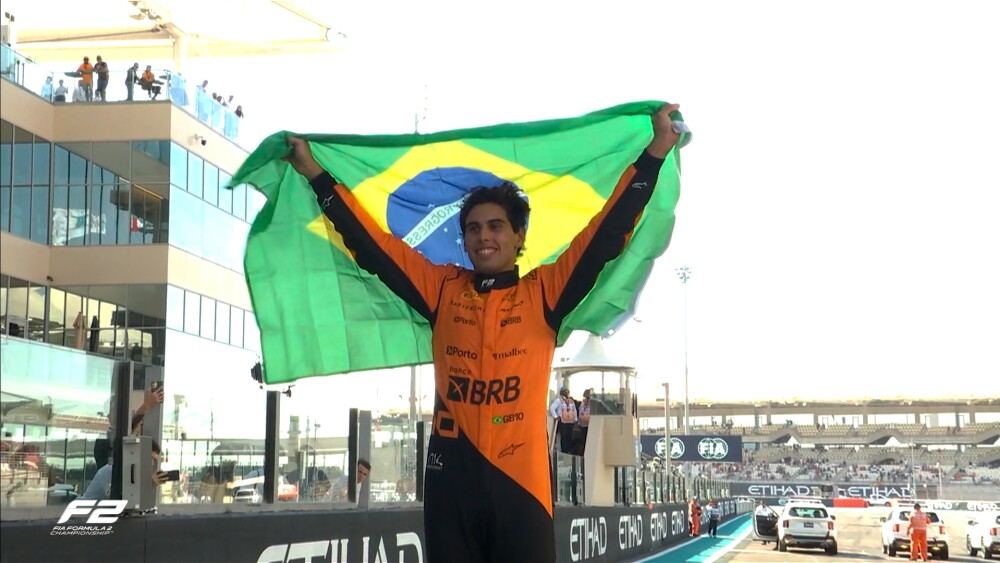
Gabriel Bortoleto: From F2 Glory to the Challenges of F1’s Back Row
Gabriel Bortoleto’s meteoric rise through the motorsport ranks has been nothing short of extraordinary. The 20-year-old Brazilian, who clinched the Formula 3 title in 2023 and is on the verge of winning the Formula 2 championship in his rookie season, now faces the daunting task of transitioning to Formula 1 with Sauber in 2025. While his journey to F1 has been remarkable, life at the back of the grid promises to be a far tougher challenge than his rapid ascent through junior categories. The Journey to Formula 1 Born on October 14, 2004, in São Paulo, Brazil, Bortoleto’s passion for racing began in karting. After dominating Brazilian karting circuits, he moved to Europe in 2018 to compete at a higher level. His single-seater career started in Italian Formula 4 in 2020, where he finished fifth overall. He then spent two seasons in the Formula Regional European Championship before making his big breakthrough in FIA Formula 3. In 2023, Bortoleto joined Trident and delivered a dominant rookie campaign. He won consecutive Feature Races at Sakhir and Melbourne and maintained remarkable consistency throughout the season, missing points only twice in 14 races. This consistency secured him the F3 title with two rounds to spare, earning him a promotion to Formula 2 with Invicta Racing. Bortoleto’s rookie season in F2 has been equally impressive. Despite early setbacks, including three consecutive retirements, he displayed resilience and skill by claiming two race wins and five podiums. His standout moment came at Monza, where he won a Feature Race after starting from last on the grid. This victory marked a turning point, propelling him into championship contention and eventually securing him an F1 seat with Sauber. Curious about how young drivers like Bortoleto prepare for F1? Check out our article on “The Science Behind Junior Driver Development Programs.” The Challenges of Transitioning to F1 While Bortoleto’s achievements in F3 and F2 place him among elite company—joining the likes of Charles Leclerc, George Russell, and Oscar Piastri as drivers who won both titles back-to-back—his transition to Formula 1 will be anything but smooth sailing. Sauber, which will rebrand as Audi’s factory team in 2026, is currently struggling at the back of the grid. Partnering with veteran Nico Hülkenberg, Bortoleto will need to adapt quickly to F1’s complexities. Adapting to New Machinery F1 cars are significantly more complex than their junior counterparts. The increased downforce, hybrid power units, and intricate aerodynamics demand a steep learning curve for rookies. Bortoleto’s ability to adapt quickly has been a hallmark of his career so far, but competing against seasoned drivers like Max Verstappen and Lewis Hamilton requires another level of precision and mental fortitude. Pressure of Representing Brazil Bortoleto will be Brazil’s first full-time F1 driver since Felipe Massa in 2017. This brings immense pressure from fans eager to see their country reclaim its former glory in motorsport. Bortoleto has embraced this responsibility, even adopting an Ayrton Senna-inspired helmet design during his F2 campaign as a tribute to his hero. Team Dynamics and Expectations Sauber’s decision to pair Bortoleto with Hülkenberg reflects their strategy of blending youth with experience. While Hülkenberg’s mentorship could benefit Bortoleto, internal competition within teams often adds another layer of complexity for rookies trying to establish themselves. Lessons from Junior Categories Bortoleto’s success has been built on consistency and hard work. His ability to bounce back from setbacks—such as his early struggles in F2—demonstrates resilience that will serve him well in F1. He credits much of his development to working with strong teams like Trident and Invicta Racing, as well as guidance from McLaren’s Driver Development Programme and Fernando Alonso’s management company. In an interview reflecting on his journey, Bortoleto said: “It’s not come easy; it has been a lot of hard work from the team and myself… Consistency was one of the biggest qualities across these seasons.” Explore how top-tier teams like McLaren shape future stars by reading “Inside McLaren’s Junior Driver Academy.” The Road Ahead Despite the challenges ahead, Bortoleto remains optimistic about his future in Formula 1. His immediate goal is to learn as much as possible during his rookie season while helping Sauber improve its performance. Long-term, he aims to emulate his idols by becoming a race winner and championship contender. Key Areas for Improvement Racecraft: Competing against world-class drivers will test Bortoleto’s ability to manage wheel-to-wheel battles. Technical Feedback: Providing detailed feedback to engineers is crucial for car development. Mental Toughness: Coping with setbacks is essential for maintaining focus over a grueling season. Opportunities for Growth Working with experienced personnel at Sauber could accelerate his learning curve. Audi’s entry into F1 as Sauber’s factory team offers long-term potential for competitiveness. Representing Brazil provides opportunities for sponsorships and fan engagement. Curious about how teams like Audi plan their entry into F1? Don’t miss our article on “The Business Strategy Behind New Factory Teams.” Navigating the F1 Grid Navigating the F1 grid will require Bortoleto to be strategic and patient. He will need to balance the desire to impress with the need to avoid costly mistakes. His partnership with Hülkenberg will be crucial in this regard, as the veteran German can offer valuable insights into race strategy and car management. Learning from Mistakes One of the most important lessons Bortoleto will learn in F1 is how to handle setbacks. In junior categories, mistakes often result in lost points or a missed podium. In F1, the stakes are higher, and mistakes can lead to significant financial losses and damage to the car. Bortoleto’s ability to learn from these mistakes will be key to his development. Building a Strong Team Dynamic Bortoleto will need to build strong relationships with his engineers and mechanics. This includes providing clear feedback on the car and working collaboratively to improve performance. In F1, teamwork is as important as individual talent, and Bortoleto’s success will depend on how well he integrates into the team. The Role of Technology in F1 F1 is as much about technology as it is about driving skill. Bortoleto
Gabriel Bortoleto: From F2 Glory to the Challenges of F1’s Back Row
Gabriel Bortoleto’s meteoric rise through the motorsport ranks has been nothing short of extraordinary. The 20-year-old Brazilian, who clinched the Formula 3 title in 2023 and is on the verge of winning the Formula 2 championship in his rookie season, now faces the daunting task of transitioning to Formula 1 with Sauber in 2025. While his journey to F1 has been remarkable, life at the back of the grid promises to be a far tougher challenge than his rapid ascent through junior categories. The Journey to Formula 1 Born on October 14, 2004, in São Paulo, Brazil, Bortoleto’s passion for racing began in karting. After dominating Brazilian karting circuits, he moved to Europe in 2018 to compete at a higher level. His single-seater career started in Italian Formula 4 in 2020, where he finished fifth overall. He then spent two seasons in the Formula Regional European Championship before making his big breakthrough in FIA Formula 3. In 2023, Bortoleto joined Trident and delivered a dominant rookie campaign. He won consecutive Feature Races at Sakhir and Melbourne and maintained remarkable consistency throughout the season, missing points only twice in 14 races. This consistency secured him the F3 title with two rounds to spare, earning him a promotion to Formula 2 with Invicta Racing. Bortoleto’s rookie season in F2 has been equally impressive. Despite early setbacks, including three consecutive retirements, he displayed resilience and skill by claiming two race wins and five podiums. His standout moment came at Monza, where he won a Feature Race after starting from last on the grid. This victory marked a turning point, propelling him into championship contention and eventually securing him an F1 seat with Sauber. Curious about how young drivers like Bortoleto prepare for F1? Check out our article on “The Science Behind Junior Driver Development Programs.” The Challenges of Transitioning to F1 While Bortoleto’s achievements in F3 and F2 place him among elite company—joining the likes of Charles Leclerc, George Russell, and Oscar Piastri as drivers who won both titles back-to-back—his transition to Formula 1 will be anything but smooth sailing. Sauber, which will rebrand as Audi’s factory team in 2026, is currently struggling at the back of the grid. Partnering with veteran Nico Hülkenberg, Bortoleto will need to adapt quickly to F1’s complexities. Adapting to New Machinery F1 cars are significantly more complex than their junior counterparts. The increased downforce, hybrid power units, and intricate aerodynamics demand a steep learning curve for rookies. Bortoleto’s ability to adapt quickly has been a hallmark of his career so far, but competing against seasoned drivers like Max Verstappen and Lewis Hamilton requires another level of precision and mental fortitude. Pressure of Representing Brazil Bortoleto will be Brazil’s first full-time F1 driver since Felipe Massa in 2017. This brings immense pressure from fans eager to see their country reclaim its former glory in motorsport. Bortoleto has embraced this responsibility, even adopting an Ayrton Senna-inspired helmet design during his F2 campaign as a tribute to his hero. Team Dynamics and Expectations Sauber’s decision to pair Bortoleto with Hülkenberg reflects their strategy of blending youth with experience. While Hülkenberg’s mentorship could benefit Bortoleto, internal competition within teams often adds another layer of complexity for rookies trying to establish themselves. Lessons from Junior Categories Bortoleto’s success has been built on consistency and hard work. His ability to bounce back from setbacks—such as his early struggles in F2—demonstrates resilience that will serve him well in F1. He credits much of his development to working with strong teams like Trident and Invicta Racing, as well as guidance from McLaren’s Driver Development Programme and Fernando Alonso’s management company. In an interview reflecting on his journey, Bortoleto said: “It’s not come easy; it has been a lot of hard work from the team and myself… Consistency was one of the biggest qualities across these seasons.” Explore how top-tier teams like McLaren shape future stars by reading “Inside McLaren’s Junior Driver Academy.” The Road Ahead Despite the challenges ahead, Bortoleto remains optimistic about his future in Formula 1. His immediate goal is to learn as much as possible during his rookie season while helping Sauber improve its performance. Long-term, he aims to emulate his idols by becoming a race winner and championship contender. Key Areas for Improvement Racecraft: Competing against world-class drivers will test Bortoleto’s ability to manage wheel-to-wheel battles. Technical Feedback: Providing detailed feedback to engineers is crucial for car development. Mental Toughness: Coping with setbacks is essential for maintaining focus over a grueling season. Opportunities for Growth Working with experienced personnel at Sauber could accelerate his learning curve. Audi’s entry into F1 as Sauber’s factory team offers long-term potential for competitiveness. Representing Brazil provides opportunities for sponsorships and fan engagement. Curious about how teams like Audi plan their entry into F1? Don’t miss our article on “The Business Strategy Behind New Factory Teams.” Navigating the F1 Grid Navigating the F1 grid will require Bortoleto to be strategic and patient. He will need to balance the desire to impress with the need to avoid costly mistakes. His partnership with Hülkenberg will be crucial in this regard, as the veteran German can offer valuable insights into race strategy and car management. Learning from Mistakes One of the most important lessons Bortoleto will learn in F1 is how to handle setbacks. In junior categories, mistakes often result in lost points or a missed podium. In F1, the stakes are higher, and mistakes can lead to significant financial losses and damage to the car. Bortoleto’s ability to learn from these mistakes will be key to his development. Building a Strong Team Dynamic Bortoleto will need to build strong relationships with his engineers and mechanics. This includes providing clear feedback on the car and working collaboratively to improve performance. In F1, teamwork is as important as individual talent, and Bortoleto’s success will depend on how well he integrates into the team. The Role of Technology in F1 F1 is as much about technology as it is about driving skill. Bortoleto

Norris Sets The Pace In Bahrain FP1: A Benchmark Established
The 2025 Formula 1 Bahrain Grand Prix kicked off with an electrifying first practice session (FP1), where McLaren’s Lando Norris stole the show by setting the fastest time. Norris’s remarkable performance not only underscored his team’s potential but also highlighted the challenges faced by other drivers in the scorching Bahrain heat. This article delves into the intricacies of FP1, analyzing Norris’s success and the broader implications for the upcoming race. Introduction to FP1 FP1 is a pivotal session for teams to assess their car’s performance and make necessary adjustments before the qualifying rounds. In Bahrain, the session was marked by high temperatures, which posed significant challenges for drivers and their cars. The heat not only affected tire performance but also impacted the overall balance of the vehicles. Lando Norris, driving for McLaren, emerged as the standout performer, posting a time of 1:33.204. This impressive lap was more than two tenths quicker than Alpine’s Pierre Gasly, who secured the second spot. Ferrari’s Lewis Hamilton completed the top three, despite expressing dissatisfaction with his car’s balance, attributing it to the tires rather than the car itself. Norris’s Dominance Norris’s dominance in FP1 was a testament to McLaren’s hard work and strategic approach. His ability to navigate the challenging conditions and push his car to its limits showcased his skill and adaptability as a driver. The session also highlighted the competitive nature of the current F1 grid, with several teams and drivers vying for top positions. To gain a deeper understanding of how F1 teams optimize their car setups for different tracks, explore our detailed analysis of aerodynamic strategies. Challenges Faced by Other Drivers While Norris enjoyed a successful session, other drivers faced various challenges. Hamilton’s dissatisfaction with his car’s balance was echoed by Liam Lawson, who described his car’s handling as “shocking.” These issues were not isolated, as many drivers struggled with tire performance and car balance due to the extreme heat. Frederik Vesti, driving for Mercedes, experienced multiple lock-ups during his runs, emphasizing the difficulties in maintaining control under such conditions. Meanwhile, Esteban Ocon reported that his car was pulling to one side on the straights, indicating a need for adjustments to the steering. Rookie Performance FP1 also featured six rookie drivers, including Luke Browning, who was the highest-placed among them in 13th position. The session provided valuable experience for these newcomers, allowing them to familiarize themselves with the track and their cars under race conditions. Discover how rookie drivers navigate the transition from junior series to F1 through our exclusive interviews with top newcomers. Implications for the Race The performance in FP1 sets the stage for the rest of the weekend. Teams will analyze the data collected during this session to make crucial adjustments to their cars. Norris’s strong start could put pressure on other teams to improve their setups, especially considering the tight competition at the top. Learn more about the strategic decisions teams make during race weekends and how they impact the final standings. Technical Insights From a technical standpoint, FP1 highlighted the importance of tire management and aerodynamic efficiency. Teams that managed to find a better balance between speed and tire durability were more successful. Norris’s performance was partly due to McLaren’s effective tire strategy, which allowed him to maintain consistent pace throughout the session. The session also underscored the role of data analysis in modern F1. Teams rely heavily on data from practice sessions to fine-tune their cars. This includes analyzing telemetry data to optimize engine performance, studying tire wear patterns to decide on the best tire compounds, and using wind tunnel data to refine aerodynamic setups. Fan Engagement and Media Coverage The Bahrain Grand Prix is not just about the racing; it’s also a spectacle that captivates fans worldwide. The event is covered extensively by media outlets, providing fans with real-time updates and insights into the strategies employed by teams. Social media platforms play a crucial role in enhancing fan engagement, allowing fans to interact with drivers and teams directly. This interaction not only boosts fan morale but also provides valuable feedback for teams on how to improve their engagement strategies. Additional Insights: F1 Team Strategies F1 teams employ a variety of strategies to stay competitive. These include: Aerodynamic Development: Teams continually work on improving their car’s aerodynamics to enhance speed and handling. This involves extensive wind tunnel testing and computational fluid dynamics (CFD) simulations. Tire Management: Managing tire wear is crucial in F1. Teams must balance speed with tire durability to ensure they can maintain pace throughout the race. Engine Performance: Engine power is a significant factor in F1. Teams invest heavily in engine development to gain an edge over their competitors. Data Analysis: Modern F1 is heavily reliant on data analysis. Teams use sophisticated software to analyze telemetry data, optimize car setups, and predict race outcomes. These strategies, combined with skilled drivers like Norris, are what make F1 such a compelling and competitive sport. The Role of Technology in F1 Technology plays a pivotal role in F1, from advanced materials used in car construction to sophisticated electronic systems that control engine performance and aerodynamics. The use of advanced materials like carbon fiber allows for lightweight yet incredibly strong cars, while electronic systems ensure precise control over engine and gearbox functions. In addition, technologies like DRS (Drag Reduction System) and advanced tire compounds have significantly impacted the sport. DRS allows drivers to temporarily reduce drag and gain speed, promoting overtaking and enhancing the spectacle of the race. To explore more about the technological innovations driving F1 forward, see our in-depth analysis of cutting-edge F1 technologies. Fan Engagement and Community Building F1 has a vibrant fan community that extends beyond the race track. Fans engage with the sport through various channels, including social media, live events, and online forums. The sport’s global appeal is enhanced by its ability to connect fans across different cultures and regions. Teams and drivers actively participate in fan engagement activities, such as meet-and-greets and autograph sessions, which help build

MotoGP 25: Milestone’s Game Revolution And Championship Predictions
The 2025 MotoGP season is already delivering high-octane drama on real-world circuits, while Milestone prepares to launch its most ambitious virtual recreation of the championship to date. With Jorge Martin making his comeback from injury, Alex Marquez surprisingly leading the standings, and Marc Marquez hunting for championship glory, this year promises exceptional racing both on track and in the digital realm. Set for release on April 30, MotoGP 25 brings revolutionary changes to the franchise while accurately reflecting the current season’s dynamics and rivalries. Technical Advancements: A New Era For The MotoGP Game MotoGP 25 represents a significant technological leap for Milestone’s long-running motorcycle racing series. At the core of this evolution is the implementation of Unreal Engine 5, a decisive upgrade that enables more detailed visuals, improved lighting effects, and enhanced physics simulations. This cutting-edge engine allows the game to render motorcycles, tracks, and riders with unprecedented fidelity, creating a more immersive and authentic racing experience. Sound design has received particular attention in this year’s iteration, with Milestone conducting special on-track recording sessions to capture the authentic audio profiles of actual MotoGP machines. These recordings deliver a more accurate representation of engine notes, exhaust sounds, and environmental audio, enhancing the sensory experience and further blurring the line between virtual and real racing. The attention to sonic detail extends to trackside ambience and mechanical nuances that motorcycle enthusiasts will immediately recognize. The comprehensive content package includes the full 2025 MotoGP season with all teams, riders, and tracks from the MotoGP, Moto2, and Moto3 categories. This roster allows players to step into the boots of current championship contenders like Marc Marquez, Pecco Bagnaia, and the returning Jorge Martin, as well as promising rookies such as Fermin Aldeguer and Ai Ogura. The track selection has been expanded with the addition of Hungary’s new Balaton Park circuit and the return of the legendary Brno circuit in the Czech Republic. For enthusiasts seeking to understand the technical intricacies behind modern MotoGP machine development, explore our detailed analysis of how aerodynamic innovations have revolutionized racing strategies in recent seasons. The game’s visual presentation benefits significantly from the Unreal Engine 5 implementation, with improved lighting models, more detailed textures, and enhanced environmental effects creating a more convincing simulation of real-world racing conditions. Weather effects appear more realistic, with dynamic changes affecting both visual presentation and riding physics. The character models for riders have been refined with improved animations that more accurately reflect the subtle body positioning adjustments that differentiate riding styles among the sport’s elite competitors. Gameplay Innovations: Catering To Every Type Of Rider Perhaps the most significant innovation in MotoGP 25 is the introduction of dual physics models: the Arcade Experience and the Pro Experience. This bifurcated approach addresses a longstanding challenge in racing game design – balancing accessibility for newcomers with depth for simulation enthusiasts. Both physics models are available across all game modes and motorcycle classes, allowing players to tailor the experience to their preferences regardless of which aspect of the game they’re exploring. The Arcade Experience offers a more forgiving and intuitive handling model designed for casual players or those new to motorcycle racing games. This mode simplifies physics calculations while maintaining the fundamental characteristics that differentiate the various manufacturers and motorcycle classes. Players can focus on racing lines and overtaking maneuvers rather than the minutiae of motorcycle dynamics, making the game more immediately enjoyable without extensive practice. In contrast, the Pro Experience caters to simulation enthusiasts with a sophisticated physics model that accounts for variables like tire temperature, fuel load, aerodynamic effects, and suspension dynamics. This mode requires a more technical approach to riding, with players needing to carefully manage throttle and brake inputs while adapting to changing track conditions. The Pro Experience rewards practice and skill development, offering a challenging but ultimately more rewarding gameplay experience for dedicated players. The Training Sessions feature represents another major addition, allowing players to practice and improve their skills outside of competitive racing. Set in purpose-built environments, these sessions focus on three disciplines practiced by real MotoGP riders: Motard, Flat Track, and Minibikes. Each discipline emphasizes different aspects of motorcycle control and racing technique, helping players develop transferable skills that improve their performance in traditional MotoGP races. To discover how professional MotoGP riders use specialized training regimens to maintain peak physical and mental condition throughout a grueling season, check out our exclusive interview series with top performance coaches and team physiotherapists. The Bike Development System gives players unprecedented control over the evolution of their motorcycle throughout a career season. This system simulates the real-world research and development process of a MotoGP team, with players working alongside virtual engineers to identify areas for improvement and direct development resources. By prioritizing different aspects of performance—engine power, handling, braking, electronics, or aerodynamics—players can create a customized development path that suits their riding style and addresses the specific challenges of upcoming circuits. These technical innovations are complemented by an enhanced career mode that incorporates more sophisticated team dynamics and championship progression. Players can start their career in any of the three classes—MotoGP, Moto2, or Moto3—and work their way up through the ranks, negotiating contracts, managing relationships with team members, and building a reputation in the paddock. The career experience now includes more varied objectives and challenges that reflect the multifaceted nature of professional motorcycle racing, extending beyond pure race results to encompass media obligations, sponsor requirements, and technical development. The 2025 MotoGP Season: Current Status And Dramatic Storylines As MotoGP 25 prepares to launch, the real-world championship that it simulates is already three rounds into what promises to be an extraordinary season. The Qatar Grand Prix, scheduled as Round 4, marks a pivotal moment in the championship with the anticipated return of defending world champion Jorge Martin following a series of injuries that delayed his debut with the Aprilia factory team. The early championship leader is Alex Marquez, whose remarkable consistency has been the story of the opening rounds. Despite not yet claiming a race victory, the

The Remarkable Journey: Marc Marquez As MotoGP’s Ultimate Survivor
Marc Marquez’s story in MotoGP stands as one of the most compelling narratives of sporting resilience in modern motorsport history. From his meteoric rise as the youngest premier class champion to overcoming career-threatening injuries and successfully transitioning between manufacturers, Marquez has demonstrated an extraordinary ability to adapt, evolve, and continue competing at the highest level. As of early 2025, with the Spanish phenomenon once again challenging for championships, his journey exemplifies what it means to be the ultimate survivor in the high-stakes world of Grand Prix motorcycle racing. The Early Rise of a Phenomenon Born on February 17, 1993, in Cervera, Spain, Marc Marquez Alentà showed exceptional talent from his earliest days in motorcycle racing. Affectionately known as the ‘Ant of Cervera’ due to his modest height of 168cm, and ‘el tro de Cervera’ (the Thunder of Cervera) in his hometown, Marquez possessed a natural ability that set him apart from his peers3. His journey to MotoGP greatness began in the smaller categories, where he quickly established himself as a rider with extraordinary potential. The first glimpse of Marquez’s championship pedigree came in 2010 when he claimed the 125cc World Championship. This victory marked just the beginning of what would become one of the most decorated careers in motorcycle racing history. Continuing his ascent through the ranks, Marquez secured the Moto2 World Championship in 2012, demonstrating that his talents extended beyond a single category. These successes in the junior divisions were impressive in their own right, but they merely served as a prelude to an unprecedented career in the premier class. What distinguished Marquez even during these formative years was his fearless riding style and uncanny ability to extract performance from his machinery that seemed beyond its limits. His aggressive approach to racing, characterized by late braking, spectacular saves, and an almost supernatural ability to control a sliding motorcycle, hinted at the greatness that was to come. This distinctive style would become his trademark throughout his career, earning him admiration from fans and respect from competitors. Want to understand how MotoGP riders mentally prepare for high-risk racing? Explore our in-depth psychology article on the mindset of champions. Historic MotoGP Debut and Era of Dominance When Marquez entered MotoGP in 2013 with the Repsol Honda team, expectations were high, but what followed exceeded even the most optimistic predictions. In his rookie season, Marquez achieved what most riders can only dream of throughout their entire careers. He became the first rider since Kenny Roberts in 1978 to win the premier class championship in his debut season, and at just 20 years and 266 days old, he became the youngest rider ever to claim the MotoGP world title. This unprecedented success was no fluke. Marquez followed his rookie championship with an even more dominant 2014 campaign, during which he won the first ten races of the season consecutively. This performance demonstrated that Marquez was not merely a talented newcomer but a rider who was redefining the limits of what was possible in MotoGP. His 2014 season remains one of the most dominant in the history of the sport, as he secured the championship with three rounds to spare. The period between 2013 and 2019 saw Marquez amass six premier class world championships (2013, 2014, 2016, 2017, 2018, and 2019). Perhaps the most remarkable of these was his 2019 campaign, which represented the zenith of his powers. During this season, he accumulated an astonishing 420 points, with 12 wins, 10 pole positions, and 18 podium finishes in 19 races. His dominance during this period was such that many began to wonder if any rider could challenge his supremacy in the foreseeable future. Marquez’s success during these years was built on a unique combination of factors. His extraordinary talent was complemented by a perfect synergy with the Honda RC213V, a notoriously difficult motorcycle that seemed to be tamed only under his command. His ability to wrestle the maximum performance from the Honda while other riders struggled with the same machinery highlighted his exceptional adaptability and technical understanding. Additionally, his mental strength and strategic intelligence allowed him to excel not just in ideal conditions but also in adversity – a trait that would prove crucial in the years to come. By the end of 2019, Marquez had established himself as not just the dominant rider of his generation, but as one of the greatest of all time. With six premier class titles already secured before the age of 27, comparisons to legends like Valentino Rossi and Giacomo Agostini seemed not just appropriate but inevitable. The question was not if Marquez would continue to win championships, but how many he would accumulate before his career concluded. However, fate had different plans for the Spanish champion. The Fall: Injury and the Dark Period The trajectory of Marquez’s career changed dramatically in 2020. In the opening race of the season at Jerez, Spain, Marquez suffered a horrific crash that resulted in a broken right humerus. What initially seemed like a setback that might cost him a few races turned into a nightmare that would threaten his entire career. This injury, which would require multiple surgeries and a prolonged rehabilitation period, marked the beginning of the most challenging phase of Marquez’s professional life. An attempt to return to racing just days after the initial surgery proved premature and potentially damaging. Complications from the injury required additional operations and an extended recovery period that saw him miss the entire 2020 season. He competed in just one Grand Prix that year, earning zero points – a stark contrast to the 420 points he had amassed the previous season. The indomitable champion who had seemed almost invincible was suddenly facing questions about whether he would ever race again. The road back from this injury was long and arduous. When Marquez returned to competition in 2021, it was evident that he was not the same rider who had dominated the sport for years. The physical limitations imposed by his injury affected his ability to ride the Honda in his customary style. Nevertheless,
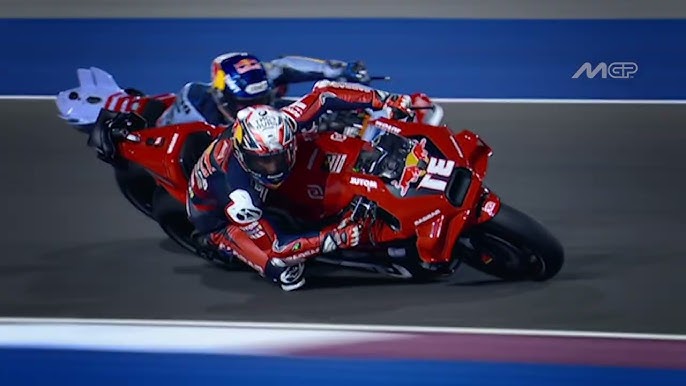
Qatar Grand Prix 2025: Defining Storylines As MotoGP Returns To The Desert
The MotoGP championship arrives at Qatar’s illuminated Lusail International Circuit this weekend for what promises to be a pivotal moment in the 2025 season. After Marc Marquez’s unexpected crash in the Grand Prix of the Americas, the title fight has effectively reset, with just 11 points separating the factory Ducati rider from his teammate Francesco “Pecco” Bagnaia. Meanwhile, Alex Marquez has emerged as the surprise championship leader following a remarkably consistent start to the season with six second-place finishes. Adding further intrigue is the long-awaited return of reigning World Champion Jorge Martin, making his debut for Aprilia after a lengthy injury layoff. The Championship Reset After COTA The expression “championship restarts” rarely comes from a rider who has dominated the early portion of a season. Yet those were precisely the words Marc Marquez uttered with a rueful chuckle following his race-ending crash at the Circuit of the Americas. A venue where the six-time MotoGP champion has historically been nearly unbeatable, COTA instead became the site of a dramatic twist in the 2025 title fight. Prior to his crash, Marquez had been in imperious form. He had outqualified teammate Bagnaia in all three rounds by an average margin of 0.349 seconds and had finished ahead of the Italian in every completed race. The qualifying head-to-head stood at a decisive 3-0 in Marquez’s favor. Had Marquez converted his commanding lead at COTA into victory, he would have opened a 41-point advantage over Bagnaia – a substantial buffer even in a 22-round, 44-race championship. Instead, that potential cushion evaporated in an instant. Marquez’s unforced error transformed what could have been a commanding lead into a fragile 11-point advantage over Bagnaia. More significantly, it placed Alex Marquez at the top of the championship standings, just one point ahead of his more illustrious brother. “The championship restarts,” Marc acknowledged, but while he referenced the tight battle with his brother, the bigger question may be what this means for his season-long duel with factory Ducati teammate Bagnaia. The crash has wiped clean much of the psychological advantage Marquez had built, offering Bagnaia a lifeline as the championship heads to a circuit where the Italian has traditionally excelled. From a purely mathematical standpoint, one race can only mean so much in a 22-round, 44-race championship. But Qatar will mean a lot more than your average race – not in terms of momentum or other nebulous concepts, but in what it will tell us about the 2025 season. The Unprecedented Marquez Brothers Battle Never before in premier class history have brothers occupied the top two positions in the world championship, making the current Alex and Marc Marquez duel unprecedented territory for MotoGP. That Alex leads Marc after three rounds represents perhaps the most surprising narrative of the 2025 season thus far. Alex’s path to the championship lead has been built on remarkable consistency rather than outright pace. Six second-place finishes across the sprint races and grand prix events have earned him the nickname “Mr. Consistent” in the paddock. While he has yet to stand on the top step of the podium this season, his metronomic ability to secure runner-up positions has proven more valuable than his brother’s higher-risk approach of brilliance punctuated by a costly error. The psychological dynamics between the brothers adds another fascinating layer to this developing story. Racing for Gresini Racing rather than the factory Ducati team, Alex arrives in Qatar as the championship leader for the first time in his MotoGP career. The question now becomes whether this new status brings pressure or liberation. “Is Alex Marquez feeling pressure as the title frontrunner?” has become a legitimate talking point in the paddock, as the traditionally less heralded Marquez brother finds himself in unfamiliar territory. For Marc, the dynamic is equally complex. Used to the role of team leader and championship frontrunner, he now finds himself chasing his younger brother while simultaneously battling his factory teammate. His comments ahead of Qatar reveal a rare admission of vulnerability: “This is the first circuit where Alex and Pecco are better,” Marc acknowledged, setting expectations that suggest he would consider limiting damage this weekend a success rather than pushing for outright victory. Lusail could prove decisive in establishing whether Alex’s championship lead represents a temporary anomaly or a genuine changing of the guard within the Marquez family. If Alex outperforms Marc in Qatar, it would not only solidify his championship credentials but potentially reshape the narrative of the 2025 season. Bagnaia’s Moment Of Truth At A Favorable Circuit For defending champion Francesco “Pecco” Bagnaia, Qatar represents something of a moment of truth. After being comprehensively outperformed by new teammate Marc Marquez in the opening rounds, Lusail offers Bagnaia his best opportunity yet to reassert his authority as Ducati’s lead rider. The 11-point deficit to Marquez flatters Bagnaia’s actual performance relative to his Spanish teammate thus far in 2025. Marquez has been demonstrably faster in both qualifying and race conditions, leaving Bagnaia struggling to explain the performance gap. However, Qatar’s Lusail International Circuit has historically been a stronghold for the Italian, who has described it as “a very good track for me”. Bagnaia believes he has finally found a better setup for corner entry with the Ducati GP25, potentially addressing one of his key weaknesses compared to Marquez. If that improvement translates into competitive pace in Qatar, we could see the first genuine head-to-head battle between the factory Ducati teammates in 2025. Interestingly, Bagnaia has dismissed the notion that Marc Marquez will struggle at Lusail despite the Spaniard’s modest premier class record at the venue. “I expect Marc and Alex are the two contenders,” Bagnaia stated ahead of the weekend, perhaps engaging in psychological warfare by placing the pressure of expectation squarely on Marquez’s shoulders. For Bagnaia, Qatar represents a critical juncture in his 2025 campaign. Outperform Marquez here, and the championship battle becomes a genuine two-horse race heading into the European leg of the season. Fall further behind, and the Italian could find himself facing an increasingly uphill struggle to retain his crown. The
