
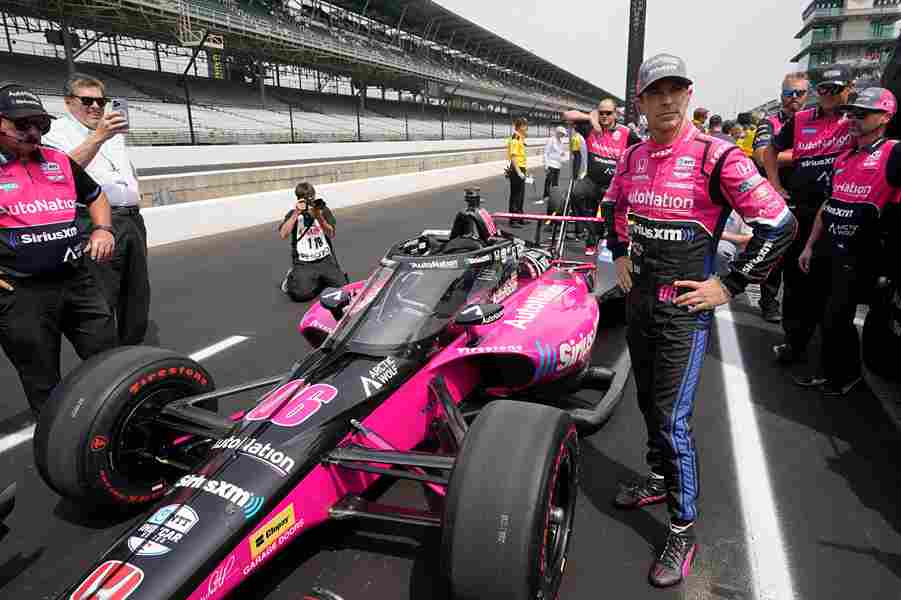
The world of motorsports is filled with talented drivers who have made their mark in various racing series. Among these, the transition from IndyCar to Formula 1 (F1) is particularly intriguing, as it involves adapting to different racing environments, technologies, and competition levels. This article delves into the experiences of IndyCar champions who have made the leap to F1, exploring the challenges they faced and the impact of their transitions on both series. Introduction to IndyCar and Formula 1 IndyCar and Formula 1 are two of the most prestigious open-wheel racing series globally. IndyCar, primarily based in the United States, features a mix of oval and road courses, with the Indianapolis 500 being its most iconic event. F1, on the other hand, is a global series known for its high-speed circuits and advanced technology. The transition from IndyCar to F1 requires drivers to adapt to more complex car systems, higher cornering speeds, and a more competitive field. Key Differences Between IndyCar and F1 Car Specifications: F1 cars are lighter and more powerful, with advanced aerodynamics and engine technology. IndyCars, while also powerful, focus more on durability and handling for a variety of track types. Racing Style: IndyCar emphasizes speed on ovals and versatility on road courses, while F1 focuses on precision and strategy on purpose-built circuits. Global Reach: F1 is a global series with races in over 20 countries, while IndyCar primarily races in the United States and Canada. Challenges Faced by IndyCar Drivers in F1 Transitioning from IndyCar to F1 is not straightforward. Drivers must adjust to cars with more advanced aerodynamics and engine technology, which significantly impact handling and performance. For instance, F1 cars are generally faster on circuits with sharp turns due to their sophisticated aerodynamic packages, while IndyCars excel on oval tracks where aerodynamic drag is less of a factor. Moreover, the race format and competition level in F1 are more intense. F1 races are typically held on purpose-built circuits around the world, with a strong emphasis on strategy and pit stops. In contrast, IndyCar races often include oval tracks, which require different driving techniques focused on maintaining speed and managing fuel efficiency. Notable Transitions: Success Stories Several IndyCar drivers have successfully transitioned to F1, showcasing their versatility and talent: Jacques Villeneuve: A CART champion in 1995, Villeneuve went on to win the F1 World Championship in 1997. His transition highlighted the potential for IndyCar drivers to excel in F1 with the right opportunity. Juan Pablo Montoya: After winning the CART championship in 1999, Montoya moved to F1, where he drove for Williams and McLaren. He demonstrated that IndyCar drivers could adapt to the technical demands of F1. Mario Andretti: Although not a direct transition, Andretti is a legendary figure who won both the F1 World Championship in 1978 and the IndyCar title in 1965. His achievements underscore the skill and adaptability required to succeed in both series. Impact on IndyCar The transition of IndyCar champions to F1 can have several impacts on the IndyCar series: Talent Drain: Losing top drivers to F1 can reduce the competitive depth in IndyCar, potentially affecting fan interest and the overall quality of racing. Promotional Opportunities: When IndyCar drivers succeed in F1, it can increase global recognition for the IndyCar series, attracting new fans and sponsors. Technological Exchange: The exchange of drivers between series can lead to a sharing of technological insights and driving techniques, potentially benefiting both IndyCar and F1. Impact on Formula 1 The influx of IndyCar talent into F1 brings several benefits: Increased Competition: New drivers from IndyCar can enhance the competitive landscape of F1 by introducing fresh perspectives and driving styles. Global Appeal: Successful transitions can boost F1’s global appeal by attracting fans from the IndyCar audience, especially in the United States. Driver Development: F1 teams may see IndyCar as a viable feeder series for talent, similar to how junior open-wheel series like Formula 2 and Formula 3 currently operate. Challenges for IndyCar Drivers in F1 Despite the success stories, transitioning from IndyCar to F1 is fraught with challenges: Limited Opportunities: F1 has a limited number of seats available each season, making it difficult for IndyCar drivers to secure a spot. Technical Complexity: F1 cars are highly sophisticated, requiring drivers to quickly adapt to advanced systems and strategies. Competition Level: The competition in F1 is extremely high, with many talented drivers vying for a few top spots. Case Study: Juan Pablo Montoya Juan Pablo Montoya’s transition from IndyCar to F1 is a prime example of the challenges and opportunities faced by drivers making this leap. Montoya won the CART championship in 1999 before joining Williams in F1. He quickly adapted to the technical demands of F1, scoring several podiums and a win at the 2001 Italian Grand Prix. His success demonstrated that IndyCar drivers could not only compete but also win in F1 with the right team and support. Future Prospects As motorsport continues to evolve, the exchange of talent between IndyCar and F1 will remain crucial. With advancements in technology and the increasing globalization of motorsport, we may see more IndyCar drivers making the transition to F1. This could lead to a more diverse and competitive field in both series, benefiting fans and teams alike. To explore more about how IndyCar and F1 teams maintain their competitive edge through technological innovation, see our article on The Role of Technology in Motorsports. Additional Insights: The Role of Technology Technology plays a crucial role in both IndyCar and F1, with advancements in engine technology, aerodynamics, and data analytics continually pushing the boundaries of performance. For IndyCar drivers transitioning to F1, understanding and adapting to these technological differences is essential. Engine Technology F1 engines are more complex and powerful, with a focus on hybrid technology that combines traditional combustion engines with electric motors. This requires drivers to manage energy deployment strategically during races. In contrast, IndyCars use turbocharged engines that emphasize raw power and durability. Aerodynamics F1 cars feature sophisticated aerodynamic systems, including complex wing designs and
Assessing The Impact Of IndyCar Champions Transitioning To Formula 1
The world of motorsports is filled with talented drivers who have made their mark in various racing series. Among these, the transition from IndyCar to Formula 1 (F1) is particularly intriguing, as it involves adapting to different racing environments, technologies, and competition levels. This article delves into the experiences of IndyCar champions who have made the leap to F1, exploring the challenges they faced and the impact of their transitions on both series. Introduction to IndyCar and Formula 1 IndyCar and Formula 1 are two of the most prestigious open-wheel racing series globally. IndyCar, primarily based in the United States, features a mix of oval and road courses, with the Indianapolis 500 being its most iconic event. F1, on the other hand, is a global series known for its high-speed circuits and advanced technology. The transition from IndyCar to F1 requires drivers to adapt to more complex car systems, higher cornering speeds, and a more competitive field. Key Differences Between IndyCar and F1 Car Specifications: F1 cars are lighter and more powerful, with advanced aerodynamics and engine technology. IndyCars, while also powerful, focus more on durability and handling for a variety of track types. Racing Style: IndyCar emphasizes speed on ovals and versatility on road courses, while F1 focuses on precision and strategy on purpose-built circuits. Global Reach: F1 is a global series with races in over 20 countries, while IndyCar primarily races in the United States and Canada. Challenges Faced by IndyCar Drivers in F1 Transitioning from IndyCar to F1 is not straightforward. Drivers must adjust to cars with more advanced aerodynamics and engine technology, which significantly impact handling and performance. For instance, F1 cars are generally faster on circuits with sharp turns due to their sophisticated aerodynamic packages, while IndyCars excel on oval tracks where aerodynamic drag is less of a factor. Moreover, the race format and competition level in F1 are more intense. F1 races are typically held on purpose-built circuits around the world, with a strong emphasis on strategy and pit stops. In contrast, IndyCar races often include oval tracks, which require different driving techniques focused on maintaining speed and managing fuel efficiency. Notable Transitions: Success Stories Several IndyCar drivers have successfully transitioned to F1, showcasing their versatility and talent: Jacques Villeneuve: A CART champion in 1995, Villeneuve went on to win the F1 World Championship in 1997. His transition highlighted the potential for IndyCar drivers to excel in F1 with the right opportunity. Juan Pablo Montoya: After winning the CART championship in 1999, Montoya moved to F1, where he drove for Williams and McLaren. He demonstrated that IndyCar drivers could adapt to the technical demands of F1. Mario Andretti: Although not a direct transition, Andretti is a legendary figure who won both the F1 World Championship in 1978 and the IndyCar title in 1965. His achievements underscore the skill and adaptability required to succeed in both series. Impact on IndyCar The transition of IndyCar champions to F1 can have several impacts on the IndyCar series: Talent Drain: Losing top drivers to F1 can reduce the competitive depth in IndyCar, potentially affecting fan interest and the overall quality of racing. Promotional Opportunities: When IndyCar drivers succeed in F1, it can increase global recognition for the IndyCar series, attracting new fans and sponsors. Technological Exchange: The exchange of drivers between series can lead to a sharing of technological insights and driving techniques, potentially benefiting both IndyCar and F1. Impact on Formula 1 The influx of IndyCar talent into F1 brings several benefits: Increased Competition: New drivers from IndyCar can enhance the competitive landscape of F1 by introducing fresh perspectives and driving styles. Global Appeal: Successful transitions can boost F1’s global appeal by attracting fans from the IndyCar audience, especially in the United States. Driver Development: F1 teams may see IndyCar as a viable feeder series for talent, similar to how junior open-wheel series like Formula 2 and Formula 3 currently operate. Challenges for IndyCar Drivers in F1 Despite the success stories, transitioning from IndyCar to F1 is fraught with challenges: Limited Opportunities: F1 has a limited number of seats available each season, making it difficult for IndyCar drivers to secure a spot. Technical Complexity: F1 cars are highly sophisticated, requiring drivers to quickly adapt to advanced systems and strategies. Competition Level: The competition in F1 is extremely high, with many talented drivers vying for a few top spots. Case Study: Juan Pablo Montoya Juan Pablo Montoya’s transition from IndyCar to F1 is a prime example of the challenges and opportunities faced by drivers making this leap. Montoya won the CART championship in 1999 before joining Williams in F1. He quickly adapted to the technical demands of F1, scoring several podiums and a win at the 2001 Italian Grand Prix. His success demonstrated that IndyCar drivers could not only compete but also win in F1 with the right team and support. Future Prospects As motorsport continues to evolve, the exchange of talent between IndyCar and F1 will remain crucial. With advancements in technology and the increasing globalization of motorsport, we may see more IndyCar drivers making the transition to F1. This could lead to a more diverse and competitive field in both series, benefiting fans and teams alike. To explore more about how IndyCar and F1 teams maintain their competitive edge through technological innovation, see our article on The Role of Technology in Motorsports. Additional Insights: The Role of Technology Technology plays a crucial role in both IndyCar and F1, with advancements in engine technology, aerodynamics, and data analytics continually pushing the boundaries of performance. For IndyCar drivers transitioning to F1, understanding and adapting to these technological differences is essential. Engine Technology F1 engines are more complex and powerful, with a focus on hybrid technology that combines traditional combustion engines with electric motors. This requires drivers to manage energy deployment strategically during races. In contrast, IndyCars use turbocharged engines that emphasize raw power and durability. Aerodynamics F1 cars feature sophisticated aerodynamic systems, including complex wing designs and

KTM’s Financial Restructuring And Commitment To MotoGP: Navigating Challenges And Opportunities
In the world of motorsports, particularly in MotoGP, Austrian motorcycle manufacturer KTM has been a significant player, known for its high-performance bikes and competitive racing teams. However, KTM has recently faced substantial financial challenges, leading to a comprehensive restructuring plan. This article delves into KTM’s financial restructuring efforts, its commitment to MotoGP, and the implications of these developments for the company and the sport as a whole. Financial Challenges and Restructuring KTM’s financial woes have been well-documented, with the company grappling with a staggering debt of approximately €1.8 billion. This financial burden has necessitated a restructuring plan aimed at ensuring the company’s survival and stability. The restructuring involves a significant write-off of debts, with creditors agreeing to accept only 30% of their claims in cash. This plan requires KTM to deposit €548 million with the restructuring administrator by May 23, 2025. The restructuring process is critical for KTM’s survival, as it aims to avoid bankruptcy and maintain operational continuity. The company has secured a crucial €50 million from Bajaj to facilitate the gradual resumption of production starting mid-March 2025. This financial injection is essential for ramping up production and ensuring cash flow, which is vital for KTM’s recovery. Commitment to MotoGP Despite the financial challenges, KTM’s commitment to MotoGP has been a subject of both speculation and reassurance. Initially, there were plans to exit MotoGP by 2026 as part of cost-saving measures, given the significant financial strain the sport places on the company. However, recent developments suggest a more optimistic outlook. Dorna Sports CEO Carmelo Ezpeleta has revealed that negotiations are underway for a new contract that would see KTM continue in MotoGP beyond 2026, potentially until 2031. This potential extension highlights KTM’s enduring commitment to the sport and its belief in the strategic value of participating in MotoGP. The company’s motorsport director, Pit Beirer, has emphasized that preparations for the 2025 season are proceeding as planned, with no noticeable impact on the team’s competitiveness. Moreover, KTM is already planning for the future, including the development of its 2027 engine, which will align with MotoGP’s transition to an 850cc formula. Strategic Implications KTM’s decision to potentially continue in MotoGP reflects a broader strategic approach aimed at balancing financial recovery with brand visibility and technological innovation. Participating in MotoGP not only enhances KTM’s brand image but also provides a platform for technological development and testing, which can be beneficial for its consumer products. However, the financial constraints necessitate careful cost management. KTM has already announced plans to exit MotoGP by 2026 as part of its initial restructuring strategy, aiming to save approximately €46 million annually by withdrawing from MotoGP, Moto2, and Moto3. This move underscores the company’s efforts to prioritize financial stability while maintaining a presence in motorsports. Future Prospects and Challenges As KTM navigates its financial restructuring and considers its future in MotoGP, several challenges and opportunities emerge: Financial Stability: Securing the necessary funding to meet creditor obligations is paramount. The search for investors, potentially including major brands like BMW, is ongoing. Ensuring financial stability will be crucial for KTM’s long-term viability. MotoGP Participation: The potential extension of KTM’s involvement in MotoGP could provide a significant boost to the brand’s global visibility and technological prowess. However, this must be balanced against the financial costs associated with competing at the highest level. Technological Innovation: MotoGP offers a unique platform for KTM to develop and test cutting-edge motorcycle technology. This innovation can trickle down to consumer products, enhancing their performance and appeal. Marketing and Branding: KTM’s participation in MotoGP provides an opportunity for innovative marketing and branding strategies. By leveraging its racing success and technological advancements, KTM can strengthen its brand identity and attract new customers. To explore more about how top motorsports teams maintain their edge, see our article on the latest strategies in racing technology and team management. Discover how MotoGP superstars and storylines stay ahead of the game through innovative marketing and branding The Role of Partnerships KTM’s financial restructuring and its commitment to MotoGP are also influenced by strategic partnerships. The company’s relationship with Bajaj Auto, which owns a significant stake in KTM, has been instrumental in providing financial support during this challenging period. Additionally, partnerships with other brands could offer additional resources and expertise, potentially enhancing KTM’s competitive position in both the consumer market and MotoGP. Impact on the Motorsports Industry KTM’s situation has broader implications for the motorsports industry. The financial challenges faced by KTM highlight the economic pressures that many motorsports teams and manufacturers face. The cost of competing in top-tier motorsports like MotoGP is substantial, and teams must balance these costs with the need for technological innovation and brand visibility. The potential for KTM to continue in MotoGP despite financial challenges underscores the strategic importance of the sport for manufacturers. MotoGP offers a global platform for showcasing technological prowess and enhancing brand reputation, which can be crucial for attracting customers and investors. Looking Ahead: Opportunities and Challenges As KTM navigates its financial restructuring and potential continued participation in MotoGP, several key factors will influence its success: Financial Recovery: The ability to manage debt and secure stable funding will be crucial for KTM’s long-term viability. Technological Advancements: Continuing to innovate and improve motorcycle technology will be essential for maintaining competitiveness in both MotoGP and the consumer market. Marketing Strategies: Effective marketing and branding will help KTM leverage its racing success to attract new customers and strengthen its brand image. Partnerships and Collaborations: Strategic partnerships could provide additional resources and expertise, enhancing KTM’s position in the industry. To delve deeper into how motorsports teams leverage partnerships for success, explore our article on strategic collaborations in racing. Discover how MotoGP teams optimize their marketing strategies to stay competitive and build brand loyalty. The Broader Impact on Motorsports KTM’s situation highlights broader trends in the motorsports industry. The financial pressures faced by KTM are not unique; many teams and manufacturers struggle to balance the costs of competing with the need for technological innovation and brand visibility. The

Aprilia’s Performance Outlook: Can They Capitalize In Martín’s Absence?
Aprilia, the renowned Italian motorcycle manufacturer, has been making significant strides in the MotoGP arena. With the arrival of Jorge Martín for the 2025 season, Aprilia is poised to challenge the top contenders in the championship. However, the question remains: Can Aprilia maintain its competitive edge if Martín were to face any setbacks or absences? To explore more about how top MotoGP teams maintain their edge, see our article on MotoGP Team Strategies. Introduction to Aprilia’s MotoGP Ambitions Aprilia has been steadily improving its MotoGP performance over the years, with occasional race wins and podiums. The team’s ambition is clear: to become a consistent title contender. With the signing of Jorge Martín, Aprilia aims to elevate its status from an outsider to a serious championship challenger. Key Factors in Aprilia’s Success Rider Lineup: Aprilia’s decision to sign Jorge Martín, the reigning champion, alongside Marco Bezzecchi, marks a significant shift in their strategy. This lineup brings a mix of experience and raw talent, crucial for competing at the highest level. Martín’s championship-winning experience will undoubtedly play a pivotal role in guiding the team towards success. Technical Developments: The Aprilia RS-GP25 represents a major evolution in the team’s technical capabilities. With refined aerodynamics, an optimized chassis, advanced electronics, and a significantly upgraded V4 engine, Aprilia is well-equipped to challenge the top teams. The RS-GP25’s performance enhancements are designed to provide better handling and increased power output, making it a formidable competitor on the track. Partnerships and Collaborations: Aprilia’s renewed partnership with BS Battery for the 2025 and 2026 seasons underscores their commitment to performance and reliability. This collaboration is expected to enhance the team’s overall competitiveness by ensuring consistent energy delivery and reducing downtime due to battery-related issues. Challenges Ahead Despite these positive developments, Aprilia faces several challenges: Consistency: Maintaining consistency throughout the season is crucial. Aprilia must ensure that both Martín and Bezzecchi can perform at their best in every race. This includes managing tire wear, optimizing setup for different circuits, and making strategic decisions during races. Absence or Injury: If Martín were to face any absences due to injury or other reasons, Aprilia’s ability to adapt and maintain its competitive edge would be tested. The team would need to rely on its depth and the performance of its other riders. Developing a strong backup plan, including a capable test rider or reserve rider, could mitigate the impact of such absences. Competition: The MotoGP field is highly competitive, with teams like Ducati, Yamaha, and Honda consistently pushing the boundaries. Aprilia must stay innovative and responsive to changes in the championship. This includes closely monitoring competitors’ strategies and technological advancements to stay ahead. Strategies for Success To capitalize on Martín’s presence and maintain performance in his absence, Aprilia could consider the following strategies: Strong Team Dynamics: Building a cohesive team environment where both riders feel supported and motivated is essential. This includes providing equal opportunities for both Martín and Bezzecchi to compete at the highest level. A harmonious team dynamic can foster collaboration and improve overall performance. Innovative Technical Solutions: Continuously updating and refining the RS-GP25 will be crucial. Aprilia must stay ahead of the curve in terms of technology and performance enhancements. This could involve investing in advanced simulation tools, conducting extensive testing, and collaborating with top engineers to optimize the bike’s performance. Depth in Rider Talent: Ensuring that the team has a strong lineup beyond the factory riders is vital. This includes the development of young talent through programs like the Trackhouse MotoGP Team, which will field Raul Fernandez and Ai Ogura in 2025. Developing a robust talent pipeline can provide a safety net in case of injuries or absences. Strategic Partnerships: Building strong partnerships with suppliers and sponsors can provide Aprilia with the resources needed to maintain its competitive edge. These partnerships can also offer access to cutting-edge technology and expertise, further enhancing the team’s performance. Future Outlook for Aprilia As Aprilia embarks on this new era with Jorge Martín and Marco Bezzecchi, the team’s focus will be on maximizing the potential of the RS-GP25. With a strong technical foundation and a talented rider lineup, Aprilia is well-positioned to make a significant impact in the 2025 MotoGP season. To stay updated on the latest developments and insights from the world of MotoGP, follow MotoGP News. Aprilia’s Broader Impact Beyond MotoGP, Aprilia continues to innovate in the motorcycle industry. The recent unveiling of the 2025 RS125 and Tuono 125, with major updates to comply with Euro 5+ emission standards, highlights the brand’s commitment to both performance and sustainability. Discover more about Aprilia’s latest models and technological advancements at MotoGP news. Aprilia’s Path to Success: A Historical Perspective Aprilia’s history in MotoGP is filled with moments of brilliance and perseverance. From its early days to the present, the team has consistently pushed the boundaries of motorcycle racing. Understanding this history can provide valuable insights into Aprilia’s current strategies and future prospects. Early Years Aprilia’s entry into MotoGP marked a significant shift for the brand, transitioning from smaller classes to the premier category. Despite initial challenges, the team showed resilience and a commitment to improvement. Recent Developments In recent years, Aprilia has made significant strides, including podium finishes and occasional race wins. The signing of top riders like Aleix Espargaró and Maverick Viñales has been instrumental in this progress. Future Directions Looking ahead, Aprilia’s focus on technological innovation and rider talent will be key. The team must continue to refine its bike and develop a strong support system for its riders to ensure consistent performance. The Role of Technology in Aprilia’s Success Technology plays a pivotal role in MotoGP, with teams constantly seeking ways to improve their bikes’ performance. Aprilia’s advancements in areas like aerodynamics, engine power, and electronic systems have been crucial in enhancing the RS-GP25’s capabilities. Aerodynamic Improvements Aprilia has made significant strides in aerodynamics, optimizing the bike’s design to reduce drag and improve handling. This includes the development of advanced winglets and fairings that enhance downforce without compromising
