
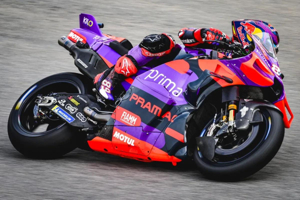
In the high-speed world of MotoGP, where motorcycle racing and technological innovation meet, Yamaha’s YZR-M1 has long been a formidable force. With a legacy of MotoGP championships and a roster of legendary riders like Valentino Rossi and Jorge Lorenzo, Yamaha has consistently pushed the boundaries of racing technology. However, in recent years, the team has faced stiff competition from other manufacturers, leading to a decline in their dominance. As Yamaha prepares for the new season with an updated YZR-M1, the question on everyone’s mind is: Can Yamaha reclaim the podium? Introduction to the Yamaha YZR-M1 The Yamaha YZR-M1 is a 1000cc liquid-cooled inline four-cylinder motorcycle, equipped with a cross-plane crankshaft that produces over 270 horsepower. This powerful engine, combined with a six-speed cassette-type gearbox and a dry multi-plate slipper clutch, provides riders with exceptional control and speed. The bike’s chassis features an aluminum twin tube Delta Box frame with multi-adjustable steering geometry, ensuring stability and agility on the track. Recent Performance and Challenges In recent seasons, Yamaha has struggled to maintain its position at the top of the MotoGP standings. Despite having talented riders like Fabio Quartararo, who won the championship in 2021, the team has faced challenges in consistently competing with the likes of Ducati and Honda. The main issues have been related to the bike’s top speed and cornering ability, areas where other manufacturers have made significant strides. Technical Upgrades and Innovations To address these challenges, Yamaha has focused on several key upgrades for the new YZR-M1: Engine Enhancements: The engine has been tweaked to improve power delivery, particularly in the mid-range, which is crucial for maintaining speed through corners. This involves fine-tuning the fuel injection system and optimizing the exhaust system for better performance. Chassis Improvements: The frame and swingarm have been modified to enhance stability and reduce weight, allowing for quicker turns and better handling. This includes the use of advanced materials like carbon fiber to minimize weight while maintaining strength. Aerodynamics: Yamaha has also worked on improving the bike’s aerodynamics, which is essential for achieving higher top speeds. This includes refining the fairings and winglets to reduce drag and increase downforce. Competitive Edge Yamaha’s competitive edge in MotoGP is not just about the bike; it’s also about the team’s strategy and rider talent. Here are a few factors that could help Yamaha reclaim the podium: Rider Lineup: Having a strong lineup of riders is crucial. Yamaha has consistently attracted top talent, and with riders like Quartararo and Franco Morbidelli, they have a solid foundation for success. Team Dynamics: The team’s ability to work together, share data, and adapt quickly to changing conditions can make a significant difference in performance. Innovative Technology: Yamaha’s commitment to innovation, such as advanced electronics and suspension systems, helps keep them ahead of the curve in terms of bike performance. Marketing and Branding Strategies Beyond the technical aspects, Yamaha also employs innovative marketing and branding strategies to stay ahead. By engaging with fans through social media and creating compelling narratives around their riders and bikes, Yamaha maintains a strong brand presence. Discover how superstars and storylines stay ahead of the game through innovative marketing and branding. Future Prospects Looking ahead, Yamaha’s success will depend on their ability to continuously innovate and adapt to the evolving landscape of MotoGP. This includes staying ahead in terms of engine performance, aerodynamics, and electronics. Additionally, building a strong fan base and engaging with the community through social media and events will be crucial for maintaining brand momentum. The Role of Rider Talent Rider talent is a critical component of Yamaha’s success. Fabio Quartararo, in particular, has shown incredible skill and adaptability, which has been instrumental in Yamaha’s recent performances. His ability to push the bike to its limits and provide valuable feedback to the team has been invaluable. The Impact of Team Dynamics Team dynamics play a significant role in MotoGP success. Yamaha’s ability to foster a collaborative environment where riders and engineers work together seamlessly can enhance bike development and race strategy. This includes sharing data and insights to optimize bike settings and improve overall performance. To explore more about the importance of team dynamics in racing, visit our article. Technical Innovations in MotoGP MotoGP is at the forefront of racing technology, with teams constantly pushing the boundaries of innovation. From advanced aerodynamics to sophisticated electronics, these technologies not only improve bike performance but also influence the broader motorcycle industry. Fan Engagement and Community Building Yamaha’s success is also driven by its strong fan base. Engaging with fans through social media, racing events, and brand experiences helps build a loyal community that supports the team throughout the season. Final Thoughts Yamaha’s journey to reclaim the podium is not just about technical superiority; it’s also about the passion and dedication of the team and its fans. As the new season unfolds, it will be exciting to see how Yamaha’s innovations and strategies play out on the track. Whether you’re a seasoned MotoGP fan or just discovering the thrill of motorcycle racing, the story of Yamaha’s resurgence is sure to captivate. Additional Insights: The Role of Sponsorship in MotoGP Sponsorship plays a crucial role in MotoGP, providing teams with the financial resources needed to invest in technology and talent. Yamaha’s partnerships with major brands not only support their racing efforts but also help promote their products globally. To learn more about the impact of sponsorship on MotoGP teams, check out our analysis. The Future of MotoGP Technology As MotoGP continues to evolve, we can expect to see even more innovative technologies on the track. From electric motorcycles to advanced safety features, the future of MotoGP is exciting and full of possibilities. . Conclusion As Yamaha prepares for the new MotoGP season with an upgraded YZR-M1, there is optimism that they can reclaim their position at the top. With technical improvements, a strong rider lineup, and effective marketing strategies, Yamaha has the potential to once again dominate the podium. Yamaha’s path to reclaiming the podium involves

FIM Announces New Helmet Safety Standards For MotoGP 2025: Enhancing Rider Protection
The world of MotoGP is renowned for its high-speed thrills and technological advancements, but safety remains the top priority. In a significant move to enhance rider protection, the Fédération Internationale de Motocyclisme (FIM) has introduced a new helmet safety standard, FRHPhe-02, set to become mandatory for most FIM competitions from 2026. This development marks a crucial step forward in ensuring the well-being of riders across various disciplines, including MotoGP, off-road racing, and other FIM-organized events. Background: The Evolution of Helmet Safety Standards Helmet safety standards have evolved significantly over the years, with various regulatory bodies like the UN ECE, Snell, and JIS setting benchmarks for helmet manufacturers. However, the FIM’s involvement in creating specialized standards for racing helmets has been pivotal in raising the bar for safety in professional motorcycle racing. In 2019, the FIM introduced the FRHPhe-01 standard, which was initially mandatory for MotoGP riders and later expanded to other circuit racing disciplines in 2020. This standard exceeded existing regulations such as UN ECE 22.06 and Snell M2020, focusing on high-speed impacts and penetration tests to ensure helmets could withstand the extreme conditions of track racing. The New FRHPhe-02 Standard: A Leap Forward in Safety The FRHPhe-02 standard represents a significant enhancement over its predecessor, incorporating more rigorous testing protocols to cover both on-track and off-road helmets. This new standard is designed to provide superior protection against various types of impacts, including: Random Impact Tests: Helmets must survive between 9 to 13 random impacts at 22 pre-established locations on the helmet surface. Anvil Impact Tests: Four impacts against a flat anvil at 8.2 m/s and four impacts against a hemispherical anvil at 7.5 m/s are required, which are not part of the existing FRHPhe-01 or other standards. Oblique Impact Tests: To assess performance in angled impacts, which are common in real-world crashes. Quick-Removal Cheek Pad Test: Ensuring that cheek pads can be swiftly removed in emergency situations. Skull Fracture Criterion (SFC): A new metric to evaluate the risk of skull fractures by measuring average linear acceleration over a calculated time interval. Impact on MotoGP and Beyond While the FRHPhe-02 standard is primarily aimed at enhancing safety in professional racing, its influence will extend beyond MotoGP. The new standard will apply to most FIM competitions, including off-road racing disciplines such as Motocross, Enduro, and Speedway. This expansion underscores the FIM’s commitment to improving safety across all motorcycle sports. For MotoGP specifically, the use of helmets meeting the FRHPhe-02 standard will become increasingly prevalent, especially as manufacturers begin to produce helmets that comply with these stricter regulations. Although not mandatory for MotoGP in 2025, there is a strong recommendation for riders to adopt these helmets, paving the way for a safer racing environment. How Helmet Manufacturers Are Responding Helmet manufacturers are already working to meet the FRHPhe-02 standards, recognizing the importance of providing top-tier safety for professional riders. The introduction of this new standard means that many high-end helmets will need to be upgraded to comply with the enhanced testing protocols. This not only benefits professional racers but also trickles down to road riders who opt for high-performance helmets designed with racing specifications in mind. Technology and Innovation in Helmet Design The development of helmets that meet the FRHPhe-02 standard involves cutting-edge technology and innovative design. Modern racing helmets feature advanced materials and designs, such as: Super Hard Outer Shells: Providing exceptional impact resistance. Multi-Density Styrofoam Inner Layers: Tailored to absorb impacts effectively. Advanced Ventilation Systems: Ensuring optimal airflow and visibility. High-Quality Visors: Designed to protect against debris and weather conditions. The Role of FIM Homologation To ensure compliance with the FRHPhe-02 standard, helmets will be equipped with a QR code sewn into the chinstrap. This QR code links to the helmet’s homologation certification, allowing race organizers to verify the helmet’s legitimacy and track its use in competitions. This system enhances safety by ensuring that only certified helmets are used in FIM events. Safety at the Forefront The introduction of the FRHPhe-02 standard by the FIM marks a significant step forward in enhancing rider safety across various motorcycle disciplines. As the world of MotoGP and other racing categories continues to evolve, the emphasis on safety will remain paramount. By adopting these stricter standards, the FIM is setting a new benchmark for helmet safety, which will undoubtedly influence the broader motorcycle industry. To explore more about how MotoGP teams maintain their edge through innovative technology and safety measures, see our articles on the latest advancements in motorcycle racing. Future Implications and Industry Impact The implementation of the FRHPhe-02 standard will have far-reaching implications for the motorcycle industry. As manufacturers adapt to meet these new requirements, there will be a shift towards more advanced helmet designs that prioritize both safety and performance. This trend is likely to influence not just professional racing but also the broader market for motorcycle helmets, as consumers increasingly seek out safer, high-quality products. Consumer Impact: Safety for All Riders While the FRHPhe-02 standard is primarily aimed at professional racing, its impact will extend to all motorcycle enthusiasts. As helmets meeting this standard become more widely available, riders of all levels will benefit from enhanced safety features. This is particularly important for road riders who often face unpredictable conditions and need reliable protection. Discover how superstars and storylines stay ahead of the game through innovative marketing and branding strategies. The FIM’s Commitment to Safety The FIM’s commitment to safety is evident in its ongoing efforts to improve helmet standards. By continuously updating and refining these standards, the FIM ensures that riders have access to the best possible protective gear. This dedication to safety not only protects riders but also contributes to the overall growth and sustainability of motorcycle sports. Collaboration with Manufacturers The development of the FRHPhe-02 standard involved close collaboration between the FIM and helmet manufacturers. This partnership is crucial in ensuring that helmets not only meet safety requirements but also remain practical and affordable for riders. By working together, the FIM and manufacturers can drive innovation

What It Will Take To Host A Successful Indonesian Grand Prix
The prospect of hosting a Formula 1 (F1) Grand Prix in Indonesia has been gaining momentum, with the country aiming to join the prestigious racing calendar as early as 2026. This ambitious goal requires careful planning, infrastructure development, and strategic marketing. To explore more about how F1 teams maintain their edge, see our article on F1 Team Strategies. In this article, we will delve into the essential elements necessary for Indonesia to successfully host a Grand Prix, focusing on circuit readiness, government support, and fan engagement. Circuit Readiness: Meeting FIA Standards Hosting an F1 event demands a circuit that meets the FIA’s Grade 1 standards. Currently, Indonesia’s most promising venue is the Mandalika International Street Circuit on the island of Lombok. This circuit has already been homologated to FIM Grade A standards for MotoGP and World Superbike events. However, to accommodate F1, it would need significant upgrades, including enhanced safety features and infrastructure improvements. Key Upgrades Needed: Safety Barriers: Installation of more robust barriers to protect drivers and spectators. Pit Lane and Paddock: Expansion to accommodate F1 teams’ larger pit crews and equipment. Track Surface: Ensuring the track surface is durable enough to handle the high-speed and high-downforce nature of F1 cars. Discover how circuit designers and engineers play a crucial role in optimizing track layouts for safety and performance at Circuit Design Innovations. Government Support and Infrastructure Development Government backing is crucial for securing the necessary funding and resources to upgrade the circuit and support infrastructure. The Indonesia Motorsports Association (IMI) has been working closely with the government to secure a spot on the F1 calendar for 2026. This includes not only circuit upgrades but also developing surrounding infrastructure such as hotels, transportation links, and spectator facilities. Infrastructure Development: Accommodation: Building more hotels and resorts to accommodate the influx of visitors. Transportation: Enhancing airport facilities and possibly introducing high-speed ferry services from nearby Bali to Lombok. Spectator Facilities: Expanding grandstands and temporary seating areas to increase capacity. Fan Engagement and Marketing Strategies Engaging with local and international fans is vital for the success of any Grand Prix. This involves creating a buzz around the event through innovative marketing and branding strategies. Marketing Strategies: Social Media Campaigns: Utilizing platforms like Instagram and Facebook to promote the event and engage with fans. Local Events: Hosting pre-event activities and festivals to build excitement among local communities. International Promotion: Partnering with global brands to promote the Indonesian Grand Prix worldwide. Economic Benefits and Sustainability Hosting a Grand Prix can have significant economic benefits for the host country, including increased tourism and job creation. However, it’s also important to consider sustainability and minimize the event’s environmental impact. This could involve using renewable energy sources for circuit operations and promoting eco-friendly practices among spectators. Sustainability Measures: Renewable Energy: Implementing solar or wind power to reduce carbon emissions. Waste Management: Implementing efficient recycling and waste disposal systems. Community Involvement: Encouraging local communities to participate in sustainability initiatives. To learn more about sustainable event management, see our article on Green Event Planning. Cultural Integration and Community Engagement Integrating the event with local culture and engaging the community are essential for creating a memorable experience. This can involve incorporating traditional Indonesian elements into the event, such as music, dance, and cuisine. Cultural Integration: Traditional Performances: Hosting traditional Indonesian performances during the event. Local Cuisine: Offering a variety of local dishes at the circuit’s food stalls. Community Involvement: Encouraging local participation in event planning and execution. Future Prospects and Challenges As Indonesia moves forward with its plans, it will face several challenges, including competition from other potential host countries and the need to balance economic benefits with environmental concerns. However, the potential rewards are substantial, including increased international visibility and economic growth. Future Challenges: Competition: Other countries may also be vying for a spot on the F1 calendar. Environmental Concerns: Balancing economic benefits with environmental sustainability. Economic Growth: Ensuring that the event contributes positively to the local economy. To explore more about sustainable economic growth strategies for major events, see our article on Sustainable Event Economics. International Collaboration and Learning Collaborating with experienced F1 hosts can provide valuable insights and strategies for success. Indonesia can learn from countries like Singapore and Malaysia, which have successfully hosted F1 events in the past. International Collaboration: Knowledge Sharing: Collaborating with experienced hosts to learn best practices. Technology Transfer: Adopting advanced technologies used in other circuits. Marketing Strategies: Adapting successful marketing strategies from other events. Conclusion Hosting a successful Indonesian Grand Prix requires a multifaceted approach, encompassing circuit upgrades, government support, fan engagement, sustainability, and cultural integration. By focusing on these key areas, Indonesia can not only secure its place on the F1 calendar but also create a memorable and impactful event that benefits both the sport and the local community. In conclusion, hosting a successful Indonesian Grand Prix is an ambitious but achievable goal. By focusing on circuit readiness, government support, fan engagement, sustainability, cultural integration, and international collaboration, Indonesia can create a world-class event that benefits both the sport and the local community. As the country moves forward with its plans, it will be exciting to see how these elements come together to make the Indonesian Grand Prix a memorable and impactful event.
What It Will Take To Host A Successful Indonesian Grand Prix
The prospect of hosting a Formula 1 (F1) Grand Prix in Indonesia has been gaining momentum, with the country aiming to join the prestigious racing calendar as early as 2026. This ambitious goal requires careful planning, infrastructure development, and strategic marketing. To explore more about how F1 teams maintain their edge, see our article on F1 Team Strategies. In this article, we will delve into the essential elements necessary for Indonesia to successfully host a Grand Prix, focusing on circuit readiness, government support, and fan engagement. Circuit Readiness: Meeting FIA Standards Hosting an F1 event demands a circuit that meets the FIA’s Grade 1 standards. Currently, Indonesia’s most promising venue is the Mandalika International Street Circuit on the island of Lombok. This circuit has already been homologated to FIM Grade A standards for MotoGP and World Superbike events. However, to accommodate F1, it would need significant upgrades, including enhanced safety features and infrastructure improvements. Key Upgrades Needed: Safety Barriers: Installation of more robust barriers to protect drivers and spectators. Pit Lane and Paddock: Expansion to accommodate F1 teams’ larger pit crews and equipment. Track Surface: Ensuring the track surface is durable enough to handle the high-speed and high-downforce nature of F1 cars. Discover how circuit designers and engineers play a crucial role in optimizing track layouts for safety and performance at Circuit Design Innovations. Government Support and Infrastructure Development Government backing is crucial for securing the necessary funding and resources to upgrade the circuit and support infrastructure. The Indonesia Motorsports Association (IMI) has been working closely with the government to secure a spot on the F1 calendar for 2026. This includes not only circuit upgrades but also developing surrounding infrastructure such as hotels, transportation links, and spectator facilities. Infrastructure Development: Accommodation: Building more hotels and resorts to accommodate the influx of visitors. Transportation: Enhancing airport facilities and possibly introducing high-speed ferry services from nearby Bali to Lombok. Spectator Facilities: Expanding grandstands and temporary seating areas to increase capacity. Fan Engagement and Marketing Strategies Engaging with local and international fans is vital for the success of any Grand Prix. This involves creating a buzz around the event through innovative marketing and branding strategies. Marketing Strategies: Social Media Campaigns: Utilizing platforms like Instagram and Facebook to promote the event and engage with fans. Local Events: Hosting pre-event activities and festivals to build excitement among local communities. International Promotion: Partnering with global brands to promote the Indonesian Grand Prix worldwide. Economic Benefits and Sustainability Hosting a Grand Prix can have significant economic benefits for the host country, including increased tourism and job creation. However, it’s also important to consider sustainability and minimize the event’s environmental impact. This could involve using renewable energy sources for circuit operations and promoting eco-friendly practices among spectators. Sustainability Measures: Renewable Energy: Implementing solar or wind power to reduce carbon emissions. Waste Management: Implementing efficient recycling and waste disposal systems. Community Involvement: Encouraging local communities to participate in sustainability initiatives. To learn more about sustainable event management, see our article on Green Event Planning. Cultural Integration and Community Engagement Integrating the event with local culture and engaging the community are essential for creating a memorable experience. This can involve incorporating traditional Indonesian elements into the event, such as music, dance, and cuisine. Cultural Integration: Traditional Performances: Hosting traditional Indonesian performances during the event. Local Cuisine: Offering a variety of local dishes at the circuit’s food stalls. Community Involvement: Encouraging local participation in event planning and execution. Future Prospects and Challenges As Indonesia moves forward with its plans, it will face several challenges, including competition from other potential host countries and the need to balance economic benefits with environmental concerns. However, the potential rewards are substantial, including increased international visibility and economic growth. Future Challenges: Competition: Other countries may also be vying for a spot on the F1 calendar. Environmental Concerns: Balancing economic benefits with environmental sustainability. Economic Growth: Ensuring that the event contributes positively to the local economy. To explore more about sustainable economic growth strategies for major events, see our article on Sustainable Event Economics. International Collaboration and Learning Collaborating with experienced F1 hosts can provide valuable insights and strategies for success. Indonesia can learn from countries like Singapore and Malaysia, which have successfully hosted F1 events in the past. International Collaboration: Knowledge Sharing: Collaborating with experienced hosts to learn best practices. Technology Transfer: Adopting advanced technologies used in other circuits. Marketing Strategies: Adapting successful marketing strategies from other events. Conclusion Hosting a successful Indonesian Grand Prix requires a multifaceted approach, encompassing circuit upgrades, government support, fan engagement, sustainability, and cultural integration. By focusing on these key areas, Indonesia can not only secure its place on the F1 calendar but also create a memorable and impactful event that benefits both the sport and the local community. In conclusion, hosting a successful Indonesian Grand Prix is an ambitious but achievable goal. By focusing on circuit readiness, government support, fan engagement, sustainability, cultural integration, and international collaboration, Indonesia can create a world-class event that benefits both the sport and the local community. As the country moves forward with its plans, it will be exciting to see how these elements come together to make the Indonesian Grand Prix a memorable and impactful event.
