

MotoGP, the high-speed world of elite motorcycle racing, stands at a fascinating crossroads. Besieged by technological innovation and fierce competition, the sport never ceases to evolve, with companies like Ducati at the forefront in innovation. Ducati, with a rich history of success and creative engineering, plays a central part in shaping the future of MotoGP. Its recent prototype selections, and more notably those for 2025 and beyond, give a glimpse into strategic thinking and long-term vision behind the Italian giant. Ducati’s success in MotoGP can be Ducati’s road to being a power in MotoGP was not a simple one. Early efforts were thwarted, but the company’s unrelenting commitment to innovation eventually paid off. Their Desmosedici, with a strong power unit and distinctive tone, was a testament to Italian engineering prowess. Key Innovations Ducati has always been at the forefront in MotoGP, developing innovations that have subsequently become standard. They include: Desmodromic Valve System: This system eliminates valve springs and allows for more RPM and efficiency in the engine. Carbon Fiber Chassis Pieces: Ducati were one of the pioneers in making extensive use of carbon fiber to minimize weight and enhance chassis stiffness. Advanced Electronics: The firm has been at the forefront in developing sophisticated wheelie control, advanced traction control, and engine management systems. Aerodynamic Development: Ducati’s revolutionary aerodynamic designs, particularly its fairings and wings, have had a strong influence on MotoGP’s technical and visual side. Riding Talent and Team Dynamics Apart from technology, another factor contributing to Ducati’s success has been that it has been able to develop and recruit talented riders. World Champions like Casey Stoner and Francesco Bagnaia have been successful with Ducati motorcycles. Besides that, Ducati’s single organizational set-up and evidence-based strategy in racing have also ensured it has remained at the top. 2025 Season: Taking a Calculated Gamble with the Familiar Early anticipation for the 2025 MotoGP season had centered around Ducati’s unveiling of a completely new prototype. Instead, however, the squad surprised everyone by opting to refine its very successful GP24 model. This was a considered strategy even if it appeared to be a conservative approach. Reasons for Sticking with the GP24 Certain factors likely influenced Ducati’s decision: Issues with performance and reliability: The new prototype, wonderful as it was, may have had performance or reliability issues during testing that were not easily resolved. Engine Freeze Regulations: The impending engine freeze, to continue until the end of 2026, meant that whatever homologated engine was adopted would be frozen for two years. Ducati would not want to commit to utilizing an untested design for such a long period. Championship Expectations: Having riders like Marc Marquez and Francesco Bagnaia in championship contention, Ducati would have likely emphasized a proven, competitive platform before taking risks with new technology. Data Acquisition and Development: Ongoing with GP24, Ducati was able to capture valuable information and continue to develop the existing platform, to guide future developments. Subtleties in the Ducati Camp While the approach to the engine is consistent, there are nuanced differences in the Ducati camp. Factory teams can be given slightly different chassis parts or aerodynamic kits, giving them a possible edge. This subtle approach allows Ducati to test new ideas with a solid foundation of established performance. Implications to the 2025 MotoGP Environment Ducati’s commitment to use the GP24 has implications that extend beyond the 2025 MotoGP season. Impact on Championship Contenders Racing the GP24 promises a solid and competitive platform for Ducati’s title challengers. Riders like Marc Marquez and Francesco Bagnaia receive a bike with strong points and stable handling. Pressure on Competitor Manufacturers Ducati’s dominance puts enormous pressure on competitors like Yamaha, Honda, KTM, and Aprilia. These teams must do everything they can to close the gap, whether it be with revolutionary advancements or incremental developments. The year in 2025 will be a test to see whether they can keep up with Ducati’s highly-refined package. Development Strategies and Resource Allocation Ducati’s conservative approach in 2025 allows the team to focus resources on developing next-gen technologies, like the pivotal prototype in 2027. This long-term approach is required in order to maintain a lead in a shifting regulation environment. 2027 Revolution: A New Era in MotoGP The year 2027 marks a watershed in the sport with sweeping regulation changes that will radically transform the character of the motorcycles. Key Regulation Changes Some of the biggest changes include: Engine Capacity Downsizing: Engines will be downsized from 1000cc to 850cc, and manufacturers will have to redesign engines and power delivery to meet these new capacities. Aerodynamic Restrictions: Harsh reductions in aerodynamic appendages will shift focus back to mechanical grip and body dynamics. Ride Height Device Prohibition: The ban on ride height devices will take away a principal avenue through which acceleration and corner exit velocity can be maximized. Sustainable fuel: Adoption of sustainable fuel mandates. Ducati’s Early Preparation for 2027 Ducati has already started developing its 2027 prototype with a focus to be in the lead when new regulations come into effect. It’s investing heavily in research and development, exploring new frame designs, new layouts for engines, and electronic control units. Impact on Racing Style and Rider Capability It’s predicted that in 2027, regulations will transform the racing style in MotoGP. With fewer ride height and aerodynamics devices to depend upon, skill from the riders will be even more critical. Fine throttle control, smooth cornering, and flexibility will be necessary to be successful. Challenges and Opportunities for Ducati in 2027 Ducati has challenges and opportunities in terms of regulations in 2027. Maintaining a competitive edge Ducati’s challenge will be to maintain competitive edge during such drastic transformation. The team will be required to alter its engineering philosophy and come up with a motorcycle that flourishes in the new constraints. Uncovering new technologies New regulations also leave space for innovation. Ducati can innovate with new technologies for engines, new frame designs, and new electronic control units to create a motorcycle that’s fast and easy to ride. Cost Management and Sustainability
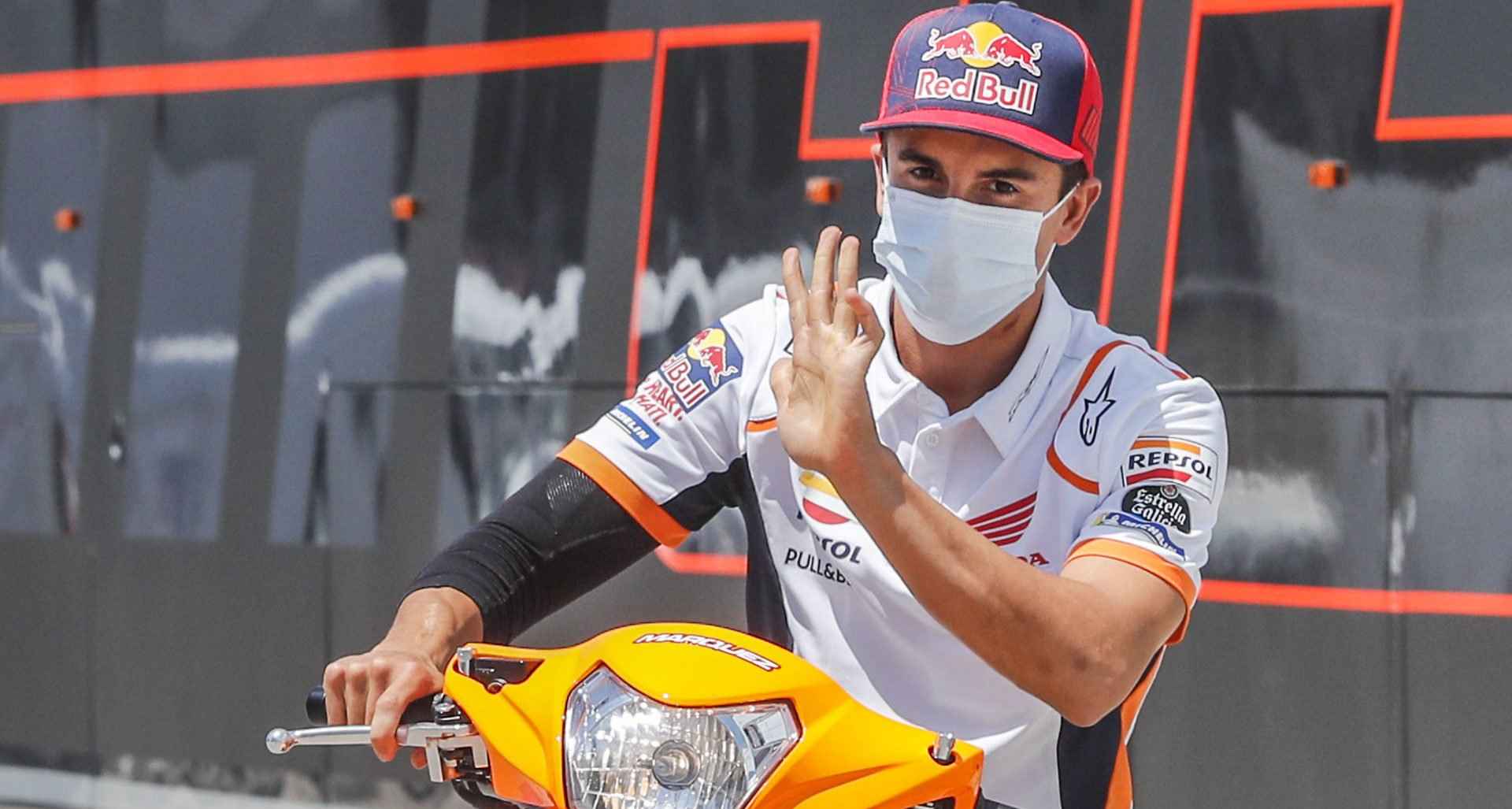
The Challenges And Triumphs Of Marc Marquez’s Injury Recovery
One of history’s best motorcycle racers, Marc Marquez, has had his share of adversity in his career, and possibly none more so than his lengthy recuperation from a catastrophic arm injury during the course of the 2020 MotoGP season. This article delves into the facts behind Marquez’s experience, from setbacks to triumphs and lessons learned along his lengthy and arduous road to recuperation. Background: The Injury On July 19, 2020, during a crash in the Spanish Grand Prix in Jerez, Marquez broke his right humerus. The break was so bad that it required a surgery in which a plate made of titanium was implanted to secure his bone. Despite his severe injury, Marquez returned to racing just five days later, a move that would prove to be premature and would damage his recovery. It was a decision that was brought about by Marquez’s competitive drive and desire to continue competing for the championship. This adrenaline would, in the end, create more problems and prolong his recuperation. The initial operation had been a success, but stress placed upon the plate, made from titanium, proved to be more than it could handle, and a second operation was necessitated just a week and a half later. The Early Recovery and Relapses His recuperation from his first operation was interrupted by complications. The titanium plate installed to stabilize his arm was put under undue stress and necessitated a second operation. This accident caused Marquez to abandon his opportunities to ride in the remainder of the 2020 season. Not being able to ride was a tremendous blow, both physically and mentally, as it was his first time in his MotoGP career that he would miss a complete season. In a third operation in December 2020, his titanium plate was replaced, and a bone graft from his pelvis was done to aid in healing. The operation was, however, fraught with infection and required another hospital stay. Not only did these delays prolong Marquez’s recuperation, but they also brought into question whether he could return to racing at his former level. The infection was a particularly troublesome challenge, as it not only delayed his recuperation, but it also put his arm’s health in general at risk. The infection had to be dealt with carefully by the doctors and staff while providing the bone graft and new plate with the best possible chance to be successful. This was a frustrating and uncertain period for Marquez, who was eager to return to racing. Back to Racing and Other Challenges He returned to racing in April 2021 in a cautious manner at the Algarve Grand Prix and took a respectable seventh. This was a huge success in his recuperation as he was able to compete even with ongoing physical challenges. His return was short-lived, however, as a return of diplopia (double vision) that he had initially developed in 2011 forced him to miss the rest of the season in 2021. The year 2022 brought new challenges with a crash in Indonesia that brought his double vision issues back. Missing a series of races, Marquez announced that he would undergo a fourth operation to stabilize his arm. The operation, performed at the prestigious Mayo Clinic in America, involved a humeral osteotomy to correct his humerus. The operation was a success, a huge step in his path to full recovery. It was a strategic move to have surgery at Mayo Clinic because it offered access to some of the finest orthopedic surgeons in the globe. It was a complex procedure and one that had to be planned with a lot of care to ensure it would address the issues with Marquez’s arm. This operation was a turning point in his recuperation because it finally established a solid foundation to build his strength and endurance back. Triumphs and Lessons Learned Throughout his recuperation, Marquez has enjoyed moments of triumph that have served to underscore his resolve and resilience. In 2021, despite his health issues continuing to be a problem, he was successful in winning three events, one being a victory at Sachsenring, a circuit that he has traditionally ridden best. These successes not only served to indicate his ability to perform at his best under stress but also as a testament to his unyielding commitment to his vocation. One of the largest lessons Marquez has learned in these years has been patience. He rushed back to racing initially, which made his injuries worse and prolonged his return. This time around, his more cautious approach has had him concentrating on proper rehab, ensuring he returns to racing in top form. This new patience has been critical in allowing Marquez to regain his physical strength and endurance. This has included a great deal of rehab work, i.e., gym work and physio, to recover the muscle mass and flexibility to be able to handle a MotoGP bike. He has also had to build his mental toughness, dealing with the mental strain of repeated setbacks and uncertainty about his MotoGP future. Mental and Physical Rehabilitation Marquez’s return has been as much a test of his mind as it has been a test of his body. The mental strain of being repeatedly thwarted and having no idea what his MotoGP future holds has been enormous. However, he has never let his optimism and his will to return to his former performance waver. Physically, Marquez has been working to regain his strength and endurance, particularly in his arm, which has been weakened by a series of operations. This has involved a rigorous rehab course with a view to regaining the muscle mass and flexibility to be in a position to cope with the physical demands involved in racing a MotoGP bike. The rehab has been very structured, with each step being designed in such a way that Marquez returns to racing in prime form. Mentally, his recuperation has been just as important. Marquez has worked extensively with sports psychologists to address the stress and frustration involved in being
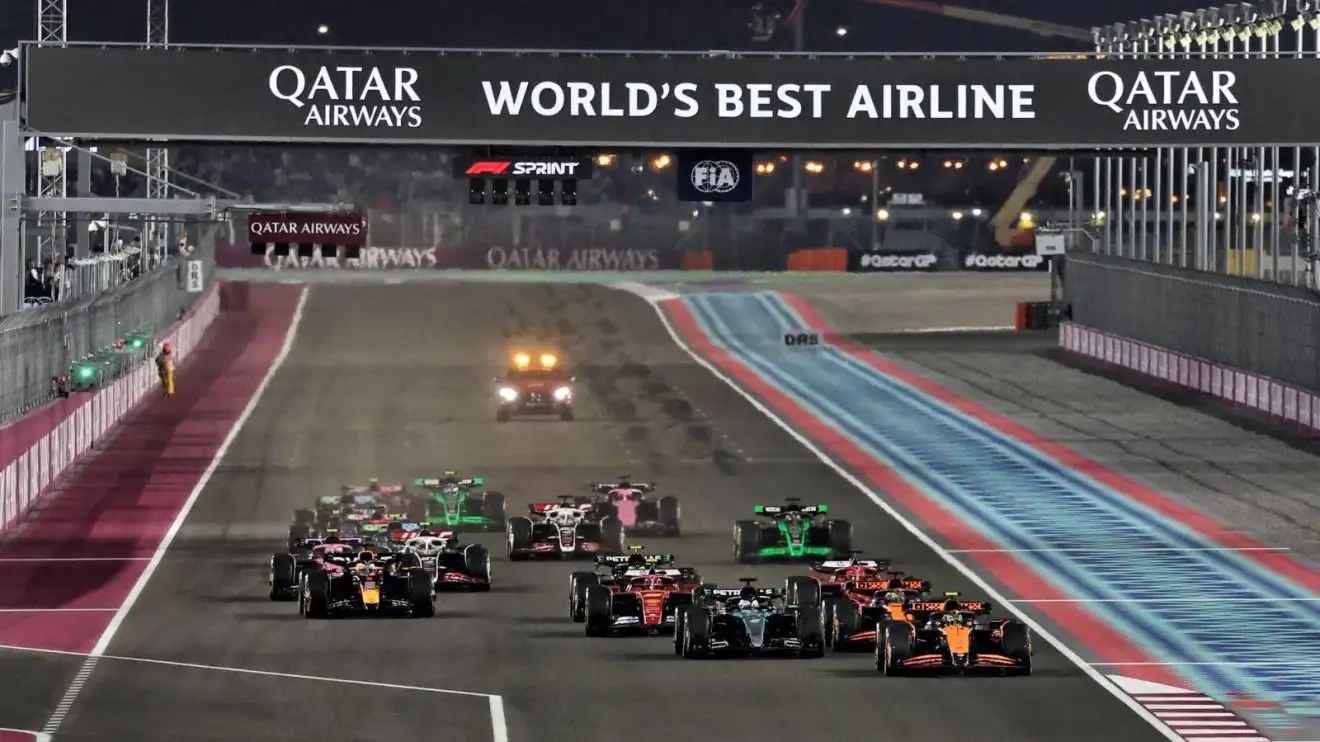
F1 Confirms Return Of The Indonesian Grand Prix For 2025
Motorsports enthusiasts worldwide have been in a whirlwind of anticipation with news that the Indonesian Grand Prix has been officially confirmed to resume action in 2025. This is a huge breakthrough for Indonesia, a nation with a rich history in motorsports and a long break from F1. With planning already in progress and a renewed passion for racing from fans, the Indonesian Grand Prix will be one of the highlights in the 2025 F1 season. A Historical Comeback The Indonesian Grand Prix has a storied history, with its debut in 1976 at Jaya Ancol Circuit in Jakarta. It has appeared in various forms in various years, like a second in 1993 at Sentul International Circuit. Indonesia has not hosted F1 in recent years, so this return makes it even more remarkable. F1 CEO Stefano Domenicali’s statement emphasizes the importance of this event as part of a broader strategy to expand F1’s presence globally, particularly in Southeast Asia, whose interest in motorsports continues to grow. Historical Context 1976 Jaya Ancol Circuit: It was the venue for the very first Indonesian Grand Prix and Indonesia’s F1 debut. 1993 Sentul International Circuit: The second and most recent F1 event in Indonesia, which proved that Indonesia has great potential in terms of motorsports. It’s not just a case of reinstating a bygone tradition, but one of embracing a new era in Indonesian motorsports. It’s a reflection of a desire by the country to be a power to be reckoned with in international racing. The Location: A Circuit to be remembered While specific details about what circuit will be hosted by the 2025 Indonesian Grand Prix have not been revealed, a few likely candidates exist. Sentul International Circuit has been mentioned as a likely prospect due to it already having established infrastructure and a history of international racing. However, new city tracks have also been considered in a move to create a new racing environment that can live up to F1’s high standards. Possible Circuit Options Sentul International Circuit: It has a background in F1-related events and international racing experience. Urban Circuit in Jakarta: A circuit planned to have the potential to bring F1 racing to central Jakarta and make it more accessible to supporters. Bintan Island Circuit: This location offers stunning scenery and could attract tourism alongside the race. Venue choice will be critical not only for the experience of the race but also to address logistical requirements. It will necessitate upgrades to infrastructure to accommodate the flow of fans and teams that will be arriving for the event. Economic Impact and Tourism Boost F1’s return to Indonesia will have a considerable economic impact in Indonesia. Previous events such as MotoGP events in Mandalika have proved how such events can generate tourism and local business. Hotels, restaurants, and services saw high increases in patronage during these events, and such can be anticipated for the Indonesian Grand Prix. Major economic benefits Increased Tourism: The Grand Prix will draw thousands of foreign tourists, and local tourism industries will be boosted. Job Creation: These events create temporary hospitality, security, and event management jobs. Hosting a nation’s inaugural F1 event would necessitate local infrastructure upgrades, and these could have a long-term effect for residents. The economic effects extend beyond the immediate event. The infrastructure established for the event can enhance local communities’ quality of life and serve as a platform for future tourism initiatives. Fan Engagement and Community Involvement One can feel the enthusiasm from Indonesian fans. Local motorsports organizations have been making efforts to popularize motorsports culture throughout Indonesia. Community participation in events before the Grand Prix will be essential to build interest and local support. Strategies for Engaging Fans Local Racing Events: Hosting local racing events prior to the Grand Prix can generate interest. Education programs in motorsports can inspire younger generations and encourage participation. Merchandising Opportunities: F1-themed merchandise can be merchandised by local businesses during race week. It’s necessary to have fan participation to create a dynamic atmosphere during the event. It also helps to build a long-term fan base that will keep motorsport in Indonesia thriving even beyond the Grand Prix. Challenges Ahead Although enthusiasm accompanies the return of the Indonesian Grand Prix, a number of challenges have to be met. Readiness in terms of infrastructure is a priority; making roads, accommodations, and facilities international-standard will involve a lot of investment and planning. Key Challenges Enhancing roads and amenities to support a high level of visitors is essential to success. Logistical Coordination: Coordination between local authorities, F1 management, and sponsors will be critical to ensure a smooth operation. Sustainability Goals: F1’s sustainability objectives will be met with innovative solutions by organizers. Overcoming these obstacles will not only ensure success in the event but also set a precedent for future motorsports events in Indonesia. The Future of Motorsport in Indonesia Confirmation of the Indonesian Grand Prix signals a new emphasis on motorsports in Indonesia. It opens opportunities not only for future F1 events but also for international events like MotoGP and endurance racing events. The potential for expansion in motorsports can generate investment in infrastructure and leave a lasting legacy for generations to come. Long-term vision Racing Circuit Development: Continuous investment in racing facilities can transform Indonesia into a prime location for holding motorsports events. Youth Programs: Establish programs to encourage youth participation in motorsports in order to build future talent. International Cooperation: Collaborating with international organizations can improve Indonesia’s stature in international racing. This vision for the future underscores Indonesia’s ambition to become a major player in the global motorsport scene. Conclusion The return in 2025 of the Indonesian Grand Prix marks a new and exhilarating chapter not just for Formula 1, but for Indonesia as a country. With a strong history in motorsports and a rapidly expanding fan base, Indonesia is set to take full advantage of this opportunity. With planning in full swing for what will be a sensational event, everyone’s eyes will be focused on Indonesia as it comes back

F1 Confirms Return Of The Indonesian Grand Prix For 2025
Motorsports enthusiasts worldwide have been in a whirlwind of anticipation with news that the Indonesian Grand Prix has been officially confirmed to resume action in 2025. This is a huge breakthrough for Indonesia, a nation with a rich history in motorsports and a long break from F1. With planning already in progress and a renewed passion for racing from fans, the Indonesian Grand Prix will be one of the highlights in the 2025 F1 season. A Historical Comeback The Indonesian Grand Prix has a storied history, with its debut in 1976 at Jaya Ancol Circuit in Jakarta. It has appeared in various forms in various years, like a second in 1993 at Sentul International Circuit. Indonesia has not hosted F1 in recent years, so this return makes it even more remarkable. F1 CEO Stefano Domenicali’s statement emphasizes the importance of this event as part of a broader strategy to expand F1’s presence globally, particularly in Southeast Asia, whose interest in motorsports continues to grow. Historical Context 1976 Jaya Ancol Circuit: It was the venue for the very first Indonesian Grand Prix and Indonesia’s F1 debut. 1993 Sentul International Circuit: The second and most recent F1 event in Indonesia, which proved that Indonesia has great potential in terms of motorsports. It’s not just a case of reinstating a bygone tradition, but one of embracing a new era in Indonesian motorsports. It’s a reflection of a desire by the country to be a power to be reckoned with in international racing. The Location: A Circuit to be remembered While specific details about what circuit will be hosted by the 2025 Indonesian Grand Prix have not been revealed, a few likely candidates exist. Sentul International Circuit has been mentioned as a likely prospect due to it already having established infrastructure and a history of international racing. However, new city tracks have also been considered in a move to create a new racing environment that can live up to F1’s high standards. Possible Circuit Options Sentul International Circuit: It has a background in F1-related events and international racing experience. Urban Circuit in Jakarta: A circuit planned to have the potential to bring F1 racing to central Jakarta and make it more accessible to supporters. Bintan Island Circuit: This location offers stunning scenery and could attract tourism alongside the race. Venue choice will be critical not only for the experience of the race but also to address logistical requirements. It will necessitate upgrades to infrastructure to accommodate the flow of fans and teams that will be arriving for the event. Economic Impact and Tourism Boost F1’s return to Indonesia will have a considerable economic impact in Indonesia. Previous events such as MotoGP events in Mandalika have proved how such events can generate tourism and local business. Hotels, restaurants, and services saw high increases in patronage during these events, and such can be anticipated for the Indonesian Grand Prix. Major economic benefits Increased Tourism: The Grand Prix will draw thousands of foreign tourists, and local tourism industries will be boosted. Job Creation: These events create temporary hospitality, security, and event management jobs. Hosting a nation’s inaugural F1 event would necessitate local infrastructure upgrades, and these could have a long-term effect for residents. The economic effects extend beyond the immediate event. The infrastructure established for the event can enhance local communities’ quality of life and serve as a platform for future tourism initiatives. Fan Engagement and Community Involvement One can feel the enthusiasm from Indonesian fans. Local motorsports organizations have been making efforts to popularize motorsports culture throughout Indonesia. Community participation in events before the Grand Prix will be essential to build interest and local support. Strategies for Engaging Fans Local Racing Events: Hosting local racing events prior to the Grand Prix can generate interest. Education programs in motorsports can inspire younger generations and encourage participation. Merchandising Opportunities: F1-themed merchandise can be merchandised by local businesses during race week. It’s necessary to have fan participation to create a dynamic atmosphere during the event. It also helps to build a long-term fan base that will keep motorsport in Indonesia thriving even beyond the Grand Prix. Challenges Ahead Although enthusiasm accompanies the return of the Indonesian Grand Prix, a number of challenges have to be met. Readiness in terms of infrastructure is a priority; making roads, accommodations, and facilities international-standard will involve a lot of investment and planning. Key Challenges Enhancing roads and amenities to support a high level of visitors is essential to success. Logistical Coordination: Coordination between local authorities, F1 management, and sponsors will be critical to ensure a smooth operation. Sustainability Goals: F1’s sustainability objectives will be met with innovative solutions by organizers. Overcoming these obstacles will not only ensure success in the event but also set a precedent for future motorsports events in Indonesia. The Future of Motorsport in Indonesia Confirmation of the Indonesian Grand Prix signals a new emphasis on motorsports in Indonesia. It opens opportunities not only for future F1 events but also for international events like MotoGP and endurance racing events. The potential for expansion in motorsports can generate investment in infrastructure and leave a lasting legacy for generations to come. Long-term vision Racing Circuit Development: Continuous investment in racing facilities can transform Indonesia into a prime location for holding motorsports events. Youth Programs: Establish programs to encourage youth participation in motorsports in order to build future talent. International Cooperation: Collaborating with international organizations can improve Indonesia’s stature in international racing. This vision for the future underscores Indonesia’s ambition to become a major player in the global motorsport scene. Conclusion The return in 2025 of the Indonesian Grand Prix marks a new and exhilarating chapter not just for Formula 1, but for Indonesia as a country. With a strong history in motorsports and a rapidly expanding fan base, Indonesia is set to take full advantage of this opportunity. With planning in full swing for what will be a sensational event, everyone’s eyes will be focused on Indonesia as it comes back
