
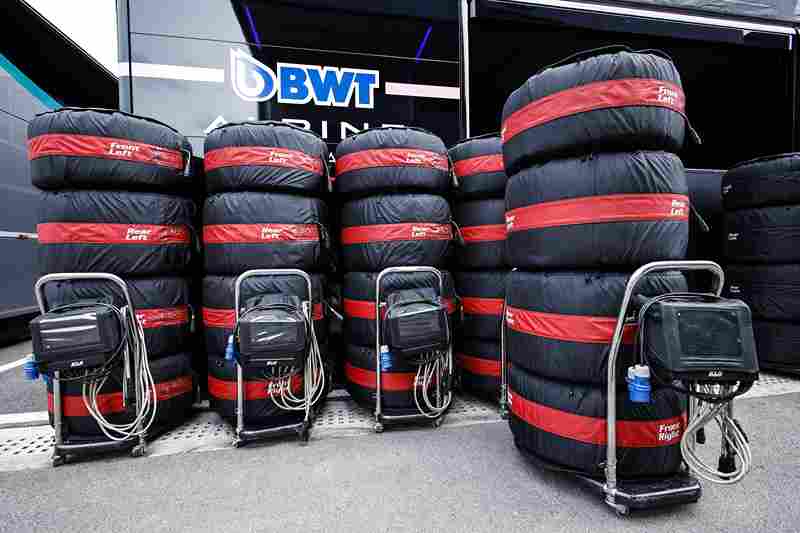
Formula One (F1) is synonymous with high-speed racing, cutting-edge technology, and a global fanbase. Beneath all the glamour and thrill of this adrenaline-fueled sport is a serious commitment to sustainability and tire recycling in particular. Pirelli, as the exclusive tire supplier to F1, has been a pioneer in this process, having developed a multi-layer tire recycling system that not only reduces waste but is building a circular economy. This article examines how F1’s tire recycling initiative is paving the way for motorsport and beyond to be more sustainable. Introduction to F1 Tire Recycling F1 generates a significant amount of tire waste annually. Up to 80,000 competition tires are discarded annually, and environmental issues may be severe unless responsibly disposed of. Pirelli is committed to sustainability in that all tires from F1 events are to be recycled in an environmentally friendly manner. This process is initiated with tire collection from every race weekend, which is transported to Pirelli factories for recycling. The Recycling Process The tires are shredded into pellets and then used as fuel in cement works. This is a method whereby tires are burnt at extremely high temperatures, in excess of 1500 degrees Celsius, and release no toxic gases and only fine, safe ash. This is not only a waste minimization process but is also a source of clean energy. In recent years, Pirelli has expanded its recycling operations to producing end-of-life tire secondary raw materials. These can be used in a variety of applications, from flooring to other purposes, and are a significant step towards a more circular economy. This technological innovation in recycling is a reflection of Pirelli’s commitment to sustainability and to helping F1 minimize its environmental footprint. Sustainability Goals and Certification by FSC F1 has pledged to be Net Zero Carbon in 2030, and Pirelli is taking a lead role. One of the most significant steps is to introduce Forest Stewardship Council (FSC) certified tires. This certification ensures that all the natural rubber in tires comes from responsibly managed forests, preserving biodiversity and benefiting local communities. This third-party certification is a stamp of approval from Pirelli for responsible and sustainable business and demonstrates that the business is committed to environmental stewardship and responsible sourcing. Decreasing Tyre Consumption Another aspect of Pirelli’s sustainability strategy is reducing tire usage on race weekends. With a different tire allocation formula, F1 has been able to reduce tire usage per car from 13 sets to 11. This not only minimizes waste but also minimizes the carbon footprint from tire manufacture and shipping. Influence on Environment and Society The environmental advantages of tire recycling do not end with waste reduction. By using tires as fuel, Pirelli lowers fossil fuel consumption and hence reduces greenhouse gas emissions. Additionally, using tires to create secondary raw materials supports a circular economy, lowering virgin material demand and reducing the environmental footprint of production processes. Further, buying tires with an FSC certification supports sustainable forestry management, which has a positive influence on neighboring communities in that forest management is socially responsible and economically sustainable. This integrated process for sustainability is not only ecologically centered but is also aimed at social and economic development as well. Innovations and Future Directions Pirelli continues to innovate tire technology with a commitment to making tires increasingly recyclable and to finding new applications for recovered material. Pirelli is working on confidential projects to further enhance tire recyclability and boost recovered material use in other industries. Besides, the FIA is exploring technologies to reduce microplastics from tires, a significant environmental concern. This project highlights the broader applicability to tire recycling beyond F1, as a solution could have relevance to all sectors of the automotive industry. Case Studies and Examples Several case studies show how effective Pirelli’s tire recycling initiative is: Pirelli works with cement factories to use tire pellets from reclaimed tires as fuel. This is not only a waste-reducing process but also a sustainable fuel for cement. Secondary Raw Materials: New market outlets have been realized for recovered products with the manufacture of secondary raw materials from tires. Such materials are used in playground surfaces and sports track construction to promote sustainable construction and infrastructural growth. FSC Certification Impact: Utilization of FSC-certified tires has helped to conserve forests and contribute to local communities. This demonstrates how sustainable purchasing can have a positive influence on society and the environment. F1’s tire recycling initiative, led by Pirelli, is a shining example of motorsport’s commitment to sustainability. By incorporating efficient recycling processes and sustainable raw material supplies, Pirelli is setting a new standard for environmental responsibility. Using FSC-certified tires and tire consumption reduction demonstrates a multi-faceted approach to reducing the sport’s footprint. As F1 continues on its journey to Net Zero Carbon in 2030, initiatives such as tire recycling will be critical. Takeaways from what is being gained from F1’s sustainability initiative can be applied to other sectors to promote a circular economy and reduced environmental impact. Ultimately, Pirelli’s commitment to sustainability is not just about reducing waste; it’s about paving the way for a more sustainable motorsport and a greener future. The Role of Technology in Sustainability Technology is a key driver in making F1’s tire recycling initiative more sustainable. Advances in recycling technology have enabled Pirelli to enhance processes for converting tires into secondary raw materials. New tire design innovations are centered on making tires more recyclable and sustainable. Global Impact and Collaboration F1’s tire recycling initiative has a wider influence. By collaborating with other industries, such as the production of cement, Pirelli is contributing to a broader trend towards sustainability. This collaboration shows what can be achieved through cross-industry collaboration to drive environmental change. Challenges and Opportunities While Pirelli’s tire recycling initiative has been a success, there are a number of challenges to be addressed. One is scaling processes to meet a burgeoning tire market. This is a challenge, however, that is one with the opportunity for innovation and expansion into new markets for recovered material. Future of Sustainable Tyres
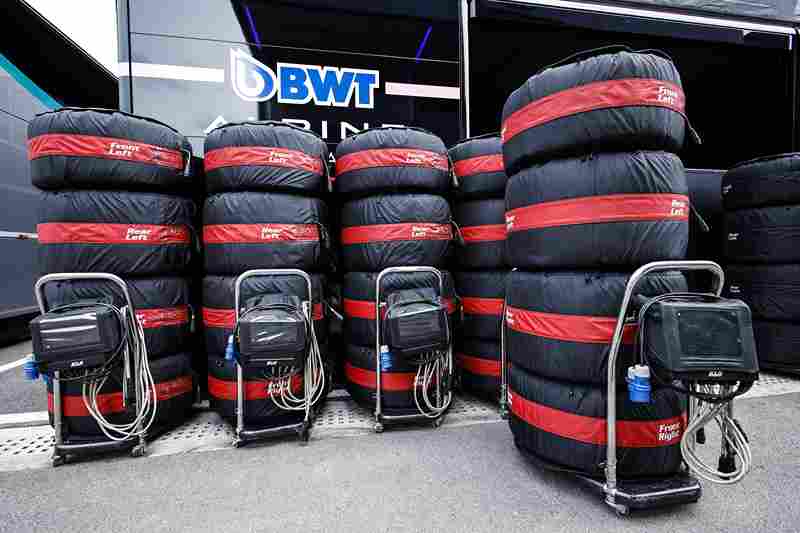
How F1’s Tyre Recycling Initiative Paves The Way For Sustainability
Formula One (F1) is synonymous with high-speed racing, cutting-edge technology, and a global fanbase. Beneath all the glamour and thrill of this adrenaline-fueled sport is a serious commitment to sustainability and tire recycling in particular. Pirelli, as the exclusive tire supplier to F1, has been a pioneer in this process, having developed a multi-layer tire recycling system that not only reduces waste but is building a circular economy. This article examines how F1’s tire recycling initiative is paving the way for motorsport and beyond to be more sustainable. Introduction to F1 Tire Recycling F1 generates a significant amount of tire waste annually. Up to 80,000 competition tires are discarded annually, and environmental issues may be severe unless responsibly disposed of. Pirelli is committed to sustainability in that all tires from F1 events are to be recycled in an environmentally friendly manner. This process is initiated with tire collection from every race weekend, which is transported to Pirelli factories for recycling. The Recycling Process The tires are shredded into pellets and then used as fuel in cement works. This is a method whereby tires are burnt at extremely high temperatures, in excess of 1500 degrees Celsius, and release no toxic gases and only fine, safe ash. This is not only a waste minimization process but is also a source of clean energy. In recent years, Pirelli has expanded its recycling operations to producing end-of-life tire secondary raw materials. These can be used in a variety of applications, from flooring to other purposes, and are a significant step towards a more circular economy. This technological innovation in recycling is a reflection of Pirelli’s commitment to sustainability and to helping F1 minimize its environmental footprint. Sustainability Goals and Certification by FSC F1 has pledged to be Net Zero Carbon in 2030, and Pirelli is taking a lead role. One of the most significant steps is to introduce Forest Stewardship Council (FSC) certified tires. This certification ensures that all the natural rubber in tires comes from responsibly managed forests, preserving biodiversity and benefiting local communities. This third-party certification is a stamp of approval from Pirelli for responsible and sustainable business and demonstrates that the business is committed to environmental stewardship and responsible sourcing. Decreasing Tyre Consumption Another aspect of Pirelli’s sustainability strategy is reducing tire usage on race weekends. With a different tire allocation formula, F1 has been able to reduce tire usage per car from 13 sets to 11. This not only minimizes waste but also minimizes the carbon footprint from tire manufacture and shipping. Influence on Environment and Society The environmental advantages of tire recycling do not end with waste reduction. By using tires as fuel, Pirelli lowers fossil fuel consumption and hence reduces greenhouse gas emissions. Additionally, using tires to create secondary raw materials supports a circular economy, lowering virgin material demand and reducing the environmental footprint of production processes. Further, buying tires with an FSC certification supports sustainable forestry management, which has a positive influence on neighboring communities in that forest management is socially responsible and economically sustainable. This integrated process for sustainability is not only ecologically centered but is also aimed at social and economic development as well. Innovations and Future Directions Pirelli continues to innovate tire technology with a commitment to making tires increasingly recyclable and to finding new applications for recovered material. Pirelli is working on confidential projects to further enhance tire recyclability and boost recovered material use in other industries. Besides, the FIA is exploring technologies to reduce microplastics from tires, a significant environmental concern. This project highlights the broader applicability to tire recycling beyond F1, as a solution could have relevance to all sectors of the automotive industry. Case Studies and Examples Several case studies show how effective Pirelli’s tire recycling initiative is: Pirelli works with cement factories to use tire pellets from reclaimed tires as fuel. This is not only a waste-reducing process but also a sustainable fuel for cement. Secondary Raw Materials: New market outlets have been realized for recovered products with the manufacture of secondary raw materials from tires. Such materials are used in playground surfaces and sports track construction to promote sustainable construction and infrastructural growth. FSC Certification Impact: Utilization of FSC-certified tires has helped to conserve forests and contribute to local communities. This demonstrates how sustainable purchasing can have a positive influence on society and the environment. F1’s tire recycling initiative, led by Pirelli, is a shining example of motorsport’s commitment to sustainability. By incorporating efficient recycling processes and sustainable raw material supplies, Pirelli is setting a new standard for environmental responsibility. Using FSC-certified tires and tire consumption reduction demonstrates a multi-faceted approach to reducing the sport’s footprint. As F1 continues on its journey to Net Zero Carbon in 2030, initiatives such as tire recycling will be critical. Takeaways from what is being gained from F1’s sustainability initiative can be applied to other sectors to promote a circular economy and reduced environmental impact. Ultimately, Pirelli’s commitment to sustainability is not just about reducing waste; it’s about paving the way for a more sustainable motorsport and a greener future. The Role of Technology in Sustainability Technology is a key driver in making F1’s tire recycling initiative more sustainable. Advances in recycling technology have enabled Pirelli to enhance processes for converting tires into secondary raw materials. New tire design innovations are centered on making tires more recyclable and sustainable. Global Impact and Collaboration F1’s tire recycling initiative has a wider influence. By collaborating with other industries, such as the production of cement, Pirelli is contributing to a broader trend towards sustainability. This collaboration shows what can be achieved through cross-industry collaboration to drive environmental change. Challenges and Opportunities While Pirelli’s tire recycling initiative has been a success, there are a number of challenges to be addressed. One is scaling processes to meet a burgeoning tire market. This is a challenge, however, that is one with the opportunity for innovation and expansion into new markets for recovered material. Future of Sustainable Tyres
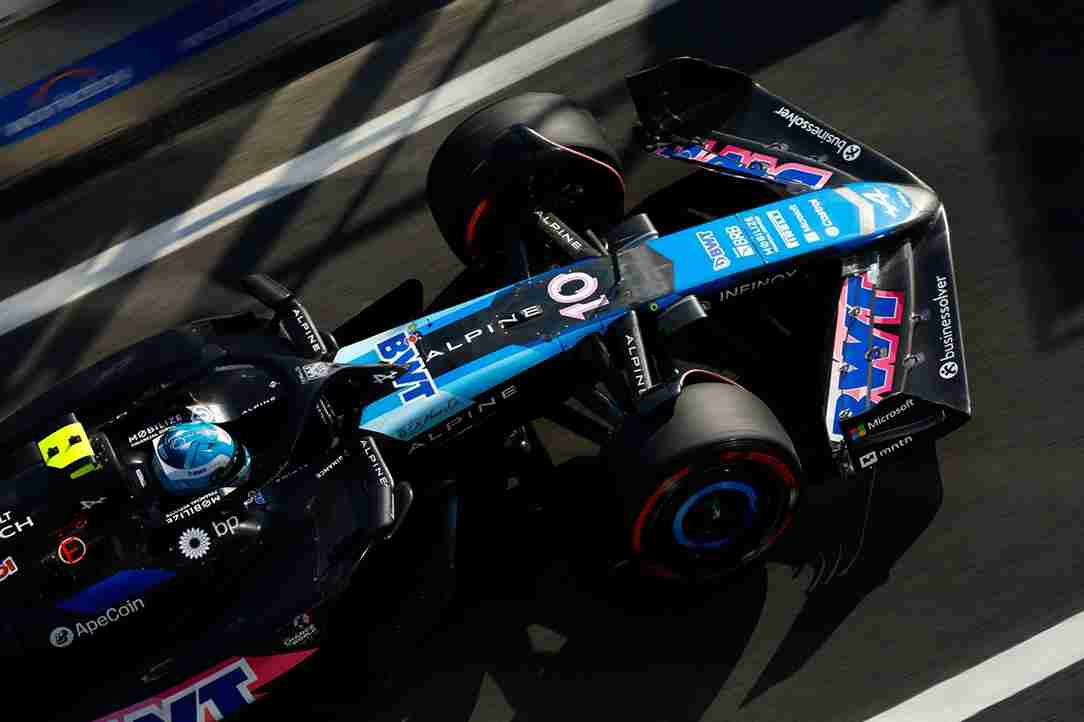
Can Alpine’s Upgrades Propel Them Into The Championship Battle?
Alpine, a French racing team in Formula 1, has not performed well in recent times, most recently in 2024. Starting off with the worst car on the grid, Alpine has shown grit and made huge improvements throughout. Team efforts to revamp its technical setup, along with strategic upgrades, have put them on track for a potential breakthrough in championship positions. This article looks into whether upgrades for Alpine will bring them into championship contention, with an emphasis on what they have achieved so far, what is next for them, and the overall 2025 season in Formula 1. Current Status and Problems Early Season Struggles The 2024 season began on a rough basis for Alpine. Their A524 car was overweight and was struggling with traction, and this meant a sluggish start to the championship. They were down in the back end of the grid and didn’t manage to pick up their first points until a series of races. Later in the season, however, things began to improve for them. They were able to shave down the car to the minimum weight, which was a major move in terms of enhancing performance. Mid-season Improvements Alpine’s fortune began to turn with fresh upgrades, most prominently at the Belgian Grand Prix. Among them were a revised beam wing, rear wing, engine cover, and brake ducts, all designed to improve downforce and maximum speed. Team executive technical director David Sanchez said all the upgrades weren’t track-specific but rather full-season upgrades designed to enhance overall performance. Staff Changes Aside from technological advancements, there have been significant personnel changes in Alpine. Flavio Briatore has been recalled as a senior advisor, and Oliver Oakes has taken his place as team principal after the summer break. These are reflective of Alpine’s move to stabilize and consolidate its team structure, which is crucial for consistent success in Formula 1. Effects of Personnel Changes Flavio Briatore’s return has brought a wealth of experience and strategic expertise to the team. He has been a guiding influence in Alpine’s strategic direction and has helped refocus the team’s energies on performance and competitiveness. Oliver Oakes’s leadership has provided stability and continuity, allowing the team to execute its plans more effectively. Future Plans and Upgrade Future Enhancements Alpine will have a “fairly major” mid-season overhaul for 2024, which will form the basis for next year’s car. This is stage one in a two-step process, with stage two being more extensive and designed to push the team further up the field. Sanchez has stated that this will be focused on downforce and ironing out anomalies in the current car to set a solid foundation for a more competitive 2025 season. Car Development 2025 The 2025 season is an opportunity for Alpine to build on its current form. With 2025 regulations being largely in line with 2024, the team can focus on car design rather than adapting to new rules. Alpine intends to use the upgrades made in late 2024 as a basis for 2025 and focus on performance and reliability throughout the season. Key Areas to Concentrate Alpine will focus on several priority areas for the 2025 car: Aerodynamics: Aerodynamic efficiency will need to be maximized. This will involve refining the front and rear wings and floor to provide maximum downforce without compromising drag. Engine Performance: Alpine will work with Renault to enhance engine power and reliability. This is important in delivering a competitive power unit with a performance capable of matching that of championship-leading teams. Chassis Development: This team will work to develop a chassis to improve handling and stability. This is done through fine-tuning suspension and improving overall balance in a car. Drivers for 2025 Pierre Gasly and Jack Doohan Alpine will have rookie Jack Doohan and Pierre Gasly for 2025. Gasly has been a consistent member of the team and has greatly added to their point total in 2024. He will be crucial in assisting Alpine in achieving its targets with his experience and talent. Doohan will have a challenging but promising rookie season following his debut in the last race in 2024. Irrespective of speculations regarding his future, Team Principal Oliver Oakes has assured Doohan a level playing field to establish himself. Driver Dynamics Doohan’s and Gasly’s collaboration could be a positive for Alpine. Doohan’s energy and new ideas could bring a different dynamic to the team, and Gasly’s experience will provide a stable backdrop. Pairing a veteran driver with a rookie can have a tendency to bring out-of-the-box thoughts and a competition to be better. Broader Perspective: 2025 Struggle for Competitors and Challenges The 2025 season for Formula 1 is going to be highly competitive with several elite teams in contention for the championship. Red Bull Racing, Ferrari, McLaren, and Mercedes will be among the top candidates, each with their own strengths and weaknesses. For Alpine to be in contention for the championship, not only do they need to improve their car, but they also need to outdo several established teams. Opportunities for alpine Despite all this, Alpine has several things going for them. The upgrades and personnel within the team in recent times have brought stability and a renewed focus on performance. Additionally, with no significant 2025 rule changes, Alpine can continue to build from where they are with their current car design without having to concern themselves with adapting to new regulations. This continuity can allow them to bring more incremental improvements and close in on the front-running teams. Key Races and Strategies The 2025 season features a 24-race schedule with several crucial races that will define Alpine’s season. Both ends of the season will need to be well-performing for the team to maintain a good rhythm and fight for better positions in the constructors’ championship. Car development decisions, driver management, and race strategy will be crucial to maximize points and remain in contention. Strategic Partnerships Alpine’s relationship with Renault will continue to be a major contributor to their success. Engine cooperation and technical support are crucial to
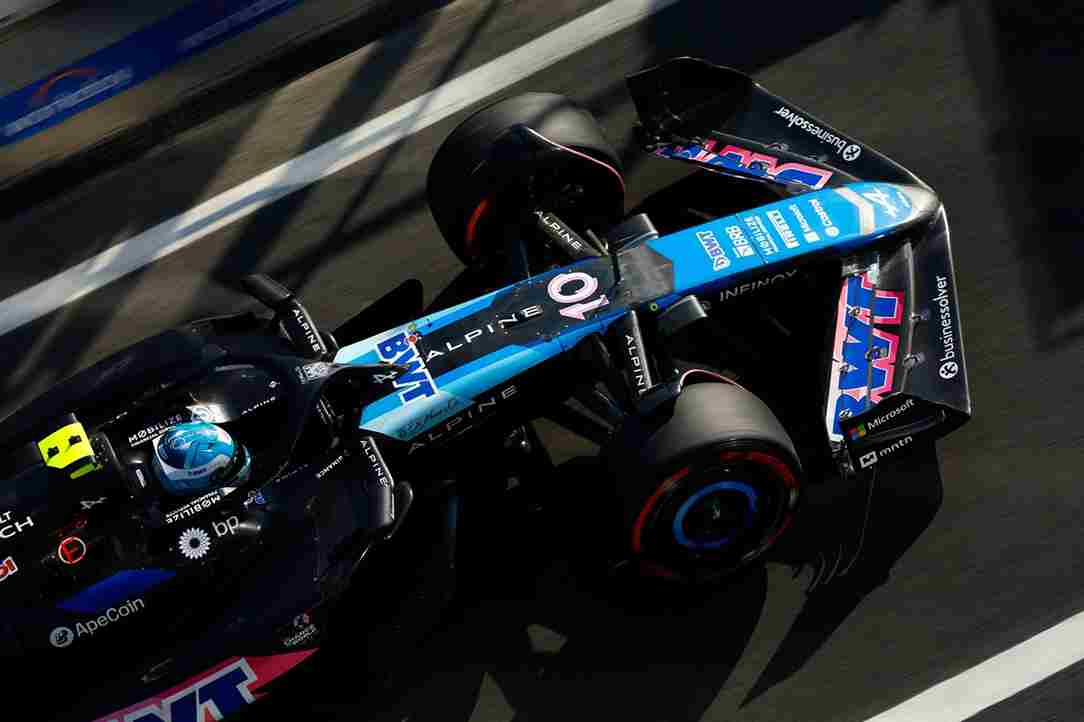
Can Alpine’s Upgrades Propel Them Into The Championship Battle?
Alpine, a French racing team in Formula 1, has not performed well in recent times, most recently in 2024. Starting off with the worst car on the grid, Alpine has shown grit and made huge improvements throughout. Team efforts to revamp its technical setup, along with strategic upgrades, have put them on track for a potential breakthrough in championship positions. This article looks into whether upgrades for Alpine will bring them into championship contention, with an emphasis on what they have achieved so far, what is next for them, and the overall 2025 season in Formula 1. Current Status and Problems Early Season Struggles The 2024 season began on a rough basis for Alpine. Their A524 car was overweight and was struggling with traction, and this meant a sluggish start to the championship. They were down in the back end of the grid and didn’t manage to pick up their first points until a series of races. Later in the season, however, things began to improve for them. They were able to shave down the car to the minimum weight, which was a major move in terms of enhancing performance. Mid-season Improvements Alpine’s fortune began to turn with fresh upgrades, most prominently at the Belgian Grand Prix. Among them were a revised beam wing, rear wing, engine cover, and brake ducts, all designed to improve downforce and maximum speed. Team executive technical director David Sanchez said all the upgrades weren’t track-specific but rather full-season upgrades designed to enhance overall performance. Staff Changes Aside from technological advancements, there have been significant personnel changes in Alpine. Flavio Briatore has been recalled as a senior advisor, and Oliver Oakes has taken his place as team principal after the summer break. These are reflective of Alpine’s move to stabilize and consolidate its team structure, which is crucial for consistent success in Formula 1. Effects of Personnel Changes Flavio Briatore’s return has brought a wealth of experience and strategic expertise to the team. He has been a guiding influence in Alpine’s strategic direction and has helped refocus the team’s energies on performance and competitiveness. Oliver Oakes’s leadership has provided stability and continuity, allowing the team to execute its plans more effectively. Future Plans and Upgrade Future Enhancements Alpine will have a “fairly major” mid-season overhaul for 2024, which will form the basis for next year’s car. This is stage one in a two-step process, with stage two being more extensive and designed to push the team further up the field. Sanchez has stated that this will be focused on downforce and ironing out anomalies in the current car to set a solid foundation for a more competitive 2025 season. Car Development 2025 The 2025 season is an opportunity for Alpine to build on its current form. With 2025 regulations being largely in line with 2024, the team can focus on car design rather than adapting to new rules. Alpine intends to use the upgrades made in late 2024 as a basis for 2025 and focus on performance and reliability throughout the season. Key Areas to Concentrate Alpine will focus on several priority areas for the 2025 car: Aerodynamics: Aerodynamic efficiency will need to be maximized. This will involve refining the front and rear wings and floor to provide maximum downforce without compromising drag. Engine Performance: Alpine will work with Renault to enhance engine power and reliability. This is important in delivering a competitive power unit with a performance capable of matching that of championship-leading teams. Chassis Development: This team will work to develop a chassis to improve handling and stability. This is done through fine-tuning suspension and improving overall balance in a car. Drivers for 2025 Pierre Gasly and Jack Doohan Alpine will have rookie Jack Doohan and Pierre Gasly for 2025. Gasly has been a consistent member of the team and has greatly added to their point total in 2024. He will be crucial in assisting Alpine in achieving its targets with his experience and talent. Doohan will have a challenging but promising rookie season following his debut in the last race in 2024. Irrespective of speculations regarding his future, Team Principal Oliver Oakes has assured Doohan a level playing field to establish himself. Driver Dynamics Doohan’s and Gasly’s collaboration could be a positive for Alpine. Doohan’s energy and new ideas could bring a different dynamic to the team, and Gasly’s experience will provide a stable backdrop. Pairing a veteran driver with a rookie can have a tendency to bring out-of-the-box thoughts and a competition to be better. Broader Perspective: 2025 Struggle for Competitors and Challenges The 2025 season for Formula 1 is going to be highly competitive with several elite teams in contention for the championship. Red Bull Racing, Ferrari, McLaren, and Mercedes will be among the top candidates, each with their own strengths and weaknesses. For Alpine to be in contention for the championship, not only do they need to improve their car, but they also need to outdo several established teams. Opportunities for alpine Despite all this, Alpine has several things going for them. The upgrades and personnel within the team in recent times have brought stability and a renewed focus on performance. Additionally, with no significant 2025 rule changes, Alpine can continue to build from where they are with their current car design without having to concern themselves with adapting to new regulations. This continuity can allow them to bring more incremental improvements and close in on the front-running teams. Key Races and Strategies The 2025 season features a 24-race schedule with several crucial races that will define Alpine’s season. Both ends of the season will need to be well-performing for the team to maintain a good rhythm and fight for better positions in the constructors’ championship. Car development decisions, driver management, and race strategy will be crucial to maximize points and remain in contention. Strategic Partnerships Alpine’s relationship with Renault will continue to be a major contributor to their success. Engine cooperation and technical support are crucial to
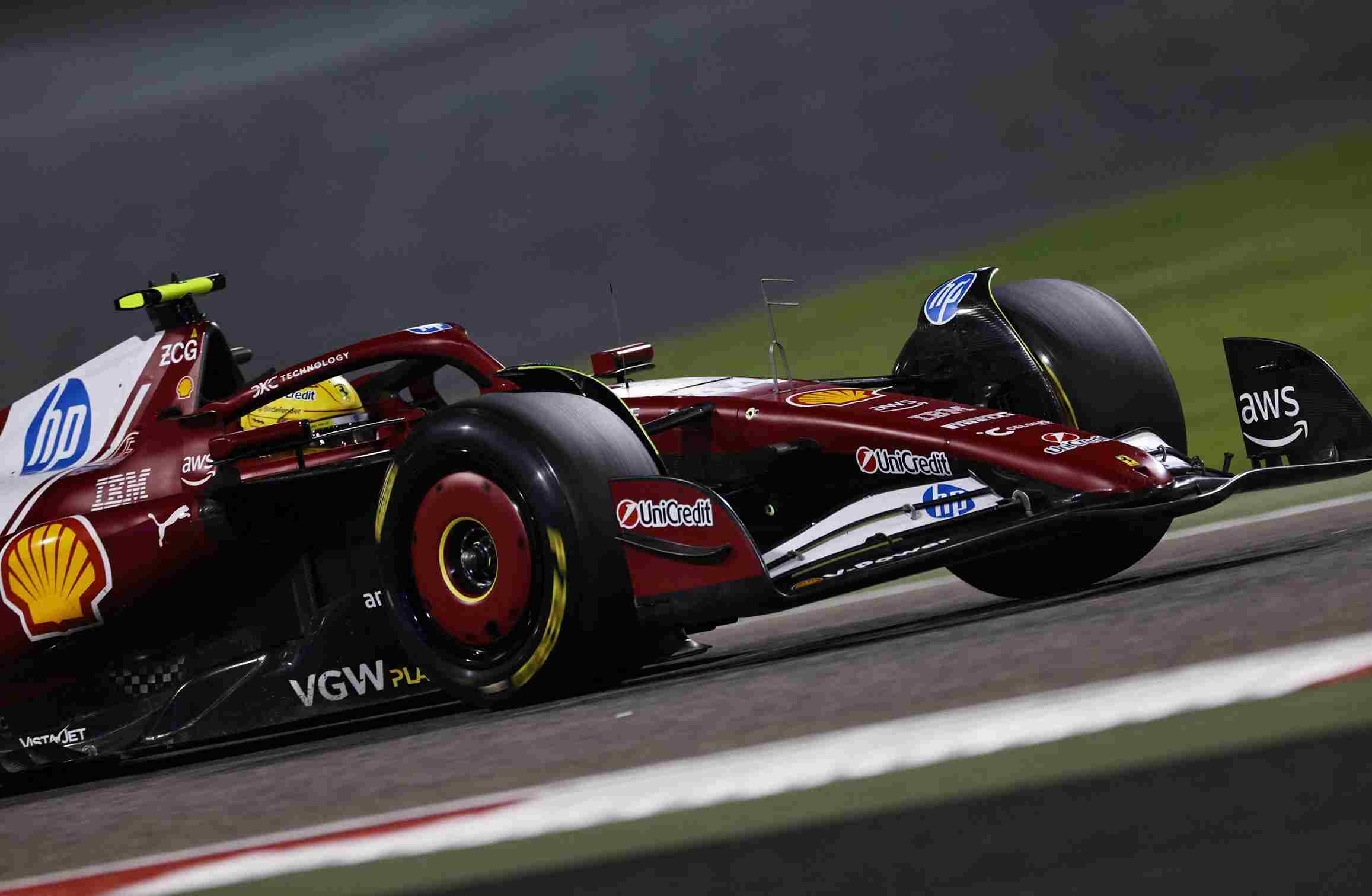
Reviving The Rosso: Strategies For Ferrari’s Comeback After A Rocky Pre‑Season
One of the most legendary and storied teams in all of Formula 1, Ferrari has not started 2025 off on the best foot. With a complete overhaul of their car, featuring a front pull-rod suspension as perhaps the most significant change, Ferrari struggled in pre-season testing in Bahrain. This article will discuss what Ferrari can do to turn their season around and vie for a championship. Understanding the challenges Ferrari’s switch to a pull-rod front suspension from a push-rod is a gamble to improve aerodynamic evolution and overall performance. This has not yet translated to hoped-for gains, with Ferrari behind McLaren in race performance in testing. Team balance issues and a hydraulic problem that derailed Lewis Hamilton’s run on the final day of testing are added to their troubles. Technical difficulties Suspension Design: While revolutionary in design, suspension is difficult to set and balance. Ferrari will need to fine-tune this system to achieve its full potential. Aerodynamic Performance: Pull-rod suspension was chosen in part to enhance aerodynamic design. However, Ferrari will still need to optimize airflow over and around the car to maximize performance gains. Reliability issues: The hydraulic problem in testing highlights reliability improvements. Ensuring that such issues are addressed in a timely fashion will be crucial to avoid losing valuable track time in racing. Strategic Priorities for 2025 Ferrari will need to focus on developing their new suspension design on a mechanical basis to improve balance and stability. This will result in fine-tuning the setup to address the understeer issues that have been an issue in testing. This will be a process in which Ferrari’s suspension design expert and technical director, Loic Serra, will have a significant role to play. Ferrari is dividing 2025 and 2026 between them, with significant regulation changes to be introduced in 2026. Team principal Frederic Vasseur has outlined a strategy whereby resources will be allocated in proportion to Ferrari’s performance in 2025’s opening races. If Ferrari is good, then additional development will be on the SF-25; otherwise, 2026 will be in focus. The driver partnership, Charles Leclerc and Lewis Hamilton, is a great blend of experience and youth. Ferrari can leverage their drivers to their strengths in order to optimize race strategy, as in 2024 with Leclerc and Carlos Sainz. Hamilton’s experience will be important in fine-tuning the car and providing feedback, and Leclerc’s aggressive style can be an asset in qualifying and race conditions. Overcoming Technical Obstacles The hydraulic issue that cut short Hamilton’s test session highlights the need for reliability upgrades. Ferrari should ensure that such issues are addressed in a timely fashion to avoid losing race track time. This involves extensive testing and simulation to find potential weak points in the system. The switch to a pull-rod suspension was driven in part to continue to advance aerodynamics. Ferrari will have to continue to find ways to optimize airflow around the car and, hopefully, discover further performance gains throughout the season. This may involve a good deal of wind tunnel testing and computational fluid dynamics (CFD) modeling. Racing Strategy and Execution Qualifying performance is crucial for Ferrari. They need to optimize both drivers to achieve better starting positions, and this can have a significant bearing on race outcomes. This may involve refining tire strategy and setup for qualifying. Ferrari has historically been good with tire management, but balance shifting in testing will mean that they will have to adjust their strategies. Pace over race distances will be paramount and will be determined by optimal tire wear. This will include tire degradation pattern analysis and race strategies being adapted to suit. Psychological and Team Dynamics Despite all this, morale within the team is still good, with both drivers positive about what is possible with the car. Maintaining this optimism will be crucial as they struggle with issues. Team-bonding activities and open communication can help to create a working environment. With so much hype surrounding Hamilton’s move to Ferrari, managing expectations is important. The team should focus on incremental improvement rather than short-term success to prevent building pressure. This is done through the creation of attainable targets and good communication with fans and the public. Further Insights Ferrari’s past has been marked with dominance interspersed with adversity. Adaptation and innovation have always been a constant in making the team thrive. With coping with today’s regulations and looking to what lies in store for the future, Ferrari will have to count on this history of resilience and innovation. The Role of Leadership Stability in leadership has been a priority for Ferrari in recent times. With Frederic Vasseur in place, the team has a clear direction and strategy for resource management and development. This stability will be crucial as Ferrari navigates the complexities of 2025 and 2026. Fan Expectations and Pressure One of motorsport’s most passionate fan bases, Ferrari Tifosi have lofty expectations. Meeting those expectations with results will be a delicate balance for the team. By focusing on incremental gains and open communication with fans, Ferrari can maintain their fans in their corner. The Broader F1 Landscape The 2025 season will be highly competitive with McLaren, Mercedes, and Red Bull all in championship contention. Ferrari will need to be keeping an eye on their own improvement while keeping a sharp eye on their rivals. Having the ability to adapt quickly to changing conditions and respond to rivals’ advancements will be important in pursuit of championship triumph. Future Prospects and Challenges Regulatory Changes for 2026 Ferrari’s strategy will be shaped to a large extent by the 2026 season regulation updates. Short-term performance and future planning will have to be balanced to prepare them for the new regulations. This will mean investment in research and development to stay one step ahead. Sustainability and Cost Ceiling Ferrari, like all other F1 teams, has to balance cost cap issues with performance. This is achieved through efficient management of resources and cost-cutting measures without compromising on competitiveness. Technological advancements Ferrari can further develop in the areas of technological
