
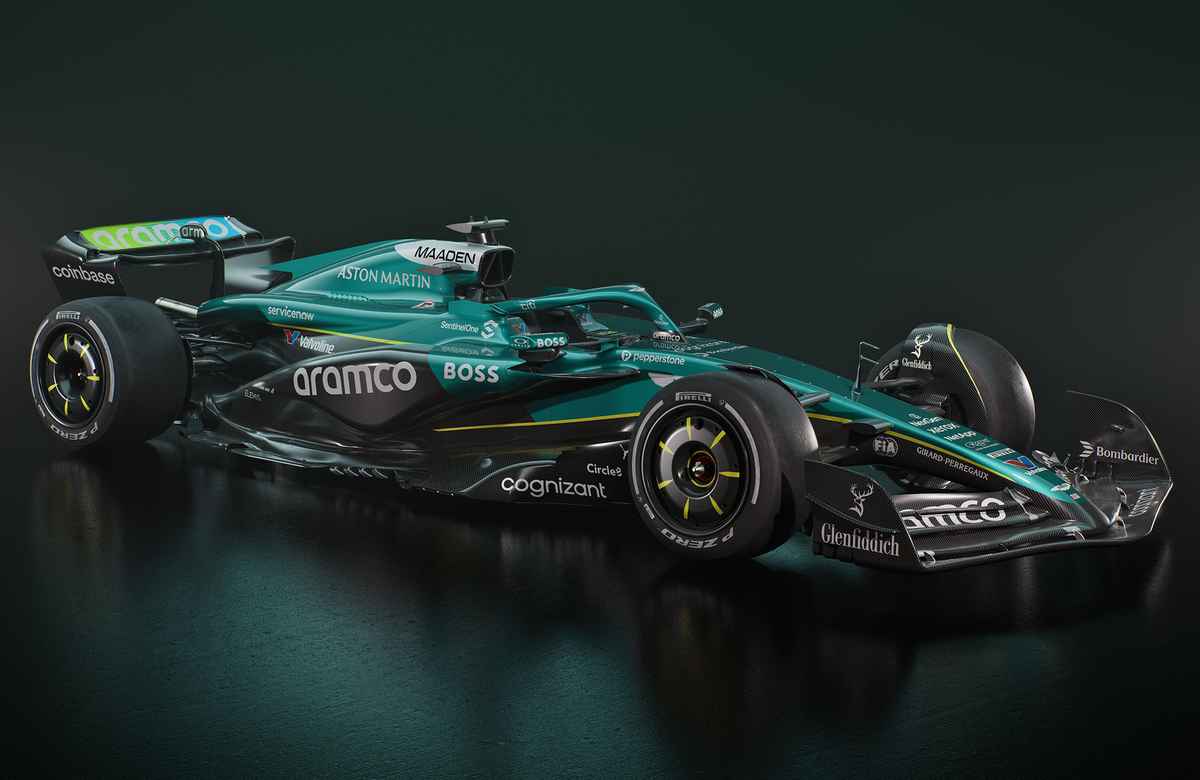
The 2025 Formula 1 livery launch was a landmark moment in the evolution of the team that saw the team stick to its traditional green color scheme but with some refinements added. The launch was part of a series of joint unveilings that the ten Formula 1 teams conducted during the F1 75 Live to mark the 75th anniversary of the sport. The livery launch was met with a polarizing reaction that spanned from appreciation that the team was sticking to its heritage to criticism that the livery was not bold enough compared to other teams. This article will cover the global reaction to the livery launch of Aston Martin, both the aesthetic and the strategic implications to the team. It will also examine how the livery will integrate within the visual landscape of Formula 1 racing during the 2025 season. Design and Visual Identity Aston Martin’s 2025 livery retains the famous racing green that has made the brand renowned. Black side pods and yellow trim are included in the look, once again delivering a uniform visual theme that has become the hallmark of the team. The white stripe that has been added to the airbox to reflect new partner Ma’aden gives the look a splash of contrast that makes the entire appearance of the car more visually appealing. The use of carbon fiber to expose the side pods gives the vehicle a dynamic appearance, creating visual contrast to the darker carbon look and the deeper racing green. Apart from making the vehicle’s technical aspect more obvious, the strategy gives the vehicle depth to the appearance. However, some critics are of the view that the livery has the possibility to be more innovative, especially pitting it against other teams such as Alpine that came out with a bold two-tone blue and pink livery. Professional and Fan Response Aston Martin’s livery has been praised by design specialists for the boldness of the use of color and the fact that it emphasizes the shape of the vehicle. Although there are some criticisms that the design does not innovate enough, the team’s devotion to heritage is highly admired. The livery has been well-received by the fans, with them viewing the designs’ continuity from the last season favorably but also the understated improvements. But within a highly competitive market where Ferrari and Alpine have also introduced bold designs, Aston Martin’s livery comes about middle-of-the-pack both in terms of impact and innovation. The conservatism of the livery can be seen as a letdown that the team did not use the time to innovate more, but it does reflect the team’s need to maintain a consistent brand appearance. Strategic Considerations Beyond the visual appeal, the livery launch forms part of a larger strategic vision for Aston Martin. The team is heading into a pivotal period having suffered a setback in 2024 and undergoing important changes to look forward to, including the move to Honda engines in 2026. Discussing Performance Issues Performance The AMR25, the car that will carry the new livery, has been designed with significant aerodynamic changes aimed at improving driveability and driver confidence. Feedback from drivers Fernando Alonso and Lance Stroll highlighted issues with the previous car’s balance and handling, which the team has sought to address through extensive revisions to the aerodynamic surfaces. The priority to make the car more benign and predictable comes from the need to be more competitive. This priority is crucial as the team wants to demonstrate the improvements to owner Lawrence Stroll and be well placed before the big 2026 regulations. Team Dynamics and Leadership The new team principal in the shape of Andy Cowell marks a new path for Aston Martin. Cowell’s experience handling Mercedes’ successful hybrid engine project gives the team fresh expertise, and his priority to create a more drivable car resonates with the drivers’ feedback. The Alonso-Stroll partnership, which has reached the third season together, ranks among the oldest on the grid. This stability has been viewed as an asset, permitting the team to consolidate the relationships that are already there and to concentrate upon improving the technical aspects instead of having to adapt to new driver dynamics. Global Response and Public Relations The majority of the reaction to the livery launch was positive, with the team being praised both by the fans and the media for following the visual identity. However, in a season where some teams came in with bold and innovative designs, the livery of Aston Martin was not the outright winner as the best-looking. Media coverage emphasized the strategic aspect of the unveil, focusing on the teams’ efforts to address performance issues and look to the future. The collective launch ceremony in London added to the hype further, providing an unprecedented platform for teams to engage with the fans and launch their designs. Social Media and Fan Interaction Social media was alive with the feedback to the livery, with the supporters commenting and sharing their opinion. The hashtags and interactive content created the vehicle through which Aston Martin was able to link to the supporters’ base and generate a community and buzz about the new season. The integration of the fans within the launch process, both via the F1 75 Live event and through online channels, was considered a successful strategy to generate momentum and excitement about the new car. Conclusion Aston Martin’s 2025 F1 livery launch was a crucial one that indicated both the commitment to the visual identity that the team has and the strategic priority to deliver improved performance. The design was perhaps not the most innovative but has a robust brand image that resonates well with the fans. As the team heads towards the crucial period, the priority to make the car more drivable and the leadership transition reflect a new commitment to competitiveness. The global response to the livery launch underscores the necessity to appeal to the supporters and to be seen to be robust visually within the highly competitive Formula 1 arena. Amid

The Global Response To Aston Martin’s 2025 F1 Livery Reveal
The 2025 Formula 1 livery launch was a landmark moment in the evolution of the team that saw the team stick to its traditional green color scheme but with some refinements added. The launch was part of a series of joint unveilings that the ten Formula 1 teams conducted during the F1 75 Live to mark the 75th anniversary of the sport. The livery launch was met with a polarizing reaction that spanned from appreciation that the team was sticking to its heritage to criticism that the livery was not bold enough compared to other teams. This article will cover the global reaction to the livery launch of Aston Martin, both the aesthetic and the strategic implications to the team. It will also examine how the livery will integrate within the visual landscape of Formula 1 racing during the 2025 season. Design and Visual Identity Aston Martin’s 2025 livery retains the famous racing green that has made the brand renowned. Black side pods and yellow trim are included in the look, once again delivering a uniform visual theme that has become the hallmark of the team. The white stripe that has been added to the airbox to reflect new partner Ma’aden gives the look a splash of contrast that makes the entire appearance of the car more visually appealing. The use of carbon fiber to expose the side pods gives the vehicle a dynamic appearance, creating visual contrast to the darker carbon look and the deeper racing green. Apart from making the vehicle’s technical aspect more obvious, the strategy gives the vehicle depth to the appearance. However, some critics are of the view that the livery has the possibility to be more innovative, especially pitting it against other teams such as Alpine that came out with a bold two-tone blue and pink livery. Professional and Fan Response Aston Martin’s livery has been praised by design specialists for the boldness of the use of color and the fact that it emphasizes the shape of the vehicle. Although there are some criticisms that the design does not innovate enough, the team’s devotion to heritage is highly admired. The livery has been well-received by the fans, with them viewing the designs’ continuity from the last season favorably but also the understated improvements. But within a highly competitive market where Ferrari and Alpine have also introduced bold designs, Aston Martin’s livery comes about middle-of-the-pack both in terms of impact and innovation. The conservatism of the livery can be seen as a letdown that the team did not use the time to innovate more, but it does reflect the team’s need to maintain a consistent brand appearance. Strategic Considerations Beyond the visual appeal, the livery launch forms part of a larger strategic vision for Aston Martin. The team is heading into a pivotal period having suffered a setback in 2024 and undergoing important changes to look forward to, including the move to Honda engines in 2026. Discussing Performance Issues Performance The AMR25, the car that will carry the new livery, has been designed with significant aerodynamic changes aimed at improving driveability and driver confidence. Feedback from drivers Fernando Alonso and Lance Stroll highlighted issues with the previous car’s balance and handling, which the team has sought to address through extensive revisions to the aerodynamic surfaces. The priority to make the car more benign and predictable comes from the need to be more competitive. This priority is crucial as the team wants to demonstrate the improvements to owner Lawrence Stroll and be well placed before the big 2026 regulations. Team Dynamics and Leadership The new team principal in the shape of Andy Cowell marks a new path for Aston Martin. Cowell’s experience handling Mercedes’ successful hybrid engine project gives the team fresh expertise, and his priority to create a more drivable car resonates with the drivers’ feedback. The Alonso-Stroll partnership, which has reached the third season together, ranks among the oldest on the grid. This stability has been viewed as an asset, permitting the team to consolidate the relationships that are already there and to concentrate upon improving the technical aspects instead of having to adapt to new driver dynamics. Global Response and Public Relations The majority of the reaction to the livery launch was positive, with the team being praised both by the fans and the media for following the visual identity. However, in a season where some teams came in with bold and innovative designs, the livery of Aston Martin was not the outright winner as the best-looking. Media coverage emphasized the strategic aspect of the unveil, focusing on the teams’ efforts to address performance issues and look to the future. The collective launch ceremony in London added to the hype further, providing an unprecedented platform for teams to engage with the fans and launch their designs. Social Media and Fan Interaction Social media was alive with the feedback to the livery, with the supporters commenting and sharing their opinion. The hashtags and interactive content created the vehicle through which Aston Martin was able to link to the supporters’ base and generate a community and buzz about the new season. The integration of the fans within the launch process, both via the F1 75 Live event and through online channels, was considered a successful strategy to generate momentum and excitement about the new car. Conclusion Aston Martin’s 2025 F1 livery launch was a crucial one that indicated both the commitment to the visual identity that the team has and the strategic priority to deliver improved performance. The design was perhaps not the most innovative but has a robust brand image that resonates well with the fans. As the team heads towards the crucial period, the priority to make the car more drivable and the leadership transition reflect a new commitment to competitiveness. The global response to the livery launch underscores the necessity to appeal to the supporters and to be seen to be robust visually within the highly competitive Formula 1 arena. Amid
How The Return Of The Chinese GP Could Transform F1’s Global Landscape
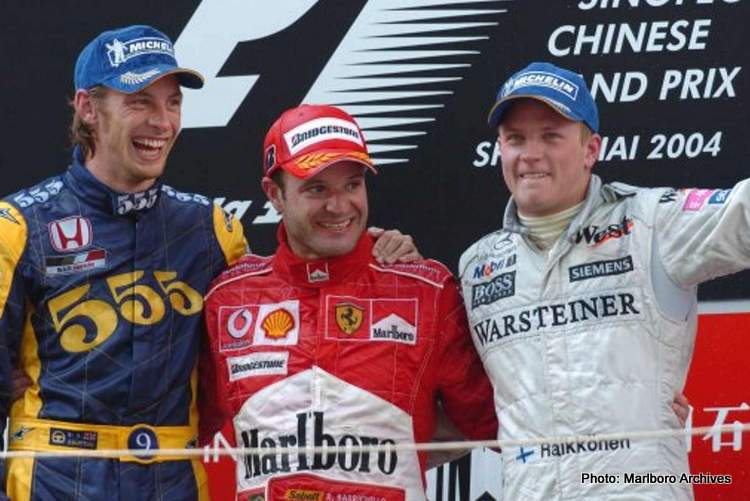
The roar of the engines once again resonated through the Shanghai International Circuit in 2024 to celebrate the highly awaited return to the Formula 1 calendar of the Chinese Grand Prix. The five-year hiatus the event experienced, primarily due to the COVID-19 pandemic, was the last time the circuit was heard. The return means more than the mere reopening of racing; it means a realignment of the global ambition of F1. The Chinese market, with an expanding fan base and tremendous economic potential, plays a crucial role in the expansion of F1. This return is more than an event; it’s an impetus to create transformative change that will redefine the cultural, economic, and competitive dynamics of F1. Historical Significance: Creating the Basis The thunderous entry was made by the Chinese Grand Prix back in 2004, a milestone that showed F1’s entry into the Asian market. The Shanghai International Circuit, the work of Hermann Tilke, soon became an annual fixture on the calendar, renowned for having fast corners, long straights, and an unpredictable climate. The circuit witnessed some of the sport’s best moments take place, securing a place in the annals of F1 history. Memorable moments and early life Rubens Barrichello was the winner of the inaugural 2004 race, providing a successful beginning to the market entry for Ferrari. The track has witnessed some memorable moments over the years, like Michael Schumacher’s emotional last victory in 2006 and Lewis Hamilton’s dominating displays that made him the top-performing driver at the Shanghai International Circuit. The events did not only deliver speed but also added to the growing interest in F1 among the Chinese fan base. Challenges and Adaptations Despite the initial success, the Chinese Grand Prix saw its fair share of challenges. The logistical issues, cultural challenges, and the need to adapt to the prevailing market dynamics presented formidable challenges to F1 and partners. The organizers worked hard to tackle the challenges, implementing measures to include the locals, improving the infrastructural facilities, and developing a better fan experience. The Strategic Importance of China: Beyond the Color Line The hosting of the Chinese Grand Prix reaffirms the strategic importance of China to the global strategy of F1. China is not merely a hosting country but an untapped large market full of growth potential. With a population exceeding 1.4 billion and a rapidly growing middle class, China offers unprecedented opportunities for F1 to expand its fanbase, earn more revenue, and strengthen its global brand. Economic Powerhouse China’s recent rise to prominence economically has been anything if not spectacular. The second-largest player in the global economy, China boasts a consumer market that is growing strong and an escalating demand for luxury brands and entertainment. F1, renowned for its innovative tech and speed drama, is perfectly positioned to capitalize on the movement. The Chinese Grand Prix attracts investment, stimulates domestic tourism, and provides international brands the means to link with the consumer market within China. Cultural Bridge: Besides the economic significance, the Chinese Grand Prix also serves the role of a cultural bridge between the West and the East. It provides a platform where cultural exchange, understanding, and appreciation are facilitated. The best that F1 has to offer through the form of technology and racing comes together along with some aspects of the culture of China to create an innovative and interactive experience for the international fans. Fan Phenomenon: The Rise of a New Generation of Motorsport Enthusiasts One of the most significant outcomes of the Chinese Grand Prix has been the exponential growth of the fan base of F1 in China. The sport has added millions of new followers through the years, particularly from the younger age group. The surge has partly been triggered by the increased availability of F1 through digital means, coupled with the rise of home heroes such as Zhou Guanyu, who have inspired the next generation of racing enthusiasts. Demographic Growth: Exponential Growth China’s F1 fanbase has gone from a fringe group to a mass movement. With an estimated 150-plus million followers, China ranks among the sport’s largest and most dedicated F1 markets in the world. The growth has been fueled by a broad spectrum of causes that include the sport’s growing popularity overall, the availability of F1 via digital channels, and the emergence of Chinese drivers within the sport. The “Zhou Guanyu Effect The rise to fame of Zhou Guanyu has made an unprecedented contribution to the popularity of the sport within China. Zhou has made his F1 racing debut in 2022 but has already become a national idol, inspiring a whole new generation of young Chinese to be interested in the sport. His presence on the track has raised viewership but has also generated an added identification and connection factor amongst the Chinese viewers. Strategic Partnerships: Powering Growth and Innovation The hosting of the Chinese Grand Prix has also induced a boom of strategic partnerships between F1 and Chinese enterprises. The partnerships are not only providing the much-needed finance but are also igniting innovation and tech development within the sport. Main Partnerships F1 has forged strategic alliances with the best Chinese companies from various sectors like tech, automotive, and finance. The alliances bring to F1 valuable resources, expertise, and market intelligence that drive the sport’s growth and innovation. The Chinese companies benefit from the global exposure and reputation that come with being part of F1. Technological innovation China is rapidly emerging as a global tech leader in the areas of electric cars, artificial intelligence, and data analysis. F1 is keen to capitalize on this expertise, pursuing potential alliances with Chinese tech companies to develop innovative solutions to improve the performance of the cars, the fan experience, and sustainability. The future of Formula 1 racing in China: a lasting commitment The renewal of the five-year contract of the Chinese Grand Prix until 2030 reaffirms F1’s commitment to the Chinese market. This will likely stimulate further investment, drive innovation, and solidify China’s position as a vital stakeholder within the global
The Championship Impact: What Verstappen’s New US GP Record Means For The 2024 Season
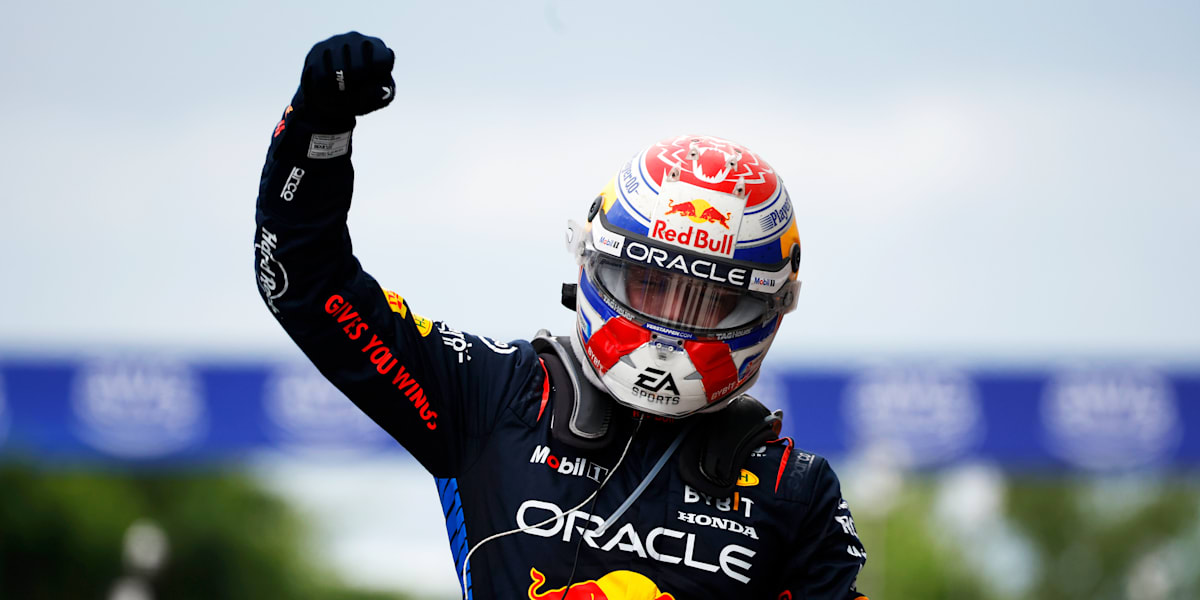
The 2024 Formula One season has experienced some historic moments to this point, the majority of them having seen the participation of Max Verstappen. His performance during the US Grand Prix that was hosted at the Circuit of the Americas in Texas was one of the season’s best moments. Verstappen did not claim the primary race but dominated the sprint session and came third in the last race to solidify his strong performance throughout the season. This article will explore the implications of Verstappen’s performances throughout the US GP and how they are likely to influence the 2024 season. Background: The season to date 2024 Through the United States Grand Prix, the Drivers’ Championship was dominated by Max Verstappen on 331 points, a large lead from the runner-up Lando Norris on 279. This was a sign that Verstappen was performing exceptionally consistently and that he was managing to deliver the podium finishes despite starting from the pole. The Constructors’ Championship was similarly intense, with McLaren having the lead over Red Bull Racing and Ferrari. The season has seen a mix of one-man performances by Verstappen and other teams’ strategic victories, particularly from McLaren and Ferrari. The new regulations brought to promote racing and reduce the cost have made the field more competitive, where several teams are able to vie for the podium. Performance of Verstappen during the US GP Verstappen was on pole for the sprint session at the US GP, which he dominated to claim the victory away from Carlos Sainz Jr. and Lando Norris. This was a vindication of his speed and strategic competence as he navigated the unpredictable Circuit of the Americas with ease. But pole was taken by Norris during the main race, and Ferrari gained a historic 1-2 victory through Charles Leclerc and Carlos Sainz Jr. Verstappen’s third place during the main race was crucial despite losing the victory, as it meant that he remained top of the championship. What was particularly noteworthy about Verstappen was that he was managing his tires effectively and making the appropriate strategic decisions throughout the race. Verstappen’s team, Red Bull Racing, was also displaying top-shelf pit strategy that allowed Verstappen to maintain his position despite the challenges presented by Ferrari and McLaren. Impact on the Championship His US GP performance cemented his status as favorite to take the 2024 Drivers’ Championship. Consistently gaining big points but not necessarily taking the wins has been the theme of his season. The gap between Verstappen and Norris was wide enough that Norris would need to beat Verstappen every time from the remaining rounds if he was to be in a position to catch him. The Constructors’ Championship was more intense, pitting McLaren, Ferrari, and Red Bull to be the top. But the inconsistency of Sergio Pérez for Red Bull meant that the team was finding it hard to remain at the top of the constructors’ standings. The constructors’ battle was one of the closest that has ever taken place in recent years due to the consistent performances of McLaren and the resurgence of Ferrari. Historical Context: Verstappen’s Achievements Max Verstappen’s US GP victories are one part of a larger theme of 2024 season dominance. His achievement of winning three Grands Prix within one country within one season, via victories in Miami, Austin (sprint), and Las Vegas, was a new milestone in the annals of F1. The achievement was not only a show of Verstappen’s talent but was also an affirmation of the strategy and vehicle performance of the Red Bull outfit. His victory in Las Vegas, though unrelated to the Austin GP, was part of his 16 wins from the last 17 races that broke the single-season wins record. The performance cemented his place as one of the best F1 drivers of all time, matching Sebastian Vettel’s wins tally and bringing him closer to Lewis Hamilton’s. Championship Decider: Verstappen Takes the Championship Ultimately, Verstappen’s consistent performance throughout the season was vindicated as he won his fourth F1 World Championship at the Las Vegas Grand Prix. Despite the fact that he did not claim the victory during the race, a fifth place was enough to wrap the title given that Lando Norris was not able to beat him substantially during the final races. The end result was made possible by Verstappen’s solid lead in the points despite the constant pressure from McLaren. The resurgence of Ferrari was another factor, but the final victory was thanks to the individual talent of Verstappen. Max Verstappen’s performances during the US GP, though not bringing a victory to the final race, contributed to maintaining his lead in the championship and opening the path to his final victory. The sprint win, along with consistent podium finishes, acted to solidify his place as one of the greatest drivers to ever take the F1 circuit. The 2024 season will be one to be remembered through Verstappen’s records and the strategic brilliance of Red Bull despite the latter’s woes in the Constructors’ Championship. The future will be looked to by the F1 fraternity as Verstappen’s 2024 season provides the standard to be beaten for drivers and teams. The season reaffirmed the necessity of consistency, wise team management, and sheer talent to be the best in the championship. Appendix: 2024 Key Statistics and 2024 Key Records Max Verstappen’s Achievements Won 18 events during the 2024 season, the new seasonal record. Equaled Sebastian Vettel’s 53 wins throughout his career, ranking him third on the all-time list. First to take three Grands Prix within the same country within one season. Standings After US GP Drivers’ Championship: Verstappen led the pack with 354 points, followed by Norris on 297 points. Constructor Championship: McLaren led the way with 544 points, then came Red Bull Racing and Ferrari. Historic moments: Ferrari took the 1-2 victory in the US for the last time in 2006 during the Austin GP. Red Bull broke Mercedes’ 2016 one-season record of 19 wins. Future Implications for F1 The 2024 season has
The Championship Impact: What Verstappen’s New US GP Record Means For The 2024 Season
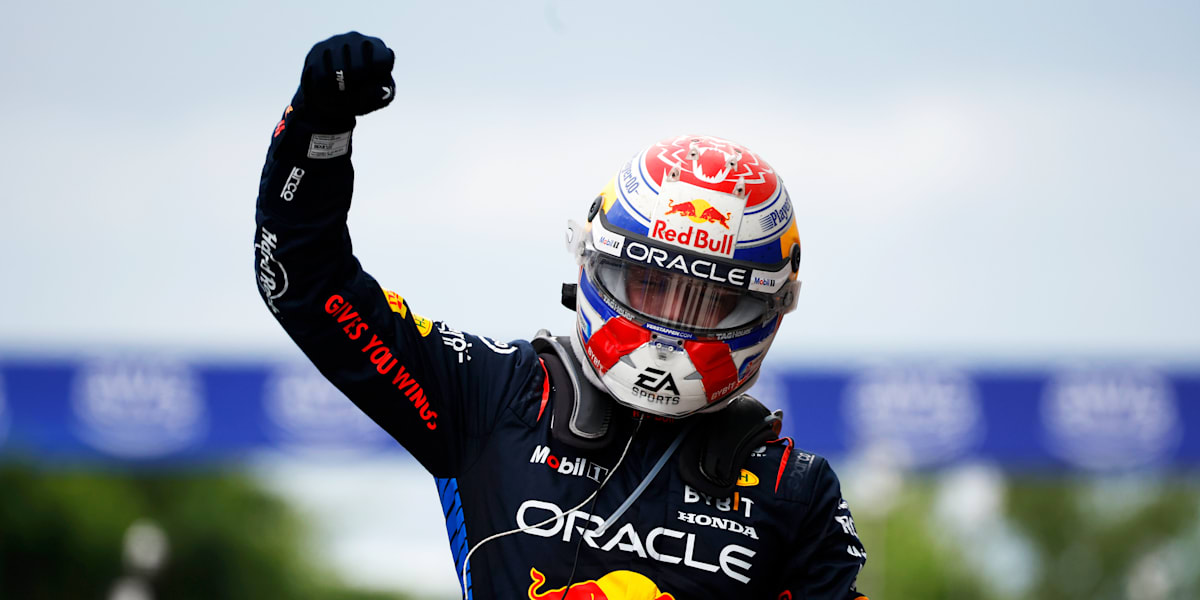
The 2024 Formula One season has experienced some historic moments to this point, the majority of them having seen the participation of Max Verstappen. His performance during the US Grand Prix that was hosted at the Circuit of the Americas in Texas was one of the season’s best moments. Verstappen did not claim the primary race but dominated the sprint session and came third in the last race to solidify his strong performance throughout the season. This article will explore the implications of Verstappen’s performances throughout the US GP and how they are likely to influence the 2024 season. Background: The season to date 2024 Through the United States Grand Prix, the Drivers’ Championship was dominated by Max Verstappen on 331 points, a large lead from the runner-up Lando Norris on 279. This was a sign that Verstappen was performing exceptionally consistently and that he was managing to deliver the podium finishes despite starting from the pole. The Constructors’ Championship was similarly intense, with McLaren having the lead over Red Bull Racing and Ferrari. The season has seen a mix of one-man performances by Verstappen and other teams’ strategic victories, particularly from McLaren and Ferrari. The new regulations brought to promote racing and reduce the cost have made the field more competitive, where several teams are able to vie for the podium. Performance of Verstappen during the US GP Verstappen was on pole for the sprint session at the US GP, which he dominated to claim the victory away from Carlos Sainz Jr. and Lando Norris. This was a vindication of his speed and strategic competence as he navigated the unpredictable Circuit of the Americas with ease. But pole was taken by Norris during the main race, and Ferrari gained a historic 1-2 victory through Charles Leclerc and Carlos Sainz Jr. Verstappen’s third place during the main race was crucial despite losing the victory, as it meant that he remained top of the championship. What was particularly noteworthy about Verstappen was that he was managing his tires effectively and making the appropriate strategic decisions throughout the race. Verstappen’s team, Red Bull Racing, was also displaying top-shelf pit strategy that allowed Verstappen to maintain his position despite the challenges presented by Ferrari and McLaren. Impact on the Championship His US GP performance cemented his status as favorite to take the 2024 Drivers’ Championship. Consistently gaining big points but not necessarily taking the wins has been the theme of his season. The gap between Verstappen and Norris was wide enough that Norris would need to beat Verstappen every time from the remaining rounds if he was to be in a position to catch him. The Constructors’ Championship was more intense, pitting McLaren, Ferrari, and Red Bull to be the top. But the inconsistency of Sergio Pérez for Red Bull meant that the team was finding it hard to remain at the top of the constructors’ standings. The constructors’ battle was one of the closest that has ever taken place in recent years due to the consistent performances of McLaren and the resurgence of Ferrari. Historical Context: Verstappen’s Achievements Max Verstappen’s US GP victories are one part of a larger theme of 2024 season dominance. His achievement of winning three Grands Prix within one country within one season, via victories in Miami, Austin (sprint), and Las Vegas, was a new milestone in the annals of F1. The achievement was not only a show of Verstappen’s talent but was also an affirmation of the strategy and vehicle performance of the Red Bull outfit. His victory in Las Vegas, though unrelated to the Austin GP, was part of his 16 wins from the last 17 races that broke the single-season wins record. The performance cemented his place as one of the best F1 drivers of all time, matching Sebastian Vettel’s wins tally and bringing him closer to Lewis Hamilton’s. Championship Decider: Verstappen Takes the Championship Ultimately, Verstappen’s consistent performance throughout the season was vindicated as he won his fourth F1 World Championship at the Las Vegas Grand Prix. Despite the fact that he did not claim the victory during the race, a fifth place was enough to wrap the title given that Lando Norris was not able to beat him substantially during the final races. The end result was made possible by Verstappen’s solid lead in the points despite the constant pressure from McLaren. The resurgence of Ferrari was another factor, but the final victory was thanks to the individual talent of Verstappen. Max Verstappen’s performances during the US GP, though not bringing a victory to the final race, contributed to maintaining his lead in the championship and opening the path to his final victory. The sprint win, along with consistent podium finishes, acted to solidify his place as one of the greatest drivers to ever take the F1 circuit. The 2024 season will be one to be remembered through Verstappen’s records and the strategic brilliance of Red Bull despite the latter’s woes in the Constructors’ Championship. The future will be looked to by the F1 fraternity as Verstappen’s 2024 season provides the standard to be beaten for drivers and teams. The season reaffirmed the necessity of consistency, wise team management, and sheer talent to be the best in the championship. Appendix: 2024 Key Statistics and 2024 Key Records Max Verstappen’s Achievements Won 18 events during the 2024 season, the new seasonal record. Equaled Sebastian Vettel’s 53 wins throughout his career, ranking him third on the all-time list. First to take three Grands Prix within the same country within one season. Standings After US GP Drivers’ Championship: Verstappen led the pack with 354 points, followed by Norris on 297 points. Constructor Championship: McLaren led the way with 544 points, then came Red Bull Racing and Ferrari. Historic moments: Ferrari took the 1-2 victory in the US for the last time in 2006 during the Austin GP. Red Bull broke Mercedes’ 2016 one-season record of 19 wins. Future Implications for F1 The 2024 season has
