
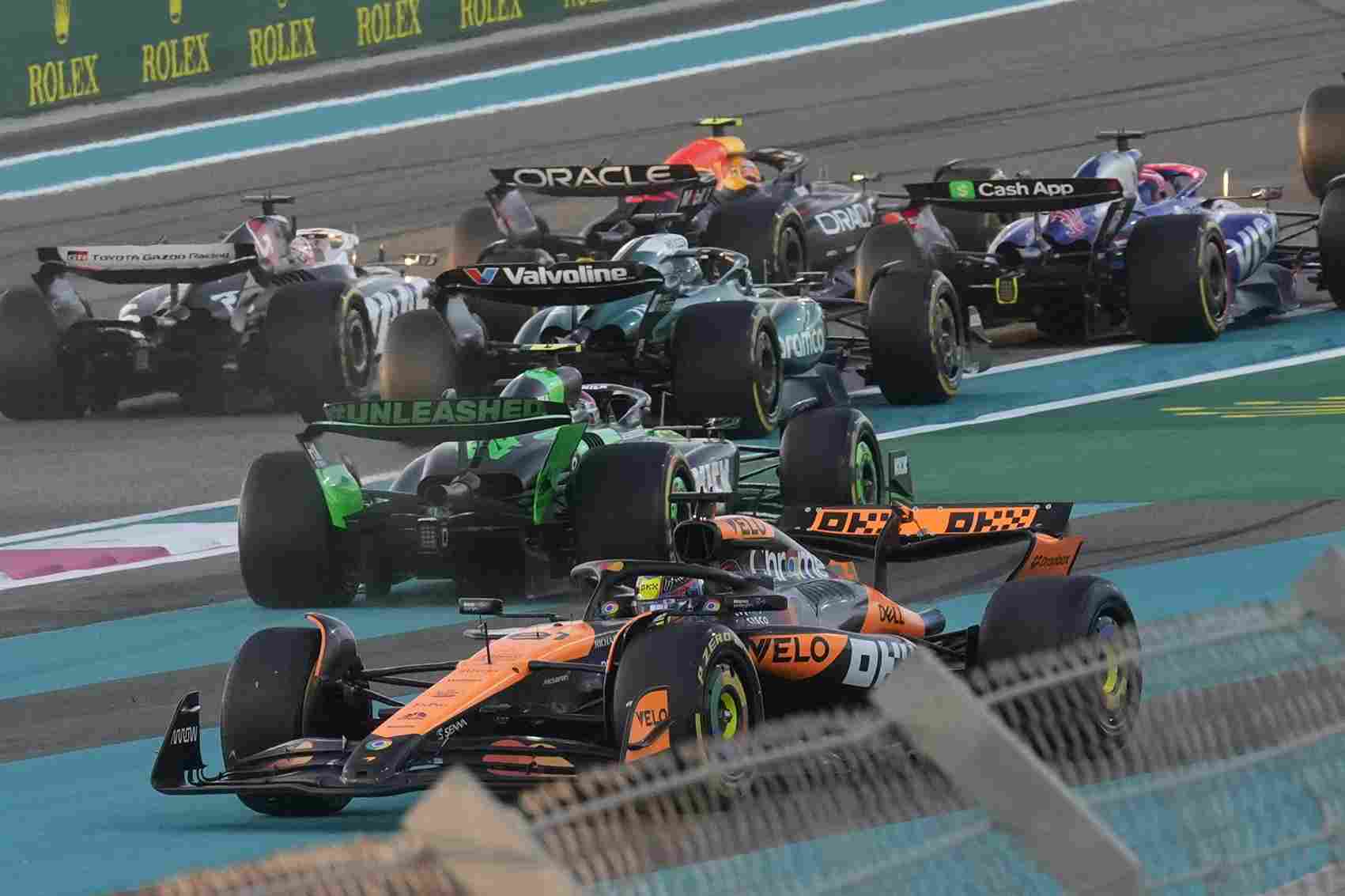
Formula 1, the pinnacle of motorsport, has been absent from the African continent for over three decades. The last time the roar of F1 engines was heard on African streets was in 1993 at the Kyalami Circuit in South Africa. However, with growing interest and investment, the return of F1 to Africa is increasingly becoming a real prospect. South Africa, backed by support from global figures like Lewis Hamilton, is at the forefront, with Rwanda and Zanzibar also vying for the opportunity to host a Grand Prix. Historical Context: The South African Grand Prix The South African Grand Prix has a rich and lengthy history, dating back to 1934 when it was first held as a handicap event at the Prince George Circuit in East London. During its day, it was a staple of the Formula One World Championship, with all-time greats like Jim Clark and Niki Lauda recording multiple victories. The race was halted by World War II and then restarted in 1962. It was halted again by international boycotts protesting South Africa’s apartheid policies. With the abolition of apartheid in 1991, the Grand Prix restarted for two additional years, and the last race was held in 1993 at Kyalami. Winners of the South African Grand Prix The South African Grand Prix has also seen its fair share of repeat winners, including Jim Clark with four wins and Niki Lauda with three wins. Constructors like Lotus and Ferrari also dominated the race, with Lotus winning six times and Ferrari four times. The Bid for F1’s Return South Africa’s bid to bring F1 back to the continent is gaining momentum. Two potential venues are being considered by the nation: the historic Kyalami Circuit and a potential Cape Town street circuit. The Kyalami Circuit, located just north of Johannesburg, has hosted the South African Grand Prix twenty times but currently only has an FIA Grade 2 license, which would have to be upgraded to Grade 1 to accommodate F1 racing. The Cape Town street circuit, on the other hand, offers a modern and scenic alternative, having already proven itself by hosting a Formula E race in 2023. Support from Lewis Hamilton Seven-time F1 world champion Lewis Hamilton has been a vocal supporter of bringing F1 back to Africa. His endorsement has given the South African bid significant traction, and he has cited the continent’s potential to hold a successful and popular Grand Prix. Hamilton’s endorsement is a reminder that there is a need for diversity and inclusion in motorsport, and for F1 to further extend its global footprint. Government Involvement The South African government has made a solid commitment to staging an F1 event. Minister of Sports, Arts and Culture Gayton McKenzie has been in active discussions with F1 authorities, and he believes a race will take place as soon as 2027. The government extended the deadline for promoter bids until March 18, 2025, to enable detailed proposals to be submitted. This is a sign that the government is willing to invest time and money in seeing the event occur. Competition from Rwanda Rwanda is also a strong contender to host an African Grand Prix. Rwanda has been attempting to position itself as an investment and sporting hub, and President Paul Kagame has been personally promoting Rwanda’s bid at the FIA General Assembly. Rwanda’s bid includes a new circuit outside of Kigali, which would offer a new and exciting destination for F1. Rwanda’s bid is unique in its emphasis on sustainability and innovation, which aligns with F1’s strategic goals. Challenges and Opportunities Bringinging F1 back to Africa is neither easy nor without opportunities. The greatest challenge is infrastructure development, particularly for Kyalami, which requires serious upgrading to reach FIA standards. Financial investment and logistical planning are also crucial to the success of such an event. F1 event hosting rights are costly, with recent events costing tens of millions of dollars annually. Yet the upside is considerable. An F1 Grand Prix has the potential to help kick-start local economies through tourism and offer a platform to demonstrate African talent in motorsport. It would also be part of F1’s strategic goal to expand its global reach and diversity. Economic Impact Hosting an F1 Grand Prix carries significant economic impact. The events attract thousands of visitors, boosting local retailing and hospitality businesses. International exposure from broadcasting the race can also enhance the host country’s international image, attracting further investment and tourism in the longer term. It is well established that major sporting events can generate huge revenues for host cities, with returns often exceeding the investment costs. Cultural Significance Aside from the economic benefit, an African F1 race would be culturally significant. It would be a revival of a high-level international sporting event on the continent, and it will be a sign of development and growth. The race would also serve as a catalyst for African motorsport growth, inspiring young drivers and a new generation of racing fans. This could lead to an increase in grassroots involvement in motorsport, discovering potentially future F1 drivers. Potential Venues Kyalami Circuit Kyalami, located in Midrand, Gauteng, is South Africa’s most famous racing circuit. It has hosted numerous international races, including the South African Grand Prix. To qualify for F1, however, Kyalami would need to be seriously upgraded, including the improvement of safety features, pit lanes, and spectator facilities. The circuit’s history and natural layout make it an attractive option for F1’s return. Cape Town Street Circuit Cape Town offers a contemporary and scenic possibility with a proposed street circuit. This would provide an F1 race with a unique backdrop, with the city’s stunning natural beauty and vibrant culture. The success of the 2023 Cape Town Formula E race demonstrates that the city is capable of hosting high-profile motorsport events. A street circuit would have to be carefully designed to be safe and result in minimal disruption for residents. Rwanda’s Bid Rwanda’s bid is centered around building a new circuit near Kigali. This would not just host
Revving Engines: F1’s Triumphant Return To South Africa In 2025?
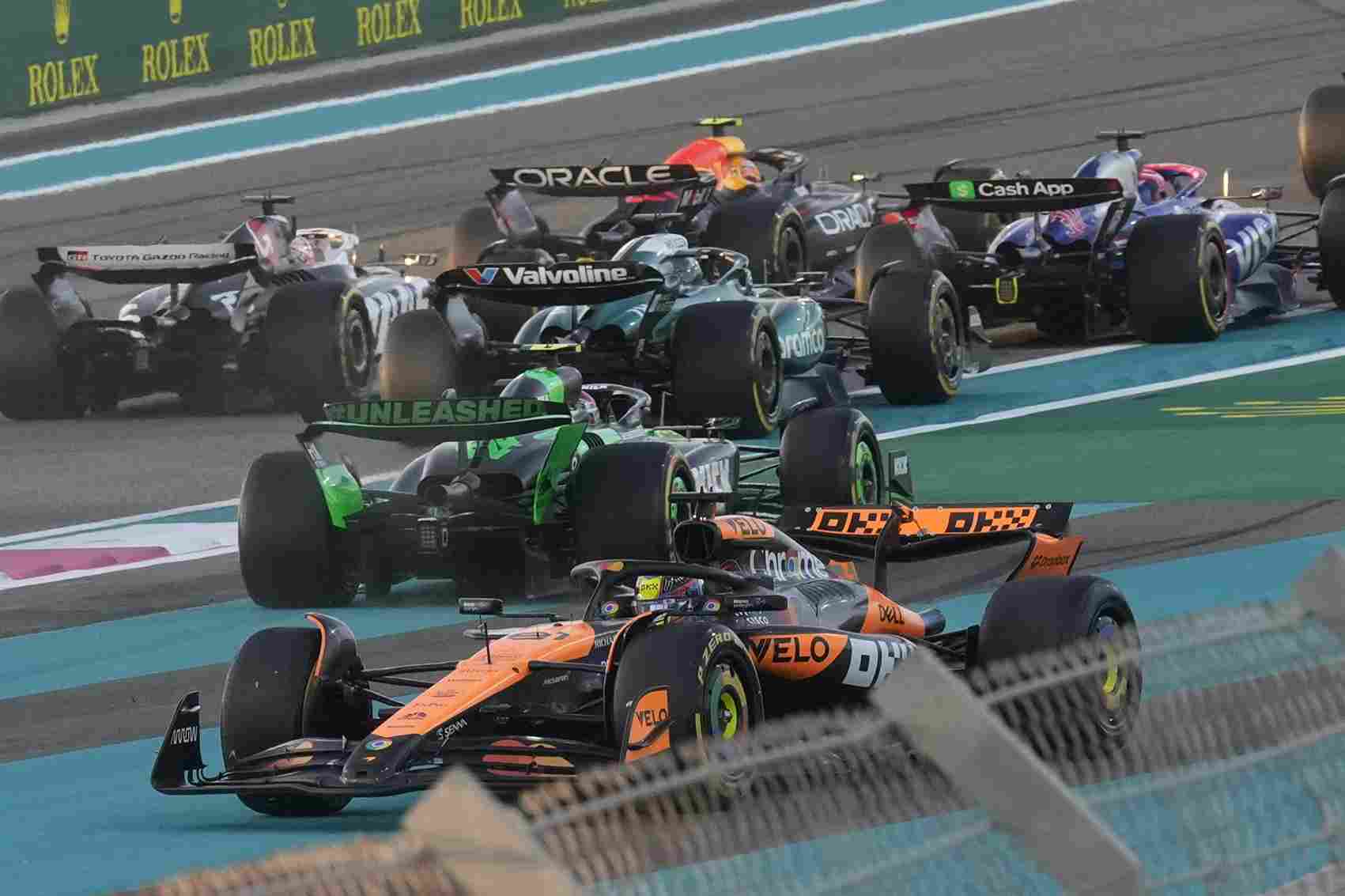
Formula 1, the pinnacle of motorsport, has been absent from the African continent for over three decades. The last time the roar of F1 engines was heard on African streets was in 1993 at the Kyalami Circuit in South Africa. However, with growing interest and investment, the return of F1 to Africa is increasingly becoming a real prospect. South Africa, backed by support from global figures like Lewis Hamilton, is at the forefront, with Rwanda and Zanzibar also vying for the opportunity to host a Grand Prix. Historical Context: The South African Grand Prix The South African Grand Prix has a rich and lengthy history, dating back to 1934 when it was first held as a handicap event at the Prince George Circuit in East London. During its day, it was a staple of the Formula One World Championship, with all-time greats like Jim Clark and Niki Lauda recording multiple victories. The race was halted by World War II and then restarted in 1962. It was halted again by international boycotts protesting South Africa’s apartheid policies. With the abolition of apartheid in 1991, the Grand Prix restarted for two additional years, and the last race was held in 1993 at Kyalami. Winners of the South African Grand Prix The South African Grand Prix has also seen its fair share of repeat winners, including Jim Clark with four wins and Niki Lauda with three wins. Constructors like Lotus and Ferrari also dominated the race, with Lotus winning six times and Ferrari four times. The Bid for F1’s Return South Africa’s bid to bring F1 back to the continent is gaining momentum. Two potential venues are being considered by the nation: the historic Kyalami Circuit and a potential Cape Town street circuit. The Kyalami Circuit, located just north of Johannesburg, has hosted the South African Grand Prix twenty times but currently only has an FIA Grade 2 license, which would have to be upgraded to Grade 1 to accommodate F1 racing. The Cape Town street circuit, on the other hand, offers a modern and scenic alternative, having already proven itself by hosting a Formula E race in 2023. Support from Lewis Hamilton Seven-time F1 world champion Lewis Hamilton has been a vocal supporter of bringing F1 back to Africa. His endorsement has given the South African bid significant traction, and he has cited the continent’s potential to hold a successful and popular Grand Prix. Hamilton’s endorsement is a reminder that there is a need for diversity and inclusion in motorsport, and for F1 to further extend its global footprint. Government Involvement The South African government has made a solid commitment to staging an F1 event. Minister of Sports, Arts and Culture Gayton McKenzie has been in active discussions with F1 authorities, and he believes a race will take place as soon as 2027. The government extended the deadline for promoter bids until March 18, 2025, to enable detailed proposals to be submitted. This is a sign that the government is willing to invest time and money in seeing the event occur. Competition from Rwanda Rwanda is also a strong contender to host an African Grand Prix. Rwanda has been attempting to position itself as an investment and sporting hub, and President Paul Kagame has been personally promoting Rwanda’s bid at the FIA General Assembly. Rwanda’s bid includes a new circuit outside of Kigali, which would offer a new and exciting destination for F1. Rwanda’s bid is unique in its emphasis on sustainability and innovation, which aligns with F1’s strategic goals. Challenges and Opportunities Bringinging F1 back to Africa is neither easy nor without opportunities. The greatest challenge is infrastructure development, particularly for Kyalami, which requires serious upgrading to reach FIA standards. Financial investment and logistical planning are also crucial to the success of such an event. F1 event hosting rights are costly, with recent events costing tens of millions of dollars annually. Yet the upside is considerable. An F1 Grand Prix has the potential to help kick-start local economies through tourism and offer a platform to demonstrate African talent in motorsport. It would also be part of F1’s strategic goal to expand its global reach and diversity. Economic Impact Hosting an F1 Grand Prix carries significant economic impact. The events attract thousands of visitors, boosting local retailing and hospitality businesses. International exposure from broadcasting the race can also enhance the host country’s international image, attracting further investment and tourism in the longer term. It is well established that major sporting events can generate huge revenues for host cities, with returns often exceeding the investment costs. Cultural Significance Aside from the economic benefit, an African F1 race would be culturally significant. It would be a revival of a high-level international sporting event on the continent, and it will be a sign of development and growth. The race would also serve as a catalyst for African motorsport growth, inspiring young drivers and a new generation of racing fans. This could lead to an increase in grassroots involvement in motorsport, discovering potentially future F1 drivers. Potential Venues Kyalami Circuit Kyalami, located in Midrand, Gauteng, is South Africa’s most famous racing circuit. It has hosted numerous international races, including the South African Grand Prix. To qualify for F1, however, Kyalami would need to be seriously upgraded, including the improvement of safety features, pit lanes, and spectator facilities. The circuit’s history and natural layout make it an attractive option for F1’s return. Cape Town Street Circuit Cape Town offers a contemporary and scenic possibility with a proposed street circuit. This would provide an F1 race with a unique backdrop, with the city’s stunning natural beauty and vibrant culture. The success of the 2023 Cape Town Formula E race demonstrates that the city is capable of hosting high-profile motorsport events. A street circuit would have to be carefully designed to be safe and result in minimal disruption for residents. Rwanda’s Bid Rwanda’s bid is centered around building a new circuit near Kigali. This would not just host
Inside the Deal: A Financial And Strategic Breakdown of Alonso’s Contract Extension With Aston Martin
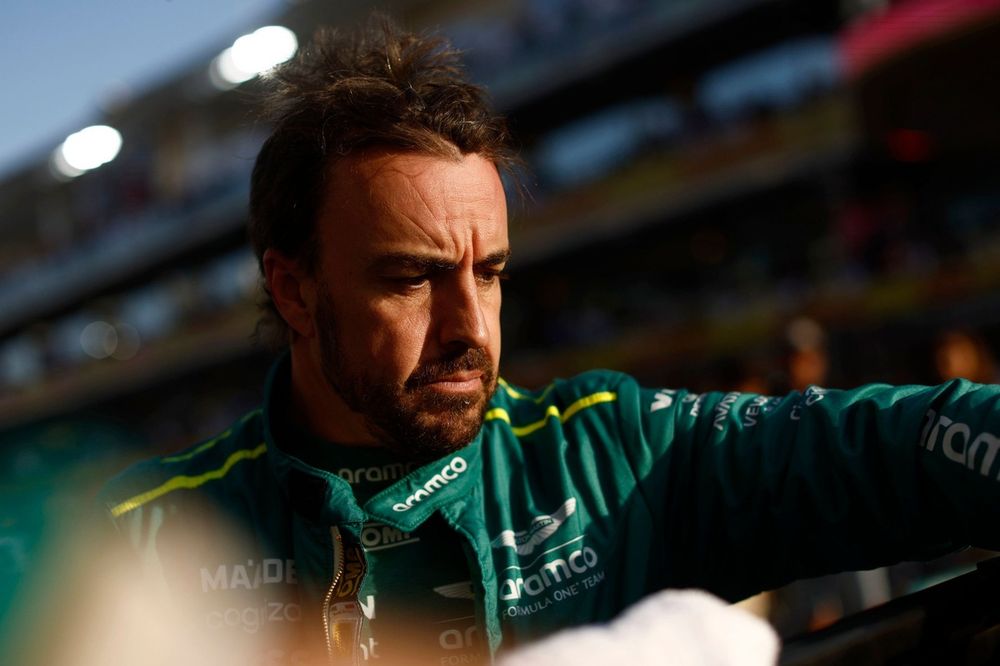
In a move that has sent shockwaves through the Formula One paddock, Fernando Alonso has agreed a multi-year contract extension with Aston Martin, committing him to the Silverstone-based team until at least the end of the 2026 season. The decision not only secures Alonso’s immediate future in F1 but constitutes a significant strategic and financial commitment on the part of Aston Martin. In this article, we will examine the strategic and financial implications of Alonso’s contract extension, exploring how the agreement affects both driver and team. Introduction to Fernando Alonso Fernando Alonso is one of the most successful Formula One drivers of all time. He has won two World Drivers’ Championships in 2005 and 2006, driving for Renault. His career has spanned over two decades, with stints at Ferrari, McLaren, Alpine, and now Aston Martin. Alonso is well respected for his phenomenal driving talent, strategic thinking, and relentless passion for the sport. His return to F1 after a brief hiatus in 2019 and 2020 has been nothing short of phenomenal, with a series of podium finishes that have revived his team’s performance. The Contract Extension: Financial Considerations Alonso’s Aston Martin deal is reportedly worth £17.8 million (€20 million) per year, according to Spanish daily AS. This places him in the higher echelons of earners in the current F1 grid. The deal is on a “one plus one plus one” arrangement, which allows both Alonso and Aston Martin the choice to reconsider their partnership after each season. This is a safeguard for both parties, so that the relationship remains mutually beneficial. Aston Martin’s investment in terms of finances speaks to the team’s ambition to become a championship contender. By securing Alonso, Aston Martin not only retains a world-class driver but gains a leader who can drive team dynamics and strategy. Alonso’s salary will increase throughout the term of his contract, especially considering the team’s future partnership with Honda in 2026. Strategic Implications Leadership and Team Dynamics Alonso’s presence at Aston Martin is not solely regarding his driving capability, but also concerning the leadership and strategic input he will provide to the team. With the retirement of Sebastian Vettel, Aston Martin required a driver who would introduce a new level of competitiveness and leadership to the team. Alonso, who is known to be demanding in nature and for taking teams to their limits, is perfect for this role. His experience level and aspiration to be successful are seen as catalysts to break the team’s dynamics, with a possibility to introduce radical changes in performance. Partnership with Honda One of the key strategic considerations in Alonso’s contract extension is Aston Martin’s future partnership with Honda starting from 2026. The new partnership represents a significant shift for Aston Martin as it will transform the team into a works team with a major manufacturer. Alonso’s dedication to Aston Martin during this period of transition shows his belief in the team’s potential to become a front-running team. The Honda partnership should bring significant technical and financial investment that will be crucial in addressing the new 2026 technical regulations. Impact on the Driver Market Alonso’s commitment to Aston Martin has a knock-on effect in the F1 driver market. His decision to stay at Aston Martin rather than pursue options with front-running teams like Red Bull or Mercedes says a lot about his faith in the team’s long-term potential. It also limits the options for other drivers who are searching for top-line seats because Alonso’s presence at Aston Martin means that one of the most competitive drivers on the grid is no longer in the frame. Alonso’s Perspective: A Lifetime of Effort During a recent press conference, Alonso described his new deal as a “lifetime project,” which will see his association with Aston Martin extend beyond his driving career. This sort of long-term dedication suggests that Alonso does not see Aston Martin as a team but as a platform where he can provide his vast experience to help build a sustainable and winning F1 program. Alonso plans to continue with Aston Martin even after retiring as a driver, utilizing his nearly 40 years of motorsport experience to the team’s benefit. Financial and Strategic Benefits to Alonso For Alonso, the contract extension offers several benefits: Financial Security: The deal provides Alonso with a massive annual salary, which ensures financial security and stability. His net worth of around $260 million will keep growing with this contract and potential bonuses. Strategic Positioning: By committing to Aston Martin, Alonso positions himself in a key role for the team’s future success. As a leader, this allows him to influence team strategy and dynamics, which could lead to improved performance and more podium finishes. Legacy and Long-Term Commitment: Alonso’s dedication to remaining with Aston Martin following his driving career is an indication of his desire to have a lasting legacy in F1. His ongoing involvement in the team’s future development will guarantee that his legacy will extend beyond his driving days. Aston Martin’s Strategic Vision Aston Martin’s decision to extend Alonso’s contract is strategic and part of an overall plan for the team. The team’s leadership, under Lawrence Stroll and Mike Krack, has been working to transform Aston Martin into a championship-winning team. This plan involves not only signing elite drivers such as Alonso but also investing heavily in technology and infrastructure. The partnership with Honda is a central part of this strategy. In joining forces with a major manufacturer, Aston Martin will gain access to extensive resources and expertise that will be extremely valuable in developing competitive cars under the new technical regulations. Alonso’s willingness to commit to the team over this period is a reflection of his confidence in Aston Martin’s ability to deliver on this vision. Impact on Team Performance Alonso’s effect on team performance is three-fold. His talent as a driver is indisputable, with a capability for getting the best out of the car that has been on show throughout his career. But his impact is felt off the

Inside the Deal: A Financial And Strategic Breakdown of Alonso’s Contract Extension With Aston Martin
In a move that has sent shockwaves through the Formula One paddock, Fernando Alonso has agreed a multi-year contract extension with Aston Martin, committing him to the Silverstone-based team until at least the end of the 2026 season. The decision not only secures Alonso’s immediate future in F1 but constitutes a significant strategic and financial commitment on the part of Aston Martin. In this article, we will examine the strategic and financial implications of Alonso’s contract extension, exploring how the agreement affects both driver and team. Introduction to Fernando Alonso Fernando Alonso is one of the most successful Formula One drivers of all time. He has won two World Drivers’ Championships in 2005 and 2006, driving for Renault. His career has spanned over two decades, with stints at Ferrari, McLaren, Alpine, and now Aston Martin. Alonso is well respected for his phenomenal driving talent, strategic thinking, and relentless passion for the sport. His return to F1 after a brief hiatus in 2019 and 2020 has been nothing short of phenomenal, with a series of podium finishes that have revived his team’s performance. The Contract Extension: Financial Considerations Alonso’s Aston Martin deal is reportedly worth £17.8 million (€20 million) per year, according to Spanish daily AS. This places him in the higher echelons of earners in the current F1 grid. The deal is on a “one plus one plus one” arrangement, which allows both Alonso and Aston Martin the choice to reconsider their partnership after each season. This is a safeguard for both parties, so that the relationship remains mutually beneficial. Aston Martin’s investment in terms of finances speaks to the team’s ambition to become a championship contender. By securing Alonso, Aston Martin not only retains a world-class driver but gains a leader who can drive team dynamics and strategy. Alonso’s salary will increase throughout the term of his contract, especially considering the team’s future partnership with Honda in 2026. Strategic Implications Leadership and Team Dynamics Alonso’s presence at Aston Martin is not solely regarding his driving capability, but also concerning the leadership and strategic input he will provide to the team. With the retirement of Sebastian Vettel, Aston Martin required a driver who would introduce a new level of competitiveness and leadership to the team. Alonso, who is known to be demanding in nature and for taking teams to their limits, is perfect for this role. His experience level and aspiration to be successful are seen as catalysts to break the team’s dynamics, with a possibility to introduce radical changes in performance. Partnership with Honda One of the key strategic considerations in Alonso’s contract extension is Aston Martin’s future partnership with Honda starting from 2026. The new partnership represents a significant shift for Aston Martin as it will transform the team into a works team with a major manufacturer. Alonso’s dedication to Aston Martin during this period of transition shows his belief in the team’s potential to become a front-running team. The Honda partnership should bring significant technical and financial investment that will be crucial in addressing the new 2026 technical regulations. Impact on the Driver Market Alonso’s commitment to Aston Martin has a knock-on effect in the F1 driver market. His decision to stay at Aston Martin rather than pursue options with front-running teams like Red Bull or Mercedes says a lot about his faith in the team’s long-term potential. It also limits the options for other drivers who are searching for top-line seats because Alonso’s presence at Aston Martin means that one of the most competitive drivers on the grid is no longer in the frame. Alonso’s Perspective: A Lifetime of Effort During a recent press conference, Alonso described his new deal as a “lifetime project,” which will see his association with Aston Martin extend beyond his driving career. This sort of long-term dedication suggests that Alonso does not see Aston Martin as a team but as a platform where he can provide his vast experience to help build a sustainable and winning F1 program. Alonso plans to continue with Aston Martin even after retiring as a driver, utilizing his nearly 40 years of motorsport experience to the team’s benefit. Financial and Strategic Benefits to Alonso For Alonso, the contract extension offers several benefits: Financial Security: The deal provides Alonso with a massive annual salary, which ensures financial security and stability. His net worth of around $260 million will keep growing with this contract and potential bonuses. Strategic Positioning: By committing to Aston Martin, Alonso positions himself in a key role for the team’s future success. As a leader, this allows him to influence team strategy and dynamics, which could lead to improved performance and more podium finishes. Legacy and Long-Term Commitment: Alonso’s dedication to remaining with Aston Martin following his driving career is an indication of his desire to have a lasting legacy in F1. His ongoing involvement in the team’s future development will guarantee that his legacy will extend beyond his driving days. Aston Martin’s Strategic Vision Aston Martin’s decision to extend Alonso’s contract is strategic and part of an overall plan for the team. The team’s leadership, under Lawrence Stroll and Mike Krack, has been working to transform Aston Martin into a championship-winning team. This plan involves not only signing elite drivers such as Alonso but also investing heavily in technology and infrastructure. The partnership with Honda is a central part of this strategy. In joining forces with a major manufacturer, Aston Martin will gain access to extensive resources and expertise that will be extremely valuable in developing competitive cars under the new technical regulations. Alonso’s willingness to commit to the team over this period is a reflection of his confidence in Aston Martin’s ability to deliver on this vision. Impact on Team Performance Alonso’s effect on team performance is three-fold. His talent as a driver is indisputable, with a capability for getting the best out of the car that has been on show throughout his career. But his impact is felt off the

What F1’s New Durability Regulations Mean For Teams In 2025
The 2025 Formula 1 season promises to be a landmark season for the sport as it brings in numerous new regulations aimed at enhanced durability, safety, and competitiveness. The regulations form part of a broader plan by the FIA to render Formula 1 a sustainable but technologically advanced sport without compromising on the sport’s traditional values of speed and competitiveness. The following is a discussion of the new durability regulations, the impact on teams, and the way the regulations can shape the dynamics of the 2025 season. Overview of Key Regulations Increased Minimum Driver Weight and Car Weight One of the significant changes for the 2025 season is the increase in the minimum driver weight from 80 kg to 82 kg. This is to cater to taller drivers and give them comfort and safety during races. Due to this, the minimum car weight has been raised from 798 kg to 800 kg to maintain balanced performance for all drivers. This change may require teams to reassess their car designs to provide the best weight distribution within the new regulations. Stricter DRS and Flex Wing Regulations The FIA has introduced tighter regulations on the use of the Drag Reduction System (DRS) and flexible wings to shut off loopholes that would provide teams with an unfair aerodynamic advantage. The “mini-DRS” concept, where some teams were achieving a comparable drag reduction to the full DRS system, has been effectively banned. The rules now specify that the DRS bodywork can have only two positions—open or closed—and must return to the normal position when deactivated. Additionally, there are also new restrictions on front wing flexibility. Starting from the Spanish Grand Prix, the FIA will be implementing a one-third increase in front wing stiffness in normal load tests. That will reduce the vertical deflection of the wing in the outboard section from 15 mm to 10 mm, and from 3 mm to 2 mm at the inner section. These changes are intended to reduce the exploitation of flexible wings, which have been used by some teams to gain an aerodynamic benefit. Driver Cooling Systems As a reaction to the extreme heat conditions during races, such as the 2023 Qatar Grand Prix, the FIA has mandated the use of driver cooling systems when the temperature exceeds 30.5°C. This will increase the weight of the cars, so the minimum weight must be increased by 5 kg for races and sprint events. This change is aimed at driver safety and comfort, so that they can give their best performance even in challenging conditions. Testing Limitations To reduce costs and achieve fairness among teams, the FIA has imposed tighter testing limits. The teams are now allowed only 20 days of testing with old cars (TPC), and current drivers are limited to 1000 km in four days. The reason for this limit is to prevent wealthier teams from gaining an unfair advantage by undertaking huge amounts of testing. Increased Rookie Participation The 2025 season also provides more opportunities for rookie drivers. Teams are now required to run a rookie driver in four free practice sessions during the season, double the number previously required. This is aimed at providing young drivers with more experience and exposure, and possibly discovering new talent. Removal of the Fastest Lap Point The other significant change is the removal of the point for fastest lap, introduced for 2019. This is carried out in the hope of encouraging teams to focus more on race performance and less on tactical efforts to score bonus points. The absence of this point could lead to more strategic racing as teams will worry more about overall race position than last-ditch heroics. Impact on Teams Technical Challenges The new regulations present several technical challenges to teams. The more restrictive DRS and flex wing rules require teams to rethink their aerodynamic strategies, which could lead to a more level playing field. This could, however, be detrimental to teams that have made large investments into flexible wing technology, such as McLaren and Mercedes. The increased front wing stiffness requirements will bring about the necessity for significant design adaptation, particularly for teams like Red Bull, who are now poised to actively develop their own flexible wing solutions. The challenge will be to maintain or increase performance within the new stiffness regulations. Cost and Resource Management The testing restrictions will render development work by teams more efficient. As there will be less opportunity to test, teams will need to rely more on simulation tools and strategic planning to optimize car setups. This could favor teams with strong simulation capabilities and data analysis tools. Strategic Implications The removal of the fastest lap point can lead to more conservative race strategies, with teams focusing on position over risking a bonus point. That may translate into fewer late-race pit stops and less aggressive driving, potentially affecting the competitiveness of races overall. The increased emphasis on rookie participation will introduce fresh ideas into teams and perhaps unlock new talent. However, it will also mean that seasoned drivers will have less time to develop their skills during practice sessions. Safety and Sustainability The addition of driver cooling systems shows the FIA’s commitment to driver safety. While it adds weight and complexity to the cars, it enables the drivers to perform at their best even in extreme conditions, reducing the chances of heat-related illness. The focus on sustainability, not directly discussed in the 2025 regulations, remains a long-term imperative for Formula 1. Ongoing, teams are refining their power units and aerodynamics for reduced fuel consumption and hybrid efficiency improvements, reflecting broader environmental objectives. Conclusion The 2025 Formula 1 season is marked by a series of regulatory changes aimed at enhancing durability, safety, and competitiveness. The changes will compel the teams to update their technical strategies, be more resourceful, and place greater focus on driver comfort and safety. With the sport set for more extensive technical overhauls in 2026, the 2025 season is a critical transition year, setting the stage for what is

What F1’s New Durability Regulations Mean For Teams In 2025
The 2025 Formula 1 season promises to be a landmark season for the sport as it brings in numerous new regulations aimed at enhanced durability, safety, and competitiveness. The regulations form part of a broader plan by the FIA to render Formula 1 a sustainable but technologically advanced sport without compromising on the sport’s traditional values of speed and competitiveness. The following is a discussion of the new durability regulations, the impact on teams, and the way the regulations can shape the dynamics of the 2025 season. Overview of Key Regulations Increased Minimum Driver Weight and Car Weight One of the significant changes for the 2025 season is the increase in the minimum driver weight from 80 kg to 82 kg. This is to cater to taller drivers and give them comfort and safety during races. Due to this, the minimum car weight has been raised from 798 kg to 800 kg to maintain balanced performance for all drivers. This change may require teams to reassess their car designs to provide the best weight distribution within the new regulations. Stricter DRS and Flex Wing Regulations The FIA has introduced tighter regulations on the use of the Drag Reduction System (DRS) and flexible wings to shut off loopholes that would provide teams with an unfair aerodynamic advantage. The “mini-DRS” concept, where some teams were achieving a comparable drag reduction to the full DRS system, has been effectively banned. The rules now specify that the DRS bodywork can have only two positions—open or closed—and must return to the normal position when deactivated. Additionally, there are also new restrictions on front wing flexibility. Starting from the Spanish Grand Prix, the FIA will be implementing a one-third increase in front wing stiffness in normal load tests. That will reduce the vertical deflection of the wing in the outboard section from 15 mm to 10 mm, and from 3 mm to 2 mm at the inner section. These changes are intended to reduce the exploitation of flexible wings, which have been used by some teams to gain an aerodynamic benefit. Driver Cooling Systems As a reaction to the extreme heat conditions during races, such as the 2023 Qatar Grand Prix, the FIA has mandated the use of driver cooling systems when the temperature exceeds 30.5°C. This will increase the weight of the cars, so the minimum weight must be increased by 5 kg for races and sprint events. This change is aimed at driver safety and comfort, so that they can give their best performance even in challenging conditions. Testing Limitations To reduce costs and achieve fairness among teams, the FIA has imposed tighter testing limits. The teams are now allowed only 20 days of testing with old cars (TPC), and current drivers are limited to 1000 km in four days. The reason for this limit is to prevent wealthier teams from gaining an unfair advantage by undertaking huge amounts of testing. Increased Rookie Participation The 2025 season also provides more opportunities for rookie drivers. Teams are now required to run a rookie driver in four free practice sessions during the season, double the number previously required. This is aimed at providing young drivers with more experience and exposure, and possibly discovering new talent. Removal of the Fastest Lap Point The other significant change is the removal of the point for fastest lap, introduced for 2019. This is carried out in the hope of encouraging teams to focus more on race performance and less on tactical efforts to score bonus points. The absence of this point could lead to more strategic racing as teams will worry more about overall race position than last-ditch heroics. Impact on Teams Technical Challenges The new regulations present several technical challenges to teams. The more restrictive DRS and flex wing rules require teams to rethink their aerodynamic strategies, which could lead to a more level playing field. This could, however, be detrimental to teams that have made large investments into flexible wing technology, such as McLaren and Mercedes. The increased front wing stiffness requirements will bring about the necessity for significant design adaptation, particularly for teams like Red Bull, who are now poised to actively develop their own flexible wing solutions. The challenge will be to maintain or increase performance within the new stiffness regulations. Cost and Resource Management The testing restrictions will render development work by teams more efficient. As there will be less opportunity to test, teams will need to rely more on simulation tools and strategic planning to optimize car setups. This could favor teams with strong simulation capabilities and data analysis tools. Strategic Implications The removal of the fastest lap point can lead to more conservative race strategies, with teams focusing on position over risking a bonus point. That may translate into fewer late-race pit stops and less aggressive driving, potentially affecting the competitiveness of races overall. The increased emphasis on rookie participation will introduce fresh ideas into teams and perhaps unlock new talent. However, it will also mean that seasoned drivers will have less time to develop their skills during practice sessions. Safety and Sustainability The addition of driver cooling systems shows the FIA’s commitment to driver safety. While it adds weight and complexity to the cars, it enables the drivers to perform at their best even in extreme conditions, reducing the chances of heat-related illness. The focus on sustainability, not directly discussed in the 2025 regulations, remains a long-term imperative for Formula 1. Ongoing, teams are refining their power units and aerodynamics for reduced fuel consumption and hybrid efficiency improvements, reflecting broader environmental objectives. Conclusion The 2025 Formula 1 season is marked by a series of regulatory changes aimed at enhancing durability, safety, and competitiveness. The changes will compel the teams to update their technical strategies, be more resourceful, and place greater focus on driver comfort and safety. With the sport set for more extensive technical overhauls in 2026, the 2025 season is a critical transition year, setting the stage for what is
