
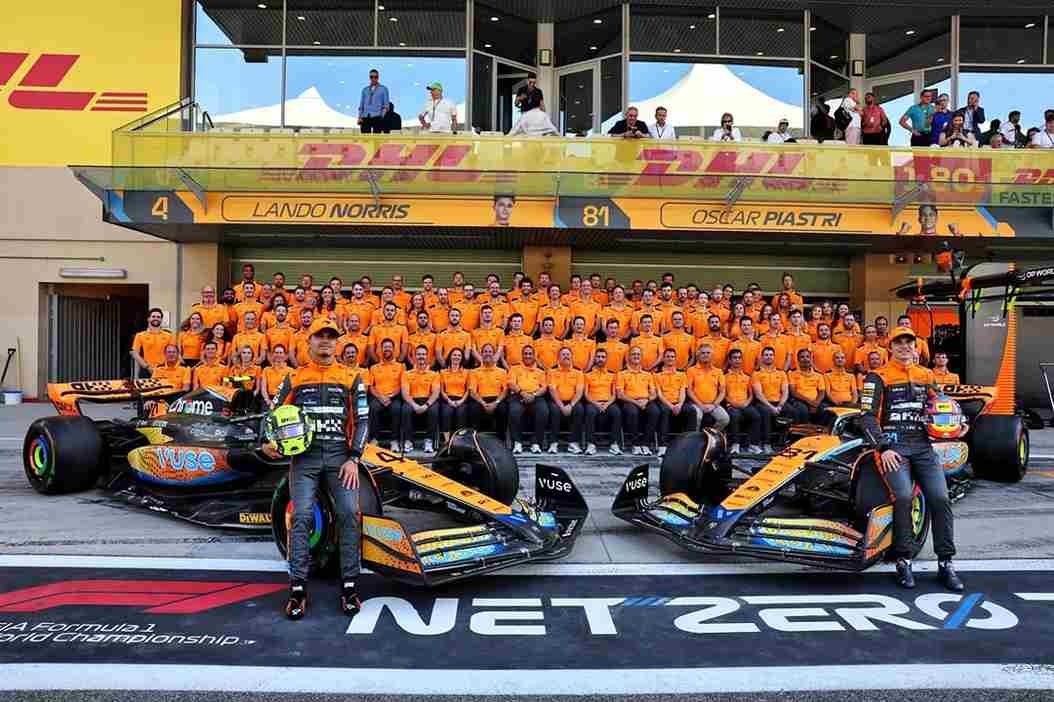
McLaren, the most iconic name within the sport of motorsport, saw the most dramatic of turnarounds over the past few years, from financial difficulties to new profit records. The turn of fortunes is no mere reflection of the wise business decisions of the team but the far-reaching impact of the competitive cost cap that Formula 1 instituted. Here at the turn of the year, we examine the reasons that are fueling McLaren’s financial turn of fortunes, the impact of the cost cap within the sport of Formula 1, and the ways these developments are placing McLaren for the success that it can sustain for the years that lie ahead. Overview of McLaren Financial Challenges McLaren Financial Prior to the recent turn of fortunes for it, McLaren experienced dire financial woes. The performance of the team at the track directly contributed to the company’s finances. McLaren lost up to £9 million by the year 2022, signaling the need for taking serious actions for it to remain alive and competitive in the highly competitive world of Formula 1. The COVID-19 pandemic accelerated these challenges for McLaren, forcing it to undertake widespread restructuring procedures. It did this by selling off a minority stake to investors and leasing back its iconic McLaren Technology Center for much-needed finances. Despite these interventions, the team hovered on the brink of collapse with the admission by the CEO, Zak Brown, that McLaren came inches away from collapse except for the cash injection. Strategic Business Decisions McLaren’s financial turnaround is mostly attributable to the strategic business decisions of the recent years. One of the most significant of these was the minority investments made by the company with external investors, like the significant minority investment by MSP Sports Capital that increased over the years to 33%. The company also received much-needed financial respite with the sale and leasing back of the McLaren Technology Center. In addition, McLaren has concentrated on growing the company’s presence outside Formula 1 by successfully competing in the areas of IndyCar, Formula E, and Extreme E. The diversified strategy not just increased McLaren brand exposure but also played a big part in the company’s financial comeback. Expansion into new markets McLaren’s foray into new markets and series has been the centerpiece of its strategy. McLaren collaborated with Arrow McLaren SP within the world of IndyCar with much success and grew within the U.S. market. It not only adds more McLaren enthusiasts but also creates new sources of revenue with the sponsorship and merchandise sales. McLaren utilized its technical knowledge to compete at the most competitive levels within Formula E and Extreme E. Both of these leagues present possibilities for innovation and brand marketing that are consistent with McLaren’s interest in sustainability and technical progress. Impact of the Budget Cap in F1 A cost cap for Formula 1 contributed heavily to McLaren’s financial revitalization. Introduced for 2021 at $145 million, the cap dipped to $140 million for 2022 and $135 million for 2023 and thereafter. The intention of the measure was to level the competition by restraining the spending of the big hitters of the sport, such as Mercedes, Ferrari, and Red Bull. McLaren was the strongest advocate of the cost cap because it has the capability of keeping the sport alive and competitive. McLaren CEO Zak Brown praised the cap as “excellent for the sport” because it helped bridge the margin between the front-runners and the backmarkers. It has led teams to become more economical and efficient with expenses. McLaren, for instance, needed to downscale and rebuild the engineering capability of the company. It needed careful fiscal planning for it to remain within the cap but at the same time enhance the technical ability of the team. Efficiency and Innovation Within the cost ceiling, McLaren has focused on maximizing efficiency and innovation. The organization has invested heavily in new technologies and streamlined operations for more with fewer resources. The strategy did more than just save the company cash; it led to the improvement of car performance, with McLaren’s improved track performance providing the best testament to that. Apart from that, the cost cap has enhanced collaboration and sharing of resources between teams. McLaren invested in alliances and partnerships with the objective of sharing knowledge and reducing costs while enhancing competitiveness. Financial Revival of 2023 McLaren reported a dramatic financial turn with profits of £30.4 million ($40 million) for 2023 compared with the 2022 loss of £9 million. The improvement was the result of the 31% revenue rise that saw the company generate £431 million ($573 million) for the year. The team’s heightened on-track performance was a significant factor in this economic success. Better sponsorship deals, supported by better performance on the track, have yielded dividends for McLaren revenues. The success of the team at Formula 1, as well as at the other automobile racing series, has made McLaren more attractive for sponsorship and investment interest. Sponsorship and Brand Visibility McLaren’s increased brand profile has contributed substantially toward attracting new sponsorship and generating revenue. The performance of the team at the track has become more desirable for the new sponsors, with the team signing valuable sponsorship deals with global giants such as Google and Coca-Cola that are boosting McLaren’s financial resources while spreading the company’s global presence. Outlook for 2025 With McLaren looking to the future, the team is optimistic of sustaining its momentum. In the Indian market, McLaren is bullish on its prospects, aiming to build on its success in the premium supercar segment. With over 50 units sold since its foray into the market in 2022, McLaren feels there is room for further growth in India, driven by the increasing demand for luxury vehicles. McLaren is set to continue the quest for dominance in Formula 1. After claiming the Constructors’ Championship of 2024, the team now aims for the Drivers’ Championship of 2025. With the quality duo of Lando Norris and Oscar Piastri at the controls, McLaren is well-positioned to challenge for the two

From Red To Black: McLaren’s Meteoric Financial Turnaround
McLaren, the most iconic name within the sport of motorsport, saw the most dramatic of turnarounds over the past few years, from financial difficulties to new profit records. The turn of fortunes is no mere reflection of the wise business decisions of the team but the far-reaching impact of the competitive cost cap that Formula 1 instituted. Here at the turn of the year, we examine the reasons that are fueling McLaren’s financial turn of fortunes, the impact of the cost cap within the sport of Formula 1, and the ways these developments are placing McLaren for the success that it can sustain for the years that lie ahead. Overview of McLaren Financial Challenges McLaren Financial Prior to the recent turn of fortunes for it, McLaren experienced dire financial woes. The performance of the team at the track directly contributed to the company’s finances. McLaren lost up to £9 million by the year 2022, signaling the need for taking serious actions for it to remain alive and competitive in the highly competitive world of Formula 1. The COVID-19 pandemic accelerated these challenges for McLaren, forcing it to undertake widespread restructuring procedures. It did this by selling off a minority stake to investors and leasing back its iconic McLaren Technology Center for much-needed finances. Despite these interventions, the team hovered on the brink of collapse with the admission by the CEO, Zak Brown, that McLaren came inches away from collapse except for the cash injection. Strategic Business Decisions McLaren’s financial turnaround is mostly attributable to the strategic business decisions of the recent years. One of the most significant of these was the minority investments made by the company with external investors, like the significant minority investment by MSP Sports Capital that increased over the years to 33%. The company also received much-needed financial respite with the sale and leasing back of the McLaren Technology Center. In addition, McLaren has concentrated on growing the company’s presence outside Formula 1 by successfully competing in the areas of IndyCar, Formula E, and Extreme E. The diversified strategy not just increased McLaren brand exposure but also played a big part in the company’s financial comeback. Expansion into new markets McLaren’s foray into new markets and series has been the centerpiece of its strategy. McLaren collaborated with Arrow McLaren SP within the world of IndyCar with much success and grew within the U.S. market. It not only adds more McLaren enthusiasts but also creates new sources of revenue with the sponsorship and merchandise sales. McLaren utilized its technical knowledge to compete at the most competitive levels within Formula E and Extreme E. Both of these leagues present possibilities for innovation and brand marketing that are consistent with McLaren’s interest in sustainability and technical progress. Impact of the Budget Cap in F1 A cost cap for Formula 1 contributed heavily to McLaren’s financial revitalization. Introduced for 2021 at $145 million, the cap dipped to $140 million for 2022 and $135 million for 2023 and thereafter. The intention of the measure was to level the competition by restraining the spending of the big hitters of the sport, such as Mercedes, Ferrari, and Red Bull. McLaren was the strongest advocate of the cost cap because it has the capability of keeping the sport alive and competitive. McLaren CEO Zak Brown praised the cap as “excellent for the sport” because it helped bridge the margin between the front-runners and the backmarkers. It has led teams to become more economical and efficient with expenses. McLaren, for instance, needed to downscale and rebuild the engineering capability of the company. It needed careful fiscal planning for it to remain within the cap but at the same time enhance the technical ability of the team. Efficiency and Innovation Within the cost ceiling, McLaren has focused on maximizing efficiency and innovation. The organization has invested heavily in new technologies and streamlined operations for more with fewer resources. The strategy did more than just save the company cash; it led to the improvement of car performance, with McLaren’s improved track performance providing the best testament to that. Apart from that, the cost cap has enhanced collaboration and sharing of resources between teams. McLaren invested in alliances and partnerships with the objective of sharing knowledge and reducing costs while enhancing competitiveness. Financial Revival of 2023 McLaren reported a dramatic financial turn with profits of £30.4 million ($40 million) for 2023 compared with the 2022 loss of £9 million. The improvement was the result of the 31% revenue rise that saw the company generate £431 million ($573 million) for the year. The team’s heightened on-track performance was a significant factor in this economic success. Better sponsorship deals, supported by better performance on the track, have yielded dividends for McLaren revenues. The success of the team at Formula 1, as well as at the other automobile racing series, has made McLaren more attractive for sponsorship and investment interest. Sponsorship and Brand Visibility McLaren’s increased brand profile has contributed substantially toward attracting new sponsorship and generating revenue. The performance of the team at the track has become more desirable for the new sponsors, with the team signing valuable sponsorship deals with global giants such as Google and Coca-Cola that are boosting McLaren’s financial resources while spreading the company’s global presence. Outlook for 2025 With McLaren looking to the future, the team is optimistic of sustaining its momentum. In the Indian market, McLaren is bullish on its prospects, aiming to build on its success in the premium supercar segment. With over 50 units sold since its foray into the market in 2022, McLaren feels there is room for further growth in India, driven by the increasing demand for luxury vehicles. McLaren is set to continue the quest for dominance in Formula 1. After claiming the Constructors’ Championship of 2024, the team now aims for the Drivers’ Championship of 2025. With the quality duo of Lando Norris and Oscar Piastri at the controls, McLaren is well-positioned to challenge for the two
Red Bull’s Internal Struggles: Assessing The Impact On Their Championship Hopes
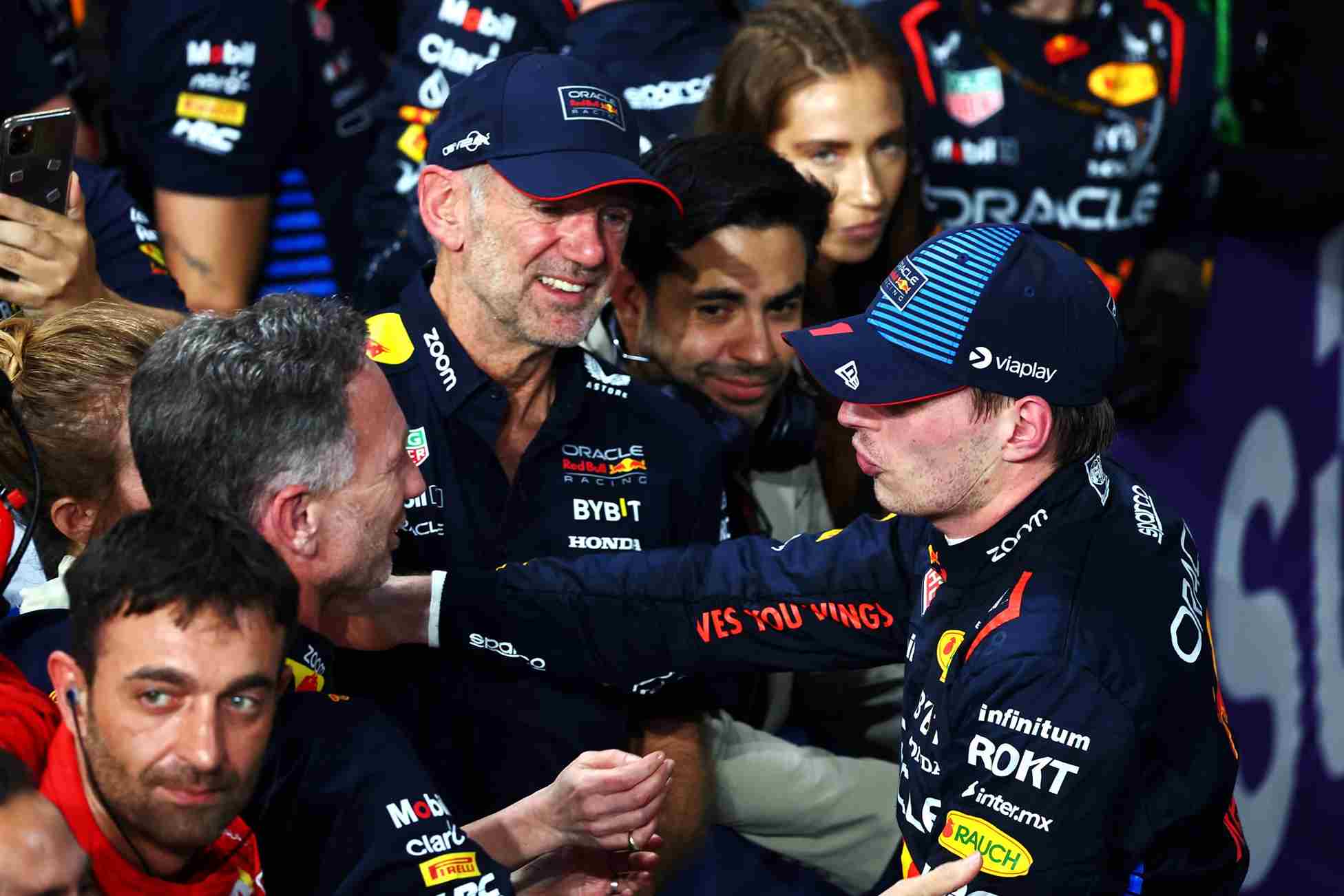
Red Bull Racing, the most successful Formula One team of recent years, has lately witnessed serious turmoil within the organization. The turmoil over the track impacted the performance of the team but more seriously jeopardized the team’s championship dominance. Loss of valuable personnel, team infighting, and car technical issues are just a few of the reasons that pushed the team into the tumultuous times that it finds itself in now. The article at present shall discuss the reasons for these conflicts within the organization and shall assess the impact that these are likely to have upon the championship hopes of Red Bull for the coming years. Departure of Senior Personnel Perhaps the biggest challenge Red Bull has had to contend with is the loss of key personnel. The loss of Adrian Newey, one of the most renowned technical minds in F1, to Aston Martin has been especially prominent. Newey’s contribution to Red Bull’s success cannot be understated, with his revolutionary designs playing a huge role in the team’s success over the years. While Christian Horner, Red Bull’s team principal, has played down the short-term effects of Newey’s loss, there can be no doubt that his absence will be felt in the long run. One departure of particular note is that of sporting director Jonathan Wheatley, who will be leaving to become team principal at Sauber ahead of the Audi era. Wheatley’s input at the trackside team has been valuable, and the sporting director’s departure will require the team’s operational structure to be reshaped accordingly. In the meanwhile, the departure of McLaren’s main strategist, Will Courtenay, for Red Bull threatens the latter with the loss of competitive advantage while enhancing the former’s. The brain drain that these individuals symbolize is supplemented by the more intrinsic challenge of retaining good people and the cohesiveness of teams. Internal Conflict Internal Internal conflicts within the organization are responsible for just about the same extent of the team’s challenges. The team has witnessed tensions between Horner and the father of Max Verstappen, namely Jos Verstappen. The latter openly declared that he was unhappy with Horner’s management, such as the demand that Horner resign.24. These tensions within the organization generate unstable conditions that are responsible for the team’s performance and the state of the team’s morale. Furthermore, the controversy surrounding Horner’s alleged impropriety early in 2024 led to an investigation and further press scrutiny. 24. Even if Horner was cleared of impropriety, the incident exposed infighting and tensions within the team. Red Bull senior advisor Helmut Marko admitted that tensions of this sort are detrimental to the team’s performance, even if indirectly due to technical issues. Technical Challenges Red Bull also had serious technical challenges with the cars. The RB20 suffered from understeer caused by handling imbalance that affected the performance and predictability of the car. 35. The imbalance prevented the ability of the drivers to commit to corner entrance points, leading to tire wear and performance loss. Even though they diagnosed the above complications, they couldn’t effectively fix the problems that compounded the performance of the cars. The team’s failure to solve these technical issues early has been the main point of interest. Contrary to past years when the mid-season development upgrades were the team’s selling point, the recent performance of the team has been underwhelming. The new 2026 regulations that are coming up have also compelled teams to balance resources such that the degree of 2025 season development might be curtailed. Influence for Championship Dreams With these internal issues, Red Bull’s championship hopes in the future are uncertain. Whether the team will be able to reclaim the Constructors’ Championship in 2025 will depend on several factors: Red Bull must fix the technical issues with the car, most prominently the handling imbalance and understeer characteristics. That will require extensive testing and development so that the car is competitive at the start of the season. Personnel readjustment: The team must readjust by filling the lost personnel with individuals of the same caliber or reshuffling the responsibilities within the team. The new talent must be incorporated, and the operational model of the team must be maintained. Internal Stability: Internal conflicts need to be addressed, and the team atmosphere stabilized. That includes resolving whatever tensions remain unaddressed and ensuring that the team members are aligned with the goals of the team. Red Bull competition from competitors like McLaren and Ferrari, with the latter having massive gains with the developments that they are undertaking. To stay in the competition, Red Bull ought to keep abreast of or ahead of these developments. Conclusion Red Bull’s internal strife has definitely had its effect on performance and championship hopes. Loss of key personnel, in-fighting between team members, and technical issues have all added to the woes of the team. But Red Bull has always shown itself to be resilient and adaptable when under pressure. With Max Verstappen in charge and with the team now concentrating hard on fixing their technical and personnel issues, the team is still a contender in Formula One. Red Bull will be required to effectively counter these obstacles with the 2025 season unfolding, with the aim of regaining the championship standings’ leading position. Adaptation, innovativeness, and the ability of the team to remain stable will be the determinants of success for the team over the coming years. Main Points Summary Departure of Critical Personnel: Losses include Adrian Newey, Jonathan Wheatley, and Will Courtenay, which could impact technical skills and decision-making at the executive levels. Internal Conflict: Dispute between Christian Horner and Jos Verstappen and controversy in the past have caused tension within the team. Imbalances and understeer technical issues with the RB20 are leading to performance challenges that need correction at the earliest. Hopes for the Championship: 2025 success are pinned on overcoming technical difficulties, handling personnel changes, maintaining balance within the team, and competing effectively with the competition, including McLaren and Ferrari. Future Outlook In Red Bull’s success for the years to come will be determined
Red Bull’s Internal Struggles: Assessing The Impact On Their Championship Hopes
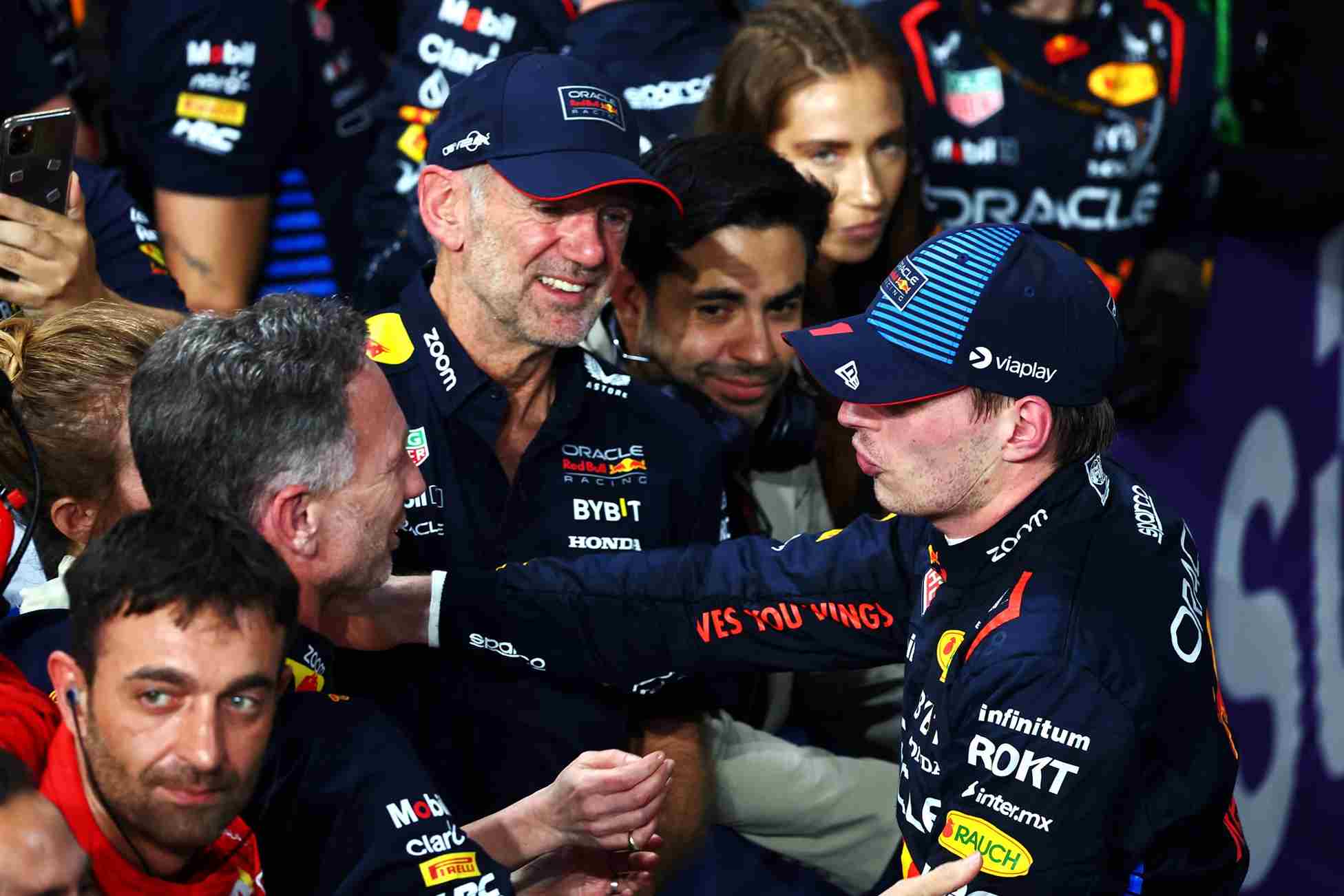
Red Bull Racing, the most successful Formula One team of recent years, has lately witnessed serious turmoil within the organization. The turmoil over the track impacted the performance of the team but more seriously jeopardized the team’s championship dominance. Loss of valuable personnel, team infighting, and car technical issues are just a few of the reasons that pushed the team into the tumultuous times that it finds itself in now. The article at present shall discuss the reasons for these conflicts within the organization and shall assess the impact that these are likely to have upon the championship hopes of Red Bull for the coming years. Departure of Senior Personnel Perhaps the biggest challenge Red Bull has had to contend with is the loss of key personnel. The loss of Adrian Newey, one of the most renowned technical minds in F1, to Aston Martin has been especially prominent. Newey’s contribution to Red Bull’s success cannot be understated, with his revolutionary designs playing a huge role in the team’s success over the years. While Christian Horner, Red Bull’s team principal, has played down the short-term effects of Newey’s loss, there can be no doubt that his absence will be felt in the long run. One departure of particular note is that of sporting director Jonathan Wheatley, who will be leaving to become team principal at Sauber ahead of the Audi era. Wheatley’s input at the trackside team has been valuable, and the sporting director’s departure will require the team’s operational structure to be reshaped accordingly. In the meanwhile, the departure of McLaren’s main strategist, Will Courtenay, for Red Bull threatens the latter with the loss of competitive advantage while enhancing the former’s. The brain drain that these individuals symbolize is supplemented by the more intrinsic challenge of retaining good people and the cohesiveness of teams. Internal Conflict Internal Internal conflicts within the organization are responsible for just about the same extent of the team’s challenges. The team has witnessed tensions between Horner and the father of Max Verstappen, namely Jos Verstappen. The latter openly declared that he was unhappy with Horner’s management, such as the demand that Horner resign.24. These tensions within the organization generate unstable conditions that are responsible for the team’s performance and the state of the team’s morale. Furthermore, the controversy surrounding Horner’s alleged impropriety early in 2024 led to an investigation and further press scrutiny. 24. Even if Horner was cleared of impropriety, the incident exposed infighting and tensions within the team. Red Bull senior advisor Helmut Marko admitted that tensions of this sort are detrimental to the team’s performance, even if indirectly due to technical issues. Technical Challenges Red Bull also had serious technical challenges with the cars. The RB20 suffered from understeer caused by handling imbalance that affected the performance and predictability of the car. 35. The imbalance prevented the ability of the drivers to commit to corner entrance points, leading to tire wear and performance loss. Even though they diagnosed the above complications, they couldn’t effectively fix the problems that compounded the performance of the cars. The team’s failure to solve these technical issues early has been the main point of interest. Contrary to past years when the mid-season development upgrades were the team’s selling point, the recent performance of the team has been underwhelming. The new 2026 regulations that are coming up have also compelled teams to balance resources such that the degree of 2025 season development might be curtailed. Influence for Championship Dreams With these internal issues, Red Bull’s championship hopes in the future are uncertain. Whether the team will be able to reclaim the Constructors’ Championship in 2025 will depend on several factors: Red Bull must fix the technical issues with the car, most prominently the handling imbalance and understeer characteristics. That will require extensive testing and development so that the car is competitive at the start of the season. Personnel readjustment: The team must readjust by filling the lost personnel with individuals of the same caliber or reshuffling the responsibilities within the team. The new talent must be incorporated, and the operational model of the team must be maintained. Internal Stability: Internal conflicts need to be addressed, and the team atmosphere stabilized. That includes resolving whatever tensions remain unaddressed and ensuring that the team members are aligned with the goals of the team. Red Bull competition from competitors like McLaren and Ferrari, with the latter having massive gains with the developments that they are undertaking. To stay in the competition, Red Bull ought to keep abreast of or ahead of these developments. Conclusion Red Bull’s internal strife has definitely had its effect on performance and championship hopes. Loss of key personnel, in-fighting between team members, and technical issues have all added to the woes of the team. But Red Bull has always shown itself to be resilient and adaptable when under pressure. With Max Verstappen in charge and with the team now concentrating hard on fixing their technical and personnel issues, the team is still a contender in Formula One. Red Bull will be required to effectively counter these obstacles with the 2025 season unfolding, with the aim of regaining the championship standings’ leading position. Adaptation, innovativeness, and the ability of the team to remain stable will be the determinants of success for the team over the coming years. Main Points Summary Departure of Critical Personnel: Losses include Adrian Newey, Jonathan Wheatley, and Will Courtenay, which could impact technical skills and decision-making at the executive levels. Internal Conflict: Dispute between Christian Horner and Jos Verstappen and controversy in the past have caused tension within the team. Imbalances and understeer technical issues with the RB20 are leading to performance challenges that need correction at the earliest. Hopes for the Championship: 2025 success are pinned on overcoming technical difficulties, handling personnel changes, maintaining balance within the team, and competing effectively with the competition, including McLaren and Ferrari. Future Outlook In Red Bull’s success for the years to come will be determined

Zak Brown’s Blueprint: How Strategic Leadership Revitalized McLaren
McLaren Racing CEO Zak Brown has taken the underdog team and turned it into a championship contender within the competitive world of Formula 1. Brown joined McLaren in 2016 with a game plan that transformed the performance of the team, the culture of the organization, and the trajectory of the company forward. The Brown leadership style, the challenges that were conquered, and the most crucial decisions that returned McLaren to the championship conversation are discussed here. Background: Zak Brown’s Career Born November 7, 1971, in Los Angeles, California, Zak Brown began life as a competitive racing driver, competing in numerous championships between 1986 and 2013. His early years of competition saw him compete at Formula Ford 1600, the Opel-Lotus Benelux Series, and the Formula Three British Championship. But it was the transition into the business of the sport that truly started his career. Brown formed Just Marketing International (JMI) in 1995 and built it into the world’s largest sports marketing agency. JMI was acquired by Chime Communications in 2013, and Brown assumed the position of CEO of the company’s sports marketing division, CSM. Entering McLaren Brown joined McLaren in November 2016 as Executive Director of the McLaren Technology Group. It was a significant shift for Brown, moving from the marketing world to the operational management of the Formula 1 team. He was appointed to the role of CEO of McLaren Racing in April 2018, replacing Ron Dennis. Challenges Faced by McLaren Brown took over at McLaren at the point when the team was facing a number of challenges. The team hadn’t won the championship for years and was facing years of no podium since 2014. The relationship with the McLaren supplier of the engines, Honda, was also failing to offer the performance that they were expecting. The financial returns of the relationship were immense, but the performance aspects were paramount. Strategic Leadership: Key Decisions Brown’s tenure at McLaren has been characterized by several of the most important decisions that saw the team revitalized: Restructuring and Team Leadership Brown recognized the need for greater streamlined organization. He centralized the functions by appointing James Key as the technical director, with the objective of eliminating the hierarchical issues left by previous management. Hiring new team leaders and the elevation of Andrea Stella to the position of Team Principal in 2023 were the game-changers. Brown commended the leadership of Stella that has contributed significantly toward enhancing team performance. Brown assigned Stella the mission of carrying out a thorough analysis of the racing team with the aim of streamlining its organization and operations. Partnership and Engine Supply Brown made the unpopular choice of severing the relationship with Honda in spite of the financial gain. The choice allowed McLaren to procure more competitive engines from Renault and subsequently Mercedes that were crucial for the resurgence of performance. Separation from Honda prompted the two teams to make dramatic improvements that eventually benefited the teams’ performance. Cultural transformation Brown has focused more on cultivating the culture of results rather than drama. He has taken the heat of the pressure of the media and the people so that the team can perform under relaxed pressure. His ability under pressure has been superb with the cool and concentrated demeanor that has motivated the engineering crew toward making history with the mid-season overhauls. Expansion into Other Racing Series During Brown’s stewardship, McLaren diversified its racing portfolio outside of Formula 1. McLaren now competes in IndyCar, Formula E, Extreme E, and esports and enters the World Endurance Championship for the year 2024. The diversification of McLaren has kept the company up with the times and boosted the brand profile. Sponsorship and Marketing Brown’s marketing background has proved highly valuable. He has brokered important sponsorship agreements and kept McLaren well-publicized and appealing to the masses and the sponsors alike. Philosophy of Leadership There are several traits that distinguish Zak Brown’s leadership style: Visibility and Accountability: Brown is highly visible in the media, often taking the spotlight to shield his team from external pressures. This approach allows his team members to focus on their work without undue scrutiny. Strategic Decision Making: He has made the unpopular decisions of breaking up with Honda and reshuffling the team that were crucial for McLaren’s return. Cultural Priority: Brown highlights the need for the organization to build a drama-free and results-driven culture. This has contributed toward the cultivation of the productive and motivated culture of the team. Flexibility: His ability to adapt and adjust, be it for reasons of performance or market trends, proved vital while navigating the competitive Formula 11 world. Comparison with Ron Dennis Brown’s management style contrasts with that of the outgoing manager, Ron Dennis. Dennis was known for being a stern taskmaster, but Brown follows more of a laid-back management style that makes the members of the team proud of the work they are doing. The shift of the management style has contributed to the enhancement of the team culture that helps McLaren retain the best people. Influence over McLaren Performance Brown’s effect upon the performance of McLaren has been dramatic: Return to Competition: McLaren came back into competition form for Formula 1 by winning the races and the podium for the first time since the lengthy dry period. Cultural Revitalization: The team culture has evolved with the greater importance now laid upon cooperation and performance. Expansion into new racing series for McLaren has boosted the global presence and popularity of the company. Conclusion It is Zak Brown’s strategic leadership that has taken McLaren from underdog to championship contender. His ability to call the tough shots, build the winning culture within the organization, and successfully operate within the nuances of the world of motorsport has underpinned the comeback of McLaren. With the team now expanding and competing at the sport’s best, Brown’s success formula remains the blueprint for successful leadership within the pressure cooker of Formula 1. In the years that lie ahead, McLaren shall certainly be facing new challenges with the sport’s
