

Formula 1 (F1) has always been a pioneer in automotive innovation, with a keen emphasis on safety. The sport over the years has seen a plethora of technologies developed in order to keep drivers from suffering from high-speed hazards that are a feature of racing. The most important area that has seen attention is the cockpit, which is a high-risk zone with drivers susceptible to hazards from impact and fire, as well as flying debris. In this article, we will examine improved cockpit safety measures in 2025 in both new technologies as well as those that are currently in existence. Historical Context: The History of Safety Measures Safety in F1 has followed a progressive route, both shaped by dreadful accidents and technical innovation. In its early days, little consideration was given to safety, with drivers wearing little more than a helmet. But as the series evolved, its interest in safety also increased. Early Innovations: Seat Belts and Helmets One of the earliest and more crucial developments in terms of safety was that of seat belts. The simple yet effective devices have saved innumerable lives by keeping drivers in position in accidents. In addition, helmets have also undergone development, with increased impact resistance as well as visibility. The impact-absorbing material in contemporary helmets distributes impact energy, which decreases the risk of head injury. Survival Cell (Monoco) One big step in terms of safety that arrived with monocoque, also referred to as a survival cell, is that the central section of the vehicle is made from tough carbon fiber composite material as well as from Kevlar that is designed to absorb massive energy in impacts. The survival cell is practically impenetrable and has been a feature in terms of F1 safety from its early days in the 1980s. The survival cell is a shroud that protects the driver from the full impact of accidents. Halo System Most recently, in recent years, is the addition of the Halo system. The 2018 addition is a titanium ring that envelops the driver’s head, which protects from impacts as well as from flying debris. The Halo proved crucial in deflecting flying material that might have struck drivers’ heads, greatly improving safety. Its success is evident in a few accidents in which it saved drivers from serious injury. Improved Safety Features in 2025 With 2025 on the horizon, a number of important safety technologies are continuing to grow in sophistication: Biometric Glove First introduced in 2018, biometric gloves have served as critical assistance in tracking a driver’s state in and after a collision. The gloves transfer important signs such as blood oxygen level as well as pulse rate into race control, which can be assessed by medics more effectively. Real-time data can be crucial in a scenario that requires rapid decisions, as medics can respond more efficiently. Driver-Facing Camera The driver camera, which arrived in 2016, takes high-speed images of drivers involved in accidents. The high-speed images allow detailed study into the functioning of safety devices, i.e., the HANS device as well as seatbelts, in a bid to understand areas that can be enhanced. The images also assist in establishing why a driver is struck in a collision. Safety Car and Virtual Safety Car Other than the vehicle itself, activation of the Safety Car as well as the Virtual Safety Car (VSC) is also crucial in maintaining race safety. The two play a role in resolving accidents by either physically slowing down a race or implementing speed limitations, which allows drivers to navigate through unsafe regions in a secure way. The risk of second accidents is reduced, which allows a situation in which a situation on track can be managed. New Developments and 2025 Regulations While underlying safeguards are still in good order, new regulations alongside technical advancements continue to enhance cockpit safety: Increased Aerodynamic Requirements F1 vehicles will be greatly changed in terms of aerodynamics in 2025 in order to be more efficient as well as handle better. The changes are largely intended to enhance performance but also have a bearing on safety in that impacts can be made less severe by improved stability and control. Better aerodynamics can assist drivers in maintaining vehicle control, making accidents less likely. Technical Requirements FIA made new technical regulations available in 2025 that entailed developments that improved safety at no cost in terms of performance. The regulations are intended to maintain high levels of safety with scope for innovation in design. The regulations catered to areas that entail impact resistance and fire resistance, as well as driver protection devices. Side Intrusion Prevention Upgrades in side impact protection in areas around the fuel cell and around the cockpit have also been made in preparation for following seasons, with drivers being more protected from impacts. The process entails strengthening the bodywork in order to absorb as well as distribute impacts from the sides more efficiently. Challenges and Future Directions With advancements in safety, challenges persist as well as areas that will be improved in the future: Enclosed cockpit One of the biggest points of discussion regarding F1 safety is whether closed cockpits are likely to be implemented. Although it would be a step towards more protection, it raises serious technical and aesthetic challenges. The biggest issues are visibility and making drastic alterations in design. Closed cockpits will have to have innovative solutions in order to allow drivers a good level of visibility as well as a means of escaping from the vehicle in case of emergencies. Balancing Safety with Performance The ongoing dilemma in F1 is balancing competitive performance with safety. The more rapid and more dynamic that cars are becoming, the more important it is that safety technologies keep up. That means ongoing research and development in order to seamlessly integrate those technologies into the design of the vehicle. The aim is to improve safety without undermining that competitive dimension that makes the sport competitive. Advanced Materials and Technologies Advanced technologies and new materials will be expected to contribute
Breaking Down F1’s Enhanced Cockpit Safety Features For 2025
Formula 1 (F1) has always been a pioneer in automotive innovation, with a keen emphasis on safety. The sport over the years has seen a plethora of technologies developed in order to keep drivers from suffering from high-speed hazards that are a feature of racing. The most important area that has seen attention is the cockpit, which is a high-risk zone with drivers susceptible to hazards from impact and fire, as well as flying debris. In this article, we will examine improved cockpit safety measures in 2025 in both new technologies as well as those that are currently in existence. Historical Context: The History of Safety Measures Safety in F1 has followed a progressive route, both shaped by dreadful accidents and technical innovation. In its early days, little consideration was given to safety, with drivers wearing little more than a helmet. But as the series evolved, its interest in safety also increased. Early Innovations: Seat Belts and Helmets One of the earliest and more crucial developments in terms of safety was that of seat belts. The simple yet effective devices have saved innumerable lives by keeping drivers in position in accidents. In addition, helmets have also undergone development, with increased impact resistance as well as visibility. The impact-absorbing material in contemporary helmets distributes impact energy, which decreases the risk of head injury. Survival Cell (Monoco) One big step in terms of safety that arrived with monocoque, also referred to as a survival cell, is that the central section of the vehicle is made from tough carbon fiber composite material as well as from Kevlar that is designed to absorb massive energy in impacts. The survival cell is practically impenetrable and has been a feature in terms of F1 safety from its early days in the 1980s. The survival cell is a shroud that protects the driver from the full impact of accidents. Halo System Most recently, in recent years, is the addition of the Halo system. The 2018 addition is a titanium ring that envelops the driver’s head, which protects from impacts as well as from flying debris. The Halo proved crucial in deflecting flying material that might have struck drivers’ heads, greatly improving safety. Its success is evident in a few accidents in which it saved drivers from serious injury. Improved Safety Features in 2025 With 2025 on the horizon, a number of important safety technologies are continuing to grow in sophistication: Biometric Glove First introduced in 2018, biometric gloves have served as critical assistance in tracking a driver’s state in and after a collision. The gloves transfer important signs such as blood oxygen level as well as pulse rate into race control, which can be assessed by medics more effectively. Real-time data can be crucial in a scenario that requires rapid decisions, as medics can respond more efficiently. Driver-Facing Camera The driver camera, which arrived in 2016, takes high-speed images of drivers involved in accidents. The high-speed images allow detailed study into the functioning of safety devices, i.e., the HANS device as well as seatbelts, in a bid to understand areas that can be enhanced. The images also assist in establishing why a driver is struck in a collision. Safety Car and Virtual Safety Car Other than the vehicle itself, activation of the Safety Car as well as the Virtual Safety Car (VSC) is also crucial in maintaining race safety. The two play a role in resolving accidents by either physically slowing down a race or implementing speed limitations, which allows drivers to navigate through unsafe regions in a secure way. The risk of second accidents is reduced, which allows a situation in which a situation on track can be managed. New Developments and 2025 Regulations While underlying safeguards are still in good order, new regulations alongside technical advancements continue to enhance cockpit safety: Increased Aerodynamic Requirements F1 vehicles will be greatly changed in terms of aerodynamics in 2025 in order to be more efficient as well as handle better. The changes are largely intended to enhance performance but also have a bearing on safety in that impacts can be made less severe by improved stability and control. Better aerodynamics can assist drivers in maintaining vehicle control, making accidents less likely. Technical Requirements FIA made new technical regulations available in 2025 that entailed developments that improved safety at no cost in terms of performance. The regulations are intended to maintain high levels of safety with scope for innovation in design. The regulations catered to areas that entail impact resistance and fire resistance, as well as driver protection devices. Side Intrusion Prevention Upgrades in side impact protection in areas around the fuel cell and around the cockpit have also been made in preparation for following seasons, with drivers being more protected from impacts. The process entails strengthening the bodywork in order to absorb as well as distribute impacts from the sides more efficiently. Challenges and Future Directions With advancements in safety, challenges persist as well as areas that will be improved in the future: Enclosed cockpit One of the biggest points of discussion regarding F1 safety is whether closed cockpits are likely to be implemented. Although it would be a step towards more protection, it raises serious technical and aesthetic challenges. The biggest issues are visibility and making drastic alterations in design. Closed cockpits will have to have innovative solutions in order to allow drivers a good level of visibility as well as a means of escaping from the vehicle in case of emergencies. Balancing Safety with Performance The ongoing dilemma in F1 is balancing competitive performance with safety. The more rapid and more dynamic that cars are becoming, the more important it is that safety technologies keep up. That means ongoing research and development in order to seamlessly integrate those technologies into the design of the vehicle. The aim is to improve safety without undermining that competitive dimension that makes the sport competitive. Advanced Materials and Technologies Advanced technologies and new materials will be expected to contribute
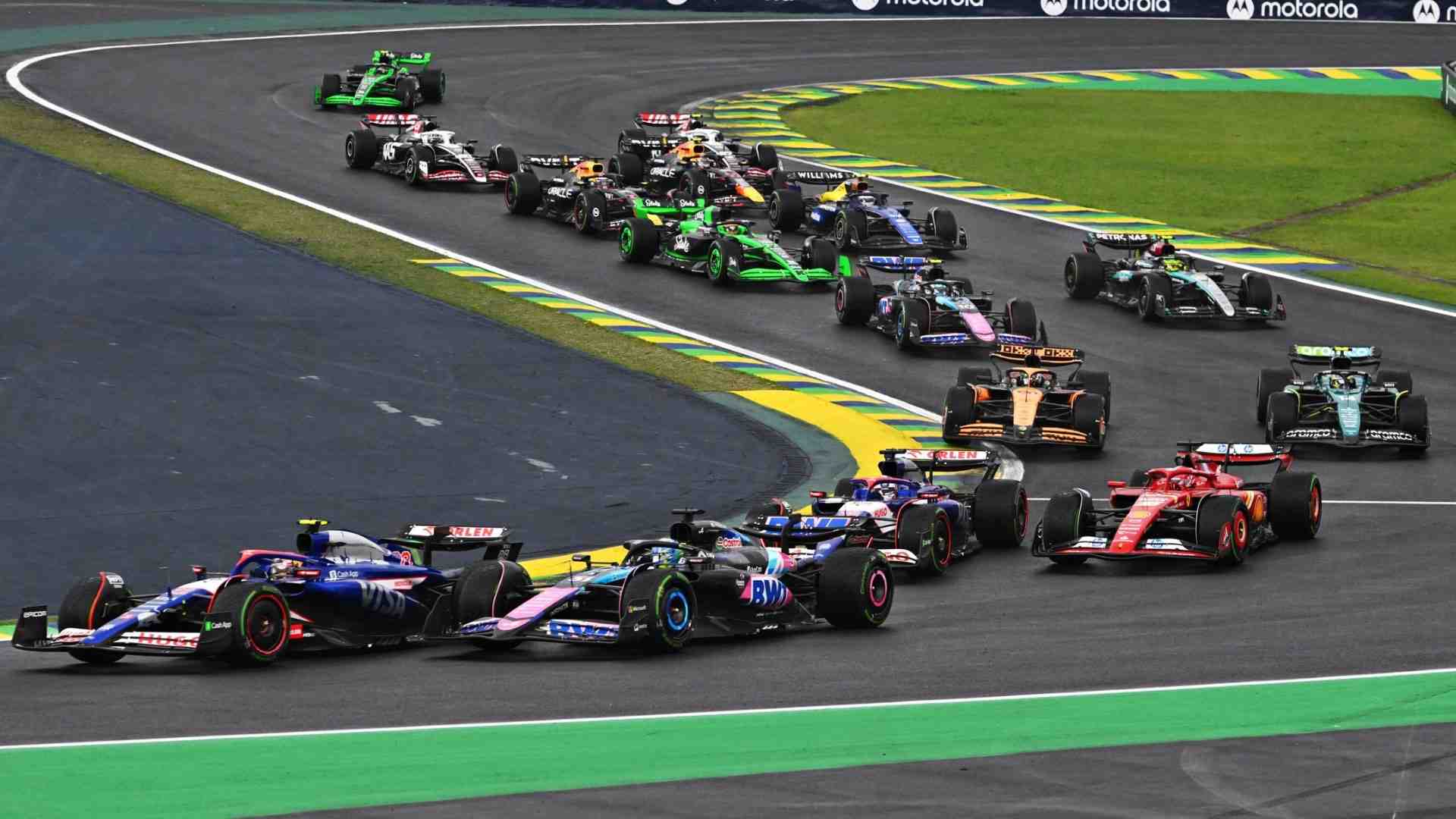
The Ripple Effect: Could Stricter Track Limits Alter F1 Championship Battles?
Formula 1 (F1) is famous for its speed and technical innovation in terms of its developments, as well as its strategic depth. But perhaps a feature that is increasingly a cause of much debate is track limits. The track limits are identified by the white lines on a racetrack that play a crucial role in making racing both fair and secure. But enforcing track limits hasn’t proved a straightforward matter, with its impact on races as much as on championship battles. In this article, we examine whether tighter track limits can impact championship racing in F1, with both challenges and solutions. Introduction to Track Limits in F1 F1 track boundaries are lines that form the racetrack, which are normally marked in white. The track boundaries play a crucial role in ensuring driver safety as much as in maintaining race sanctity. A track limit infringement is a violation that is accomplished by crossing over these lines with all wheels, which can cause a deletion of lap time in practice as in quali sessions or a time penalty in races. Problems with Current Track Limits The current track limit system has faced a series of challenges: Consistency in Enforcement: Consistency in enforcing track limitations is another important area. Drivers complain about a lack of fairness as well as inconsistency in application. A driver who crosses track limitations in a way that gives them a competitive edge can be penalized, whereas a driver who fails to do that can be penalized in a more subjective sense. Such inconsistency can lead to frustration between drivers as well as between drivers and teams as both consider that the rule is not enforced in a consistent sense. Impact on Racing: The result of races can be seriously impacted by track limit violations. In qualifying, deleted lap times can decide grid positions, while in races, positions can be changed by penalties. There have thus been calls made that track limits be handled in a more discreet way, with small infractions not resulting in extreme punishment. The goal is that drivers are penalized for a breach in fairness, with some allowance in scenarios in which no benefit is gained. Driver Behavior: The stringent application of track limits can have a bearing on driver attitude. Drivers will be more conservative, which can minimize passing opportunities and make races mundane. Drivers will exploit a loose application of track limits, which can produce unequal racing lines. That is a balance that is crucial not to abandon at the expense of competitive level in F1. Later developments and solutions F1 responded to these challenges with a variety of changes: Physical Disuaders: The FIA has placed gravel strips at tracks like the Red Bull Ring in order to physically discourage drivers from crossing track boundaries. The simple visual warning is accomplished with a physical barrier that also penalizes drivers with slower lap speeds in case drivers do go over onto the gravel. Gravel, or similar dissuaders, can be effective at discouraging drivers from crossing track boundaries by removing it from drivers’ interest. Increased Visibility: Blue lines have also been painted in addition on either side of the curbs in a bid to boost visibility both on drivers’ screens and on officials’ screens, making track limit overrunning more obvious. The visibility reference helps drivers more distinctly realize track positions as well as reduces disputes over whether a driver overruns the track limit. Future Prospects for a Tiered Penalty System: There is a growing argument in favor of a more tiered penalty system. That way, minor infractions do not draw big penalties, with more competitive and aggressive racing promoted in a manner that is both fair and secure. A warning-based strategy in relation to small infractions is a possibility, with more serious infractions penalized more. Effect on Championship Battles Stricter track limitations can have a dramatic impact on championship battles. Consistency and Fair Play: Enforcing track limits consistently means that those drivers who play by the rulebook are rewarded, while those drivers who exploit are penalized. That makes it a more level playing field in terms of competitiveness, with drivers concentrating on driving skills rather than technical loopholery. Consistency in track limit enforcement also keeps argument and controversy at a minimum, with championship decisions made on track rather than in the stewards’ office. Driver Strategy: Drivers will be more conservative initially with more restrictive track limits, but once comfortable with track limits, drivers will be likely to drive at the limit, which will lead to more thrilling racing. Drivers will have to balance crossing track limits with a competitive boost payoff, which will create more considerate, more calculated racing. Team Dynamics: Team strategies might be modified in relation to whether track limits are in operation. There might be more focus on race strategy and on qualifying because small mistakes can have a dramatic impact. The drivers will be worked with by the teams in order to familiarize them with track limits and be in a position to drive around track limits in a manner not likely to draw a penalty. Greater Implication in F1 Beyond its direct consequence on championship battles, more restrictive track limits can have extensive impacts on F1: Cost Management and Sustainability: The growing emphasis on fairness can also mean a drop in the level of penalties and disputes, which can reduce costs in terms of appeals and protests. That can be a step towards a more sustainable fiscal strategy that can allocate resources more effectively towards car construction and other areas. Technological innovation: In its emphasis on staying on track, teams could spend more on making highly reactive and stable cars that contribute to improved overall technological development in the sport. The impact could be that innovation is not just confined to F1 itself, but also in terms of its application in other forms of motorsport as well as in road car development. Fan Experience: Imposing tighter track limitations can enhance fans’ experience, making racing more competitive as well as
The Ripple Effect: Could Stricter Track Limits Alter F1 Championship Battles?
Formula 1 (F1) is famous for its speed and technical innovation in terms of its developments, as well as its strategic depth. But perhaps a feature that is increasingly a cause of much debate is track limits. The track limits are identified by the white lines on a racetrack that play a crucial role in making racing both fair and secure. But enforcing track limits hasn’t proved a straightforward matter, with its impact on races as much as on championship battles. In this article, we examine whether tighter track limits can impact championship racing in F1, with both challenges and solutions. Introduction to Track Limits in F1 F1 track boundaries are lines that form the racetrack, which are normally marked in white. The track boundaries play a crucial role in ensuring driver safety as much as in maintaining race sanctity. A track limit infringement is a violation that is accomplished by crossing over these lines with all wheels, which can cause a deletion of lap time in practice as in quali sessions or a time penalty in races. Problems with Current Track Limits The current track limit system has faced a series of challenges: Consistency in Enforcement: Consistency in enforcing track limitations is another important area. Drivers complain about a lack of fairness as well as inconsistency in application. A driver who crosses track limitations in a way that gives them a competitive edge can be penalized, whereas a driver who fails to do that can be penalized in a more subjective sense. Such inconsistency can lead to frustration between drivers as well as between drivers and teams as both consider that the rule is not enforced in a consistent sense. Impact on Racing: The result of races can be seriously impacted by track limit violations. In qualifying, deleted lap times can decide grid positions, while in races, positions can be changed by penalties. There have thus been calls made that track limits be handled in a more discreet way, with small infractions not resulting in extreme punishment. The goal is that drivers are penalized for a breach in fairness, with some allowance in scenarios in which no benefit is gained. Driver Behavior: The stringent application of track limits can have a bearing on driver attitude. Drivers will be more conservative, which can minimize passing opportunities and make races mundane. Drivers will exploit a loose application of track limits, which can produce unequal racing lines. That is a balance that is crucial not to abandon at the expense of competitive level in F1. Later developments and solutions F1 responded to these challenges with a variety of changes: Physical Disuaders: The FIA has placed gravel strips at tracks like the Red Bull Ring in order to physically discourage drivers from crossing track boundaries. The simple visual warning is accomplished with a physical barrier that also penalizes drivers with slower lap speeds in case drivers do go over onto the gravel. Gravel, or similar dissuaders, can be effective at discouraging drivers from crossing track boundaries by removing it from drivers’ interest. Increased Visibility: Blue lines have also been painted in addition on either side of the curbs in a bid to boost visibility both on drivers’ screens and on officials’ screens, making track limit overrunning more obvious. The visibility reference helps drivers more distinctly realize track positions as well as reduces disputes over whether a driver overruns the track limit. Future Prospects for a Tiered Penalty System: There is a growing argument in favor of a more tiered penalty system. That way, minor infractions do not draw big penalties, with more competitive and aggressive racing promoted in a manner that is both fair and secure. A warning-based strategy in relation to small infractions is a possibility, with more serious infractions penalized more. Effect on Championship Battles Stricter track limitations can have a dramatic impact on championship battles. Consistency and Fair Play: Enforcing track limits consistently means that those drivers who play by the rulebook are rewarded, while those drivers who exploit are penalized. That makes it a more level playing field in terms of competitiveness, with drivers concentrating on driving skills rather than technical loopholery. Consistency in track limit enforcement also keeps argument and controversy at a minimum, with championship decisions made on track rather than in the stewards’ office. Driver Strategy: Drivers will be more conservative initially with more restrictive track limits, but once comfortable with track limits, drivers will be likely to drive at the limit, which will lead to more thrilling racing. Drivers will have to balance crossing track limits with a competitive boost payoff, which will create more considerate, more calculated racing. Team Dynamics: Team strategies might be modified in relation to whether track limits are in operation. There might be more focus on race strategy and on qualifying because small mistakes can have a dramatic impact. The drivers will be worked with by the teams in order to familiarize them with track limits and be in a position to drive around track limits in a manner not likely to draw a penalty. Greater Implication in F1 Beyond its direct consequence on championship battles, more restrictive track limits can have extensive impacts on F1: Cost Management and Sustainability: The growing emphasis on fairness can also mean a drop in the level of penalties and disputes, which can reduce costs in terms of appeals and protests. That can be a step towards a more sustainable fiscal strategy that can allocate resources more effectively towards car construction and other areas. Technological innovation: In its emphasis on staying on track, teams could spend more on making highly reactive and stable cars that contribute to improved overall technological development in the sport. The impact could be that innovation is not just confined to F1 itself, but also in terms of its application in other forms of motorsport as well as in road car development. Fan Experience: Imposing tighter track limitations can enhance fans’ experience, making racing more competitive as well as

Audi’s Grand Entrance: What the German Manufacturer Brings to the F1 Grid
Taking on the championship as a works team in 2026 is a turning point in its history. The German multinational is renowned for its success in a variety of motorsport disciplines, from rallying to endurance racing. Well-suited both in its sporting tradition and in its enormous resources, Audi will be likely to shake up the F1. In this article, we look at ways in which Audi’s works team will shake up the championship, tapping into its motorsport tradition and partnership strategy, as well as technical innovation. History: Audi Motorsport Tradition Audi also has a storied motorsport background that extends as far as the early 1980s. Its Quattro is arguably its most celebrated success, which revolutionized rallying by establishing that four-wheel drive is viable. Not only did it dominate in the World Rally Championship, but it also revolutionized the automotive industry by establishing four-wheel drive as a mainstream component in production vehicles. Audi also excels at endurance racing with a series of Le Mans 24 Hours victories as well as more contemporary success in the Dakar Rally. Audi’s motorsport strategy is characterized both by innovation in terms of technology and a passion for excellence. The strategy has worked in a variety of racing scenarios, from rally racing on difficult terrain to high-speed racing on tracks. In its expansion into F1, Audi brings with it that same culture, hoping to leverage its cutting-edge technologies as much as its high-performance engineering competence in order to compete at its highest level. Strategic Partnership with Sauber Audi joins F1 with a partnership with Sauber Motorsport. Audi will have a holding in Sauber, which will be Audi’s official team from 2026. The partnership draws on Sauber’s extensive experience in F1, having participated on the grid from 1993 with success as BMW-Sauber. The race car will be developed and constructed at Sauber’s Hinwil factory, with Audi focusing on power unit development at its Neuberg headquarters. This partnership is crucial in Audi’s approach towards joining F1. The partnership will allow Audi to capitalize on Sauber’s established infrastructure as well as technical proficiency, accelerating development work as well as making its transition into the championship smoother. The partnership also aligns with Audi’s approach in breaking into new motorsport categories in which it wants to integrate its technical proficiency with experienced teams in a bid to realize quick success. Technological Advancements and New Regulations The 2026 championship in F1 will have key technical advancements, with smaller, lightened vehicles with active aerodynamics as well as power units that produce 100% of the overall power with 100% sustainable fuel. All these are in conformity with Audi’s technical expertise in powertrain development as much as its focus on sustainability. The hybrid experience that Audi will have gained from its involvement in both Formula E and endurance racing will be critical in adhering to these new regulations. Audi’s focus on innovation alongside its rapid response in terms of accommodating new technical advancements can be a source of competitive superiority over experienced teams. Audi is already in the process of establishing a team of experienced engineers as well as technicians, with over 120 personnel currently involved in work on the power unit project in Neuberg. Such human as well as technical input is a testament to Audi’s ambition in terms of making a big impact from its debuts. Management and Leadership Audi’s F1 project is overseen by a mature team with experienced personnel. The project had initially taken shape in the hands of Andreas Seidl before he parted ways. Mattia Binotto, a former Ferrari team principal, assumed a leading role afterward, with vast F1 experience joining the squad. The incorporation of Binotto is a demonstration of Audi’s vision in assembling a leadership team that can lead the project towards victory. Jonathan Wheatley, formerly of Red Bull, is also set to join as team principal, further bolstering Audi’s management structure. This combination of experienced leadership and technical expertise positions Audi well to navigate the complexities of F1 and challenge the established order. Driver Line-Up and Talent Acquisition Nico Hülkenberg and Gabriel Bortoleto have been contracted by Audi for its inaugural season. The pairing of experience from Hülkenberg with promise from Bortoleto is a combination that can be expected to deliver quality performances from early on. The success in signing high-profile drivers is attested to by its attractiveness as a new and ambitious player in F1. Audi’s high-performance reputation and aspiration to be a winner have made it a highly sought-after destination for drivers seeking a competitive ride. Such interest is compounded by doubt regarding midfield teams that are not breaking into the upper tier on a consistent basis. Audi is offering a new possibility for drivers to be on a team that can be a difference maker. Impact on Commercial Activities Audi’s expansion into F1 is not just about on-track victory; it is also a massive commercial move. The brand is aligning itself with Legends in a bid to secure global commercial deals with a vision towards establishing a high-end platform for brands as well as restructuring the commercial profile of F1. The partnership is a testament to Audi’s vision towards growing its global visibility through its footprint in F1 as a strategy towards acquiring new partners. The engagement with Legends, a premier commercial income generator for sporting brands, reflects Audi’s interest in making its investment in F1 as commercially productive as possible. By establishing a sound commercial strategy, Audi can be assured that its F1 venture is commercially viable and aligns with its overall commercial objectives. Challenges and Uncertainties While Audi is highly anticipated in F1, its entrance is not free from challenges. The team will be faced with stiff competition from established brands that have a great amount of experience as well as a keen sense of championship intricacies. Audi will also have complexities in terms of technical regulations in F1 as well as in politics in the championship. Despite these challenges, Audi’s track record is that it is ready to tackle these
Audi’s Grand Entrance: What the German Manufacturer Brings to the F1 Grid
Taking on the championship as a works team in 2026 is a turning point in its history. The German multinational is renowned for its success in a variety of motorsport disciplines, from rallying to endurance racing. Well-suited both in its sporting tradition and in its enormous resources, Audi will be likely to shake up the F1. In this article, we look at ways in which Audi’s works team will shake up the championship, tapping into its motorsport tradition and partnership strategy, as well as technical innovation. History: Audi Motorsport Tradition Audi also has a storied motorsport background that extends as far as the early 1980s. Its Quattro is arguably its most celebrated success, which revolutionized rallying by establishing that four-wheel drive is viable. Not only did it dominate in the World Rally Championship, but it also revolutionized the automotive industry by establishing four-wheel drive as a mainstream component in production vehicles. Audi also excels at endurance racing with a series of Le Mans 24 Hours victories as well as more contemporary success in the Dakar Rally. Audi’s motorsport strategy is characterized both by innovation in terms of technology and a passion for excellence. The strategy has worked in a variety of racing scenarios, from rally racing on difficult terrain to high-speed racing on tracks. In its expansion into F1, Audi brings with it that same culture, hoping to leverage its cutting-edge technologies as much as its high-performance engineering competence in order to compete at its highest level. Strategic Partnership with Sauber Audi joins F1 with a partnership with Sauber Motorsport. Audi will have a holding in Sauber, which will be Audi’s official team from 2026. The partnership draws on Sauber’s extensive experience in F1, having participated on the grid from 1993 with success as BMW-Sauber. The race car will be developed and constructed at Sauber’s Hinwil factory, with Audi focusing on power unit development at its Neuberg headquarters. This partnership is crucial in Audi’s approach towards joining F1. The partnership will allow Audi to capitalize on Sauber’s established infrastructure as well as technical proficiency, accelerating development work as well as making its transition into the championship smoother. The partnership also aligns with Audi’s approach in breaking into new motorsport categories in which it wants to integrate its technical proficiency with experienced teams in a bid to realize quick success. Technological Advancements and New Regulations The 2026 championship in F1 will have key technical advancements, with smaller, lightened vehicles with active aerodynamics as well as power units that produce 100% of the overall power with 100% sustainable fuel. All these are in conformity with Audi’s technical expertise in powertrain development as much as its focus on sustainability. The hybrid experience that Audi will have gained from its involvement in both Formula E and endurance racing will be critical in adhering to these new regulations. Audi’s focus on innovation alongside its rapid response in terms of accommodating new technical advancements can be a source of competitive superiority over experienced teams. Audi is already in the process of establishing a team of experienced engineers as well as technicians, with over 120 personnel currently involved in work on the power unit project in Neuberg. Such human as well as technical input is a testament to Audi’s ambition in terms of making a big impact from its debuts. Management and Leadership Audi’s F1 project is overseen by a mature team with experienced personnel. The project had initially taken shape in the hands of Andreas Seidl before he parted ways. Mattia Binotto, a former Ferrari team principal, assumed a leading role afterward, with vast F1 experience joining the squad. The incorporation of Binotto is a demonstration of Audi’s vision in assembling a leadership team that can lead the project towards victory. Jonathan Wheatley, formerly of Red Bull, is also set to join as team principal, further bolstering Audi’s management structure. This combination of experienced leadership and technical expertise positions Audi well to navigate the complexities of F1 and challenge the established order. Driver Line-Up and Talent Acquisition Nico Hülkenberg and Gabriel Bortoleto have been contracted by Audi for its inaugural season. The pairing of experience from Hülkenberg with promise from Bortoleto is a combination that can be expected to deliver quality performances from early on. The success in signing high-profile drivers is attested to by its attractiveness as a new and ambitious player in F1. Audi’s high-performance reputation and aspiration to be a winner have made it a highly sought-after destination for drivers seeking a competitive ride. Such interest is compounded by doubt regarding midfield teams that are not breaking into the upper tier on a consistent basis. Audi is offering a new possibility for drivers to be on a team that can be a difference maker. Impact on Commercial Activities Audi’s expansion into F1 is not just about on-track victory; it is also a massive commercial move. The brand is aligning itself with Legends in a bid to secure global commercial deals with a vision towards establishing a high-end platform for brands as well as restructuring the commercial profile of F1. The partnership is a testament to Audi’s vision towards growing its global visibility through its footprint in F1 as a strategy towards acquiring new partners. The engagement with Legends, a premier commercial income generator for sporting brands, reflects Audi’s interest in making its investment in F1 as commercially productive as possible. By establishing a sound commercial strategy, Audi can be assured that its F1 venture is commercially viable and aligns with its overall commercial objectives. Challenges and Uncertainties While Audi is highly anticipated in F1, its entrance is not free from challenges. The team will be faced with stiff competition from established brands that have a great amount of experience as well as a keen sense of championship intricacies. Audi will also have complexities in terms of technical regulations in F1 as well as in politics in the championship. Despite these challenges, Audi’s track record is that it is ready to tackle these

The Digital Frontier: How IBM And F1 Are Pioneering A New Era Of Sports Technology
Scuderia Ferrari aligning with IBM is a watershed in sporting tech innovation, with a focus on Formula 1 (F1). The union is poised to revolutionize fans’ engagement as much as team performance with advanced data insights as well as digital innovation. The union is a new reference on sporting teams’ utilization of data as well as digital platforms towards improving fans’ experience as much as on-track success. Introduction to the Partnership Beginning January 1, 2025, IBM will be Ferrari’s high-end IT consulting partner, with a concentration on data analytics and engaging fans. The multi-year partnership will draw on IBM’s strengths in data analytics and digital transformation to develop innovative solutions for Ferrari fans around the globe. The partnership is a signal that a wider trend in sporting activities is towards more utilization of technology in order to tailor fans’ experiences as well as enhance team performances. Ferrari’s partnership with IBM is not merely about increasing fan engagement; it also highlights the strategic relevance of data analytics in F1. Using IBM’s advanced data analysis, Ferrari is able to take its vast historical as well as live data and turn it into insights that enhance race strategy as well as vehicle design. Use of Data Analytics in F1 Formula 1 is known for its high level of technical advancement, with enormous amounts of data collected at each race weekend. The data encompasses telemetry from the cars, pit stop speeds, as well as driver performance data, which can be evaluated in order to refine race strategy and enhance vehicle design. IBM will take Ferrari’s vast historical and live data and turn it into customized content and functionality for fans in order to enhance engagement with the sport. Data also play a critical role in optimized team performance. AI and cloud computing allow teams to quickly analyze race data in a bid to formulate more effective predictions as well as strategy adjustments. The outcome can be incremental gains that translate into victory over defeat on the track. For example, data analytics can be utilized in order to optimize tire strategy, fuel management, and pit stopping. In a highly competitive field like F1, decisions can mean a difference between victory and defeat in terms of a fraction of a second. IBM will assist Ferrari in making data-based decisions quicker and more efficiently, which will give them a competitive advantage. Enhancing Fan Experience Ferrari and IBM have a partnership that is directed towards creating engaging digital experiences with fans. A key plank in that strategy is creating a new smartphone application that will be offered in 2025 in tandem with the 2025 F1 season. The application will be bolstered by IBM’s advanced data science functionality in order to deliver fans with customized material as well as insights in real time, providing fans with a highly interactive experience. With its extensive track record in enhancing fan experiences at high-profile sporting occasions, IBM is a pioneer in leveraging data in high-stakes situations. Such experience will be crucial in remaking the fan experience at Ferrari, marrying IBM hybrid cloud and AI technologies into innovative digital platforms that are available across all age ranges. Live race coverage, driver profile pages, and interactive race simulations will be included in the application. The fans will be able to interact with Ferrari’s history as well as its performances in ways that have not until now been conceivable, with a more intimate sense of engagement between fans and the team. Impact on Workplaces Workplaces are not exempt. Integrating new technologies that encompass AI, cloud computing, and the Internet of Things (IoT) is shaping the sporting industry. The technologies enable real-time data processing and prediction-based analytics, as well as customized experiences for fans, which are essential in engaging new fans as well as improving digital accessibility in motorsport. IBM AI, as a case in point, can be used in analyzing vast race data from F1 races, providing insights that can be leveraged in enhancing team strategy as well as in engaging fans. AI in sporting activities is not new; IBM itself worked on AI-based systems that have engaged in strategy-based games, which have established that AI can be leveraged in improving decisions in complex contexts. AI can also help predict fan behavior and preferences, allowing Ferrari to tailor its digital content and engagement strategies more effectively. This personalized approach ensures that fans receive content that resonates with them, enhancing their overall experience and loyalty to the team. Future of Sports Technology Ferrari’s alliance with IBM is a step in a technologically advanced sporting direction. The more sporting activities enter into a digital space, the more important it will be to have the ability to harness data and technology in order to entice fans as much as to achieve enhanced performances. Future sporting tech will be more advanced in AI, virtual reality, and IoT. The technologies will not merely enhance fans’ engagement but also affect operational efficiencies as well as sporting bodies’ business models. For example, virtual reality can provide interactive experiences to fans, while IoT can facilitate operational optimization as well as enhance safety at stadiums. Virtual reality, in particular, is full of promise in sporting activities. Viewers can be made to relive races from a driver’s-eye perspective, providing a feeling of immersion that cannot be obtained with customary coverage. The tech can also be used in order to produce race scenarios in a virtual context in which drivers can train as well as develop skills. Case Studies: Successful Applications of Technology in Sports Wimbledon and IBM: IBM is a long-standing partner with Wimbledon, providing fans with live data insights and digital solutions that enhance the fans’ experience. IBM AI-based solutions aid in analyzing player performances and predicting match outcomes, as well as providing fans with customized content. US Open and IBM: Like with Wimbledon, IBM’s sponsorship with the US Open has changed the digital face of the tennis championship. IBM technology allows live scoring and player stats, as well as predictive insights, improving
The Digital Frontier: How IBM And F1 Are Pioneering A New Era Of Sports Technology
Scuderia Ferrari aligning with IBM is a watershed in sporting tech innovation, with a focus on Formula 1 (F1). The union is poised to revolutionize fans’ engagement as much as team performance with advanced data insights as well as digital innovation. The union is a new reference on sporting teams’ utilization of data as well as digital platforms towards improving fans’ experience as much as on-track success. Introduction to the Partnership Beginning January 1, 2025, IBM will be Ferrari’s high-end IT consulting partner, with a concentration on data analytics and engaging fans. The multi-year partnership will draw on IBM’s strengths in data analytics and digital transformation to develop innovative solutions for Ferrari fans around the globe. The partnership is a signal that a wider trend in sporting activities is towards more utilization of technology in order to tailor fans’ experiences as well as enhance team performances. Ferrari’s partnership with IBM is not merely about increasing fan engagement; it also highlights the strategic relevance of data analytics in F1. Using IBM’s advanced data analysis, Ferrari is able to take its vast historical as well as live data and turn it into insights that enhance race strategy as well as vehicle design. Use of Data Analytics in F1 Formula 1 is known for its high level of technical advancement, with enormous amounts of data collected at each race weekend. The data encompasses telemetry from the cars, pit stop speeds, as well as driver performance data, which can be evaluated in order to refine race strategy and enhance vehicle design. IBM will take Ferrari’s vast historical and live data and turn it into customized content and functionality for fans in order to enhance engagement with the sport. Data also play a critical role in optimized team performance. AI and cloud computing allow teams to quickly analyze race data in a bid to formulate more effective predictions as well as strategy adjustments. The outcome can be incremental gains that translate into victory over defeat on the track. For example, data analytics can be utilized in order to optimize tire strategy, fuel management, and pit stopping. In a highly competitive field like F1, decisions can mean a difference between victory and defeat in terms of a fraction of a second. IBM will assist Ferrari in making data-based decisions quicker and more efficiently, which will give them a competitive advantage. Enhancing Fan Experience Ferrari and IBM have a partnership that is directed towards creating engaging digital experiences with fans. A key plank in that strategy is creating a new smartphone application that will be offered in 2025 in tandem with the 2025 F1 season. The application will be bolstered by IBM’s advanced data science functionality in order to deliver fans with customized material as well as insights in real time, providing fans with a highly interactive experience. With its extensive track record in enhancing fan experiences at high-profile sporting occasions, IBM is a pioneer in leveraging data in high-stakes situations. Such experience will be crucial in remaking the fan experience at Ferrari, marrying IBM hybrid cloud and AI technologies into innovative digital platforms that are available across all age ranges. Live race coverage, driver profile pages, and interactive race simulations will be included in the application. The fans will be able to interact with Ferrari’s history as well as its performances in ways that have not until now been conceivable, with a more intimate sense of engagement between fans and the team. Impact on Workplaces Workplaces are not exempt. Integrating new technologies that encompass AI, cloud computing, and the Internet of Things (IoT) is shaping the sporting industry. The technologies enable real-time data processing and prediction-based analytics, as well as customized experiences for fans, which are essential in engaging new fans as well as improving digital accessibility in motorsport. IBM AI, as a case in point, can be used in analyzing vast race data from F1 races, providing insights that can be leveraged in enhancing team strategy as well as in engaging fans. AI in sporting activities is not new; IBM itself worked on AI-based systems that have engaged in strategy-based games, which have established that AI can be leveraged in improving decisions in complex contexts. AI can also help predict fan behavior and preferences, allowing Ferrari to tailor its digital content and engagement strategies more effectively. This personalized approach ensures that fans receive content that resonates with them, enhancing their overall experience and loyalty to the team. Future of Sports Technology Ferrari’s alliance with IBM is a step in a technologically advanced sporting direction. The more sporting activities enter into a digital space, the more important it will be to have the ability to harness data and technology in order to entice fans as much as to achieve enhanced performances. Future sporting tech will be more advanced in AI, virtual reality, and IoT. The technologies will not merely enhance fans’ engagement but also affect operational efficiencies as well as sporting bodies’ business models. For example, virtual reality can provide interactive experiences to fans, while IoT can facilitate operational optimization as well as enhance safety at stadiums. Virtual reality, in particular, is full of promise in sporting activities. Viewers can be made to relive races from a driver’s-eye perspective, providing a feeling of immersion that cannot be obtained with customary coverage. The tech can also be used in order to produce race scenarios in a virtual context in which drivers can train as well as develop skills. Case Studies: Successful Applications of Technology in Sports Wimbledon and IBM: IBM is a long-standing partner with Wimbledon, providing fans with live data insights and digital solutions that enhance the fans’ experience. IBM AI-based solutions aid in analyzing player performances and predicting match outcomes, as well as providing fans with customized content. US Open and IBM: Like with Wimbledon, IBM’s sponsorship with the US Open has changed the digital face of the tennis championship. IBM technology allows live scoring and player stats, as well as predictive insights, improving

What F1’s Weight Increase Reveals About The Sport’s Evolving Safety Standards
The world of Formula 1 (F1) is characterized by the uncompromising pursuit of speed, precision, and technological progress. Behind the flash and glory of high-speed racing, however, lies a web of regulation aimed at preserving the drivers’ safety and competitive equality. Among the most dramatic developments in the area in the recent past is the lifting, in the 2025 season, of the minimum weight of the cars from 798 kg to 800 kg. This change isn’t merely a technical adjustment; it’s symptomatic of a broader shift in the quality of the standard of safety, health issues among drivers, and the sport’s consistent concern about equity. This article discusses the implications of the additional weight, the historic context, the reasons, the impact on drivers and crews, and how it fits into the emerging safety standards in F1. Historical Context of Weight Control in F1 Early Regulations and Safety Issues Formula 1’s past is marked by glory and tragedy. The beginning years of the sport were marked by lethal accidents, and the trend only switched to improved security in the face of the accidents. The FIA (Fédération Internationale de l’Automobile) responded strongly to the 1994 tragedy, in which Ayrton Senna and Roland Ratzenberger died in the course of a weekend’s worth of racing. The FIA acted by implementing a raft of regulations to increase the security of the drivers, including tougher impact structures, mandatory belts, and the use of head protection devices. The Evolution of Weight Regulation Over time, the developments in the safety components also contributed to the added weight in the cars. The introduction, for example, of the Kinetic Energy Recovery System (KERS) in 2009 added approximately 30-40 kg to the cars’ weights because the components were added to support the hybrid technology. The minimum in 2014, by the introduction of the turbo-hybrid engines, reached approximately 690 kg. In recent years, the trend also held. The minimum weight also rose from 768 kg in 2021 to 798 kg in 2024. The latest transition to 800 kg represents the attempt to accommodate developing technology while ensuring the priority remains security. Reasons Behind the Gain in Weight Enhancing Driver Safety One of the most significant reasons to enhance the weights of cars is to increase the security of drivers. Cars become more powerful and quicker, and by so doing, become deadlier in accidents. More powerful and tougher security frames are in cars that are heavy, and they are also in a position to hold up to impacts. The imposition of cooling systems in drivers in extreme heat situations also portrays the concern about security. Following accidents during the 2023 Qatar Grand Prix in which different drivers faced heat issues, the FIA mandated the addition of cooling systems when the temperature crosses a point. Leveling the Playing Field The increase in minimum driving mass from 80 kg to 82 kg is another necessary component to this regulation transition. This transition in weights prevents the heavy drivers from having an advantage in comparison to the light drivers. The light drivers could gain an advantage by having less total mass in the cars, but the regulation tries to give a balanced playing ground to the drivers in the sport. Technological Advancements The integration of the most modern technologies, such as advanced electronic units and hybrid power units, also contributed to the mass of the cars. The employment of such technologies, required to increase the cars’ efficiency and the minimization of the cars’ impact on the environment, also contributed to the mass of the cars. The challenge to innovate and maintain the security regulation’s demands grows. Implications for drivers and teams Health Benefits for Drivers The increase in minimum weights may provide health benefits to drivers because they will no longer feel the need to maintain restrictive eating regimes or strenuous exercise routines to attain required weights. This provides them with more independence in what they are eating and could positively influence their health. For instance, drivers such as George Russell and Lando Norris publicly shared how extreme dieting in the past seasons affected their health. Now, under less restrictive weight control, they are in a position to focus solely on optimal performance and avoid risking health. Competitive Dynamics From a competitive standpoint, heavier cars may alter race strategies and driving styles. Increased mass can affect acceleration, cornering speeds, and tire wear—factors that teams must now consider when developing their race strategies. Teams may need to rethink their approaches regarding aerodynamics and suspension setups as they adapt their designs to accommodate these changes. Moreover, heavier cars could result in varying tire management techniques in the course of the races. The teams shall have to consider how added weight impacts tire wear in long runs and alter the pit stop strategy in response. Financial Implications for Teams The increase in minimum weight could also affect the bottom lines of the teams in terms of investments in new tech or materials to attain the most efficient use under the new limitations. Some already have plans in the making to use light components or other materials to counteract added mass without the trade-off in terms of efficiency and safety, while others may see the need to make heavy investments just to remain competitive. Future Directions in F1 Safety Standards Continuous Evolution of Safety Features As Formula 1 develops, so also shall the standard of safety. The addition of new technologies, such as the use of advanced materials in the construction of the cars, could offset some of the adverse effects linked to added weight and increase the protection of the drivers. For instance, the investigation into the use of carbon fiber composites has already seen the manufacture of lighter and tougher components, to be potentially applied in future cars. Developments such as this are going to be necessary if F1 is to become compliant with new regulations and also to surpass the limitations in terms of performance at the same time. Regulatory Adaptations The FIA’s consistent focus on
What F1’s Weight Increase Reveals About The Sport’s Evolving Safety Standards
The world of Formula 1 (F1) is characterized by the uncompromising pursuit of speed, precision, and technological progress. Behind the flash and glory of high-speed racing, however, lies a web of regulation aimed at preserving the drivers’ safety and competitive equality. Among the most dramatic developments in the area in the recent past is the lifting, in the 2025 season, of the minimum weight of the cars from 798 kg to 800 kg. This change isn’t merely a technical adjustment; it’s symptomatic of a broader shift in the quality of the standard of safety, health issues among drivers, and the sport’s consistent concern about equity. This article discusses the implications of the additional weight, the historic context, the reasons, the impact on drivers and crews, and how it fits into the emerging safety standards in F1. Historical Context of Weight Control in F1 Early Regulations and Safety Issues Formula 1’s past is marked by glory and tragedy. The beginning years of the sport were marked by lethal accidents, and the trend only switched to improved security in the face of the accidents. The FIA (Fédération Internationale de l’Automobile) responded strongly to the 1994 tragedy, in which Ayrton Senna and Roland Ratzenberger died in the course of a weekend’s worth of racing. The FIA acted by implementing a raft of regulations to increase the security of the drivers, including tougher impact structures, mandatory belts, and the use of head protection devices. The Evolution of Weight Regulation Over time, the developments in the safety components also contributed to the added weight in the cars. The introduction, for example, of the Kinetic Energy Recovery System (KERS) in 2009 added approximately 30-40 kg to the cars’ weights because the components were added to support the hybrid technology. The minimum in 2014, by the introduction of the turbo-hybrid engines, reached approximately 690 kg. In recent years, the trend also held. The minimum weight also rose from 768 kg in 2021 to 798 kg in 2024. The latest transition to 800 kg represents the attempt to accommodate developing technology while ensuring the priority remains security. Reasons Behind the Gain in Weight Enhancing Driver Safety One of the most significant reasons to enhance the weights of cars is to increase the security of drivers. Cars become more powerful and quicker, and by so doing, become deadlier in accidents. More powerful and tougher security frames are in cars that are heavy, and they are also in a position to hold up to impacts. The imposition of cooling systems in drivers in extreme heat situations also portrays the concern about security. Following accidents during the 2023 Qatar Grand Prix in which different drivers faced heat issues, the FIA mandated the addition of cooling systems when the temperature crosses a point. Leveling the Playing Field The increase in minimum driving mass from 80 kg to 82 kg is another necessary component to this regulation transition. This transition in weights prevents the heavy drivers from having an advantage in comparison to the light drivers. The light drivers could gain an advantage by having less total mass in the cars, but the regulation tries to give a balanced playing ground to the drivers in the sport. Technological Advancements The integration of the most modern technologies, such as advanced electronic units and hybrid power units, also contributed to the mass of the cars. The employment of such technologies, required to increase the cars’ efficiency and the minimization of the cars’ impact on the environment, also contributed to the mass of the cars. The challenge to innovate and maintain the security regulation’s demands grows. Implications for drivers and teams Health Benefits for Drivers The increase in minimum weights may provide health benefits to drivers because they will no longer feel the need to maintain restrictive eating regimes or strenuous exercise routines to attain required weights. This provides them with more independence in what they are eating and could positively influence their health. For instance, drivers such as George Russell and Lando Norris publicly shared how extreme dieting in the past seasons affected their health. Now, under less restrictive weight control, they are in a position to focus solely on optimal performance and avoid risking health. Competitive Dynamics From a competitive standpoint, heavier cars may alter race strategies and driving styles. Increased mass can affect acceleration, cornering speeds, and tire wear—factors that teams must now consider when developing their race strategies. Teams may need to rethink their approaches regarding aerodynamics and suspension setups as they adapt their designs to accommodate these changes. Moreover, heavier cars could result in varying tire management techniques in the course of the races. The teams shall have to consider how added weight impacts tire wear in long runs and alter the pit stop strategy in response. Financial Implications for Teams The increase in minimum weight could also affect the bottom lines of the teams in terms of investments in new tech or materials to attain the most efficient use under the new limitations. Some already have plans in the making to use light components or other materials to counteract added mass without the trade-off in terms of efficiency and safety, while others may see the need to make heavy investments just to remain competitive. Future Directions in F1 Safety Standards Continuous Evolution of Safety Features As Formula 1 develops, so also shall the standard of safety. The addition of new technologies, such as the use of advanced materials in the construction of the cars, could offset some of the adverse effects linked to added weight and increase the protection of the drivers. For instance, the investigation into the use of carbon fiber composites has already seen the manufacture of lighter and tougher components, to be potentially applied in future cars. Developments such as this are going to be necessary if F1 is to become compliant with new regulations and also to surpass the limitations in terms of performance at the same time. Regulatory Adaptations The FIA’s consistent focus on
