

Oscar Piastri, the shining star in Formula 1, recently announced some sad personal news. The 23-year-old Australian wunderkind took to social media to let fans know that one of his dear dogs, Rosie2, had just passed away. A Bittersweet Announcement In a heart-wrenching post on the social media platform X, Piastri wrote, “Unfortunately we had to say goodbye to Rosie recently, but Basil is still keeping us on our toes. The message was accompanied by a photo, likely showing Piastri with his remaining dog, Basil. This very simple yet touching announcement set alight the impulse of fans, who quickly rallied to offer their support and condolences. The timing of this announcement is particularly poignant, coming just as Piastri is gearing up for the 2025 Formula 1 season. It’s a sobering reminder that behind the speeding and technological marvels on the track are real human beings with life’s ups and downs. The Human Side of a Racing Star Piastri’s sharing with the fans of this deeply personal loss provides that most rarefied glimpse into the human side of the sport. F1 drivers are often treated as superheroes—superhuman behind the wheel of a car and super-aggressive in the competitive world of sports. But moments like these remind us all that, after all, they have the same highs and lows as mere mortals. Losing a pet is a personal thing, and for many people, it is a devastating experience. For them, all pets are not mere animals but family members. Piastri’s openness about his loss resonated deeply with many of his followers, who shared their own stories of pet loss and afforded him words of comfort. Rising Star in Formula 1 To understand the context of Piastri’s announcement, one needs to understand his meteoric rise in the world of Formula 1. Oscar Piastri burst onto the Formula 1 scene in 2023, joining the McLaren team after a controversial contract dispute with Alpine. Despite the tumultuous start to his F1 career, Piastri quickly proved his worth on the track. During his rookie season, Piastri achieved his first career podium at the Japanese Grand Prix. He followed this impressive debut with an even stronger performance in 2024, securing his maiden victory at the Hungarian Grand Prix and following it up with another win in Azerbaijan. These achievements made him only the fifth Australian driver to win a Formula One Grand Prix. Nobody who has watched Piastri’s career is surprised at his success. Prior to joining Formula 1, he pulled off a rare feat: back-to-back Formula Renault Eurocup, Formula 3, and Formula 2 championships. Such an unprecedented achievement had him tagged as one of the most promising young talents in motorsport. Look Ahead to the 2025 Season Not an easy time, because as Piastri deals with this personal loss, he is in the process of preparing for perhaps the most influential season of his career. The season of 2024 saw McLaren continue making strong leaps as Piastri, alongside teammate Lando Norris, helped deliver to the constructors their first win since 1982. Piastri completed the 2024 season a full 82 points adrift of his more experienced teammate in fourth in the Drivers’ Championship. The bar is set pretty high for this young Australian for the 2025 season, it would seem; now, if he can take a stab at the World Championship is the million-dollar question. It won’t all be plain sailing, though. The dynamics at McLaren might get tricky as both Piastri and Norris try to outdo each other. Indeed, some onlookers have said that should McLaren emerge in 2025 as a favorite to win both championships, it will present them with the decidedly awkward issue of how to handle their drivers’ ambitions. The Pressure of Success All eyes will naturally be on Piastri throughout his third Formula 1 season. The undeniably huge success he met with in his junior categories has put a ton of pressure on the young man coming into this season, hot off an extremely promising first two F1 seasons. For their part, the commentators have tended to reflect upon past performances by Piastri and describe him along the lines of “like Senna one weekend and like Karthikeyan the next”11. This sort of pressure can be overwhelming, especially on a young driver who is still finding his place in the sport’s top echelons. The ability to soak up this pressure, along with personal issues off-track, will make all the difference for Piastri in going further. Support from the F1 community After Piastri made the announcement regarding Rosie’s passing, the Formula 1 fraternity has proved that it is one that stands up for its own. The fans and drivers have come forward with messages of condolences and support alike.2 This display of empathy underlines very strong bonds among the F1 community, going beyond the fierce rivalries seen on the track. The support of the fans can make a big difference in helping the drivers overcome such emotional turmoil on and off the tarmac. It might be some solace to Piastri in these difficult times and a motivation towards the coming season. Balancing Personal Life and Professional Demands Piastri’s statement signals one problem faced by drivers in an attempt to balance life outside of Formula 1 careers. The joint toughness of the F1 calendar and races held all over the world in nine months is what would provide hardly any time for drivers to be able to sort out personal matters or even just be with loved ones. The pressure to perform, especially for young drivers like Piastri, who are still trying to nail a place in the sport, can be extreme. He has to balance high-stakes racing with the ups and downs of life, even the loss of loved ones. Piastri’s openness about his loss puts into perspective the human side of these elite athletes. The Role of Pets in the Lives of Athletes The bond between athletes and their pets can often be special. For many athletes, including Formula 1 drivers, pets
Oscar Piastri’s Personal Announcement
Oscar Piastri, the shining star in Formula 1, recently announced some sad personal news. The 23-year-old Australian wunderkind took to social media to let fans know that one of his dear dogs, Rosie2, had just passed away. A Bittersweet Announcement In a heart-wrenching post on the social media platform X, Piastri wrote, “Unfortunately we had to say goodbye to Rosie recently, but Basil is still keeping us on our toes. The message was accompanied by a photo, likely showing Piastri with his remaining dog, Basil. This very simple yet touching announcement set alight the impulse of fans, who quickly rallied to offer their support and condolences. The timing of this announcement is particularly poignant, coming just as Piastri is gearing up for the 2025 Formula 1 season. It’s a sobering reminder that behind the speeding and technological marvels on the track are real human beings with life’s ups and downs. The Human Side of a Racing Star Piastri’s sharing with the fans of this deeply personal loss provides that most rarefied glimpse into the human side of the sport. F1 drivers are often treated as superheroes—superhuman behind the wheel of a car and super-aggressive in the competitive world of sports. But moments like these remind us all that, after all, they have the same highs and lows as mere mortals. Losing a pet is a personal thing, and for many people, it is a devastating experience. For them, all pets are not mere animals but family members. Piastri’s openness about his loss resonated deeply with many of his followers, who shared their own stories of pet loss and afforded him words of comfort. Rising Star in Formula 1 To understand the context of Piastri’s announcement, one needs to understand his meteoric rise in the world of Formula 1. Oscar Piastri burst onto the Formula 1 scene in 2023, joining the McLaren team after a controversial contract dispute with Alpine. Despite the tumultuous start to his F1 career, Piastri quickly proved his worth on the track. During his rookie season, Piastri achieved his first career podium at the Japanese Grand Prix. He followed this impressive debut with an even stronger performance in 2024, securing his maiden victory at the Hungarian Grand Prix and following it up with another win in Azerbaijan. These achievements made him only the fifth Australian driver to win a Formula One Grand Prix. Nobody who has watched Piastri’s career is surprised at his success. Prior to joining Formula 1, he pulled off a rare feat: back-to-back Formula Renault Eurocup, Formula 3, and Formula 2 championships. Such an unprecedented achievement had him tagged as one of the most promising young talents in motorsport. Look Ahead to the 2025 Season Not an easy time, because as Piastri deals with this personal loss, he is in the process of preparing for perhaps the most influential season of his career. The season of 2024 saw McLaren continue making strong leaps as Piastri, alongside teammate Lando Norris, helped deliver to the constructors their first win since 1982. Piastri completed the 2024 season a full 82 points adrift of his more experienced teammate in fourth in the Drivers’ Championship. The bar is set pretty high for this young Australian for the 2025 season, it would seem; now, if he can take a stab at the World Championship is the million-dollar question. It won’t all be plain sailing, though. The dynamics at McLaren might get tricky as both Piastri and Norris try to outdo each other. Indeed, some onlookers have said that should McLaren emerge in 2025 as a favorite to win both championships, it will present them with the decidedly awkward issue of how to handle their drivers’ ambitions. The Pressure of Success All eyes will naturally be on Piastri throughout his third Formula 1 season. The undeniably huge success he met with in his junior categories has put a ton of pressure on the young man coming into this season, hot off an extremely promising first two F1 seasons. For their part, the commentators have tended to reflect upon past performances by Piastri and describe him along the lines of “like Senna one weekend and like Karthikeyan the next”11. This sort of pressure can be overwhelming, especially on a young driver who is still finding his place in the sport’s top echelons. The ability to soak up this pressure, along with personal issues off-track, will make all the difference for Piastri in going further. Support from the F1 community After Piastri made the announcement regarding Rosie’s passing, the Formula 1 fraternity has proved that it is one that stands up for its own. The fans and drivers have come forward with messages of condolences and support alike.2 This display of empathy underlines very strong bonds among the F1 community, going beyond the fierce rivalries seen on the track. The support of the fans can make a big difference in helping the drivers overcome such emotional turmoil on and off the tarmac. It might be some solace to Piastri in these difficult times and a motivation towards the coming season. Balancing Personal Life and Professional Demands Piastri’s statement signals one problem faced by drivers in an attempt to balance life outside of Formula 1 careers. The joint toughness of the F1 calendar and races held all over the world in nine months is what would provide hardly any time for drivers to be able to sort out personal matters or even just be with loved ones. The pressure to perform, especially for young drivers like Piastri, who are still trying to nail a place in the sport, can be extreme. He has to balance high-stakes racing with the ups and downs of life, even the loss of loved ones. Piastri’s openness about his loss puts into perspective the human side of these elite athletes. The Role of Pets in the Lives of Athletes The bond between athletes and their pets can often be special. For many athletes, including Formula 1 drivers, pets
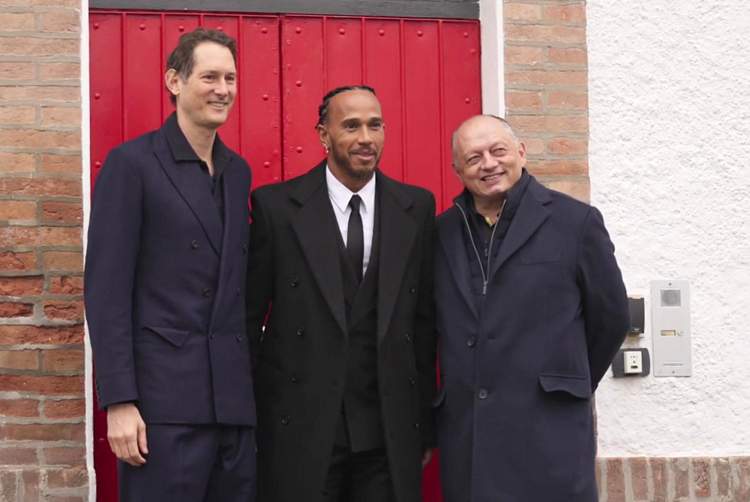
Lewis Hamilton Makes Historic First Visit To Ferrari’s Maranello Base
It was a momentous day for Formula 1: seven-time World Champion Lewis Hamilton’s first-ever visit to Ferrari’s iconic Maranello headquarters finally happened on 20 January 2025 as he started the journey with the iconic Italian side after his surprise exit from Mercedes. A Dream Realized For the British driver Hamilton, his arrival at the Ferrari factory was the stuff of dreams. Dressed to the nines in a black pinstriped suit, Hamilton seemed both thrilled and professional as he stepped into his new workplace. An Instagram post explained the importance of that moment for Hamilton: “There are some days that you know you’ll always remember, and today, my first as a Ferrari driver, is one of those. I’ve been lucky enough to have done things in my career that nobody could have predicted, but a part of me has always clung onto that childhood dream of racing in red. I couldn’t be happier to achieve that today.” For Hamilton, Ferrari will be the realization of a lifelong dream. The unprecedented success with Mercedes did little to dissuade him, including six of his seven world championships. The chance to wear that famous red racing suit was too much to resist. A Warm Welcome Ferrari did not leave anything to chance in welcoming its new star driver. His day started by visiting the Fiorano test track, a symbolic welcome by the team’s principal, Fred Vasseur, and Ferrari CEO Benedetto Vigna. Nobody was blind to the symbolic importance of the place he had been taken to: the small square named after Michael Schumacher, the only other seven-time world champion in F1 history. Ferrari had a gleaming F40 supercar on show—the favorite Ferrari model of Hamilton. This was in respect to the personal likeness of Hamilton. It showed the thoughtfulness of the team for making him feel at home in the new surroundings. Exploring Maranello This included an all-encompassing tour of Ferrari facilities that plunged him right into the midst of the storied past of a race team complemented with current high technology. Among them, the famous office of Enzo Ferrari, in which the legendary founder of Ferrari could peer at his workers working hard at their work, will not go unmentioned. And of course, a close relationship with the F1 World that has made it surely sound more special for Hamilton. The day continued with Hamilton meeting key members of Ferrari’s management team, including Piero Ferrari, son of Enzo. He then embarked on an extensive tour of the various departments, getting to know the people and processes that will be crucial to his success with the team. Technical Preparation Started Most of Hamilton’s first day was about introductions and familiarization, but the serious work to prepare for the 2025 season also got underway. He would have taken part in his first simulator session, an important part of adapting to Ferrari’s systems and the characteristics of the car. Over the coming days, Hamilton will be heavily immersed in technical meetings and briefings as he works to immerse himself in all things Ferrari. This is an important process whereby Hamilton will need to forge strong relationships in double-quick time with his new engineering team, including race engineer Riccardo Adami, who worked with Sebastian Vettel. Anticipation Builds for On-Track Debut While the off-track stuff has dominated the first day for Hamilton in Maranello, the racing world has waited for what feels like more of an awaited fact: Lewis Hamilton’s maiden Ferrari Formula 1 car. According to reports, it is believed that Hamilton will sample Ferrari machinery for the very first time this week on 22nd January as he reportedly takes the F1-75—an F1 from last season—at Fiorano for 415. This will be an important maiden test to start acclimatizing Hamilton to the traits of the Ferrari power unit after having spent all his years in F1 so far with Mercedes engines. This test will help him start work on seating, brake feel, and positioning of the steering wheel. Challenges and Expectations Hamilton’s arrival in Ferrari does bring a mountain of expectations with challenges. The British driver is arriving at the tifosi fresh off his worst completed F1 season, after finishing seventh in the 2024 championship. However, Ferrari team principal Fred Vasseur believes that partly Hamilton’s struggles were because of an awkward situation—knowing he was going to leave Mercedes—and is confident the change in environment will reinvigorate the champion driver. The pressure on Hamilton to deliver Ferrari’s first drivers’ championship since 2007 will be immense. The Tifosi, Ferrari’s fervent fanbase, have gone without success for too long and will be looking to Hamilton’s proven ability to win championships. Impact on the F1 Landscape The news of Hamilton’s arrival at Ferrari sent shockwaves throughout the world of Formula 1. It was put into a historical context, likened to other seismic transfers, with examples including Ayrton Senna joining Williams or Michael Schumacher’s switch to Ferrari. However, given Hamilton’s status as the most successful driver in F1 history27, many observers think this could be even more important. A Hamilton-Ferrari tie-up could rewrite the record books. The possibility of an eighth world championship with the Scuderia would break his tie with Michael Schumacher for the most titles with the team most closely associated with Schumacher’s legacy. Reaction in Italy The excitement of Hamilton’s arrival was palpable, especially in Italy. Ferrari for Italians is more than just a racing team; it is an institution. Since signing Hamilton, he has been the headline of front pages throughout the country, not only in sports-related publications. As narrated, Roberto Chinchero is an Italian journalist, and he described that “It was the biggest story in Italy, not only in the sporting media but also in newspaper covers all over Lewis. Everybody used Photoshop to put a Ferrari suit on Lewis! Such is the level of interest that fears have been voiced over how chaotic it may get when Hamilton makes his first test in red. The mayor of Maranello has also reportedly increased police presence to
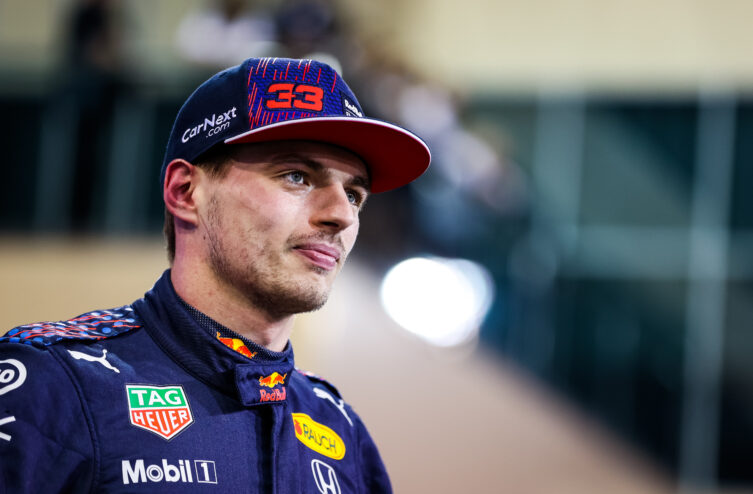
Max Verstappen’s Super Licence: A Journey Of Records And Controversy
So far in his career, Max Verstappen has broken all kinds of barriers, records, and achievements; this does not stray any different from that rule regarding the FIA Super Licence. Becoming the youngest driver in the history of Formula 1 participation through extraordinary financial expenses necessary to maintain such a status, the tale of Verstappen dealing with the system of the Super License is one interesting subplot behind the reason he was in a position to storm into the sport at such an age. The Early Years: Breaking the Mold At the time of his entry into Formula 1 at the 2015 Australian Grand Prix, Max Verstappen was just 17 years and 166 days old, the youngest driver to have ever competed in F1. This unprecedented entry into F1 at such a young age caused controversy, leading to significant changes in the Super Licence system. The rise of Verstappen into Formula 1 was nothing short of phenomenal. From a successful karting career, he spent only one season in single-seater racing, competing in the FIA European Formula 3 Championship in 201422. He did well enough to be snapped up by Red Bull, which signed him to their junior program and fast-tracked him to F1 with Toro Rosso for the 2015 season. This has, of course, not been without its controversies; indeed, Verstappen’s decision to grant him a Super Licence at such a young age and with relatively limited single-seater experience has received a mixed reception within the F1 community, with many praising his obvious talent, while others feeling it was neither safe nor appropriate for one so young and inexperienced to be competing at the very highest level of motorsport. The FIA’s Response: Tightening the Rules Due to Verstappen’s early entry into F1, the FIA came up with new and stricter criteria for obtaining a Super Licence. This was done to ensure that in the future, drivers would have acquired more experience and maturity before reaching the highest echelons of the sport. The new requirements included: At least 18 years of age by the first day of their first F1 competition Holding an International Grade A competition license Passing a theory test on F1 rules and regulations Completion of a minimum of 80% of two full seasons in designated junior categories Accumulating at least 40 Super Licence points during the three seasons preceding that These changes effectively closed the “Verstappen loophole” and made it much more difficult for very young drivers to enter F1 without significant experience in junior formulae. Verstappen’s Influence on the Super Licence System Despite the controversy of his early entry into F1, Verstappen soon proved his worth on track, scoring points in just his second race, and became the youngest driver to lead a lap and win a Grand Prix when he triumphed at the 2016 Spanish Grand Prix, aged 18 years and 228 days24. The success of Verstappen at such a tender age meant the FIA had to rethink some aspects of the Super Licence system. While the minimum age requirement remained in place, the governing body introduced more flexibility in how drivers could accumulate the necessary points to qualify for a Super Licence. The Price of Success: How the Super Licence Fees for Verstappen Keep on Rising As Verstappen’s career developed and he began to dominate the sport, another element of the Super Licence system became prominent, namely, the cost. The FIA charges its drivers an annual fee for their Super Licence, comprised of a base rate plus an additional charge for every championship point scored in the previous season. The huge success of Verstappen in recent years has resulted in some eye-watering Super Licence fees. After his record-breaking 2023 season, where he scored 575 points and won 19 out of 22 races, Verstappen faced a Super Licence fee of €1,217,900 (approximately $1.3 million) for the 2024 season1113. This astronomical fee caused debate in the F1 community with regard to the fairness and sustainability of the current Super Licence fee structure. Verstappen has indeed blamed the system for its unfair nature: “I do think there should be some normal ratio in that. But you know, things like that get written down, and I don’t think anybody expected that there would end up being that many points scored.”11 The 2025 Season: A Modest Respite Incidentally, while winning a fourth consecutive World Championship in 2024, the 2025 Super Licence fee for Verstappen is actually lower than last year’s amount. That’s because the Dutchman enjoyed a far more competitive season this time around—his eventual score of 437 points being 122 less than the record 559 he managed last year. The reduction, combined with an increase in the per-point charge to €2,313, slashes Verstappen’s Super Licence fee for 2025 to around €1,051,000—a saving of around $206,000 from last year 179. This just really serves to point out how precarious and fluctuating the latest structure on Super Licence fees really is: massively fluctuating costs for the drivers throughout even the best years—from one year to the next—even at the top reaches of the sport. The Debate Over Super Licence Fees These high costs, particularly for drivers like Verstappen, who is very successful, have raised concerns about the need to reform the Super Licence system. Critics say the current structure punishes success and incentivizes talented drivers to stay away from F1 because it’s just too costly. Proponents of the system say that it funds the FIA’s work in improving safety and regulating F1 and other forms of motorsport. They also note that, for those drivers at the very top—like Verstappen—the fees are usually paid by the teams rather than coming out of the driver’s pocket. But that is a huge leap compared to the drivers at the lower levels of the grid: Where Verstappen would have paid over €1 m for his 2024 Super Licence, for example, a rookie driver entering F1 for the first time would pay just the base fee of €10,400. The Future of the Super Licence
Max Verstappen’s Super Licence: A Journey Of Records And Controversy
So far in his career, Max Verstappen has broken all kinds of barriers, records, and achievements; this does not stray any different from that rule regarding the FIA Super Licence. Becoming the youngest driver in the history of Formula 1 participation through extraordinary financial expenses necessary to maintain such a status, the tale of Verstappen dealing with the system of the Super License is one interesting subplot behind the reason he was in a position to storm into the sport at such an age. The Early Years: Breaking the Mold At the time of his entry into Formula 1 at the 2015 Australian Grand Prix, Max Verstappen was just 17 years and 166 days old, the youngest driver to have ever competed in F1. This unprecedented entry into F1 at such a young age caused controversy, leading to significant changes in the Super Licence system. The rise of Verstappen into Formula 1 was nothing short of phenomenal. From a successful karting career, he spent only one season in single-seater racing, competing in the FIA European Formula 3 Championship in 201422. He did well enough to be snapped up by Red Bull, which signed him to their junior program and fast-tracked him to F1 with Toro Rosso for the 2015 season. This has, of course, not been without its controversies; indeed, Verstappen’s decision to grant him a Super Licence at such a young age and with relatively limited single-seater experience has received a mixed reception within the F1 community, with many praising his obvious talent, while others feeling it was neither safe nor appropriate for one so young and inexperienced to be competing at the very highest level of motorsport. The FIA’s Response: Tightening the Rules Due to Verstappen’s early entry into F1, the FIA came up with new and stricter criteria for obtaining a Super Licence. This was done to ensure that in the future, drivers would have acquired more experience and maturity before reaching the highest echelons of the sport. The new requirements included: At least 18 years of age by the first day of their first F1 competition Holding an International Grade A competition license Passing a theory test on F1 rules and regulations Completion of a minimum of 80% of two full seasons in designated junior categories Accumulating at least 40 Super Licence points during the three seasons preceding that These changes effectively closed the “Verstappen loophole” and made it much more difficult for very young drivers to enter F1 without significant experience in junior formulae. Verstappen’s Influence on the Super Licence System Despite the controversy of his early entry into F1, Verstappen soon proved his worth on track, scoring points in just his second race, and became the youngest driver to lead a lap and win a Grand Prix when he triumphed at the 2016 Spanish Grand Prix, aged 18 years and 228 days24. The success of Verstappen at such a tender age meant the FIA had to rethink some aspects of the Super Licence system. While the minimum age requirement remained in place, the governing body introduced more flexibility in how drivers could accumulate the necessary points to qualify for a Super Licence. The Price of Success: How the Super Licence Fees for Verstappen Keep on Rising As Verstappen’s career developed and he began to dominate the sport, another element of the Super Licence system became prominent, namely, the cost. The FIA charges its drivers an annual fee for their Super Licence, comprised of a base rate plus an additional charge for every championship point scored in the previous season. The huge success of Verstappen in recent years has resulted in some eye-watering Super Licence fees. After his record-breaking 2023 season, where he scored 575 points and won 19 out of 22 races, Verstappen faced a Super Licence fee of €1,217,900 (approximately $1.3 million) for the 2024 season1113. This astronomical fee caused debate in the F1 community with regard to the fairness and sustainability of the current Super Licence fee structure. Verstappen has indeed blamed the system for its unfair nature: “I do think there should be some normal ratio in that. But you know, things like that get written down, and I don’t think anybody expected that there would end up being that many points scored.”11 The 2025 Season: A Modest Respite Incidentally, while winning a fourth consecutive World Championship in 2024, the 2025 Super Licence fee for Verstappen is actually lower than last year’s amount. That’s because the Dutchman enjoyed a far more competitive season this time around—his eventual score of 437 points being 122 less than the record 559 he managed last year. The reduction, combined with an increase in the per-point charge to €2,313, slashes Verstappen’s Super Licence fee for 2025 to around €1,051,000—a saving of around $206,000 from last year 179. This just really serves to point out how precarious and fluctuating the latest structure on Super Licence fees really is: massively fluctuating costs for the drivers throughout even the best years—from one year to the next—even at the top reaches of the sport. The Debate Over Super Licence Fees These high costs, particularly for drivers like Verstappen, who is very successful, have raised concerns about the need to reform the Super Licence system. Critics say the current structure punishes success and incentivizes talented drivers to stay away from F1 because it’s just too costly. Proponents of the system say that it funds the FIA’s work in improving safety and regulating F1 and other forms of motorsport. They also note that, for those drivers at the very top—like Verstappen—the fees are usually paid by the teams rather than coming out of the driver’s pocket. But that is a huge leap compared to the drivers at the lower levels of the grid: Where Verstappen would have paid over €1 m for his 2024 Super Licence, for example, a rookie driver entering F1 for the first time would pay just the base fee of €10,400. The Future of the Super Licence
