
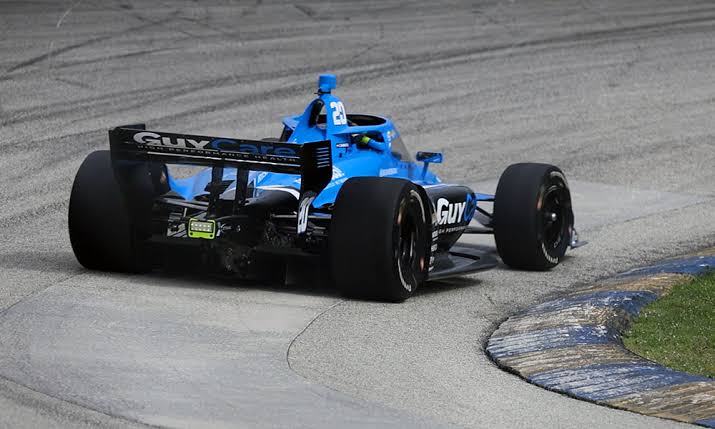
The Formula 1 landscape is shaping up for the 2024 season with significant rule changes, from powertrain use to promotions. Let’s take a look at the 8 main changes that are set to shake up the world of F1. 1. Period of review: One area that can often cause controversy is the right to review. Parties now have just 4 days to appeal the decision, with the possibility of an extension of 24 hours in special circumstances. The introduction of a bond to be returned only in case of success or if the FIA deems it justified in case of unsuccessful petitions adds a new dimension to the appeals process. 2. Increased potential fines: Teams and drivers now face higher fines for infractions, with the maximum cap increased to an impressive €1 million. The aim of this change is to introduce stricter penalties to ensure compliance with the standards 3. Tighter Powertrain Rules: Following the extended 2023 season, teams now revert to the previous limit of three components per powertrain, optimizing the balance between performance and reliability. 4. Expanded Promotions: Promotions gained importance in 2024, allowing teams to cover a distance of 200 km and providing better opportunities for pre-season testing and filming. 5. CHANGES TO CLASSIC VEHICLE TESTING: With the inclusion of 2022 vehicles in the Classic Car Testing Program, all components are now required to be officially tested on older vehicles prior to approval. The goal is to prevent untested components from affecting current vehicle development. 6. Increased Capital Expenditure Cap: With the introduction of the spending cap, teams now have a larger margin for capital expenditure over four years to improve their facilities and remain competitive. 7. The roll bar requirements are stricter: In response to Zhou Guanyu’s serious accident in 2022, the roll bar requirements have been tightened. Now it must withstand more stringent stress tests, aimed at increasing robustness in the event of a similar accident. 8. **Wheel Display Plans Shelved:** The original idea to include rotating wheel displays was pushed back to 2024. Although this has been pulled, it is an area that may return in the future. With all these changes, the 2024 season promises to be exciting and challenging. Increased penalties, inflexibility in powertrain rules and increased opportunities for promotions are some of the aspects that fans can expect as the teams take to the track. Now all that remains is a final decision on the sprint format, a chapter still waiting to be defined and could bring even more excitement as the season progresses.
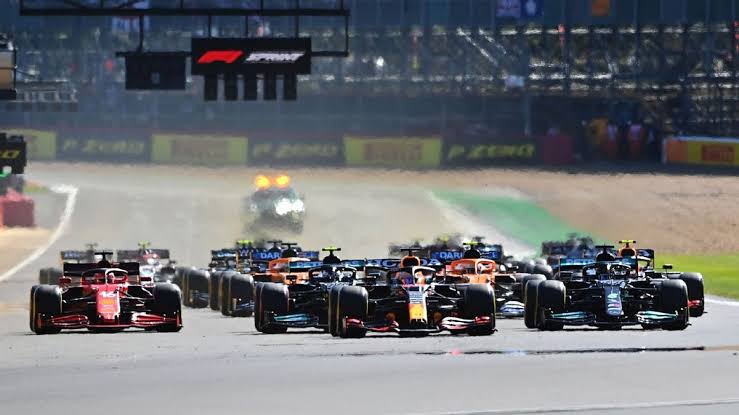
F1 History’s Top 5 Winning Teams: A Glimpse into Motorsport Dominance
Formula 1, throughout its history, has seen some champion teams reign over it. Some of them are so dominant that nobody comes nowhere nearer to ream in terms of excellence, achievements and contributions in F1. Today, in this article, we are gonna discuss about the 5 greatest winning teams ever in the history of F1. And those are as follows, ranked by the sheer measure of their Greatness and Achievements- 1. Ferrari – The Italian Name of Greatness One can really say, that Ferrari is actually a synonym of excellence and greatness in Formula 1. With a staggering number of titles- both drivers and constructors, Ferrari surely is the most dominant team in the history of F1. With a total 31 championship titles (16 constructor’s, 15 driver’s) , Ferrari is the GOAT. 2. Williams – The Golden Era of the 80s and 90s Williams made a name for themselves in the 1980s and the 1990s. In this period they won a total of 16 titles. 9 of them were constructor’s championships and 7 of them were driver’s championships.. Names like Alan Jones, Nigel Mansell and Damon Hill drove the team’s iconic cars. The impact and innovation on the track defined a golden era for Williams in F1. 3. McLaren – Technical and Athletic Mastery Bruce McLaren founded the company, which has an astounding twelve driver titles in addition to eight constructor titles. The team’s progression in both technical and athletic proficiency is exemplified by the legendary races between Ayrton Senna and Alain Prost in the 1980s and Lewis Hamilton’s triumphs afterwards. 4. Mercedes – The Modern Dominant Power Mercedes has become a dominant force in Formula One over the modern era. The team has raised the bar for greatness with eight straight constructors’ titles and nine successive drivers’ crowns. An irresistible dynamic is created when modern engineering and the talent of drivers like Lewis Hamilton come together. 5. Lotus – A Truly Innovative Team Lotus, renowned for its inventiveness, added a special enchantment to the tracks. With six drivers’ titles and seven constructors’ titles, Colin Chapman’s squad has left its mark on history. One example of Lotus’ enduring influence on Formula One is the pioneering introduction of aerodynamics with the Lotus 79. These teams are really the greats, not just numbers on trophies. Everybody has added something special to the rich fabric of Formula 1—from exhilarating battles to inventive technical advances. Not only have these teams won races, but they have also influenced the entire meaning of success in racing. When considering these illustrious teams, it becomes evident that Formula One (F1) is more than simply a competition; it is a dynamic narrative in which teams strive for excellence above all else, paving the way for success and serving as an inspiration to upcoming generations.
F1 History’s Top 5 Winning Teams: A Glimpse into Motorsport Dominance
Formula 1, throughout its history, has seen some champion teams reign over it. Some of them are so dominant that nobody comes nowhere nearer to ream in terms of excellence, achievements and contributions in F1. Today, in this article, we are gonna discuss about the 5 greatest winning teams ever in the history of F1. And those are as follows, ranked by the sheer measure of their Greatness and Achievements- 1. Ferrari – The Italian Name of Greatness One can really say, that Ferrari is actually a synonym of excellence and greatness in Formula 1. With a staggering number of titles- both drivers and constructors, Ferrari surely is the most dominant team in the history of F1. With a total 31 championship titles (16 constructor’s, 15 driver’s) , Ferrari is the GOAT. 2. Williams – The Golden Era of the 80s and 90s Williams made a name for themselves in the 1980s and the 1990s. In this period they won a total of 16 titles. 9 of them were constructor’s championships and 7 of them were driver’s championships.. Names like Alan Jones, Nigel Mansell and Damon Hill drove the team’s iconic cars. The impact and innovation on the track defined a golden era for Williams in F1. 3. McLaren – Technical and Athletic Mastery Bruce McLaren founded the company, which has an astounding twelve driver titles in addition to eight constructor titles. The team’s progression in both technical and athletic proficiency is exemplified by the legendary races between Ayrton Senna and Alain Prost in the 1980s and Lewis Hamilton’s triumphs afterwards. 4. Mercedes – The Modern Dominant Power Mercedes has become a dominant force in Formula One over the modern era. The team has raised the bar for greatness with eight straight constructors’ titles and nine successive drivers’ crowns. An irresistible dynamic is created when modern engineering and the talent of drivers like Lewis Hamilton come together. 5. Lotus – A Truly Innovative Team Lotus, renowned for its inventiveness, added a special enchantment to the tracks. With six drivers’ titles and seven constructors’ titles, Colin Chapman’s squad has left its mark on history. One example of Lotus’ enduring influence on Formula One is the pioneering introduction of aerodynamics with the Lotus 79. These teams are really the greats, not just numbers on trophies. Everybody has added something special to the rich fabric of Formula 1—from exhilarating battles to inventive technical advances. Not only have these teams won races, but they have also influenced the entire meaning of success in racing. When considering these illustrious teams, it becomes evident that Formula One (F1) is more than simply a competition; it is a dynamic narrative in which teams strive for excellence above all else, paving the way for success and serving as an inspiration to upcoming generations.
