
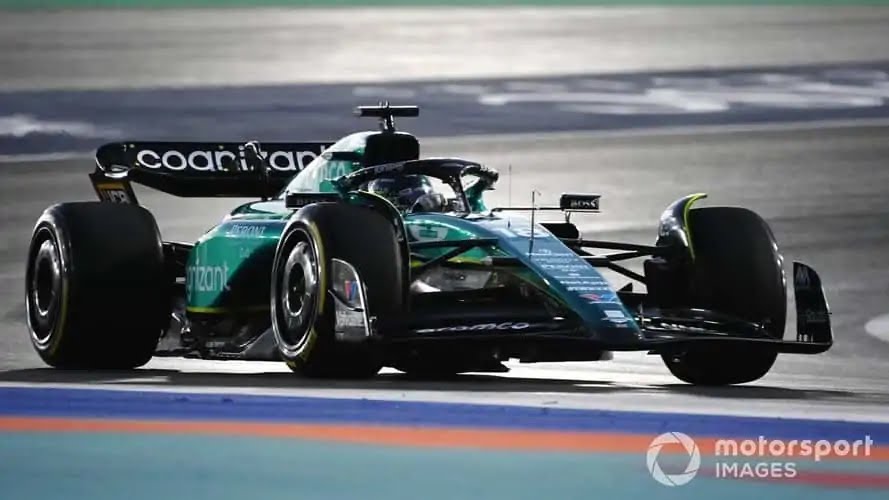
Aston Martin’s Formula 1 team is no stranger to the complexities of the sport. It takes meticulous engineering and precise driving to succeed at the highest level of motorsport. However, recent struggles from Lance Stroll have raised questions about the impact of car characteristic changes on his performance. The team, led by principal Mike Krack, is determined to solve the puzzle and ensure Stroll’s success. But before they implement a recovery plan, they want to run comprehensive tests to determine whether the changes are indeed detrimental to Stroll’s capabilities. Lance Stroll’s struggles Since the summer break, Lance Stroll has found himself in a challenging position. He hasn’t scored a point in the last five races, and to make matters worse, he has failed to progress from Q1 in the last four events. These struggles are perplexing for both the driver and the team, given Stroll’s potential and past performances.The car’s behavior changes. Stroll’s feedback on the behavior of the Aston Martin F1 car has been essential in diagnosing the problem. He highlighted the fact that the rear end of the car appeared less settled than before. In a sport where even the tiniest adjustments can have a significant impact, these changes are crucial to address. Stroll mentioned, “Yeah, there’s things for sure. There’s always something in every car, but I think when the car has been really good this year, I’ve been really happy with it. And it’s just recently that it’s been a bit more challenging.”Side Effects of UpgradesAston Martin’s pursuit of excellence led to the implementation of upgrades aimed at improving the car’s overall performance. However, as is often the case in Formula 1, the pursuit of speed can lead to unintended side effects. It appears that the team’s quest for increased downforce may have made the car trickier to drive. Krack acknowledges the challenge, saying, “It’s just about understanding why. In theory, you want to make the car go faster, but I think we might have added overall downforce but made the car trickier to drive.”The Enigma of Fernando AlonsoOne factor complicating Aston Martin’s efforts to address Stroll’s struggles is the contrasting performance of his teammate, Fernando Alonso. Alonso, known for his unique driving style, seems to have adapted well to the car’s changes, even if it results in a looser rear end. This highlights the individual nature of driver preferences and driving styles within a team.Krack comments on the situation, saying, “No, I think at the end of the day you normally do not go completely into such small detail in terms of understanding. In our case, when you have difficulties, you normally learn more, and you go into much more detail than you would if you were just fine. It’s a normal thing. And I think that we will go through a great learning exercise in that regard.”The road aheadAston Martin’s approach is characterized by thorough investigation and meticulous testing. Before implementing any corrective measures, the team is committed to understanding the precise nature of the challenges Stroll faces due to the car’s changes. This patient and methodical approach will enable the team to make informed decisions about potential adjustments.In Formula 1, where success hinges on precision and adaptation, safety, performance, and the well-being of drivers take precedence. Aston Martin’s commitment to resolving Lance Stroll’s struggles underscores the sport’s multifaceted nature and the dedication of F1 teams to ensuring their drivers achieve their competitive best.In the upcoming races, Aston Martin will closely monitor the performances of both Lance Stroll and Fernando Alonso. They aim to strike the right balance between the car’s characteristics to provide ideal conditions for both drivers to shine. The dynamic world of Formula 1 is characterized by continuous change and optimization, and these challenges motivate teams like Aston Martin to pursue excellence relentlessly. Testing and learning are essential in the pursuit of success in one of the world’s most demanding motorsports.
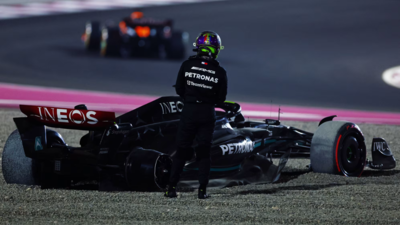
FIA Reviewing Hamilton Track-Crossing Incident In Qatar
In the fast-paced world of Formula One, where drivers push the boundaries of speed and precision, safety is paramount. The Fédération Internationale de l’Automobile (FIA), the governing body of Formula One, has always emphasized the importance of safety on and off the track. Recently, a seemingly innocuous incident at the Qatar Grand Prix involving seven-time World Champion Lewis Hamilton has reignited the debate about safety and accountability in the sport. The Incident During the Qatar Grand Prix, Lewis Hamilton, the iconic Mercedes driver, was involved in a dramatic collision with his teammate, George Russell, at the very beginning of the race. The collision forced both Mercedes F1 cars out of the race and brought out the safety car. What happened next is what raised eyebrows and led to the FIA’s decision to reopen the investigation into the incident. Hamilton, finding himself out of the race due to the collision, chose to exit his damaged car and walk across the live racetrack during the deployment of the safety car. While it might have appeared as a harmless decision given the reduced speeds under the safety car conditions, it was anything but. This act was seen as a severe safety breach as well as a potential influence on younger racers. The initial penalty Hamilton was not let off without consequences. Initially, he received a €50,000 penalty, with €25,000 of it suspended. This fine was the highest imposed on any driver during the current season. However, the FIA’s decision to revisit this case points to concerns beyond just the financial penalty. Hamilton’s Status as a Role ModelLewis Hamilton is not just any Formula One driver; he’s a global icon. Beyond his racing success, he has used his platform to advocate for social and environmental causes. He has inspired countless individuals, especially young aspiring racers, to believe in their dreams and make a positive impact. This status as a role model brings both privilege and responsibility. Young racers look up to Hamilton not just for his victories on the track but also for his values and principles off it. However, the Qatar incident calls into question the impression his actions may have created on younger drivers. Safety takes precedence.In Formula One, where milliseconds can be the difference between victory and defeat, safety remains a top priority. The safety car is deployed for a reason: to protect drivers and track personnel in potentially dangerous situations. Walking on a live racetrack, even under safety car conditions, is a violation of the safety protocol. Hamilton’s admission of his mistake and his apology during the stewards’ hearing acknowledged the seriousness of his actions. However, the FIA believes that the potential impact on younger drivers must not be underestimated. The world of motorsport carries significant risks, and it’s essential to emphasize safety over anything else.Reopening the caseThe decision to revisit the case is not about punishing Hamilton but addressing the implications of his actions, particularly for aspiring racers. The FIA is setting a precedent that safety violations, regardless of a driver’s status, will not be taken lightly. While it’s unlikely that Hamilton will face additional penalties based on the current FIA rules, the significance of this case extends beyond one driver’s actions. It’s a moment that forces the entire motorsport community to reflect on the values, ethics, and responsibilities that come with being at the pinnacle of the sport. What’s Next As the FIA considers whether harsher punishments should be introduced in the future for similar incidents, it’s clear that safety remains non-negotiable in Formula One. It’s also a reminder that every individual involved in the sport, regardless of their standing, must be held accountable for their actions. The FIA’s decision to reopen the case serves as a valuable lesson for aspiring racers and a reminder of the importance of maintaining safety standards at all times. It highlights that, in the world of motorsport, no one is above the rules, and everyone must be responsible and accountable. The incident involving Lewis Hamilton at the Qatar Grand Prix is a testament to the FIA’s unwavering commitment to safety in Formula One. The decision to reopen the case is a message to all drivers, especially the younger generation, that safety breaches will not be tolerated. It emphasizes the responsibility that comes with being a role model and the importance of setting a positive example in a sport where safety is paramount. While the Qatar incident put Hamilton in the spotlight for the wrong reasons, it also served as a valuable lesson and a turning point for Formula One. As fans and observers of the sport, we hope that this incident encourages a culture of safety and responsibility, ensuring that the racetrack remains a place of intense competition but, above all, a place of safety for all involved.

MotoGP Australian Motorcycle GP History, Background, Crowd Capacity And More
The Australian Motorcycle Grand Prix, a jewel in the crown of the MotoGP World Championship, is an exhilarating spectacle that combines speed, skill, and breathtaking views. In this article, we take a deep dive into the rich history, the iconic circuit at Phillip Island, crowd capacity, and everything that makes the Australian Motorcycle GP a must-watch event for motorcycle racing enthusiasts. A Brief History The history of the Australian Motorcycle Grand Prix is intertwined with the annals of motorcycle racing itself. While it became part of the Fédération Internationale de Motocyclisme (FIM) Grand Prix World Championship in 1989, its roots run much deeper. The event predates its inclusion in the world championship and attracted international riders and enthusiasts long before. One name that shines brightly in the early chapters of the Australian GP is that of Mick Doohan. This Australian legend left an indelible mark on the sport during the 1990s, especially in the 500cc class. His dominance played a pivotal role in popularizing the sport in Australia. The Australian GP has had its share of venue changes, starting with Phillip Island, then moving to Eastern Creek International Raceway in Sydney in 1991, and the Queensland Raceway in 1992. However, in 1997, it made a triumphant return to Phillip Island, which has remained its spiritual home ever since. The Iconic Circuit: Phillip Island The Phillip Island Grand Prix Circuit, located on the eponymous island in Victoria, is a racetrack that enjoys a hallowed status in the world of motorsports. It’s renowned not only for its challenging layout but also for the picturesque surroundings it offers. Situated amidst the scenic beauty of the Bass Strait, the circuit provides breathtaking ocean views that are unique to this location. The track itself offers a rollercoaster ride of high-speed straights, sweeping corners, and challenging elevation changes. It’s a circuit that demands a perfect blend of power, control, and precision from the riders. The fast and flowing nature of the track means that races at Phillip Island are often a high-speed chess match, where riders must strategize and execute with precision. One characteristic that adds an extra layer of intrigue to the races is the island’s unpredictable weather. The riders must be ready to adapt swiftly to the changing conditions, making the Australian GP not just a test of their skills but also their ability to handle meteorological curveballs. Crowd Capacity The Australian Motorcycle Grand Prix boasts a passionate and global fan following. The Phillip Island Grand Prix Circuit has the capacity to host tens of thousands of spectators. It offers various grandstands and viewing areas that provide fans with fantastic vantage points to witness the breathtaking action on the track. Crowd capacity, like many sporting events, can vary from year to year. It’s always advisable for fans to check ticket availability and make reservations well in advance to secure their spots in the grandstands or the general admission areas. Unforgettable Moments The Australian Motorcycle Grand ix has witnessed its fair share of historic and unforgettable moments. Here are some of the highlights: Mick Doohan’s dominance Mick Doohan, the Australian legend, is closely associated with the event. He won the Australian GP multiple times during his illustrious career, solidifying his status as one of the most successful riders in the history of motorcycle racing. Close Finishes The Phillip Island circuit is known for producing thrilling and closely contested races. Its layout encourages overtaking and close battles between riders, often leading to heart-stopping photo finishes. Casey Stoner’s Farewell One of the most emotional moments in the history of the Australian GP was when local hero Casey Stoner announced his retirement at the end of the 2012 season. Stoner bid farewell to his home crowd at Phillip Island with a resounding victory, marking the end of an era. Valentino Rossi’s Success Italian rider Valentino Rossi, one of the sport’s most beloved figures, has also tasted success at the Australian GP, endearing himself further to fans around the world. Entertainment and Festivities The Australian Motorcycle Grand Prix is not just about the on-track action; it’s a full-fledged festival of speed and adrenaline. Fans can immerse themselves in a wide range of activities, including live music, exhibitions, stunt shows, and the opportunity to meet riders and get autographs. Food stalls offer delectable treats, and merchandise shops provide souvenirs to commemorate the experience. The Australian Motorcycle Grand Prix stands tall as a pinnacle event in the MotoGP calendar. With its rich history, the iconic Phillip Island circuit, passionate crowds, and unforgettable moments, it continues to captivate the hearts of motorcycle racing enthusiasts around the world. The combination of natural beauty, high-speed action, and the unpredictable nature of the Phillip Island circuit makes the Australian Motorcycle GP a truly unmissable experience for fans and riders alike. So, whether you’re a die-hard motorcycle racing enthusiast or just someone looking for an unforgettable experience, the Australian Motorcycle Grand Prix has something to offer everyone.
F1 United States GP 2023 Schedule, All Teams, Racers And More
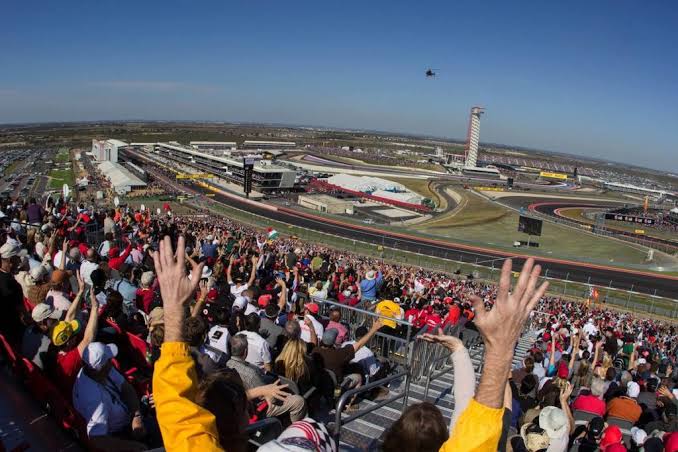
Formula 1 fans, get ready to mark your calendars and rev up your excitement because the Lenovo United States Grand Prix 2023 is just around the corner. The iconic Circuit of the Americas in Austin, Texas, is set to come alive with the roar of engines, the screech of tires, and the thrill of high-speed racing. In this article, we’ll delve into the race schedule, the formidable teams, and the talented racers who will compete in this spectacular event. Unraveling the Circuit of the Americas Before we dive into the action-packed schedule, let’s take a moment to appreciate the track where it all unfolds—the Circuit of the Americas. This track, designed by Hermann Tilke in collaboration with the American architectural firm HKS, made its debut in 2012. Despite some initial setbacks during construction, the result was well worth the wait. With its challenging layout and echoes of famous corners from tracks around the world, COTA has quickly become a favorite among drivers and fans alike. The Grand Prix Weekend: Action at Every Turn The excitement of the United States Grand Prix isn’t confined to just one day; it’s a weekend filled with thrilling sessions, activities, and, of course, the main race. Let’s break down the weekend’s schedule: Friday, October 20th (All times BST) F1 Academy First Practice Session (08:15–08:55): The first cars hit the track to fine-tune their setups and gather crucial data. Porsche Carrera Cup North America Practice Session (09:20–09:50): A glimpse of future racing talent in Porsche’s one-make series Masters Historic Practice Session (10:15–10:45): Vintage race cars take to the track to remind us of the sport’s rich history. FIA F1 Car Presentation (11:00–12:00): A chance to get up close and personal with the cutting-edge cars of Formula 1 Formula 1 Pirelli Hot Laps (11:30–12:00): Hold onto your helmets as you experience the thrill of F1 speed from the passenger seat. Formula 1 First Practice Session (12:30–13:30): The first official practice session, where teams evaluate their cars’ performance. F1 Academy Second Practice Session (13:55–14:35): more laps, more data, and more adrenaline as the day continues. Teams’ Press Conference (14:00–15:00): Key team members share insights and updates in this press gathering. Masters Historic Qualifying Session (15:00–15:30): Vintage racers battle for the best starting positions. Formula 1 Qualifying (16:00–17:00): The quest for pole position begins with the high-stakes qualifying session. F1 Academy First Qualifying Session (17:30–17:45) Up-and-coming talents have their shot at qualifying for success. F1 Academy Second Qualifying Session (17:55–18:10): The future stars of F1 aim for the front of the grid. F1 Experiences Champions Club Trophy Photo & Grid Walk (19:20–20:20): An exclusive opportunity to get close to the action and capture memorable photos Saturday, October 21st Porsche Carrera Cup North America Qualifying Session (08:35–09:05): intense competition to set the grid for the Porsche Carrera Cup. F1 Academy First Race (12 Laps, Max 30 Mins +1 Lap) (09:45–10:20): The rising stars of the F1 Academy go wheel-to-wheel in this exciting race. Masters Historic First Race (20 minutes + 1 lap) (10:55–11:20): Vintage race cars make a historic statement on the track. Team Pit Stop Practice (11:30–12:00): Teams practice their lightning-fast pit stops to perfection. Sprint (19 laps or 60 minutes) (17:00–17:30): The high-speed, short-duration race offers intense competition and quick results. F1 Experiences Champions Club Trophy Photo & Grid Walk (19:00–20:00): Another opportunity to get closer to the racing action Sunday, October 22 Masters Historic Second Race (20 minutes + 1 lap) (08:35–09:00) Vintage race cars return for another thrilling showdown. F1 Academy Third Race (12 Laps, Max 30 Mins +1 Lap) (09:40–10:15):** The F1 Academy drivers continue their pursuit of excellence. Porsche Carrera Cup North America Second Race (35 minutes + 1 lap) (10:50–11:30): The Porsche Carrera Cup drivers aim for victory. Drivers’ Parade (11:50–12:20): Fans get a chance to cheer for their favorite drivers in the colorful pre-race parade. National Anthem (13:46–13:48): A moment of national pride and unity before the main event. Fly Past (13:48–13:49): A breathtaking aerial display adds to the spectacle. Grand Prix (56 laps or 120 minutes) (14:00–16:00): The crescendo of the weekend, where every driver aims for glory in this 56-lap race The F1 Titans: All Teams and Racers As the lights go out and the cars roar to life, it’s the racers who bring the drama and spectacle to the United States Grand Prix. Here’s a closer look at the teams and the talented racers who will be vying for victory at the Lenovo United States Grand Prix 2023: Red Bull Racing Drivers: Max Verstappen (#1) Sergio Perez (#11) The Red Bull Racing team aims to continue its dominant form into the 2023 season. Max Verstappen, fresh from back-to-back championships, will be pushing for a hat-trick of titles. Meanwhile, Sergio Perez will be looking to build upon his successful 2022 season, which saw him clinch two race wins. Scuderia Ferrari Drivers: Charles Leclerc (#16) Carlos Sainz (#55) Ferrari retains its driver lineup for a third consecutive season. The 2022 season saw Ferrari’s challenge fade after a strong start, but with two proven race winners in Charles Leclerc and Carlos Sainz, the Scuderia is determined to develop a race-winning car and contend for the championship. Mercedes-AMG Petronas Formula One Team Drivers: Lewis Hamilton (#44) George Russell (#63) Mercedes, a team known for its recent dominance, aims to bounce back from a disappointing 2022 campaign. Lewis Hamilton, the seven-time world champion, will be looking to re-establish his dominance, while George Russell, who achieved a pole and victory in 2022, is eager to build on that experience. Alpine F1 Team Drivers: Pierre Gasly (#10) Esteban Ocon (#31) The Alpine F1 Team has a new driver lineup, with Fernando Alonso departing, leaving Pierre Gasly to step into the role. This all-French duo aims to keep Alpine’s strong presence in the midfield, hoping to move up the rankings in the 2023 season. McLarenF1 Team Drivers: Lando Norris (#4) Oscar Piastri (#81) McLaren starts the season with Lando Norris entering his fifth year with the
F1 United States GP 2023 History, Background, Crowd Capacity And More
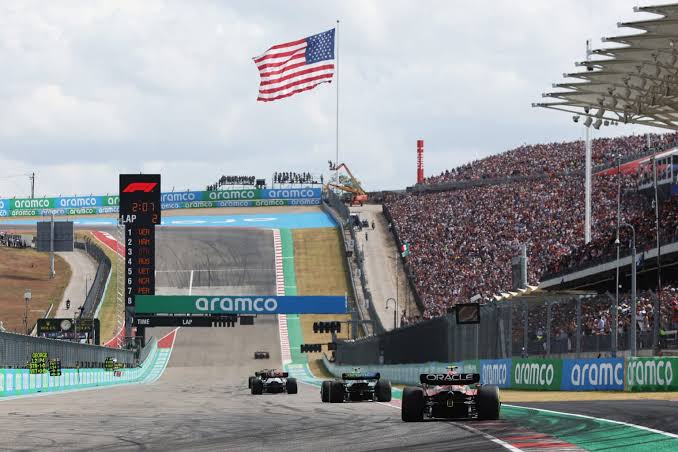
The Formula 1 calendar is a treasure trove of iconic races that have etched their mark in the annals of motorsport history. One such jewel in this high-speed crown is the United States Grand Prix. As we gear up for the 2023 edition of this exhilarating event, let’s take a deep dive into its storied past, diverse background, crowd capacity, and everything else that makes it a must-watch race on the F1 calendar. A historic journey Racing on American soil dates back to 1908, when the American Grand Prix, adhering to Grand Prix rules, roared to life at the Savannah Automobile Club in Georgia. A modest field of 14 European and six American entries competed, setting the stage for an enduring connection between American motorsport and European-style racing. Fast-forward to 1959, and the first official United States Grand Prix took place, making its debut in the F1 World Championship. The venue was Sebring, Florida, an airport converted from World War II use in the isolated central Florida town. The event took place nearly three months after the previous race at Monza and saw Bruce McLaren take his first career F1 win for Cooper. It was an exciting finish to the season, but the remote location made it a challenging event for organizers. In 1961, the race moved to Watkins Glen Grand Prix Race Course in New York, and here it found a home for the next 20 years. The Glen became known as the ‘Mecca’ of American road racing, with loyal crowds and a favorite among teams and drivers. The likes of Jim Clark, Mario Andretti, and Jackie Stewart graced this iconic circuit. A tragedy struck in 1973 during a race at Watkins Glen when Francois Cevert lost control during qualifying, resulting in a fatal accident. The event was overshadowed by this devastating incident, and team manager Ken Tyrrell withdrew his team. Jackie Stewart, who had planned to retire after the race, did so immediately after winning his third Drivers’ Championship at Monza. The Phoenix Interlude After a hiatus, Formula 1 returned to the United States in 1989, this time at the Phoenix Street Circuit in Arizona. The inaugural event was held in June, attracting substantial attendance. Alain Prost claimed victory for McLaren, but the sweltering temperatures in Phoenix posed a challenge. The F1 Odyssey at Indy In 2000, the United States Grand Prix found its way to the historic Indianapolis Motor Speedway. An initial crowd of over 225,000 marked this event as one of the largest in F1 history. Michael Schumacher secured the win, starting a new chapter in American Formula 1 history. The event continued through 2007, even holding a race soon after the September 11 attacks, where drivers and teams paid tribute. The Austin Era While the US Grand Prix took a brief hiatus, efforts were made to bring a race to the New York City region. Plans emerged, including a circuit to be built in Jersey City’s Liberty State Park. However, Austin, Texas, secured a 10-year contract in 2010 to host the race. The Circuit of the Americas was designed on 800 acres of land east of the city. Notable moments at this circuit include Lewis Hamilton’s dominant streak from 2014 to 2017, which was interrupted by Kimi Raikkonen’s victory in 2018. With the Formula 1 championship gaining popularity in the United States, the race has become an important market for the Liberty Group, which owns the commercial rights to the sport. This is evident in the addition of the Miami Grand Prix and a brand-new event in Las Vegas, further solidifying the sport’s presence in the United States. The Present and Future: 2023 United States Grand Prix As we prepare for the 2023 United States Grand Prix, the excitement and anticipation are palpable. The race is scheduled for the weekend of October 20–22 and is set to be the 19th race of the Formula 1 season. The venue for this high-octane spectacle is the 5.5-kilometer Circuit of the Americas track. While history paints a vivid picture of the US Grand Prix’s legacy, it is equally important to look to the future. In recent years, this event has experienced a resurgence in popularity, partly due to the captivating duels between drivers like Lewis Hamilton and Max Verstappen. With these two titans battling it out on American soil, it’s no wonder that crowds are flocking to the Circuit of the Americas to witness history in the making. One aspect that sets this race apart is the diverse and passionate crowd that it attracts. Formula 1’s growing fan base in the United States is evident in the increasing attendance at the US Grand Prix. Nearly 270,000 fans attended the event in 2016, driven by the gripping title fight between Lewis Hamilton and Nico Rosberg. The 2023 United States Grand Prix promises to carry on this tradition. As the sound of roaring engines fills the Texas air and the tires screech around the Circuit of the Americas, fans from across the United States and around the world will unite in their shared love for high-speed racing. The road ahead As Formula 1’s popularity continues to surge in the United States, the United States Grand Prix remains a pivotal event on the F1 calendar. It’s a race where history, speed, and passion intersect, creating an electrifying atmosphere that can only be experienced in person. So mark your calendars for the 2023 United States Grand Prix, where the engines will roar, tires will screech, and champions will emerge. It’s not just a race; it’s a celebration of motorsport, a homage to the past, and a glimpse into the future of Formula 1 in the United States. With a storied history, a diverse background, and an ever-increasing crowd capacity, the United States Grand Prix stands as a shining example of the global appeal and relentless excitement that are Formula 1. It’s not just a race; it’s an experience like no other, and it’s ready to captivate us once again in 2023.
F1 United States GP 2023 History, Background, Crowd Capacity And More
The Formula 1 calendar is a treasure trove of iconic races that have etched their mark in the annals of motorsport history. One such jewel in this high-speed crown is the United States Grand Prix. As we gear up for the 2023 edition of this exhilarating event, let’s take a deep dive into its storied past, diverse background, crowd capacity, and everything else that makes it a must-watch race on the F1 calendar. A historic journey Racing on American soil dates back to 1908, when the American Grand Prix, adhering to Grand Prix rules, roared to life at the Savannah Automobile Club in Georgia. A modest field of 14 European and six American entries competed, setting the stage for an enduring connection between American motorsport and European-style racing. Fast-forward to 1959, and the first official United States Grand Prix took place, making its debut in the F1 World Championship. The venue was Sebring, Florida, an airport converted from World War II use in the isolated central Florida town. The event took place nearly three months after the previous race at Monza and saw Bruce McLaren take his first career F1 win for Cooper. It was an exciting finish to the season, but the remote location made it a challenging event for organizers. In 1961, the race moved to Watkins Glen Grand Prix Race Course in New York, and here it found a home for the next 20 years. The Glen became known as the ‘Mecca’ of American road racing, with loyal crowds and a favorite among teams and drivers. The likes of Jim Clark, Mario Andretti, and Jackie Stewart graced this iconic circuit. A tragedy struck in 1973 during a race at Watkins Glen when Francois Cevert lost control during qualifying, resulting in a fatal accident. The event was overshadowed by this devastating incident, and team manager Ken Tyrrell withdrew his team. Jackie Stewart, who had planned to retire after the race, did so immediately after winning his third Drivers’ Championship at Monza. The Phoenix Interlude After a hiatus, Formula 1 returned to the United States in 1989, this time at the Phoenix Street Circuit in Arizona. The inaugural event was held in June, attracting substantial attendance. Alain Prost claimed victory for McLaren, but the sweltering temperatures in Phoenix posed a challenge. The F1 Odyssey at Indy In 2000, the United States Grand Prix found its way to the historic Indianapolis Motor Speedway. An initial crowd of over 225,000 marked this event as one of the largest in F1 history. Michael Schumacher secured the win, starting a new chapter in American Formula 1 history. The event continued through 2007, even holding a race soon after the September 11 attacks, where drivers and teams paid tribute. The Austin Era While the US Grand Prix took a brief hiatus, efforts were made to bring a race to the New York City region. Plans emerged, including a circuit to be built in Jersey City’s Liberty State Park. However, Austin, Texas, secured a 10-year contract in 2010 to host the race. The Circuit of the Americas was designed on 800 acres of land east of the city. Notable moments at this circuit include Lewis Hamilton’s dominant streak from 2014 to 2017, which was interrupted by Kimi Raikkonen’s victory in 2018. With the Formula 1 championship gaining popularity in the United States, the race has become an important market for the Liberty Group, which owns the commercial rights to the sport. This is evident in the addition of the Miami Grand Prix and a brand-new event in Las Vegas, further solidifying the sport’s presence in the United States. The Present and Future: 2023 United States Grand Prix As we prepare for the 2023 United States Grand Prix, the excitement and anticipation are palpable. The race is scheduled for the weekend of October 20–22 and is set to be the 19th race of the Formula 1 season. The venue for this high-octane spectacle is the 5.5-kilometer Circuit of the Americas track. While history paints a vivid picture of the US Grand Prix’s legacy, it is equally important to look to the future. In recent years, this event has experienced a resurgence in popularity, partly due to the captivating duels between drivers like Lewis Hamilton and Max Verstappen. With these two titans battling it out on American soil, it’s no wonder that crowds are flocking to the Circuit of the Americas to witness history in the making. One aspect that sets this race apart is the diverse and passionate crowd that it attracts. Formula 1’s growing fan base in the United States is evident in the increasing attendance at the US Grand Prix. Nearly 270,000 fans attended the event in 2016, driven by the gripping title fight between Lewis Hamilton and Nico Rosberg. The 2023 United States Grand Prix promises to carry on this tradition. As the sound of roaring engines fills the Texas air and the tires screech around the Circuit of the Americas, fans from across the United States and around the world will unite in their shared love for high-speed racing. The road ahead As Formula 1’s popularity continues to surge in the United States, the United States Grand Prix remains a pivotal event on the F1 calendar. It’s a race where history, speed, and passion intersect, creating an electrifying atmosphere that can only be experienced in person. So mark your calendars for the 2023 United States Grand Prix, where the engines will roar, tires will screech, and champions will emerge. It’s not just a race; it’s a celebration of motorsport, a homage to the past, and a glimpse into the future of Formula 1 in the United States. With a storied history, a diverse background, and an ever-increasing crowd capacity, the United States Grand Prix stands as a shining example of the global appeal and relentless excitement that are Formula 1. It’s not just a race; it’s an experience like no other, and it’s ready to captivate us once again in 2023.
