

The world of Formula 1 has been no stranger to controversy and intrigue, and one name that has been synonymous with the sport’s business side for decades is Bernie Ecclestone. However, in an unexpected twist, the former F1 boss has recently made headlines not for his role in the high-octane world of motorsport but for a legal battle involving tax fraud. In a surprising turn of events, Ecclestone has pleaded guilty to a single count of fraud and has been handed a suspended prison sentence. This article delves into the details of this legal case, its implications, and the man behind the headlines. The Man Who Shaped F1: For over four decades, Bernie Ecclestone was a dominant figure in Formula 1, serving as the sport’s chief executive and commercial rights holder. His influence on the business side of Formula 1 was unparalleled, making him a central figure in the sport’s evolution into a global phenomenon. Ecclestone’s reputation was built on a combination of business acumen and a no-nonsense approach that often left his counterparts in awe and sometimes in opposition. A Shocking Revelation: It was in 2015 that the first whiff of controversy surrounded Bernie Ecclestone when tax authorities in the United Kingdom approached him about undeclared assets held in a trust in Singapore. The amount in question was staggering—over £400 million—which had not been disclosed to HM Revenue and Customs (HMRC). Ecclestone, a billionaire with vast financial interests, faced a severe legal challenge that would ultimately redefine his image. The Fraud Charges: In a recent court appearance at Southwark Crown Court, the 92-year-old Ecclestone surprised many by entering a guilty plea to a single count of fraud. The charge revolved around a meeting with HMRC officers in July 2015, when Ecclestone stated that he had established only one trust, intended for the benefit of his daughters. When asked if he had links to any additional trusts, he unequivocally responded, “No.” It was this response that led to the fraud charge. The Civil Settlement: Along with his guilty plea, Ecclestone has entered into a civil settlement with HMRC. This settlement will see him repay a staggering £652.6 million to the tax authority, covering 18 years of tax affairs. The settlement represents a colossal financial resolution to the case, though it doesn’t diminish the legal implications for the former F1 chief.?? Facing the Legal Consequences Despite his plea of guilty, Ecclestone’s legal team argued against a prison sentence. They cited his advanced age, ongoing medical issues, and low risk to the public as reasons to avoid incarceration. In his court appearance, Ecclestone appeared frail, underscoring the challenges of his age. The legal proceedings have not only taken a toll on him but have also strained those who care about him. Acknowledging Wrongdoing: During the court proceedings, Ecclestone acknowledged that his response to HMRC in 2015 might have been untrue or misleading. He admitted that he was unclear about the ownership structure of the accounts in question, including their tax liability. This admission was a significant pivot from his previous stance, adding another layer of complexity to the case. Impact on Ecclestone:pii⁷ The legal proceedings and guilty plea have had a profound impact on Bernie Ecclestone. He expressed “bitter regrets” for the events that led to his prosecution, emphasizing that his intention was never to evade tax payments. The legal saga has taken a toll on his health and created immense stress. The legal fees required for this case have been significant, thus diminishing any potential savings from bringing the investigation to an end. What’s Next: With a suspended prison sentence and the weight of a hefty financial settlement on his shoulders, Bernie Ecclestone’s future remains uncertain. The legal case marks a significant chapter in his storied career, casting a shadow on the legacy of a man who once reigned supreme in Formula 1’s boardrooms. The sport that was a crucial part of his life for decades has long moved on from his influence. As Ecclestone enters his 93rd year, he faces legal consequences that few would have predicted. Conclusion: The legal case involving Bernie Ecclestone and his guilty plea to a single count of fraud has brought a surprising twist to a man who was a defining figure in Formula 1. His journey from the pinnacle of motorsport power to the courtroom represents a chapter in his life that no one saw coming. While the legal saga’s conclusion brings a certain level of closure, it is a stark reminder that even those at the zenith of their fields are not immune to the long arm of the law.
Former F1 Boss Bernie Ecclestone Pleads Guilty To Fraud
The world of Formula 1 has been no stranger to controversy and intrigue, and one name that has been synonymous with the sport’s business side for decades is Bernie Ecclestone. However, in an unexpected twist, the former F1 boss has recently made headlines not for his role in the high-octane world of motorsport but for a legal battle involving tax fraud. In a surprising turn of events, Ecclestone has pleaded guilty to a single count of fraud and has been handed a suspended prison sentence. This article delves into the details of this legal case, its implications, and the man behind the headlines. The Man Who Shaped F1: For over four decades, Bernie Ecclestone was a dominant figure in Formula 1, serving as the sport’s chief executive and commercial rights holder. His influence on the business side of Formula 1 was unparalleled, making him a central figure in the sport’s evolution into a global phenomenon. Ecclestone’s reputation was built on a combination of business acumen and a no-nonsense approach that often left his counterparts in awe and sometimes in opposition. A Shocking Revelation: It was in 2015 that the first whiff of controversy surrounded Bernie Ecclestone when tax authorities in the United Kingdom approached him about undeclared assets held in a trust in Singapore. The amount in question was staggering—over £400 million—which had not been disclosed to HM Revenue and Customs (HMRC). Ecclestone, a billionaire with vast financial interests, faced a severe legal challenge that would ultimately redefine his image. The Fraud Charges: In a recent court appearance at Southwark Crown Court, the 92-year-old Ecclestone surprised many by entering a guilty plea to a single count of fraud. The charge revolved around a meeting with HMRC officers in July 2015, when Ecclestone stated that he had established only one trust, intended for the benefit of his daughters. When asked if he had links to any additional trusts, he unequivocally responded, “No.” It was this response that led to the fraud charge. The Civil Settlement: Along with his guilty plea, Ecclestone has entered into a civil settlement with HMRC. This settlement will see him repay a staggering £652.6 million to the tax authority, covering 18 years of tax affairs. The settlement represents a colossal financial resolution to the case, though it doesn’t diminish the legal implications for the former F1 chief.?? Facing the Legal Consequences Despite his plea of guilty, Ecclestone’s legal team argued against a prison sentence. They cited his advanced age, ongoing medical issues, and low risk to the public as reasons to avoid incarceration. In his court appearance, Ecclestone appeared frail, underscoring the challenges of his age. The legal proceedings have not only taken a toll on him but have also strained those who care about him. Acknowledging Wrongdoing: During the court proceedings, Ecclestone acknowledged that his response to HMRC in 2015 might have been untrue or misleading. He admitted that he was unclear about the ownership structure of the accounts in question, including their tax liability. This admission was a significant pivot from his previous stance, adding another layer of complexity to the case. Impact on Ecclestone:pii⁷ The legal proceedings and guilty plea have had a profound impact on Bernie Ecclestone. He expressed “bitter regrets” for the events that led to his prosecution, emphasizing that his intention was never to evade tax payments. The legal saga has taken a toll on his health and created immense stress. The legal fees required for this case have been significant, thus diminishing any potential savings from bringing the investigation to an end. What’s Next: With a suspended prison sentence and the weight of a hefty financial settlement on his shoulders, Bernie Ecclestone’s future remains uncertain. The legal case marks a significant chapter in his storied career, casting a shadow on the legacy of a man who once reigned supreme in Formula 1’s boardrooms. The sport that was a crucial part of his life for decades has long moved on from his influence. As Ecclestone enters his 93rd year, he faces legal consequences that few would have predicted. Conclusion: The legal case involving Bernie Ecclestone and his guilty plea to a single count of fraud has brought a surprising twist to a man who was a defining figure in Formula 1. His journey from the pinnacle of motorsport power to the courtroom represents a chapter in his life that no one saw coming. While the legal saga’s conclusion brings a certain level of closure, it is a stark reminder that even those at the zenith of their fields are not immune to the long arm of the law.
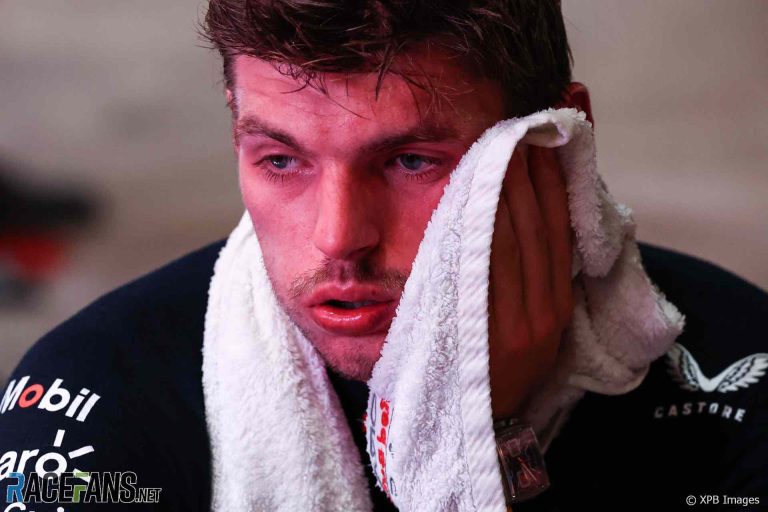
Drivers Complain Of Facing Unsafe Heat In Qatar
In the world of Formula 1, the drivers are no strangers to extreme conditions. From the blistering heat of Bahrain to the relentless rain at Silverstone, they have shown remarkable resilience in battling the elements. However, the 2023 Qatar Grand Prix brought a new level of challenge for the racers as they faced what can only be described as “torturous” heat.Qatar, with its desert landscapes and scorching temperatures, lived up to its reputation during the 2023 Grand Prix. With race-time temperatures hovering around 40°C (104°F), drivers had to combat not only their competitors but also the merciless desert sun.What made Qatar a racing inferno?The extreme conditions in Qatar were intensified by the high humidity and a distinct lack of wind, creating a situation that was not just uncomfortable but also potentially dangerous. The race unfolded in the unforgiving Qatari heat, subjecting the drivers to a series of grueling challenges. 1. Dehydration: Formula 1 drivers already lose a significant amount of fluid during a race due to intense sweating. In Qatar’s extreme heat and humidity, the rate of dehydration increased dramatically. Staying hydrated became a critical concern for the drivers, who had to replenish the fluids lost during the race. 2. Physical Exhaustion: Formula 1 racing is always physically demanding, but the extreme heat in Qatar pushed drivers to the limit. The intense conditions led to fatigue and reduced concentration levels, adding an element of risk to the high-speed competition. 3. Loss of Focus: The extreme heat had the potential to affect cognitive functions. Drivers reported slower reaction times and impaired decision-making, factors that are critical in a sport where every second counts. 4. Overheating Inside the Car: Formula 1 cockpits are already known for their sweltering temperatures. However, the extreme conditions in Qatar made them even more unbearable. Cockpit temperatures soared to levels that could be dangerous for the drivers.5. Tire Management: The scorching track temperatures posed a significant threat to tire integrity. High temperatures can cause tires to overheat and degrade rapidly, affecting both the car’s performance and potentially leading to unpredictable tire failures.Safety is paramount.Formula 1 is known for its rigorous safety protocols, with the well-being of drivers always taking precedence. Race organizers, teams, and the Fédération Internationale de l’Automobile (FIA) continuously monitor weather conditions and consider driver welfare during a race.Key safety measures include:1. Hydration: Drivers are strongly encouraged to remain hydrated both before and during the race. They often use specially designed hydration systems during pit stops to ensure they can maintain their fluid levels.2. Cooling Systems: Formula 1 cars are equipped with advanced cooling systems that help manage cockpit temperatures. These systems are crucial in preventing drivers from overheating during races.3. Medical Support: Every Formula 1 race features medical teams on standby, ready to provide immediate assistance in case of any heat-related issues. This is a crucial part of ensuring driver safety.4. Delaying or Canceling the Race: In extreme cases, races can be delayed or even canceled if weather conditions pose a significant risk to drivers’ safety.Learning from QatarThe extreme conditions encountered during the 2023 Qatar Grand Prix serve as a stark reminder of how environmental factors can significantly impact motorsport. Formula 1 must adapt to mitigate risks while still maintaining the excitement and spectacle of the sport.The lessons learned from the Qatar race will undoubtedly influence future decisions regarding extreme weather conditions in Formula 1. Driver safety remains the top priority, and striking a balance between the thrill of racing and the welfare of the drivers will be essential in adapting to changing climates and challenging environments.As Formula 1 continues to explore new locations and expand its reach, addressing concerns related to extreme weather conditions will be a top priority. The FIA, teams, and race organizers must work together to ensure that drivers are not exposed to unsafe conditions in the future. Qatar’s challenging conditions have set the stage for important discussions about driver safety and well-being in the evolving world of Formula 1.
Drivers Complain Of Facing Unsafe Heat In Qatar
In the world of Formula 1, the drivers are no strangers to extreme conditions. From the blistering heat of Bahrain to the relentless rain at Silverstone, they have shown remarkable resilience in battling the elements. However, the 2023 Qatar Grand Prix brought a new level of challenge for the racers as they faced what can only be described as “torturous” heat.Qatar, with its desert landscapes and scorching temperatures, lived up to its reputation during the 2023 Grand Prix. With race-time temperatures hovering around 40°C (104°F), drivers had to combat not only their competitors but also the merciless desert sun.What made Qatar a racing inferno?The extreme conditions in Qatar were intensified by the high humidity and a distinct lack of wind, creating a situation that was not just uncomfortable but also potentially dangerous. The race unfolded in the unforgiving Qatari heat, subjecting the drivers to a series of grueling challenges. 1. Dehydration: Formula 1 drivers already lose a significant amount of fluid during a race due to intense sweating. In Qatar’s extreme heat and humidity, the rate of dehydration increased dramatically. Staying hydrated became a critical concern for the drivers, who had to replenish the fluids lost during the race. 2. Physical Exhaustion: Formula 1 racing is always physically demanding, but the extreme heat in Qatar pushed drivers to the limit. The intense conditions led to fatigue and reduced concentration levels, adding an element of risk to the high-speed competition. 3. Loss of Focus: The extreme heat had the potential to affect cognitive functions. Drivers reported slower reaction times and impaired decision-making, factors that are critical in a sport where every second counts. 4. Overheating Inside the Car: Formula 1 cockpits are already known for their sweltering temperatures. However, the extreme conditions in Qatar made them even more unbearable. Cockpit temperatures soared to levels that could be dangerous for the drivers.5. Tire Management: The scorching track temperatures posed a significant threat to tire integrity. High temperatures can cause tires to overheat and degrade rapidly, affecting both the car’s performance and potentially leading to unpredictable tire failures.Safety is paramount.Formula 1 is known for its rigorous safety protocols, with the well-being of drivers always taking precedence. Race organizers, teams, and the Fédération Internationale de l’Automobile (FIA) continuously monitor weather conditions and consider driver welfare during a race.Key safety measures include:1. Hydration: Drivers are strongly encouraged to remain hydrated both before and during the race. They often use specially designed hydration systems during pit stops to ensure they can maintain their fluid levels.2. Cooling Systems: Formula 1 cars are equipped with advanced cooling systems that help manage cockpit temperatures. These systems are crucial in preventing drivers from overheating during races.3. Medical Support: Every Formula 1 race features medical teams on standby, ready to provide immediate assistance in case of any heat-related issues. This is a crucial part of ensuring driver safety.4. Delaying or Canceling the Race: In extreme cases, races can be delayed or even canceled if weather conditions pose a significant risk to drivers’ safety.Learning from QatarThe extreme conditions encountered during the 2023 Qatar Grand Prix serve as a stark reminder of how environmental factors can significantly impact motorsport. Formula 1 must adapt to mitigate risks while still maintaining the excitement and spectacle of the sport.The lessons learned from the Qatar race will undoubtedly influence future decisions regarding extreme weather conditions in Formula 1. Driver safety remains the top priority, and striking a balance between the thrill of racing and the welfare of the drivers will be essential in adapting to changing climates and challenging environments.As Formula 1 continues to explore new locations and expand its reach, addressing concerns related to extreme weather conditions will be a top priority. The FIA, teams, and race organizers must work together to ensure that drivers are not exposed to unsafe conditions in the future. Qatar’s challenging conditions have set the stage for important discussions about driver safety and well-being in the evolving world of Formula 1.
