
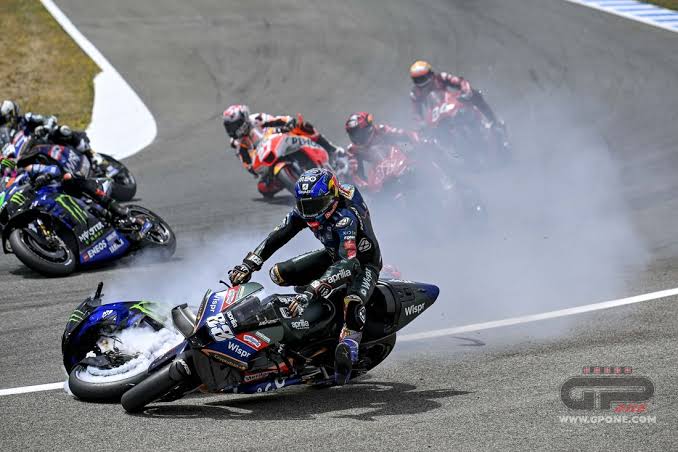
In the high-stakes worlds of Formula 1 and MotoGP, racers push the limits of speed and precision on some of the most demanding circuits worldwide. However, the pursuit of victory often comes with its share of risks and challenges, and injuries can be an unfortunate part of the journey. As the 2023 racing seasons unfold, we take a closer look at five racers who are currently battling injuries in both Formula 1 and MotoGP. 1. Daniel Ricciardo (Formula 1: McLaren) Australian driver Daniel Ricciardo, now part of the McLaren team, has had a challenging season. Soon after his return to Formula 1, he suffered several fractures in his left hand during a crash in qualifying at the Dutch Grand Prix. The complex hand injury required surgery, and since then, Ricciardo has been sidelined to allow for a proper recovery. As he targets a return to America later this month, the Australian driver’s absence has left fans and McLaren waiting for his triumphant return. 2. Marco Bezzecchi (MotoGP-Mooney VR46 Racing Team) In the world of MotoGP, Marco Bezzecchi’s 2023 season took an unfortunate turn when he crashed during practice at the Motor Ranch in Tavullia. This accident resulted in a broken right collarbone, which necessitated surgery. The Italian rider, who races for the Mooney VR46 Racing Team, has been engaged in a race against time to recover for the Indonesian Grand Prix. Marco Bezzecchi currently stands third in the championship standings with 265 points, and his fans are eagerly awaiting his comeback. 3. Luca Marini (MotoGP-Mooney VR46 Racing Team) Another rider from the Mooney VR46 Racing Team, Luca Marini, faced injury setbacks in the MotoGP season. During a sprint race at the Bharat GP, he collided with Bezzecchi, leading to a similar collarbone injury. Marini’s determination to return to the grid is admirable, but the timeline for his recovery is tight. With the Indonesian GP just around the corner, his readiness for the race remains uncertain. 4. Alex Marquez (MotoGP, Gresini Racing) Alex Marquez, who races for Gresini Racing, has had his share of injuries. During a sprint race incident at the Indian Grand Prix, he sustained three rib fractures in a collision. This forced him to sit out the Motegi weekend. Marquez is determined to make a comeback for the Indonesian Grand Prix, but the extent of his recovery progress will ultimately determine whether he can compete at the challenging Mandalika circuit. 5. Alex Rins (MotoGP-LCR Honda) Spanish rider Alex Rins, part of the LCR Honda team, has faced injury challenges for an extended period. His troubles began at the Mugello round in June, when he broke his right leg. After an attempt to return to Motegi, Rins faced significant pain during Friday’s practice sessions, which led to his withdrawal from the remainder of the weekend. His ongoing recovery journey remains a concern for his fans and the LCR Honda team. The question of whether Rins can regain full fitness in time for the Indonesian MotoGP lingers. These five racers in both Formula 1 and MotoGP exemplify the resilience and determination that define the spirit of motorsport. While injuries are an unfortunate reality in racing, the road to recovery is a testament to their unwavering dedication to their craft. As fans eagerly anticipate their return to the track, the worlds of Formula 1 and MotoGP will continue to witness the indomitable spirit of racers who persevere in the face of adversity. The roar of engines and the thrill of competition may be on hold for now, but there’s no doubt that these racers are working tirelessly to get back where they belong—on the racetrack, pushing the limits, and chasing victory.

Which Team Has The Highest Profit In 2023 In F1 & MotoGP?
In the high-octane world of motorsports, profitability often follows success on the track. With massive budgets, cutting-edge technology, and a global fan base, both Formula 1 and MotoGP are seen as premier motorsport categories. However, the financial side of theIn 2023, the question arises: which team is reaping the highest profits in both Formula 1 and MotoGP? Formula 1: Red Bull Racing Formula 1, the pinnacle of motorsport, has seen its fair share of dominating teams over the years. Red Bull Racing, under the leadership of Team Principal Christian Horner, has emerged as the leading profit earner in Formula 1 for 2023. In the world of Formula 1, profitability is often tied to race wins and championship titles. Red Bull Racing ticked all the boxes, breaking Mercedes’ impressive winning streak by securing the constructors’ championship in the previous season, and appears to be well on its way to retaining it in 2023. The Dutch sensation Max Verstappen, a two-time Formula 1 World Champion, has been a force to be reckoned with. Verstappen’s dominance in the 2023 season has been nothing short of spectacular, having clinched victory in 14 out of 17 races. His teammate, Sergio Pérez, added to the team’s success by securing two more wins in the season. Red Bull Racing’s commitment to excellence, investment in technology, and highly competitive driver lineup have propelled them to the forefront of profitability in Formula 1 for 2023. With Verstappen’s exemplary performance and a Constructors’ Championship in hand already, they’ve set a new standard in the sport. Max Verstappen’s two championship titles and his leading position in the 2023 driver standings have further solidified Red Bull Racing’s financial standing. The team’s financial success is not just due to race wins but also to the immense popularity of the Red Bull brand and their impressive marketing strategies. Red Bull Racing, led by Christian Horner, stands as a prime example of how on-track success can translate into financial profitability in the competitive world of Formula 1. MotoGP: Red Bull KTM Factory Racing While Formula 1 may be the pinnacle of car racing, MotoGP holds a unique and passionate fan base. Red Bull’s financial prowess extends to the world of motorcycle racing, and their team, Red Bull KTM Factory Racing, has taken the spotlight in terms of profitability in MotoGP for 2023. In MotoGP, it’s not just about the speed and agility of the riders but also about the precision engineering and teamwork that go into building and maintaining the motorcycles. Red Bull KTM Factory Racing’s performance in 2023 exemplifies a balance of all these elements. The team has consistently delivered strong results, making them one of the most profitable entities in the world of MotoGP. Red Bull’s investment in MotoGP is clear through their factory racing team, which competes at the highest level. Red Bull KTM Factory Racing has successfully showcased the power of teamwork, precision engineering, and determination in the fiercely competitive world of motorcycle racing. This year, they have managed to secure a high level of financial success, adding to their long list of achievements. Red Bull’s partnership with KTM in MotoGP has been fruitful, as the team continues to impress with their performances. The combination of exceptional riders, technical expertise, and unwavering dedication has led them to the pinnacle of profitability in the world of MotoGP. What makes these teams profitable? The success and profitability of Red Bull Racing in Formula 1 and Red Bull KTM Factory Racing in MotoGP can be attributed to several factors: 1. High-Performance Engineering: Both teams are known for their relentless pursuit of innovation and technical excellence, which contributes to race victories and attracts sponsors. 2. Talented Drivers/Riders: Having top-tier drivers like Max Verstappen in Formula 1 and skilled riders in MotoGP is a key factor in winning races, attracting fans, and securing sponsors. 3. Global Fan Base: Red Bull Racing and Red Bull KTM Factory Racing have a dedicated and expansive fan base, which contributes to merchandising sales and sponsor interest. 4. Sponsorship: Red Bull’s own brand and various other sponsorships provide a significant financial boost to these teams. 5. Marketing: Red Bull’s marketing strategies are second to none, and their presence in extreme sports and motorsports aligns with their branding, drawing in a global audience. 6. Consistency: Both teams have consistently delivered strong results, which is vital for profitability in motorsports. In 2023, Red Bull Racing and Red Bull KTM Factory Racing will have risen to the top of the financial ladder in Formula 1 and MotoGP, respectively. Their combination of technical excellence, talented drivers and riders, a massive fan base, strong sponsorships, and brilliant marketing strategies have propelled them to profitability. As these two teams continue to excel in their respective motorsport categories, it’s evident that their financial success will likely persist. The financial triumphs of Red Bull Racing and Red Bull KTM Factory Racing demonstrate that in the world of motorsports, winning isn’t just about crossing the finish line first; it’s also about crossing the finish line with a profitable balance sheet.

Reasons Why Marc Márquez’s Solo Press Conference In Indonesia Cancelled
In the world of MotoGP, nothing creates more buzz and excitement than a high-profile press conference. Fans and experts eagerly anticipate these events, where riders often make significant announcements about their future in the sport. However, the recent cancellation of Marc Márquez’s solo press conference at the Indonesian Grand Prix has left many wondering what led to this unexpected change. The initial expectation When the weekend program for the Indonesian Grand Prix was released, it took many by surprise. Instead of the typical format of one or two press conferences, there were three scheduled for the Thursday leading up to the race. What made this even more remarkable was the revelation that Marc Márquez, the seven-time MotoGP World Champion, would hold a solo press conference during this busy day. This unexpected arrangement fueled speculation in the MotoGP community that Márquez was poised to make a significant announcement regarding his future in the sport. All signs pointed to his highly anticipated move to the Gresini-Ducati team, which was the talk of the paddock. A Last-Minute Change However, just when the anticipation for Márquez’s solo press conference had reached its peak, the MotoGP world was hit with a last-minute change of plans. The three press conferences were reduced to the usual format of two groups, altering the expectations of fans and media alike. The first group, consisting of the championship leaders, featured Pecco Bagnaia, who currently tops the World Championship standings, and Jorge Martín, who holds the second position. Marco Bezzecchi was intended to be the third participant, but his recent collarbone surgery, performed in the wake of the Japanese GP, made it impossible for him to attend the press conference. The Missing Márquez In the second press conference group, Márquez’s name was conspicuously absent. This raised questions about what had led to the abrupt cancellation of his solo press conference. To make matters more intriguing, Márquez’s absence was not due to his own choice; instead, it was the result of Honda’s request to delay his future announcement until the end of the 2023 season. This decision added an extra layer of mystery and suspense to the story. Márquez’s departure from Honda after an 11-year partnership was already a significant development. Many wondered about his next destination in the world of MotoGP, but now, due to Honda’s request, the MotoGP community would have to wait a little longer for the big revelation. The Honda Factor Honda’s involvement in the decision to cancel Márquez’s solo press conference raised eyebrows. While the exact reasons behind Honda’s request remain undisclosed, there are several theories and speculations within the paddock. It’s worth noting that Honda has released Márquez from his contract for the 2024 season, which means he will not be riding for the Repsol Honda Team in the upcoming year. One theory suggests that Honda might be in the process of finalizing their plans for the 2024 season and did not want any premature announcements that could potentially disrupt the current team dynamic. Another possible reason could be that they are in the process of signing a new rider to replace Márquez, and they want to make that announcement at the right time. The Waiting Game For fans of MotoGP and followers of Márquez’s career, this waiting game only adds to the excitement and intrigue. The solo press conference was initially seen as the perfect opportunity for the Catalan rider to reveal his next career move, particularly regarding his switch to the Gresini-Ducati team. However, the change in plans has left fans hanging and curious about when and where Márquez’s future in the sport will be officially unveiled. In the world of professional motorcycle racing, even the most seasoned experts can’t predict all the twists and turns. The fluid nature of the sport often keeps fans on their toes, waiting for the next surprising development. As the Indonesian Grand Prix approaches and the rest of the season unfolds, the eyes of the MotoGP world remain firmly fixed on Marc Márquez, eager to learn about his future and see how this unexpected twist plays out in the world of motorsports. Márquez’s career has been filled with incredible moments and achievements, but the anticipation around his future is undoubtedly one of the most captivating chapters in his illustrious career. MotoGP fans around the world eagerly await the day when the Catalan rider finally steps up to the mic, ready to make his future plans known and unveil the next exciting journey in his racing career.

5 Racers Who Will Be Making Their Indonesian GP 2023 Debut
It’s always a momentous occasion when a MotoGP event takes place in a new location, and the first Indonesian MotoGP is no exception. The presence of experienced riders like Dani Pedrosa, Stefan Bradl, Michele Pirro, Alvaro Bautista, and Lorenzo Salvadori adds even more excitement to this historic event. 1. Dani Pedrosa As a retired and then comeback-maker MotoGP legend, Dani Pedrosa’s participation in the Indonesian MotoGP is sure to attract a lot of attention. Pedrosa spent his entire premier-class career with Honda, and now he’s involved with the KTM factory team as a test rider. His wealth of experience and insights can be invaluable for KTM, especially as they continue to develop their bikes and aim for podium finishes. 2. Stefan Bradl Stefan Bradl, another rider with deep ties to Honda, is a respected figure in the paddock. He often steps in for the Repsol Honda Team when Marc Marquez is injured. Bradl’s role as a test rider and his ability to adapt quickly to the MotoGP machinery will make him an asset at the Indonesian Grand Prix. He has the skills to make an impact if called upon during the race weekend. 3. Michele Pirro Michele Pirro is Ducati’s trusted test rider. His extensive knowledge of the Desmosedici GP machine and his experience in various conditions have made him a key figure in Ducati’s MotoGP program. When it comes to adapting to different tracks, weather conditions, and bike setups, Pirro’s expertise will be a valuable resource for the Ducati teams in Indonesia. 4. Alvaro Bautista Alvaro Bautista has had a successful career in both the Superbike World Championship and MotoGP. While he’s currently competing in the Superbike World Championship, his return to the MotoGP paddock for the Indonesian Grand Prix is an exciting prospect. Bautista’s experience in the premier class and his familiarity with various MotoGP bikes will make him an intriguing contender. 5. Lorenzo Salvadori Lorenzo Salvadori’s journey in MotoGP has seen him race for different teams, and he’s been part of the Aprilia Racing Team. His experience with different manufacturers will be valuable for him as he participates in the Indonesian Grand Prix. Salvadori’s adaptability and knowledge of various bikes can be beneficial for his performance in this new MotoGP location. The Indonesian MotoGP marks a significant step in the expansion of the championship to new regions, and the presence of these seasoned riders further enhances the event’s prestige. Their roles as test riders and stand-in riders in various teams make them crucial to the success of their respective manufacturers. As the inaugural Indonesian MotoGP unfolds, fans can look forward to thrilling racing action and the valuable insights these riders bring to their teams. The combined experience of Pedrosa, Bradl, Pirro, Bautista, and Salvadori will contribute to the overall success of the event and set the stage for potential surprises in this exciting new chapter of MotoGP history.
5 Players Who Are Likely To Renew Their MotoGP Deal
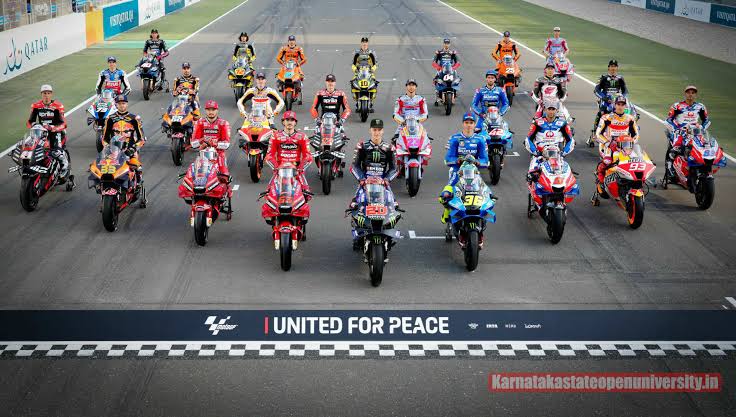
Renewing contracts in MotoGP is a common occurrence, and it’s an exciting time for fans and teams to see their favorite riders commit to another stint in the world’s premier motorcycle racing championship. Amid the dynamic world of rider transfers, there are five riders who are likely to renew their MotoGP deals, adding to the stability and anticipation of the upcoming seasons. 1. Aleix Espargaro (Aprilia Racing) Aleix Espargaro has found a home with the Aprilia Racing Team. The Spanish rider’s contract extends until the end of 2024, and it’s highly likely that he will continue with the team. Espargaro’s partnership with Aprilia has been fruitful, with both parties showing dedication to improving their results. Aleix Espargaro’s experience and consistency make him a valuable asset for the team as they strive for more competitiveness in MotoGP. 2. Brad Binder (Red Bull KTM Factory Racing) South African rider Brad Binder has been a rising star in MotoGP, and his current contract with Red Bull KTM Factory Racing runs until the end of 2024. With impressive performances and a deep understanding of the KTM bike, Binder is a strong candidate to renew his deal. His synergy with Jack Miller has contributed to KTM’s success, and the team is likely to retain this potent rider pairing for the foreseeable future. 3. Raul Fernandez (RNF MotoGP Team, Aprilia) One of the newcomers to MotoGP, Raul Fernandez, is racing with the RNF MotoGP Team, which fields Aprilia bikes. Fernandez’s contract also extends until the end of 2024, making it probable that he will continue with the team. The Spanish rider’s transition to the premier class has shown promise, and he is expected to play a pivotal role in Aprilia’s MotoGP ambitions. Fernandez’s impressive performances in his debut season have strengthened his position for contract renewal. 4. Augusto Fernandez (Tech3 GASGAS Factory Racing, KTM) Augusto Fernandez’s move to the Tech3 GASGAS Factory Racing team for the 2023 season came with a KTM contract that runs until the end of 2024. The Spanish rider’s promotion to the MotoGP category from Moto2 is exciting, and he’s likely to remain with the team for the next season as well. Teaming up with fellow rookie Pedro Acosta, Fernandez’s development in the premier class will be a fascinating storyline to follow. 5. Luca Marini (Mooney VR46 Racing Team, Ducati) Luca Marini’s MotoGP journey with the Mooney VR46 Racing Team has showcased his potential, and his contract is set to last until the end of 2024. As a part of Valentino Rossi’s VR46 project, Marini’s commitment to the team’s vision makes it probable that he will renew his contract. The team’s association with Ducati further solidifies Marini’s future, and his growth in the premier class will be a significant factor in determining his decision. While these riders are likely to renew their MotoGP deals, the world of motorcycle racing is unpredictable. Rider movements, team changes, and contract negotiations can always introduce surprises. Fans eagerly anticipate official announcements regarding contract renewals, as they offer insights into the future landscape of MotoGP and the dynamic nature of the sport. In the world of MotoGP, contractual decisions are influenced by a combination of performance, rider preferences, and team strategies. As these five riders contemplate their contract extensions, the potential for exciting racing and thrilling battles in the coming seasons remains high. MotoGP fans can look forward to witnessing these riders’ journeys as they continue to leave their mark on the sport.

All The Circuits In The History Of Formula 1
Covering the vast history of Formula 1 racing is no small task. With a legacy spanning over seven decades, the sport has witnessed countless evolutions, controversies, and triumphant moments. While the focus is often on the drivers and teams, the venues where these iconic battles take place are equally essential to the narrative. From classic circuits with a rich heritage to modern street circuits set against stunning cityscapes, Formula 1’s journey through time has been nothing short of extraordinary. The Origins: A Glimpse into History Formula 1, initially known as Formula A, made its official debut in 1950. The inaugural season featured a total of seven races, with the majority of them taking place in Europe. The first-ever race was held at the Silverstone Circuit in the United Kingdom, setting the stage for a legendary journey. Throughout its history, Formula 1 has seen circuits come and go, with new tracks emerging and classic venues disappearing from the calendar. The Early Years: European Dominance The early years of Formula 1 were marked by the prominence of European circuits. Iconic tracks like Monza in Italy, Spa-Francorchamps in Belgium, and Monaco’s famous street circuit have been part of the sport’s fabric since its inception. Each of these venues has its own unique charm and challenging characteristics, attracting racing enthusiasts from all over the world. “Monza: The Temple of Speed” Monza, known as the “Temple of Speed,” has been a staple in the Formula 1 calendar. This historic Italian circuit is synonymous with high-speed duels and memorable moments. The old banking, although no longer part of the Grand Prix layout, remains an enduring symbol of the sport’s heritage. Spa-Francorchamps: Eau Rouge’s Challenge Belgium’s Spa-Francorchamps circuit is renowned for its unpredictable weather and the daunting Eau Rouge corner. Drivers face a mix of heavy rain and bright sunshine, making it a favorite among fans and racers alike. It’s a place where legends like Ayrton Senna and Michael Schumacher showcased their skills. The Glitz and Glamour: Street Circuits In the 1970s, Formula 1 introduced the concept of street circuits, adding a touch of glamour and excitement to the sport. Monte Carlo’s Monaco Grand Prix is the most iconic of these. The narrow, winding streets of the principality offer little room for error and a taste of high-society life during the race weekend. Jerez and Beyond: Spain’s F1 Adventure** Spain has its share of Formula 1 history, with Jerez de la Frontera hosting several Grand Prix events in the late ’80s and early ’90s. While Jerez is no longer on the calendar, Spain continues to be represented by the Circuit de Barcelona-Catalunya. This circuit has become a hub for pre-season testing, where teams unveil their new cars and drivers prepare for the challenges ahead. Nürburgring: The Green Hell Few circuits command as much respect as the Nürburgring Nordschleife, often referred to as the “Green Hell.” While the Grand Prix layout is now the primary choice for Formula 1 races in Germany, the Nordschleife holds a special place in motorsport folklore. The likes of Sir Jackie Stewart tackled this treacherous circuit, showcasing their fearlessness. The Newcomers: Expanding Horizons The addition of new circuits to the Formula 1 calendar represents the sport’s constant desire for global expansion. Istanbul Park in Turkey, Jeddah Corniche Circuit in Saudi Arabia, and the Miami International Autodrome in the United States are recent examples of this drives. These venues bring a fresh look to the championship, attracting both fans and critics. Evolving and Adapting: F1’s Future The history of Formula 1 circuits is a story of evolution and adaptation. Tracks like Silverstone and Suzuka have undergone changes to meet modern safety standards and keep racing exciting. Meanwhile, new venues are designed to challenge drivers and entertain spectators, ensuring the sport’s future remains vibrant.Conclusion: A Legendary Legacy From the historic circuits of Europe to the glittering street circuits of modern metropolises, Formula 1’s journey through the years is a testament to its endurance. The sport’s rich tapestry of tracks has contributed to some of the most thrilling and unforgettable moments in motorsport history.As Formula 1 continues to embrace new challenges and adventures, the circuit will always be at its heart, preserving its legacy for generations to come.
All The Circuits In The History Of Formula 1
Covering the vast history of Formula 1 racing is no small task. With a legacy spanning over seven decades, the sport has witnessed countless evolutions, controversies, and triumphant moments. While the focus is often on the drivers and teams, the venues where these iconic battles take place are equally essential to the narrative. From classic circuits with a rich heritage to modern street circuits set against stunning cityscapes, Formula 1’s journey through time has been nothing short of extraordinary. The Origins: A Glimpse into History Formula 1, initially known as Formula A, made its official debut in 1950. The inaugural season featured a total of seven races, with the majority of them taking place in Europe. The first-ever race was held at the Silverstone Circuit in the United Kingdom, setting the stage for a legendary journey. Throughout its history, Formula 1 has seen circuits come and go, with new tracks emerging and classic venues disappearing from the calendar. The Early Years: European Dominance The early years of Formula 1 were marked by the prominence of European circuits. Iconic tracks like Monza in Italy, Spa-Francorchamps in Belgium, and Monaco’s famous street circuit have been part of the sport’s fabric since its inception. Each of these venues has its own unique charm and challenging characteristics, attracting racing enthusiasts from all over the world. “Monza: The Temple of Speed” Monza, known as the “Temple of Speed,” has been a staple in the Formula 1 calendar. This historic Italian circuit is synonymous with high-speed duels and memorable moments. The old banking, although no longer part of the Grand Prix layout, remains an enduring symbol of the sport’s heritage. Spa-Francorchamps: Eau Rouge’s Challenge Belgium’s Spa-Francorchamps circuit is renowned for its unpredictable weather and the daunting Eau Rouge corner. Drivers face a mix of heavy rain and bright sunshine, making it a favorite among fans and racers alike. It’s a place where legends like Ayrton Senna and Michael Schumacher showcased their skills. The Glitz and Glamour: Street Circuits In the 1970s, Formula 1 introduced the concept of street circuits, adding a touch of glamour and excitement to the sport. Monte Carlo’s Monaco Grand Prix is the most iconic of these. The narrow, winding streets of the principality offer little room for error and a taste of high-society life during the race weekend. Jerez and Beyond: Spain’s F1 Adventure** Spain has its share of Formula 1 history, with Jerez de la Frontera hosting several Grand Prix events in the late ’80s and early ’90s. While Jerez is no longer on the calendar, Spain continues to be represented by the Circuit de Barcelona-Catalunya. This circuit has become a hub for pre-season testing, where teams unveil their new cars and drivers prepare for the challenges ahead. Nürburgring: The Green Hell Few circuits command as much respect as the Nürburgring Nordschleife, often referred to as the “Green Hell.” While the Grand Prix layout is now the primary choice for Formula 1 races in Germany, the Nordschleife holds a special place in motorsport folklore. The likes of Sir Jackie Stewart tackled this treacherous circuit, showcasing their fearlessness. The Newcomers: Expanding Horizons The addition of new circuits to the Formula 1 calendar represents the sport’s constant desire for global expansion. Istanbul Park in Turkey, Jeddah Corniche Circuit in Saudi Arabia, and the Miami International Autodrome in the United States are recent examples of this drives. These venues bring a fresh look to the championship, attracting both fans and critics. Evolving and Adapting: F1’s Future The history of Formula 1 circuits is a story of evolution and adaptation. Tracks like Silverstone and Suzuka have undergone changes to meet modern safety standards and keep racing exciting. Meanwhile, new venues are designed to challenge drivers and entertain spectators, ensuring the sport’s future remains vibrant.Conclusion: A Legendary Legacy From the historic circuits of Europe to the glittering street circuits of modern metropolises, Formula 1’s journey through the years is a testament to its endurance. The sport’s rich tapestry of tracks has contributed to some of the most thrilling and unforgettable moments in motorsport history.As Formula 1 continues to embrace new challenges and adventures, the circuit will always be at its heart, preserving its legacy for generations to come.
What’s Next For Max Verstappen After Winning The World Championship
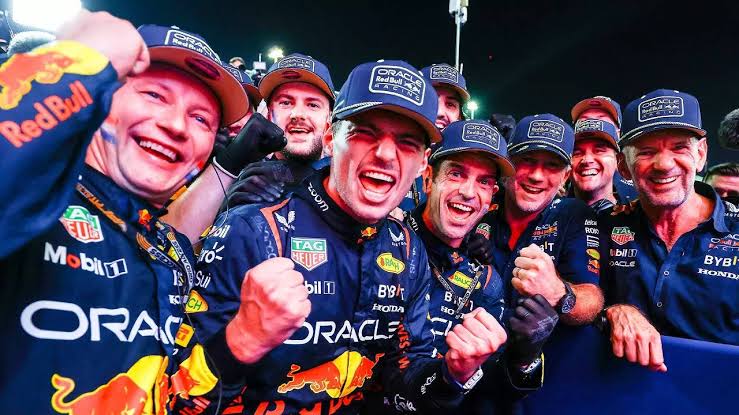
Max Verstappen’s journey to Formula 1 stardom reached its zenith when he clinched the 2023 Formula 1 World Championship, his third, and that too on a ŕow. His hat-trick at the pinnacle of motorsport marked a turning point in his career, but it’s also the beginning of a new chapter filled with challenges, opportunities, and a quest for further glory. So, what’s next for Max Verstappen after winning the World Championship? 1. Defending the Title: The Pursuit of Consistency Verstappen’s primary focus for the next season will undoubtedly be defending his hard-earned title. In Formula 1, maintaining the consistency required to win multiple championships is no small feat. As the reigning champion, the target on his back will be even larger, with rival teams and drivers intensifying their efforts to dethrone him. Red Bull Racing, his team, will need to provide him with a competitive car, and Verstappen’s task will be to deliver consistently strong performances throughout the season. 2. Racing Records: The Quest for Immortality Every great Formula 1 driver aims to etch their name in the history books. Verstappen is no exception. He will be chasing down the records of legends like Michael Schumacher, who holds the record for the most World Championships (7), and Lewis Hamilton (7). While it’s a formidable task, Verstappen’s youth, talent, and dedication make it plausible. He’ll also be looking to challenge Lewis Hamilton’s records for race wins and pole positions. 3. The Hamilton Rivalry: Continuing a Classic Showdown The Max Verstappen vs. Lewis Hamilton rivalry has become one of the most iconic duels in Formula 1 history. Their battles on the track, both intense and respectful, have thrilled fans around the world. The rivalry is far from over. Verstappen and Hamilton, at the peaks of their careers, will continue to push each other to the limits, providing fans with breathtaking action. It’s a rivalry that’s reinvigorated the sport and made it more engaging than ever. 4. Contract Negotiations: A Decisive Crossroad Verstappen’s current contract with Red Bull Racing may be nearing its end. Contract negotiations will be a pivotal point of discussion in the coming seasons. He could choose to extend his commitment to Red Bull or explore opportunities with other top teams. His decision will significantly influence his career trajectory. 5. Development as a Driver: The Never-Ending Journey While Verstappen has achieved the highest accolade in Formula 1, his journey as a driver continues. He will aim to perfect his skills, sharpen his racecraft, and minimize errors. As he matures both on and off the track, we can expect to see a more refined and versatile Verstappen. His dedication to personal growth as a driver will be vital in maintaining his status as one of the sport’s elites. 6. Expanding His Brand: Capitalizing on Success Winning the World Championship elevates a driver’s personal brand and marketability. Verstappen, who is already known for his charismatic personality, will likely capitalize on his success. This could include endorsements, merchandising, and other business ventures. His marketability will only grow as he continues to shine in Formula 1. 7. Inspiring Dutch Motorsport: A National Icon Verstappen’s success has ignited a motorsport frenzy in the Netherlands. He’ll continue to be an ambassador for Dutch racing, inspiring and nurturing the next generation of racing talent. The Max Verstappen boom in his home country is far from over. 8. Pursuit of Other Motorsport Challenges: Expanding Horizons While Formula 1 is his primary focus, Verstappen may explore other motorsport disciplines. Many top F1 drivers have ventured into endurance racing, rallycross, or even tried their luck in the Indianapolis 500. These diversions can bring fresh challenges and broaden his motorsport horizons. 9. Legacy: Shaping a Lasting Impact Verstappen has the potential to leave a lasting legacy in Formula 1. His legacy is not just defined by the number of championships but also by how he shapes the sport’s future. His contributions, both on and off the track, will influence the next generation of drivers and fans. 10. Family Support: The Backbone of Success The Verstappen family, particularly his father, Jos Verstappen, has played a pivotal role in his journey. Their unwavering support and guidance will continue to be crucial as Max navigates the intricacies of staying at the top of Formula 1. He has also gotten intense support from his partner, Nelly Piquet, the daughter of Brazilian Formula 1 great Nelson Piquet, and her daughter. In conclusion, Max Verstappen’s conquest of the World Championship is the realization of a lifelong dream, but it’s also the launchpad for future triumphs. Defending his title, chasing records, and maintaining his rivalry with Hamilton will be key plotlines in his narrative. Contract negotiations and personal growth as a driver and brand will also be crucial. Moreover, Verstappen’s influence extends beyond the track, shaping the sport and inspiring a new generation. The road ahead is filled with opportunities, and Max Verstappen’s quest for greatness shows no signs of slowing down.
What’s Next For Max Verstappen After Winning The World Championship
Max Verstappen’s journey to Formula 1 stardom reached its zenith when he clinched the 2023 Formula 1 World Championship, his third, and that too on a ŕow. His hat-trick at the pinnacle of motorsport marked a turning point in his career, but it’s also the beginning of a new chapter filled with challenges, opportunities, and a quest for further glory. So, what’s next for Max Verstappen after winning the World Championship? 1. Defending the Title: The Pursuit of Consistency Verstappen’s primary focus for the next season will undoubtedly be defending his hard-earned title. In Formula 1, maintaining the consistency required to win multiple championships is no small feat. As the reigning champion, the target on his back will be even larger, with rival teams and drivers intensifying their efforts to dethrone him. Red Bull Racing, his team, will need to provide him with a competitive car, and Verstappen’s task will be to deliver consistently strong performances throughout the season. 2. Racing Records: The Quest for Immortality Every great Formula 1 driver aims to etch their name in the history books. Verstappen is no exception. He will be chasing down the records of legends like Michael Schumacher, who holds the record for the most World Championships (7), and Lewis Hamilton (7). While it’s a formidable task, Verstappen’s youth, talent, and dedication make it plausible. He’ll also be looking to challenge Lewis Hamilton’s records for race wins and pole positions. 3. The Hamilton Rivalry: Continuing a Classic Showdown The Max Verstappen vs. Lewis Hamilton rivalry has become one of the most iconic duels in Formula 1 history. Their battles on the track, both intense and respectful, have thrilled fans around the world. The rivalry is far from over. Verstappen and Hamilton, at the peaks of their careers, will continue to push each other to the limits, providing fans with breathtaking action. It’s a rivalry that’s reinvigorated the sport and made it more engaging than ever. 4. Contract Negotiations: A Decisive Crossroad Verstappen’s current contract with Red Bull Racing may be nearing its end. Contract negotiations will be a pivotal point of discussion in the coming seasons. He could choose to extend his commitment to Red Bull or explore opportunities with other top teams. His decision will significantly influence his career trajectory. 5. Development as a Driver: The Never-Ending Journey While Verstappen has achieved the highest accolade in Formula 1, his journey as a driver continues. He will aim to perfect his skills, sharpen his racecraft, and minimize errors. As he matures both on and off the track, we can expect to see a more refined and versatile Verstappen. His dedication to personal growth as a driver will be vital in maintaining his status as one of the sport’s elites. 6. Expanding His Brand: Capitalizing on Success Winning the World Championship elevates a driver’s personal brand and marketability. Verstappen, who is already known for his charismatic personality, will likely capitalize on his success. This could include endorsements, merchandising, and other business ventures. His marketability will only grow as he continues to shine in Formula 1. 7. Inspiring Dutch Motorsport: A National Icon Verstappen’s success has ignited a motorsport frenzy in the Netherlands. He’ll continue to be an ambassador for Dutch racing, inspiring and nurturing the next generation of racing talent. The Max Verstappen boom in his home country is far from over. 8. Pursuit of Other Motorsport Challenges: Expanding Horizons While Formula 1 is his primary focus, Verstappen may explore other motorsport disciplines. Many top F1 drivers have ventured into endurance racing, rallycross, or even tried their luck in the Indianapolis 500. These diversions can bring fresh challenges and broaden his motorsport horizons. 9. Legacy: Shaping a Lasting Impact Verstappen has the potential to leave a lasting legacy in Formula 1. His legacy is not just defined by the number of championships but also by how he shapes the sport’s future. His contributions, both on and off the track, will influence the next generation of drivers and fans. 10. Family Support: The Backbone of Success The Verstappen family, particularly his father, Jos Verstappen, has played a pivotal role in his journey. Their unwavering support and guidance will continue to be crucial as Max navigates the intricacies of staying at the top of Formula 1. He has also gotten intense support from his partner, Nelly Piquet, the daughter of Brazilian Formula 1 great Nelson Piquet, and her daughter. In conclusion, Max Verstappen’s conquest of the World Championship is the realization of a lifelong dream, but it’s also the launchpad for future triumphs. Defending his title, chasing records, and maintaining his rivalry with Hamilton will be key plotlines in his narrative. Contract negotiations and personal growth as a driver and brand will also be crucial. Moreover, Verstappen’s influence extends beyond the track, shaping the sport and inspiring a new generation. The road ahead is filled with opportunities, and Max Verstappen’s quest for greatness shows no signs of slowing down.
10 Most Hottest(Temperature) Wise Races In F1 History
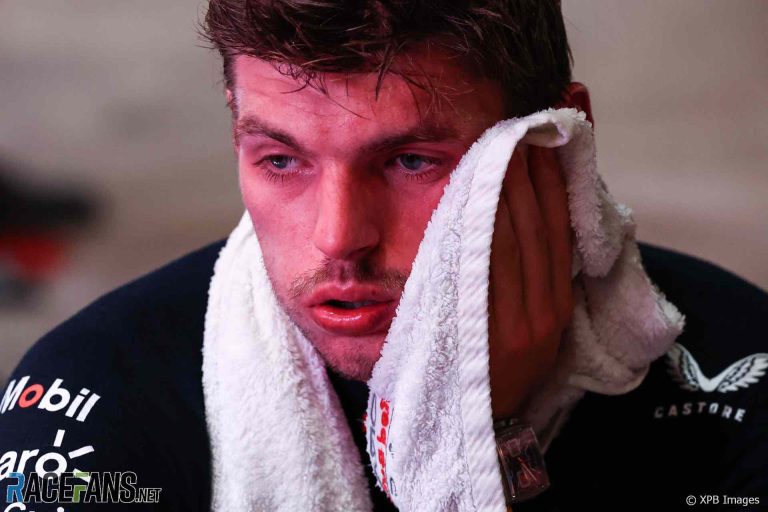
Formula 1 is known for its high-speed thrills and dramatic moments on the track, but sometimes the elements add an extra layer of complexity to the sport. While the drivers are accustomed to racing in various weather conditions, extreme heat can push both man and machine to the limit. Over the years, there have been races that stand out as some of the hottest in F1 history. Here, we take a closer look at the scorching races that tested the mettle of F1’s finest. 1. Bahrain 2005 The Bahrain Grand Prix in 2005 takes the top spot for one of the hottest races in F1 history. With air temperatures soaring to 41°C (106°F) and track temperatures even higher at 51°C (124°F), the drivers found themselves racing in a literal furnace. The conditions proved to be so severe that many drivers, including the legendary Fernando Alonso, experienced severe heat-related issues. It was a brutal day in the desert. 2. Bahrain 2009 While Bahrain in 2005 was exceptionally hot, the 2009 race wasn’t far behind in terms of extreme temperatures. The race took place toward the end of the month, but the air temperatures still reached a blistering 41°C (106°F). The drivers grappled with the heat as they raced around the challenging Bahrain International Circuit. 3. Dallas, 1984 The 1984 Dallas Grand Prix remains etched in F1 history, not for the stunning racing but for the punishing heat. The race saw air temperatures reach 41°C (106°F), but what made it even more unbearable was the track temperature, which surged to an unbelievable 65°C (150°F). The heat took a severe toll on the track itself, causing it to break apart and leaving the drivers exhausted and drained. 4. Malaysia 2004 Malaysia is known for its sweltering conditions, and the 2004 Malaysian Grand Prix was no exception. In March, air temperatures soared to 38°C (100°F), while track temperatures reached 53°C (127°F). The humidity and the challenging Sepang circuit added to the drivers’ discomfort. It’s no surprise that this race is remembered for the incredible physical demands it placed on the drivers. 5. India 2013 The 2013 Indian Grand Prix wasn’t just a test of skill but also of endurance. Held in late October, the air temperatures climbed to a scorching 38°C (100°F), making it one of the hottest races in Formula 1. The high heat and intense humidity pushed drivers and their machines to their limits on the Buddh International Circuit. 6. Singapore 2015 While Singapore is famous for its night races, the high humidity and hot temperatures can still take a toll on the drivers. In 2015, air temperatures reached a stifling 34°C (93°F). Despite the race taking place in the evening to avoid the worst of the heat, the high humidity combined with the demanding street circuit made it a challenging race for all involved. 7. Hungary 2007 Hungary in the summer can be brutally hot, and the 2007 Hungarian Grand Prix was no exception. The air temperatures reached 34°C (93°F), and the drivers found themselves sweating profusely during the race. The challenging Hungaroring added to the difficulty of racing in the high heat. 8. Singapore 2008 Another entry from the Singapore Grand Prix makes the list. In 2008, the race saw air temperatures climb to 33°C (91°F), coupled with oppressive humidity. The street circuit’s layout makes overtaking challenging, which added to the physical stress on the drivers. 9. Valencia 2012 The Valencia Street Circuit isn’t known for being an easy track, and the 2012 European Grand Prix proved particularly taxing. The race took place in late June, with air temperatures reaching 32°C (90°F). The heat, combined with the challenging track, pushed the drivers to their limits. 10. Australia 2008 The Australian Grand Prix is usually associated with changeable weather, but in 2008, the race weekend was exceptionally hot. During the race, air temperatures reached 32°C (90°F), which, coupled with the demands of the Albert Park circuit, made it a physically grueling race for the drivers. These races serve as a reminder of the physical and mental strength required to compete at the highest level in Formula 1. While F1 drivers are well-prepared to cope with a wide range of conditions, extreme heat adds an extra layer of challenge to the sport. Racing in such punishing temperatures demands unwavering focus, physical endurance, and the ability to keep cool under immense pressure. As Formula 1 continues to evolve, the impact of weather conditions on races will remain a fascinating aspect of the sport. Drivers, teams, and the sport’s governing body must find ways to ensure the safety and well-being of competitors in extreme conditions, ensuring that no race becomes too hot to handle.
