

The 2023 Formula 1 season has been nothing short of extraordinary, and Max Verstappen, the Dutch sensation driving for Red Bull Racing, stands on the verge of making history. With a commanding 177-point lead over his nearest rival, Sergio Perez, Verstappen’s quest to secure his third consecutive F1 World Championship title has captured the imagination of motorsport enthusiasts around the globe. As the F1 circus descends upon the Lusail International Circuit in Qatar for the next showdown, Verstappen has multiple strategic paths to clinch the title. Let’s explore three key ways in which Max Verstappen can achieve the coveted championship in Qatar. 1. Sprint Race Showdown: Capitalizing on Speed and ConsistencyThe Saturday sprint race at the Qatar Grand Prix presents Max Verstappen with an excellent opportunity to cement his championship lead and secure the title. This 100-kilometer dash format has been favorable to Verstappen throughout the season, and history suggests that he can continue his dominance in this unique format.Verstappen’s first strategic path to the championship involves maintaining his impressive form and securing a finish of sixth place or higher in the sprint race. This scenario, while seemingly straightforward, requires unwavering focus and composure under the intense spotlight of the F1 world. While Verstappen’s Red Bull Racing Team has provided him with a competitive car, it is his exceptional racecraft, calculated aggression, and consistent performances that have set him apart from his competitors. If he can replicate these qualities in the sprint race in Qatar, he will be just one step away from becoming the world champion once again. 2. Title Without Scoring Points: Relying on Perez’s PerformanceVerstappen’s dominance in the championship race is such that he could secure the title without adding any more points to his tally. This intriguing scenario hinges on the performance of his teammate, Sergio Perez, and their closest competitors.If Perez finishes fourth or lower in the sprint race, Verstappen will be crowned champion, regardless of his own position. This situation underscores the significant lead Verstappen has built throughout the season and the dwindling possibilities for his rivals to close the gap.While this path might seem less conventional, it emphasizes Verstappen’s exceptional consistency and the commanding position he has established in the championship race. It also highlights the critical role teamwork and collaboration play in Formula 1, as Perez’s performance can directly impact Verstappen’s title aspirations. 3. Verstappen’s Unyielding Focus and Determination: Securing the CrownAbove all strategic considerations and scenarios, Max Verstappen’s unwavering focus and determination are his most potent weapons in the quest for the 2023 F1 World Championship. Verstappen’s journey to this historic moment in his career is a testament to his innate talent, raw determination, and relentless pursuit of excellence.The Dutch sensation has displayed a remarkable ability to maintain peak performance levels throughout the season, even in the face of adversity. His resilience was evident in his comeback from a mysterious drop in performance during the Singapore Grand Prix, where he missed the podium for the first time in 2023.Verstappen’s journey in Formula 1 serves as an inspiration to aspiring racers worldwide. From his early days as a prodigious talent to his current status as a triple world champion, his path has been meteoric. It is a story of talent honed by dedication, supported by a world-class team, and fueled by an unyielding desire to succeed. The Legacy of Max VerstappenIf Max Verstappen clinches the 2023 F1 World Championship in Qatar, he will etch his name alongside Formula 1’s greatest legends. He will join the exclusive club of drivers who have won three consecutive championships, a list that includes Juan Manuel Fangio, Michael Schumacher, Sebastian Vettel, and Lewis Hamilton.Verstappen’s legacy in the sport is secure, and his influence on the future of Formula 1 is undeniable. His remarkable journey to potential championship glory underscores the dynamic and captivating nature of motorsport. As fans eagerly anticipate the Qatar Grand Prix and the sprint race showdown, they witness the culmination of a season defined by Max Verstappen’s excellence.In conclusion, Max Verstappen’s quest for the 2023 F1 World Championship in Qatar is a testament to his talent, consistency, and determination. Whether through sprint race dominance, strategic reliance on teammate Perez, or sheer focus and skill, Verstappen’s path to the championship is multifaceted. As the racing world watches in anticipation, one thing is certain: Max Verstappen is on the cusp of history, and his journey embodies the spirit of Formula 1.
3 Ways That Can Make Max Verstappen World Champion In F1 Qatar 2023
The 2023 Formula 1 season has been nothing short of extraordinary, and Max Verstappen, the Dutch sensation driving for Red Bull Racing, stands on the verge of making history. With a commanding 177-point lead over his nearest rival, Sergio Perez, Verstappen’s quest to secure his third consecutive F1 World Championship title has captured the imagination of motorsport enthusiasts around the globe. As the F1 circus descends upon the Lusail International Circuit in Qatar for the next showdown, Verstappen has multiple strategic paths to clinch the title. Let’s explore three key ways in which Max Verstappen can achieve the coveted championship in Qatar. 1. Sprint Race Showdown: Capitalizing on Speed and ConsistencyThe Saturday sprint race at the Qatar Grand Prix presents Max Verstappen with an excellent opportunity to cement his championship lead and secure the title. This 100-kilometer dash format has been favorable to Verstappen throughout the season, and history suggests that he can continue his dominance in this unique format.Verstappen’s first strategic path to the championship involves maintaining his impressive form and securing a finish of sixth place or higher in the sprint race. This scenario, while seemingly straightforward, requires unwavering focus and composure under the intense spotlight of the F1 world. While Verstappen’s Red Bull Racing Team has provided him with a competitive car, it is his exceptional racecraft, calculated aggression, and consistent performances that have set him apart from his competitors. If he can replicate these qualities in the sprint race in Qatar, he will be just one step away from becoming the world champion once again. 2. Title Without Scoring Points: Relying on Perez’s PerformanceVerstappen’s dominance in the championship race is such that he could secure the title without adding any more points to his tally. This intriguing scenario hinges on the performance of his teammate, Sergio Perez, and their closest competitors.If Perez finishes fourth or lower in the sprint race, Verstappen will be crowned champion, regardless of his own position. This situation underscores the significant lead Verstappen has built throughout the season and the dwindling possibilities for his rivals to close the gap.While this path might seem less conventional, it emphasizes Verstappen’s exceptional consistency and the commanding position he has established in the championship race. It also highlights the critical role teamwork and collaboration play in Formula 1, as Perez’s performance can directly impact Verstappen’s title aspirations. 3. Verstappen’s Unyielding Focus and Determination: Securing the CrownAbove all strategic considerations and scenarios, Max Verstappen’s unwavering focus and determination are his most potent weapons in the quest for the 2023 F1 World Championship. Verstappen’s journey to this historic moment in his career is a testament to his innate talent, raw determination, and relentless pursuit of excellence.The Dutch sensation has displayed a remarkable ability to maintain peak performance levels throughout the season, even in the face of adversity. His resilience was evident in his comeback from a mysterious drop in performance during the Singapore Grand Prix, where he missed the podium for the first time in 2023.Verstappen’s journey in Formula 1 serves as an inspiration to aspiring racers worldwide. From his early days as a prodigious talent to his current status as a triple world champion, his path has been meteoric. It is a story of talent honed by dedication, supported by a world-class team, and fueled by an unyielding desire to succeed. The Legacy of Max VerstappenIf Max Verstappen clinches the 2023 F1 World Championship in Qatar, he will etch his name alongside Formula 1’s greatest legends. He will join the exclusive club of drivers who have won three consecutive championships, a list that includes Juan Manuel Fangio, Michael Schumacher, Sebastian Vettel, and Lewis Hamilton.Verstappen’s legacy in the sport is secure, and his influence on the future of Formula 1 is undeniable. His remarkable journey to potential championship glory underscores the dynamic and captivating nature of motorsport. As fans eagerly anticipate the Qatar Grand Prix and the sprint race showdown, they witness the culmination of a season defined by Max Verstappen’s excellence.In conclusion, Max Verstappen’s quest for the 2023 F1 World Championship in Qatar is a testament to his talent, consistency, and determination. Whether through sprint race dominance, strategic reliance on teammate Perez, or sheer focus and skill, Verstappen’s path to the championship is multifaceted. As the racing world watches in anticipation, one thing is certain: Max Verstappen is on the cusp of history, and his journey embodies the spirit of Formula 1.
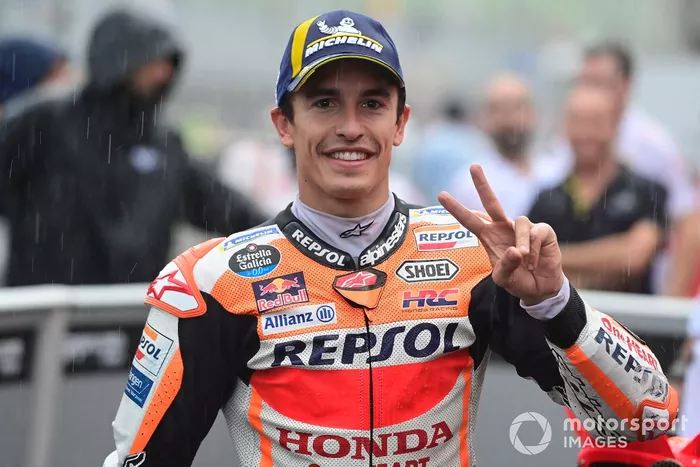
Why Márquez’s Departure Is The Least Problem For Honda MotoGP
The world of MotoGP was rocked by the recent announcement of Marc Márquez’s departure from Honda at the end of the season. The six-time MotoGP World Champion’s decision to leave the team that has been synonymous with his career left fans and pundits stunned. While the prospect of Márquez donning different colors is a significant storyline, it’s crucial to recognize that his departure is, in many ways, the least of Honda’s problems in the current MotoGP landscape. At first glance, losing a rider of Márquez’s caliber is undoubtedly a significant blow for Honda. After all, he has been the face of the team, a relentless force on the track, and a dominant figure in the sport. However, beneath the surface, Márquez’s exit is merely a symptom of more profound issues plaguing Honda’s MotoGP efforts. Honda’s Cultural Conundrum One of the fundamental problems within Honda’s MotoGP division is its resistance to change. The Japanese manufacturer has a storied history in the sport, and its ethos has long been built on a particular way of doing things. This approach has brought them success in the past, but in today’s rapidly evolving MotoGP landscape, it’s proving to be a hindrance.Marc Márquez’s departure is emblematic of this cultural conundrum. He is a rider who thrives on challenges and possesses an innate ability to adapt to changing circumstances. Yet, his departure signifies not just a rider seeking new horizons but an inability on Honda’s part to adapt to his needs and the evolving demands of the sport. The Alex Rins Parallel To gain a deeper understanding of Honda’s issues, one need not look further than Alex Rins, another talented rider who felt mistreated by the manufacturer. Rins, who now competes for Suzuki, was once part of Honda’s fold. However, his departure from the team was far from amicable.If not for the discontent Rins experienced at Honda, he could have been a prime candidate for replacing Márquez. The situation serves as a stark reminder of the problems within Honda’s MotoGP division. Riders, no matter how skilled, need to feel valued and supported by their team. When they sense mistreatment or a lack of cooperation, they look elsewhere for opportunities to excel.The unwillingness to adaptThe world of MotoGP is changing, and European manufacturers are currently at the forefront of innovation and adaptation. The shift toward a more sustainable and environmentally responsible approach to racing is evident, and it requires not just talented riders but forward-thinking teams.Honda’s reluctance to embrace this shift is a clear impediment to their success. The dominance of European manufacturers, particularly Ducati and Yamaha, in recent seasons underscores the importance of innovation and adaptability. These teams have capitalized on advancements in technology, aerodynamics, and rider support, all while maintaining a strong rapport with their riders. Márquez’s Desire for a New Challenge Márquez’s departure from Honda is undoubtedly a bold move. Leaving behind an established powerhouse to join a satellite team with a presumably older Ducati machine speaks volumes about his thirst for new challenges. It’s a testament to his character, a rider who isn’t content with merely winning but seeks to conquer new frontiers.His decision serves as a reflection of his frustrations with Honda’s inability to evolve. Despite his physical limitations in recent years, Márquez wanted to see changes within the team. He sought a shakeup in the technical department, the hiring of specialist engineers, and an openness to new ideas. Unfortunately, these calls fell on deaf ears. A Deeper Look into Honda’s Future While it’s easy to dwell on the departure of a MotoGP icon like Marc Márquez, the real story here is the challenges that Honda must confront within its own ranks. Márquez’s exit signifies the need for a cultural shift within Honda’s MotoGP division, one that prioritizes innovation, adaptability, and rider satisfaction. As the MotoGP landscape continues to evolve, with sustainability and environmental responsibility taking center stage, Honda’s unwillingness to adapt may prove to be its biggest hurdle. Riders like Márquez and Rins may be the canaries in the coal mine, signaling that a change in mindset is imperative for future success.In the end, Marc Márquez’s departure is not just about a rider seeking new horizons. It’s about a team that must find its way forward in a sport that demands innovation, adaptability, and collaboration. Until Honda addresses these deeper issues, they may find themselves struggling, regardless of who sits on their bike.
Why F1 2026 Engines Are Key For The Driver Market?
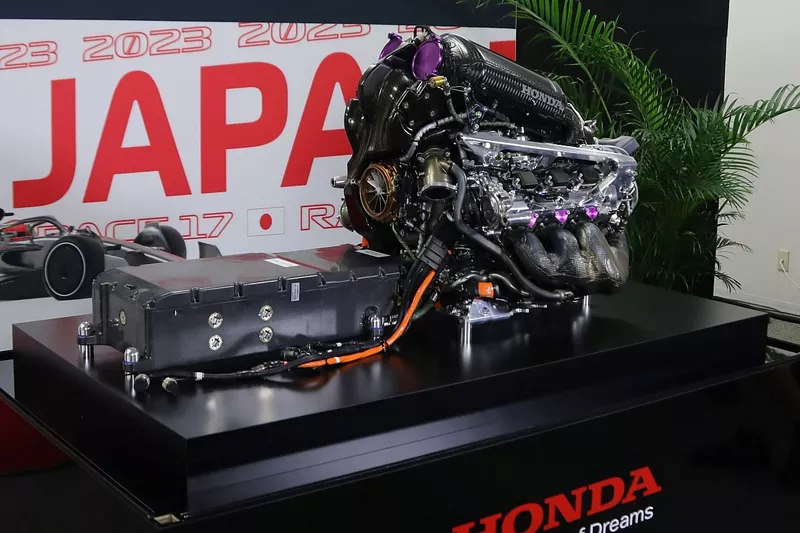
Formula 1, the pinnacle of motorsport, is on the brink of a monumental change. The 2026 season promises to usher in a new era, driven by revolutionary power unit regulations. These changes aren’t just a technical shift; they have profound implications for the driver market, where careers are made and championships are won. Here’s why F1’s 2026 engines are pivotal for the driver market. 1. A Green Revolution: The 2026 power units are at the forefront of a green revolution in motorsport. Unlike their predecessors, these units will run on fully sustainable fuels. This means no new fossil carbon will be burned, aligning F1 with global efforts to combat climate change. For drivers, this represents a shift towards more environmentally responsible racing, appealing to fans and sponsors alike. 2. The Electrical Leap: The heart of an F1 car, its power unit, is set for a major overhaul. The MGU-K (Kinetic Motor Generator Unit) will almost triple its electrical power output. This will fundamentally change the dynamics of racing, with significantly more electrical energy available for deployment. Drivers will need to adapt to harness this newfound power effectively, and teams will look for drivers who can optimize this resource. 3. Standardized Components: The move towards standardized components in power units will level the playing field. While this may seem counterintuitive to innovation, it opens up a unique challenge for drivers. They’ll need to find an edge within a more uniform technical framework. A driver who can extract the maximum from standardized components will be highly sought after. 4. Resource Constraints: The 2026 regulations limit dyno (engine dynamometer) testing hours. This restriction will encourage efficient use of resources, but it also means that teams will rely more on their drivers’ feedback during race weekends. Drivers who can provide precise and valuable feedback will be invaluable assets to their teams. 5. Reliability Matters With the restriction of three power units per car per season, reliability becomes paramount. Drivers who can push their power units to the limit without causing premature failures will be in high demand. A perfect balance between speed and preserving the power unit will be crucial. 6. Turbulent Transition: The removal of certain complexities, like the MGU-H, may reintroduce challenges like turbo lag. Drivers will need to master these nuances. Those who can handle the car’s characteristics in the transition period will excel, and teams will look for drivers with adaptability. 7. Uncertainty breeds opportunity: Perhaps the most intriguing aspect is the uncertainty. No one knows how the six power unit manufacturers will stack up in 2026. It’s a blank canvas. Drivers and their managers are left second-guessing how their current teams are likely to perform and how rivals will fare. This uncertainty breeds opportunity. A well-timed move to a team with a competitive power unit could catapult a driver to the pinnacle of the sport. 8. The Verstappen Precedent: Max Verstappen’s commitment to Red Bull, even when their engine project was in its infancy, highlights the importance of power units in driver decisions. His gamble paid off, but other drivers must weigh their options carefully. Verstappen’s decision to stick with Red Bull during their engine development phase shows the potential rewards of foresight. 9. Teams Face Dilemmas: Team principals are also in a dilemma. The 2026 regulations bring a host of unknowns. New chassis rules and a different power unit formula mean that constructors must make choices that could shape their success for years to come. The right driver can be the difference-maker, and teams are likely to evaluate their line-ups meticulously. 10. A Sustainable Future: Formula 1’s commitment to sustainability and environmental responsibility is not only about the cars on the track but also the broader image of the sport. Drivers who align with these values may find themselves in demand from teams looking to embrace a more eco-friendly image. In conclusion, the 2026 power unit regulations mark a pivotal moment in Formula 1’s history. They are not just about technical innovation; they are about the future of the sport. For drivers, this represents an opportunity to showcase their adaptability, feedback skills, and ability to harness new technology. It’s a moment where foresight can pay dividends and where the right choice could lead to championship glory. The 2026 engines are not just the heart of the cars; they are the pulse of the driver market.
Why F1 2026 Engines Are Key For The Driver Market?
Formula 1, the pinnacle of motorsport, is on the brink of a monumental change. The 2026 season promises to usher in a new era, driven by revolutionary power unit regulations. These changes aren’t just a technical shift; they have profound implications for the driver market, where careers are made and championships are won. Here’s why F1’s 2026 engines are pivotal for the driver market. 1. A Green Revolution: The 2026 power units are at the forefront of a green revolution in motorsport. Unlike their predecessors, these units will run on fully sustainable fuels. This means no new fossil carbon will be burned, aligning F1 with global efforts to combat climate change. For drivers, this represents a shift towards more environmentally responsible racing, appealing to fans and sponsors alike. 2. The Electrical Leap: The heart of an F1 car, its power unit, is set for a major overhaul. The MGU-K (Kinetic Motor Generator Unit) will almost triple its electrical power output. This will fundamentally change the dynamics of racing, with significantly more electrical energy available for deployment. Drivers will need to adapt to harness this newfound power effectively, and teams will look for drivers who can optimize this resource. 3. Standardized Components: The move towards standardized components in power units will level the playing field. While this may seem counterintuitive to innovation, it opens up a unique challenge for drivers. They’ll need to find an edge within a more uniform technical framework. A driver who can extract the maximum from standardized components will be highly sought after. 4. Resource Constraints: The 2026 regulations limit dyno (engine dynamometer) testing hours. This restriction will encourage efficient use of resources, but it also means that teams will rely more on their drivers’ feedback during race weekends. Drivers who can provide precise and valuable feedback will be invaluable assets to their teams. 5. Reliability Matters With the restriction of three power units per car per season, reliability becomes paramount. Drivers who can push their power units to the limit without causing premature failures will be in high demand. A perfect balance between speed and preserving the power unit will be crucial. 6. Turbulent Transition: The removal of certain complexities, like the MGU-H, may reintroduce challenges like turbo lag. Drivers will need to master these nuances. Those who can handle the car’s characteristics in the transition period will excel, and teams will look for drivers with adaptability. 7. Uncertainty breeds opportunity: Perhaps the most intriguing aspect is the uncertainty. No one knows how the six power unit manufacturers will stack up in 2026. It’s a blank canvas. Drivers and their managers are left second-guessing how their current teams are likely to perform and how rivals will fare. This uncertainty breeds opportunity. A well-timed move to a team with a competitive power unit could catapult a driver to the pinnacle of the sport. 8. The Verstappen Precedent: Max Verstappen’s commitment to Red Bull, even when their engine project was in its infancy, highlights the importance of power units in driver decisions. His gamble paid off, but other drivers must weigh their options carefully. Verstappen’s decision to stick with Red Bull during their engine development phase shows the potential rewards of foresight. 9. Teams Face Dilemmas: Team principals are also in a dilemma. The 2026 regulations bring a host of unknowns. New chassis rules and a different power unit formula mean that constructors must make choices that could shape their success for years to come. The right driver can be the difference-maker, and teams are likely to evaluate their line-ups meticulously. 10. A Sustainable Future: Formula 1’s commitment to sustainability and environmental responsibility is not only about the cars on the track but also the broader image of the sport. Drivers who align with these values may find themselves in demand from teams looking to embrace a more eco-friendly image. In conclusion, the 2026 power unit regulations mark a pivotal moment in Formula 1’s history. They are not just about technical innovation; they are about the future of the sport. For drivers, this represents an opportunity to showcase their adaptability, feedback skills, and ability to harness new technology. It’s a moment where foresight can pay dividends and where the right choice could lead to championship glory. The 2026 engines are not just the heart of the cars; they are the pulse of the driver market.

What Are The 5 Driving Habits That Can Cause (Expensive) Car Breakdown?
We rely on our cars for daily commutes, road trips, and errands, often taking their reliability for granted. However, our driving habits can significantly impact a vehicle’s health and lead to expensive breakdowns. Let’s explore five common driving habits that could secretly damage your car and ways to avoid costly repairs. 1. Neglecting Routine Maintenance The Habit:It’s easy to procrastinate on oil changes and other routine maintenance tasks. Some drivers push their cars well beyond recommended service intervals, thinking it won’t hurt. The Consequence: Delaying oil changes can result in carbon buildup, a black, broccoli-like substance that forms due to engine oil and gas residues. This buildup can harm your car’s efficiency, causing decreased fuel economy, hesitation during starts, and even expensive damage to engine valves. The Solution: Adhere to your car’s manufacturer’s recommended maintenance schedule. Regular oil changes, fluid checks, and filter replacements are vital for a healthy engine and vehicle longevity. 2. Ignoring Strange Noises The Habit: We often tune out strange sounds in our cars, assuming they’ll disappear on their own. Whether it’s a squeak, clunk, or grind, ignoring these noises is a common habit. The Consequence: Unusual sounds may signal underlying issues. That innocent squeak can evolve into a costly problem if left unattended. The longer you ignore these noises, the more expensive the repairs will become. The Solution: Pay attention to your car’s sounds. A timely inspection by a mechanic can identify and address minor issues before they become major problems. 3. Disregarding Odd Smells The Habit: When we catch a whiff of something unusual, we might dismiss it, hoping it’s a one-time occurrence. The Consequence: Unusual smells can indicate problems like fluid leaks onto the engine or exhaust, burning rubber from a failing drive-belt system, or even engine overheating. Ignoring these odors can lead to costly breakdowns. The Solution: Trust your nose. If you detect a strange smell, have it checked promptly. Addressing the root cause early can prevent expensive repairs down the road. 4. Neglecting warning lights The Habit: Many drivers assume that if their car seems to run fine despite a “check engine” light, the problem will resolve itself. The Consequence: Warning lights signify underlying issues that may not manifest immediately. Ignoring these warnings can lead to more extensive and costly damage over time. The Solution: Treat warning lights as urgent. Have your car inspected when any light comes on, as it could save you from more significant repair bills later. 5. Shifting Gears on the Move Habit: For drivers of manual transmissions, riding the clutch or shifting gears while the vehicle is in motion can become a habit. The Consequence: This habit accelerates clutch wear and tear, resulting in expensive replacements and repairs. Shifting gears while the transmission isn’t fully engaged can also damage gears and shift levers. The Solution: Practice smooth, controlled shifting, and avoid shifting gears until your vehicle has come to a complete stop. This simple change can extend the life of your clutch and save you money. In conclusion, breaking these common driving habits can help you avoid costly car breakdowns and extend your vehicle’s life. Regular maintenance, attentive listening, prompt attention to warning signs, and responsible gear shifting are essential practices for every driver. By making these habits a part of your driving routine, you’ll enjoy safer, more reliable, and more cost-effective journeys on the road. Your car will thank you with years of faithful service.
What Are The 5 Driving Habits That Can Cause (Expensive) Car Breakdown?
We rely on our cars for daily commutes, road trips, and errands, often taking their reliability for granted. However, our driving habits can significantly impact a vehicle’s health and lead to expensive breakdowns. Let’s explore five common driving habits that could secretly damage your car and ways to avoid costly repairs. 1. Neglecting Routine Maintenance The Habit:It’s easy to procrastinate on oil changes and other routine maintenance tasks. Some drivers push their cars well beyond recommended service intervals, thinking it won’t hurt. The Consequence: Delaying oil changes can result in carbon buildup, a black, broccoli-like substance that forms due to engine oil and gas residues. This buildup can harm your car’s efficiency, causing decreased fuel economy, hesitation during starts, and even expensive damage to engine valves. The Solution: Adhere to your car’s manufacturer’s recommended maintenance schedule. Regular oil changes, fluid checks, and filter replacements are vital for a healthy engine and vehicle longevity. 2. Ignoring Strange Noises The Habit: We often tune out strange sounds in our cars, assuming they’ll disappear on their own. Whether it’s a squeak, clunk, or grind, ignoring these noises is a common habit. The Consequence: Unusual sounds may signal underlying issues. That innocent squeak can evolve into a costly problem if left unattended. The longer you ignore these noises, the more expensive the repairs will become. The Solution: Pay attention to your car’s sounds. A timely inspection by a mechanic can identify and address minor issues before they become major problems. 3. Disregarding Odd Smells The Habit: When we catch a whiff of something unusual, we might dismiss it, hoping it’s a one-time occurrence. The Consequence: Unusual smells can indicate problems like fluid leaks onto the engine or exhaust, burning rubber from a failing drive-belt system, or even engine overheating. Ignoring these odors can lead to costly breakdowns. The Solution: Trust your nose. If you detect a strange smell, have it checked promptly. Addressing the root cause early can prevent expensive repairs down the road. 4. Neglecting warning lights The Habit: Many drivers assume that if their car seems to run fine despite a “check engine” light, the problem will resolve itself. The Consequence: Warning lights signify underlying issues that may not manifest immediately. Ignoring these warnings can lead to more extensive and costly damage over time. The Solution: Treat warning lights as urgent. Have your car inspected when any light comes on, as it could save you from more significant repair bills later. 5. Shifting Gears on the Move Habit: For drivers of manual transmissions, riding the clutch or shifting gears while the vehicle is in motion can become a habit. The Consequence: This habit accelerates clutch wear and tear, resulting in expensive replacements and repairs. Shifting gears while the transmission isn’t fully engaged can also damage gears and shift levers. The Solution: Practice smooth, controlled shifting, and avoid shifting gears until your vehicle has come to a complete stop. This simple change can extend the life of your clutch and save you money. In conclusion, breaking these common driving habits can help you avoid costly car breakdowns and extend your vehicle’s life. Regular maintenance, attentive listening, prompt attention to warning signs, and responsible gear shifting are essential practices for every driver. By making these habits a part of your driving routine, you’ll enjoy safer, more reliable, and more cost-effective journeys on the road. Your car will thank you with years of faithful service.

Max Verstappen Criticizes The Use Of The Sprint Format In The Qatar GP
The world of Formula One is no stranger to controversy and debate, whether it’s about technical regulations, team rivalries, or race formats. As the 2023 Qatar Grand Prix looms large on the horizon, Max Verstappen, one of the sport’s most outspoken and fiercely competitive drivers, has taken a bold stand against a recent addition to the F1 calendar: the Sprint Format. The Sprint Format: A New Addition to F1 In recent years, Formula One has been experimenting with various race formats to add excitement and unpredictability to the sport. One such experiment is the Sprint Format, which includes a shorter race held on Saturdays to determine the grid for the main race on Sunday. While the format has its proponents, it also has its fair share of critics, and Max Verstappen has now joined their ranks. Verstappen’s preference for tradition Max Verstappen’s criticism of the Sprint format is rooted in his preference for the traditional racing format that Formula One has adhered to for decades. In his eyes, the traditional format offers a level of excitement and challenge that the sprint races simply cannot match. The Thrill of Traditional Qualifying One of Verstappen’s key arguments is that traditional qualifying sessions are the pinnacle of excitement. In these sessions, drivers push their cars to the limit, aiming to secure the best possible starting position for the race. Verstappen contends that traditional qualifying provides a unique challenge because drivers have a better understanding of their car’s performance based on practice sessions. The Element of Unpredictability One aspect of traditional qualifying that Verstappen cherishes is the element of unpredictability. In the standard format, fans and drivers alike are left in suspense, not knowing which cars will perform exceptionally well during the race. This unpredictability adds to the thrill and excitement of the sport, creating a sense of anticipation for the main race. Sprint Races: A Preview That Takes Away the Excitement? Verstappen’s criticism extends to how Sprint races impact the excitement factor of Formula One. He argues that the Sprint format reveals too much, taking away some of the intrigue and anticipation that typically surrounds the main race. Verstappen believes that by watching the Sprint race, fans and teams can already predict which cars are likely to excel or struggle in the main event. The Fan’s Perspective As a former fan of Formula One before he became a professional driver, Max Verstappen understands the sport from a fan’s perspective. He recognizes that part of what makes Formula One captivating is the unknown factor—the uncertainty of which cars will shine on race day. Verstappen’s perspective aligns with the desires of fans who appreciate the element of surprise and unpredictability. Adapting to change While Verstappen makes a compelling case for the traditional format, he acknowledges that the sport is evolving and sprint races are now part of the Formula One landscape. As a professional driver, he understands the need to adapt to changing dynamics and regulations. However, his candid criticism of the Sprint Format reflects his commitment to the sport’s core values. Verstappen’s Focus: Championship Glory Ultimately, Max Verstappen’s primary focus is on securing his third Drivers’ Championship. The Dutch sensation is embroiled in a fierce championship battle, and his performance on the track will determine his destiny. While he may have reservations about the Sprint Format, his unwavering determination to conquer the championship remains undiminished. A Driver’s Quest for Excellence As the Qatar Grand Prix approaches, Max Verstappen’s critique of the Sprint format shines a spotlight on a driver who thrives on competition and the pursuit of excellence. Whether he’s racing in the traditional format or sprint races, Verstappen’s unwavering commitment to success and his relentless drive to achieve greatness continue to captivate Formula One enthusiasts worldwide. As Verstappen and his rivals prepare to battle it out on the unique Lusail International Circuit, fans can expect to witness the young Dutchman’s determination, tenacity, and boldness on full display. Regardless of his views on the Sprint Format, one thing is certain: Max Verstappen’s passion for racing and his quest for championship glory make him a compelling figure in the world of Formula One.
Max Verstappen Criticizes The Use Of The Sprint Format In The Qatar GP
The world of Formula One is no stranger to controversy and debate, whether it’s about technical regulations, team rivalries, or race formats. As the 2023 Qatar Grand Prix looms large on the horizon, Max Verstappen, one of the sport’s most outspoken and fiercely competitive drivers, has taken a bold stand against a recent addition to the F1 calendar: the Sprint Format. The Sprint Format: A New Addition to F1 In recent years, Formula One has been experimenting with various race formats to add excitement and unpredictability to the sport. One such experiment is the Sprint Format, which includes a shorter race held on Saturdays to determine the grid for the main race on Sunday. While the format has its proponents, it also has its fair share of critics, and Max Verstappen has now joined their ranks. Verstappen’s preference for tradition Max Verstappen’s criticism of the Sprint format is rooted in his preference for the traditional racing format that Formula One has adhered to for decades. In his eyes, the traditional format offers a level of excitement and challenge that the sprint races simply cannot match. The Thrill of Traditional Qualifying One of Verstappen’s key arguments is that traditional qualifying sessions are the pinnacle of excitement. In these sessions, drivers push their cars to the limit, aiming to secure the best possible starting position for the race. Verstappen contends that traditional qualifying provides a unique challenge because drivers have a better understanding of their car’s performance based on practice sessions. The Element of Unpredictability One aspect of traditional qualifying that Verstappen cherishes is the element of unpredictability. In the standard format, fans and drivers alike are left in suspense, not knowing which cars will perform exceptionally well during the race. This unpredictability adds to the thrill and excitement of the sport, creating a sense of anticipation for the main race. Sprint Races: A Preview That Takes Away the Excitement? Verstappen’s criticism extends to how Sprint races impact the excitement factor of Formula One. He argues that the Sprint format reveals too much, taking away some of the intrigue and anticipation that typically surrounds the main race. Verstappen believes that by watching the Sprint race, fans and teams can already predict which cars are likely to excel or struggle in the main event. The Fan’s Perspective As a former fan of Formula One before he became a professional driver, Max Verstappen understands the sport from a fan’s perspective. He recognizes that part of what makes Formula One captivating is the unknown factor—the uncertainty of which cars will shine on race day. Verstappen’s perspective aligns with the desires of fans who appreciate the element of surprise and unpredictability. Adapting to change While Verstappen makes a compelling case for the traditional format, he acknowledges that the sport is evolving and sprint races are now part of the Formula One landscape. As a professional driver, he understands the need to adapt to changing dynamics and regulations. However, his candid criticism of the Sprint Format reflects his commitment to the sport’s core values. Verstappen’s Focus: Championship Glory Ultimately, Max Verstappen’s primary focus is on securing his third Drivers’ Championship. The Dutch sensation is embroiled in a fierce championship battle, and his performance on the track will determine his destiny. While he may have reservations about the Sprint Format, his unwavering determination to conquer the championship remains undiminished. A Driver’s Quest for Excellence As the Qatar Grand Prix approaches, Max Verstappen’s critique of the Sprint format shines a spotlight on a driver who thrives on competition and the pursuit of excellence. Whether he’s racing in the traditional format or sprint races, Verstappen’s unwavering commitment to success and his relentless drive to achieve greatness continue to captivate Formula One enthusiasts worldwide. As Verstappen and his rivals prepare to battle it out on the unique Lusail International Circuit, fans can expect to witness the young Dutchman’s determination, tenacity, and boldness on full display. Regardless of his views on the Sprint Format, one thing is certain: Max Verstappen’s passion for racing and his quest for championship glory make him a compelling figure in the world of Formula One.

FIA approves Andretti’s Bid To Join F1 Grid
In the fast-paced world of Formula One, where precision, speed, and innovation reign supreme, a new chapter is about to be written. The iconic name of Michael Andretti, synonymous with motorsport excellence, is set to make a significant impact on the sport. The International Automobile Federation (FIA), Formula One’s governing body, has given its seal of approval to Andretti’s bid to join the F1 grid, signaling the dawn of a new era in the world of motorsport. Andretti’s Racing Legacy: A Family Tradition The Andretti name needs no introduction in the realm of motorsport. Michael Andretti, the 1991 CART champion, has been a towering figure in racing, inheriting the legacy of his father, Mario Andretti, the 1978 Formula One World Champion. This formidable father-son duo has now set their sights on conquering the pinnacle of motorsport, Formula One. A Vision for an American F1 Team In January, Andretti Global announced an ambitious partnership with General Motors’ Cadillac brand to establish a U.S.-owned Formula One team. This groundbreaking move signaled the intent to bring the American spirit to the international racing stage. With a commitment to featuring at least one American driver, the project aimed to resonate with a broader audience and ignite enthusiasm for Formula One in the United States. FIA’s Stamp of Approval: A Milestone Moment The FIA’s approval of Andretti Formula Racing LLC’s bid is a watershed moment. From a pool of initial expressions of interest, Michael Andretti’s proposal emerged as the clear frontrunner. The decision underscores the project’s credibility and potential to transform Formula One. However, it’s essential to recognize that the FIA’s approval is just one piece of the puzzle. Formula One’s Chief Executive, Stefano Domenicali, has been cautious about expanding the grid, emphasizing the need for any decision to align with the sport’s long-term interests. The road ahead remains challenging, with several hurdles to overcome. The Challenge of Grid Expansion Formula One is a high-stakes business, and grid expansion is a complex endeavor. Negotiating agreements, securing a slot on the grid, and navigating the intricacies of the sport’s commercial landscape are formidable challenges. The existing ‘Concorde Agreement,’ which governs the sport’s commercial aspects, is set to expire at the end of 2025. Crafting a new agreement that accommodates new entrants while appeasing existing teams is a delicate balancing act. The sport’s current 10 teams have been cautious about welcoming new entrants, as grid expansion could dilute the overall pot of revenues. The existing teams benefit from a share of the $200 million entry fee paid by newcomers, making the financial aspect a contentious issue. The Role of Sustainability and Societal Impact In assessing applicants, the FIA considered criteria that extend beyond the racetrack. Sustainability and societal impact are now integral to Formula One’s vision. The sport has set ambitious goals to achieve net-zero carbon emissions by 2030. This emphasis on sustainability reflects a broader commitment to using motorsport as a platform for positive change in the world. General Motors’ Involvement and Engine Supply The potential involvement of General Motors (GM) in this venture adds another layer of intrigue. However, GM’s participation may come under scrutiny as major Detroit automakers grapple with United Auto Workers (UAW) union strikes and navigate the transition to electric vehicles. The landscape of the automotive industry is evolving rapidly, and GM’s role in the Formula One venture could be influenced by its broader strategic priorities. The Promise of Increased Competition While challenges abound, Andretti’s bid holds the promise of increased competition and fresh energy in Formula One. The addition of a new team, backed by the prestigious Andretti name and GM, could attract a wider audience and expand the sport’s global reach. It represents an opportunity to inject new life into Formula One, captivating fans and enthusiasts worldwide. A legacy in the making As discussions progress and plans take shape, Michael Andretti’s vision of an American team on the Formula One grid may be on the cusp of realization. The motorsport community eagerly anticipates this iconic name’s impact on the sport. For fans of Formula One, it’s an exciting development that promises to add a new dimension to the pinnacle of motorsport. In the world of Formula One, where every millisecond counts and innovation knows no bounds, the approval of Andretti’s bid signifies the potential for a fresh chapter in the sport’s storied history. The road ahead may be challenging, but the spirit of competition, innovation, and excellence that defines Formula One is alive and well, ready to embrace new contenders on the grid. The FIA’s approval of Andretti’s bid marks a significant milestone, but the checkered flag is yet to fall on this remarkable journey. As the project advances, motorsport enthusiasts around the world will be watching with bated breath, eager to witness the transformation of Andretti’s vision into a competitive force on the Formula One circuit.
