

The world of MotoGP is a relentless battleground, where riders push the boundaries of speed, skill, and strategy. Francesco Bagnaia, the talented Ducati rider, found himself at the center of the storm during the Indian Grand Prix. It was a race that would test his mettle and challenge his championship aspirations. Bagnaia entered the 2023 MotoGP season as a strong contender, displaying remarkable consistency and a penchant for podium finishes. With a 62-point lead after a spectacular victory in Austria, he seemed destined for back-to-back titles. However, the unpredictable nature of motorcycle racing had other plans. The Catalan Grand Prix marked a turning point. Bagnaia extended his lead even further during the Barcelona sprint, but the fates took a sharp twist. A highside crash at the start of the race sent him tumbling out and left him nursing physical discomfort for the next round at Misano. It was a harsh reminder that in MotoGP, fortunes can change in the blink of an eye. Despite the setback, Bagnaia remained undeterred. His resolve and fighting spirit were evident as he prepared for the inaugural Indian Grand Prix. Arriving in Delhi with a 36-point lead, the odds were still in his favor. But fate had another challenge in store. During the race in India, Bagnaia found himself locked in a fierce battle with his fellow Ducati stablemates, Marco Bezzecchi and Jorge Martin. To stay competitive, he made a bold decision—to race with a hard front tire, even though he wasn’t entirely comfortable with it. It was a calculated risk, a testament to his determination to maintain his lead. The race unfolded with breathtaking speed and intensity. Bagnaia fought valiantly, pushing himself to the limit. But as he approached Turn 5, disaster struck. A loss of control saw him part ways with his GP23, hitting the track and ending his race prematurely. It was a gut-wrenching moment that would have far-reaching consequences. With Marco Bezzecchi securing victory from pole position and Jorge Martin holding onto second place, Bagnaia’s championship lead was slashed to just 13 points. It was a pivotal moment that left the title race wide open. In the aftermath of the crash, Bagnaia reflected on his performance. He acknowledged that he had forced the issue, taking on the risk of the hard front tire. It was a decision made in the heat of competition, with the championship on the line. In his words, “I was pushing. We accepted the risk to race with the harder tire. But it was the only possibility to fight against them.” Despite the disappointment, Bagnaia remained resolute. He recognized that in MotoGP, pushing the boundaries is an integral part of the game. His unwavering commitment to competing at the highest level was evident as he said, “I’m not happy because I think this doesn’t have to happen to me, because I’m fighting for a championship. It’s a mistake that right now I cannot do.” The Indian Grand Prix highlighted the fine margins that riders navigate in their quest for glory. It showcased the relentless pursuit of excellence and the sacrifices made in the name of victory. Bagnaia’s determination to take risks and push himself to the limit is a testament to the indomitable spirit of MotoGP riders. As the season unfolds, Francesco Bagnaia remains a formidable force in the championship battle. He may have faced setbacks, but his resolve is unwavering. In the world of MotoGP, where every race is a high-stakes gamble, Bagnaia’s words ring true: “I forced a little, and if I were there again, I would do the same.” The Indian Grand Prix serves as a reminder that in the pursuit of greatness, no challenge is too daunting, and no risk is too great. It’s what makes MotoGP the ultimate test of skill, courage, and determination. And it’s why fans around the world continue to be enthralled by the drama and excitement of motorcycle racing at its finest.

F1 And MotoGP Set To Coincide Up To 11 Weekends In 2024?
In the exhilarating world of motorsport, fans eagerly anticipate the thrill of Formula 1 (F1) and MotoGP races. These premier racing series bring adrenaline-pumping action, fierce competition, and a global fan following. However, the calendars for both F1 and MotoGP for the year 2024 are causing some buzz and, perhaps, a bit of a scheduling headache for motorsport enthusiasts. Why? Because up to 11 weekends in 2024 are set to witness the clash of these two giants. A Clash of Titans The clash between Formula 1 and MotoGP on race weekends is not entirely new, but the extent of it for the 2024 season is noteworthy. As fans gear up for the upcoming motorsport extravaganza, they’ll need to carefully plan their weekends to catch all the action. Let’s take a closer look at the key clashes on the horizon. 1. Saudi Arabia vs. Qatar: The Weekend Opener (9 March) The motorsport calendar for 2024 kicks off with a bang, as F1 and MotoGP overlap on the opening weekend. On 9th March, F1 heads to Saudi Arabia for a Saturday race, while MotoGP commences in Qatar. The clash sets the stage for an intense motorsport rivalry right from the start. 2. Australia vs. Portugal: Racing Down Under (24 March) Later in March, the action intensifies. On the 24th, F1 races in Australia, and at the same time, MotoGP enthusiasts will be glued to the Portuguese Grand Prix. It’s a weekend of racing diversity that will test the loyalty of fans with varied tastes. 3. Japan vs. Argentina: Eastern and Western Speedsters (7 April) In early April, motorsport aficionados will have to choose between the Land of the Rising Sun and the heart of South America. F1 races in Japan, while MotoGP speeds through Argentina. It’s a continent-hopping weekend for motorsport lovers. 4. Monaco vs. Catalunya: Glitz and Glamour or Spanish Sunshine (26 May) May brings the glitz of Monaco and the Spanish sunshine of Catalunya into competition. On the 26th, the F1 Monaco Grand Prix shares the stage with MotoGP at the Catalunya Circuit. It’s a clash between iconic venues. 5. Austria vs. Assen: Alpine Heights or Dutch Delight (30 June) As the summer heats up, the Austrian Grand Prix in F1 coincides with MotoGP at the historic Assen Circuit in the Netherlands. Fans of both series will need to decide between the scenic alpine heights and Dutch racing history. 6. UK vs. Germany: British Bravery and German Precision (7 July) The British Grand Prix in F1 takes place on the same weekend as the MotoGP race in Germany on 7th July. It’s a battle between British bravery and German precision, and fans on both sides of the Channel will be in for a treat. 7. Italy vs. Aragon: The Passion of Motorsport (1 September) Italy’s Monza Circuit hosts F1 on 1st September, while the Aragon Circuit in Spain welcomes MotoGP. It’s a weekend that highlights the passion and heritage of motorsport in both countries. 8. Singapore vs. India: The Clash of Cultures (22 September) Singapore’s glitzy night race in F1 coincides with MotoGP’s journey to India on 22nd September. It’s a clash of cultures, with high-tech city lights battling it out with the vibrant colors of India. 9. Austin vs. Australia: American Dreams and Aussie Spirit (20 October) October features a transcontinental clash. F1 in Austin, Texas, competes for attention with MotoGP in Australia on the 20th. American dreams meet Aussie spirit in this motorsport showdown. 10. Mexico vs. Thailand: Latin Flair vs. Thai Thrills (27 October) The Mexican Grand Prix in F1 shares its weekend with MotoGP in Thailand on 27th October. Latin flair meets Thai thrills in a celebration of diverse motorsport cultures. 11. Brazil vs. Malaysia: Samba Rhythms and Malaysian Heat (3 November)The motorsport calendar nears its climax with the Brazilian Grand Prix in F1 and the Malaysian MotoGP on November 3. It’s a weekend of samba rhythms and Malaysian heat, promising exciting racing action.ConclusionThe clash of F1 and MotoGP on up to 11 weekends in 2024 sets the stage for an intense and exhilarating motorsport season. Fans will need to make choices, plan their viewing schedules, and embrace the diversity of racing action on offer. It’s a testament to the global appeal of motorsport and the passion it ignites in fans worldwide. Let the engines roar and the races begin!
F1 And MotoGP Set To Coincide Up To 11 Weekends In 2024?
In the exhilarating world of motorsport, fans eagerly anticipate the thrill of Formula 1 (F1) and MotoGP races. These premier racing series bring adrenaline-pumping action, fierce competition, and a global fan following. However, the calendars for both F1 and MotoGP for the year 2024 are causing some buzz and, perhaps, a bit of a scheduling headache for motorsport enthusiasts. Why? Because up to 11 weekends in 2024 are set to witness the clash of these two giants. A Clash of Titans The clash between Formula 1 and MotoGP on race weekends is not entirely new, but the extent of it for the 2024 season is noteworthy. As fans gear up for the upcoming motorsport extravaganza, they’ll need to carefully plan their weekends to catch all the action. Let’s take a closer look at the key clashes on the horizon. 1. Saudi Arabia vs. Qatar: The Weekend Opener (9 March) The motorsport calendar for 2024 kicks off with a bang, as F1 and MotoGP overlap on the opening weekend. On 9th March, F1 heads to Saudi Arabia for a Saturday race, while MotoGP commences in Qatar. The clash sets the stage for an intense motorsport rivalry right from the start. 2. Australia vs. Portugal: Racing Down Under (24 March) Later in March, the action intensifies. On the 24th, F1 races in Australia, and at the same time, MotoGP enthusiasts will be glued to the Portuguese Grand Prix. It’s a weekend of racing diversity that will test the loyalty of fans with varied tastes. 3. Japan vs. Argentina: Eastern and Western Speedsters (7 April) In early April, motorsport aficionados will have to choose between the Land of the Rising Sun and the heart of South America. F1 races in Japan, while MotoGP speeds through Argentina. It’s a continent-hopping weekend for motorsport lovers. 4. Monaco vs. Catalunya: Glitz and Glamour or Spanish Sunshine (26 May) May brings the glitz of Monaco and the Spanish sunshine of Catalunya into competition. On the 26th, the F1 Monaco Grand Prix shares the stage with MotoGP at the Catalunya Circuit. It’s a clash between iconic venues. 5. Austria vs. Assen: Alpine Heights or Dutch Delight (30 June) As the summer heats up, the Austrian Grand Prix in F1 coincides with MotoGP at the historic Assen Circuit in the Netherlands. Fans of both series will need to decide between the scenic alpine heights and Dutch racing history. 6. UK vs. Germany: British Bravery and German Precision (7 July) The British Grand Prix in F1 takes place on the same weekend as the MotoGP race in Germany on 7th July. It’s a battle between British bravery and German precision, and fans on both sides of the Channel will be in for a treat. 7. Italy vs. Aragon: The Passion of Motorsport (1 September) Italy’s Monza Circuit hosts F1 on 1st September, while the Aragon Circuit in Spain welcomes MotoGP. It’s a weekend that highlights the passion and heritage of motorsport in both countries. 8. Singapore vs. India: The Clash of Cultures (22 September) Singapore’s glitzy night race in F1 coincides with MotoGP’s journey to India on 22nd September. It’s a clash of cultures, with high-tech city lights battling it out with the vibrant colors of India. 9. Austin vs. Australia: American Dreams and Aussie Spirit (20 October) October features a transcontinental clash. F1 in Austin, Texas, competes for attention with MotoGP in Australia on the 20th. American dreams meet Aussie spirit in this motorsport showdown. 10. Mexico vs. Thailand: Latin Flair vs. Thai Thrills (27 October) The Mexican Grand Prix in F1 shares its weekend with MotoGP in Thailand on 27th October. Latin flair meets Thai thrills in a celebration of diverse motorsport cultures. 11. Brazil vs. Malaysia: Samba Rhythms and Malaysian Heat (3 November)The motorsport calendar nears its climax with the Brazilian Grand Prix in F1 and the Malaysian MotoGP on November 3. It’s a weekend of samba rhythms and Malaysian heat, promising exciting racing action.ConclusionThe clash of F1 and MotoGP on up to 11 weekends in 2024 sets the stage for an intense and exhilarating motorsport season. Fans will need to make choices, plan their viewing schedules, and embrace the diversity of racing action on offer. It’s a testament to the global appeal of motorsport and the passion it ignites in fans worldwide. Let the engines roar and the races begin!

Lewis Hamilton vs Max Verstappen H2H Stats, Most Wins, Most Races In 2023
The Clash of Titans: Lewis Hamilton vs. Max Verstappen – A Head-to-Head Analysis In the fast-paced world of Formula 1, where milliseconds separate victory from defeat, two titans have emerged to redefine the sport. Lewis Hamilton, the seasoned maestro with a glittering career, and Max Verstappen, the young sensation challenging the status quo, have engaged in a head-to-head battle that has fans on the edge of their seats. Let’s dive deep into their head-to-head (H2H) statistics and unravel the story behind these two extraordinary drivers. The Grand Prix Gladiators Lewis Hamilton, a name synonymous with excellence in Formula 1, has embarked on an illustrious career that spans over 15 years. He boasts a remarkable 322 Grand Prix starts, a testament to his longevity and unwavering commitment to the sport. In this extensive journey, Hamilton has etched his name in the record books, securing 103 Grand Prix wins—a staggering achievement that places him among the all-time greats. Max Verstappen, the young Dutch prodigy, is the epitome of a new generation of drivers. With 175 Grand Prix starts to his name, he’s already established himself as a force to be reckoned with. Despite having fewer races under his belt compared to Hamilton, Verstappen’s win tally stands at an impressive 48 victories, showcasing his remarkable talent and insatiable hunger for success. The Battle of Win Rates Winning is the ultimate goal in Formula 1, and both Hamilton and Verstappen have demonstrated their prowess in this department. Hamilton’s win rate, calculated by dividing his wins by his total starts, stands at 31.99%. This means that the British legend has triumphed in approximately one-third of the races he’s entered—a staggering achievement considering the fierce competition he’s faced throughout his career. Verstappen, with 48 wins in 179 starts, boasts a win rate of 25.71%. While his percentage is slightly lower than Hamilton’s, it’s important to note that Verstappen’s career is still on the ascent. His win percentages are trending upward, hinting at a future where he could challenge Hamilton’s dominance. As Verstappen continues to hone his skills and enjoys the speed and consistency of the Red Bull Racing machine, the gap between his win rate and Hamilton’s is likely to narrow. Formula 1 enthusiasts can expect thrilling battles between these two drivers in the seasons to come. Pole Positions: The Quest for Pole Position Supremacy Securing pole position is a coveted achievement in Formula 1, as it provides a significant advantage on race day. Lewis Hamilton has not only excelled in winning races but also in starting them from the front of the grid. With 104 pole positions, Hamilton has spent nearly 32% of his races leading the pack from the very beginning. Max Verstappen, while known for his exceptional speed, is currently playing catch-up in the pole position department. With 27 poles in his career, his percentage stands at 15.43%. This implies that Verstappen often finds himself starting behind at least one other car, a testament to his overtaking skills and racing prowess. Hamilton’s ability to consistently secure pole positions has played a crucial role in his race victories. He has converted nearly 60% of his race wins from pole position, showcasing his dominance when starting at the front. Verstappen, on the other hand, has faced the challenge of carving his way through the field, with over 80% of his wins coming when he’s qualified first. With Red Bull Racing’s recent performance improvements, this trend is likely to continue in his favor. Car Retirements: Reliability and Resilience In the unpredictable world of Formula 1,retirements can be a driver’s worst nightmare. Lewis Hamilton, throughout his illustrious career, has experienced retirement on only 29 occasions. Statistically, he retires approximately once every nine races or less than twice a season. This remarkable reliability underscores the robustness of the Mercedes machine and Hamilton’s unwavering consistency as a driver. Conversely, Max Verstappen has faced the disappointment of retirement 31 times in his 175 Grand Prix starts. While some may interpret this as recklessness, it’s essential to consider the context. Early in his career, Verstappen’s car may not have matched the reliability of Hamilton’s dominant Mercedes. Furthermore, Max made his Formula 1 debut over five years later than Hamilton, highlighting the relative youth of the Dutch driver on the circuit. Beyond the Numbers While statistics offer valuable insights into driver performance, they only paint part of the picture in Formula 1. The sport is a complex ecosystem influenced by myriad factors, including car performance, team dynamics, race strategies, and even luck. Hamilton’s seven world titles compared to Verstappen’s two highlight their respective achievements, but the numbers alone don’t capture their full stories. Verstappen’s potential to challenge Hamilton’s legacy hinges on several variables. The competitiveness of the Red Bull Racing machine, Verstappen’s evolving skill set, and his ability to maintain consistency over a long career will all play pivotal roles. As long as Verstappen continues to enjoy the benefits of a faster and more reliable car, he is poised to draw closer to the high bar set by Lewis Hamilton. The statistics may evolve, records may be broken, but one thing remains certain: the rivalry between these two exceptional drivers will continue to define the future of Formula 1. In this exhilarating contest of experience versus youth, the world of motorsport stands as the ultimate winner, witnessing the clash of titans and the creation of racing history.
Lewis Hamilton vs Max Verstappen H2H Stats, Most Wins, Most Races In 2023
The Clash of Titans: Lewis Hamilton vs. Max Verstappen – A Head-to-Head Analysis In the fast-paced world of Formula 1, where milliseconds separate victory from defeat, two titans have emerged to redefine the sport. Lewis Hamilton, the seasoned maestro with a glittering career, and Max Verstappen, the young sensation challenging the status quo, have engaged in a head-to-head battle that has fans on the edge of their seats. Let’s dive deep into their head-to-head (H2H) statistics and unravel the story behind these two extraordinary drivers. The Grand Prix Gladiators Lewis Hamilton, a name synonymous with excellence in Formula 1, has embarked on an illustrious career that spans over 15 years. He boasts a remarkable 322 Grand Prix starts, a testament to his longevity and unwavering commitment to the sport. In this extensive journey, Hamilton has etched his name in the record books, securing 103 Grand Prix wins—a staggering achievement that places him among the all-time greats. Max Verstappen, the young Dutch prodigy, is the epitome of a new generation of drivers. With 175 Grand Prix starts to his name, he’s already established himself as a force to be reckoned with. Despite having fewer races under his belt compared to Hamilton, Verstappen’s win tally stands at an impressive 48 victories, showcasing his remarkable talent and insatiable hunger for success. The Battle of Win Rates Winning is the ultimate goal in Formula 1, and both Hamilton and Verstappen have demonstrated their prowess in this department. Hamilton’s win rate, calculated by dividing his wins by his total starts, stands at 31.99%. This means that the British legend has triumphed in approximately one-third of the races he’s entered—a staggering achievement considering the fierce competition he’s faced throughout his career. Verstappen, with 48 wins in 179 starts, boasts a win rate of 25.71%. While his percentage is slightly lower than Hamilton’s, it’s important to note that Verstappen’s career is still on the ascent. His win percentages are trending upward, hinting at a future where he could challenge Hamilton’s dominance. As Verstappen continues to hone his skills and enjoys the speed and consistency of the Red Bull Racing machine, the gap between his win rate and Hamilton’s is likely to narrow. Formula 1 enthusiasts can expect thrilling battles between these two drivers in the seasons to come. Pole Positions: The Quest for Pole Position Supremacy Securing pole position is a coveted achievement in Formula 1, as it provides a significant advantage on race day. Lewis Hamilton has not only excelled in winning races but also in starting them from the front of the grid. With 104 pole positions, Hamilton has spent nearly 32% of his races leading the pack from the very beginning. Max Verstappen, while known for his exceptional speed, is currently playing catch-up in the pole position department. With 27 poles in his career, his percentage stands at 15.43%. This implies that Verstappen often finds himself starting behind at least one other car, a testament to his overtaking skills and racing prowess. Hamilton’s ability to consistently secure pole positions has played a crucial role in his race victories. He has converted nearly 60% of his race wins from pole position, showcasing his dominance when starting at the front. Verstappen, on the other hand, has faced the challenge of carving his way through the field, with over 80% of his wins coming when he’s qualified first. With Red Bull Racing’s recent performance improvements, this trend is likely to continue in his favor. Car Retirements: Reliability and Resilience In the unpredictable world of Formula 1,retirements can be a driver’s worst nightmare. Lewis Hamilton, throughout his illustrious career, has experienced retirement on only 29 occasions. Statistically, he retires approximately once every nine races or less than twice a season. This remarkable reliability underscores the robustness of the Mercedes machine and Hamilton’s unwavering consistency as a driver. Conversely, Max Verstappen has faced the disappointment of retirement 31 times in his 175 Grand Prix starts. While some may interpret this as recklessness, it’s essential to consider the context. Early in his career, Verstappen’s car may not have matched the reliability of Hamilton’s dominant Mercedes. Furthermore, Max made his Formula 1 debut over five years later than Hamilton, highlighting the relative youth of the Dutch driver on the circuit. Beyond the Numbers While statistics offer valuable insights into driver performance, they only paint part of the picture in Formula 1. The sport is a complex ecosystem influenced by myriad factors, including car performance, team dynamics, race strategies, and even luck. Hamilton’s seven world titles compared to Verstappen’s two highlight their respective achievements, but the numbers alone don’t capture their full stories. Verstappen’s potential to challenge Hamilton’s legacy hinges on several variables. The competitiveness of the Red Bull Racing machine, Verstappen’s evolving skill set, and his ability to maintain consistency over a long career will all play pivotal roles. As long as Verstappen continues to enjoy the benefits of a faster and more reliable car, he is poised to draw closer to the high bar set by Lewis Hamilton. The statistics may evolve, records may be broken, but one thing remains certain: the rivalry between these two exceptional drivers will continue to define the future of Formula 1. In this exhilarating contest of experience versus youth, the world of motorsport stands as the ultimate winner, witnessing the clash of titans and the creation of racing history.
MotoGP 2024 Calendar: Dates, Races And Circuits
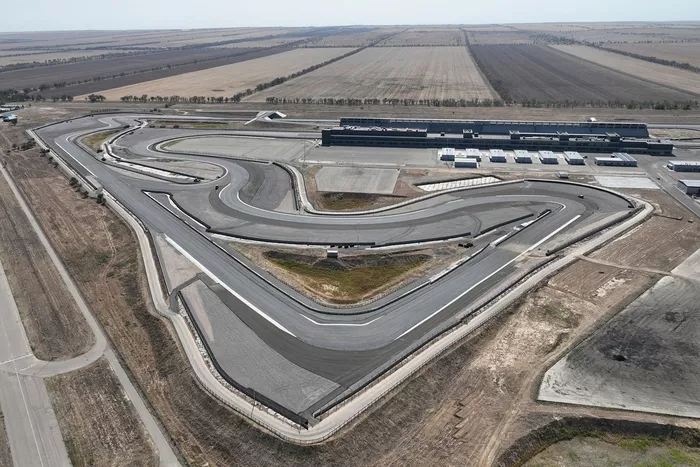
The roar of engines, the thrill of speed, and the pursuit of victory – MotoGP 2024 promises to deliver all of this and more. With a record-breaking 22 rounds, exciting new additions, and the return of fan-favorite circuits, the 2024 season is set to redefine motorcycle racing. Let’s dive into all the details you need to know about MotoGP 2024. Record-Breaking Season MotoGP has broken its own record by scheduling a whopping 22 rounds for the 2024 season. This extended calendar means more opportunities for riders to showcase their skills and for fans to witness breathtaking races. Qatar Grand Prix: A Thrilling Opener The season kicks off on March 10, 2024, with the Qatar Grand Prix. The Losail International Circuit once again hosts the season opener, known for its dramatic night races under the desert sky. Portuguese and Argentine Adventures Following Qatar, the riders swiftly head to Europe for the Portuguese Grand Prix on April 7, 2024. This event marks a return to a familiar track that opened the 2022 calendar with a bang. Argentina joins the action with the Argentine Grand Prix on April 14, making it a back-to-back spectacle with the Americas GP at the Circuit of the Americas (COTA) on the same date. This double-header guarantees adrenaline-pumping action for fans across the globe. Spanish Fiesta: All Four Venues Return Spain, a stronghold of MotoGP passion, welcomes back all four of its iconic venues. The 2024 calendar features a remarkable return to all Spanish tracks after Aragon took a brief hiatus in the 2022 season. The Spanish Grand Prix, scheduled for April 28, ensures no rotation of the Iberian events. European Excitement: France, Catalonia, and Italy The heart-pounding European leg of the season begins with the French Grand Prix on May 12, setting the stage for fierce battles on the legendary Le Mans Circuit. Riders then move to the Catalan Grand Prix on May 26, a thrilling back-to-back event with the Italian Grand Prix at the picturesque Mugello Circuit on June 2. Kazakhstan’s Second Chance MotoGP’s ambitious expansion continues as it presents a second attempt to stage the inaugural Kazakhstan Grand Prix at the Sokol circuit. Delays in circuit readiness led to the cancellation of the 2023 event, but 2024 offers another opportunity to introduce the sport to Central Asian fans. Summer Break and Resumption Following the Dutch Grand Prix on June 30 and the German Grand Prix on July 7, MotoGP takes a well-deserved three-week summer break. This hiatus allows riders and teams to recharge their batteries before the intense second half of the season. British and Austrian Duels The British Grand Prix at Silverstone on August 4 marks the resumption of the season. It’s followed by the Austrian Grand Prix on August 18, offering fans a dose of high-speed excitement. Aragon and San Marino Return The next back-to-back kicks off on September 1 with the return of the Aragon Grand Prix. This event, absent from the schedule in 2023, is set to rekindle the fierce competition. On September 8, riders converge at the San Marino Grand Prix, promising more thrills. Indian Grand Prix: Triple-Header Spectacle Despite initial suggestions of a date change, the Indian Grand Prix maintains its place on the calendar, scheduled for September 22. This event forms the first part of an exhilarating triple-header alongside Indonesia on September 29 and Japan on October 6. This sequence promises to be a pivotal moment in the championship. Triple-Header Finale and Valencia Grand Prix After a brief break, the final triple-header of the season begins with Australia on October 20, followed by Thailand on October 27 and Malaysia on November 3. The championship concludes with the Valencia Grand Prix on November 17, offering fans a fitting climax to an extraordinary season. Formula 1 Clashes MotoGP fans should be prepared for some schedule clashes with Formula 1 in 2024. Unfortunately, 11 MotoGP rounds will coincide with Formula 1 events, creating some timezone challenges for fans who enjoy both motorsport series. Balaton Park: A New Addition In exciting news, the new Balaton Park track in Hungary has been added to the reserve list, subject to the venue receiving homologation. This potential addition could diversify the calendar further and introduce a new chapter in MotoGP history. Pre-season Testing Before the official season kick-off, pre-season testing for 2024 is set to begin on February 6-8 in Malaysia, followed by two days in Qatar on February 19-20. These testing sessions will provide teams and riders with valuable insights and an opportunity to fine-tune their machines. The 2024 MotoGP season promises to be one for the history books, with a record number of rounds, exciting locations, and fierce competition. Motorcycle racing enthusiasts can mark their calendars and wait in excitement for the next season. Full 2024 MotoGP calendar 10 March – Qatar GP 24 March – Portugal GP 07 April – Argentina GP 14 April – Americas GP 28 April – Spanish GP 12 May – French GP 26 May – Catalan GP 2 June – Italian GP 16 June – Kazakhstan GP 30 June – Dutch GP 7 July – German GP 4 August – British GP 18 August – Austrian GP 1 September – Aragon GP 8 September – San Marino GP 22 September – India GP 29 September – Indonesia GP 6 October – Japanese GP 20 October – Australian GP 27 October – Thailand GP 3 November – Malaysian GP 17 November – Valencia GP
MotoGP 2024: All 22 Grand Prix, GP India Date, New Tracks And Location
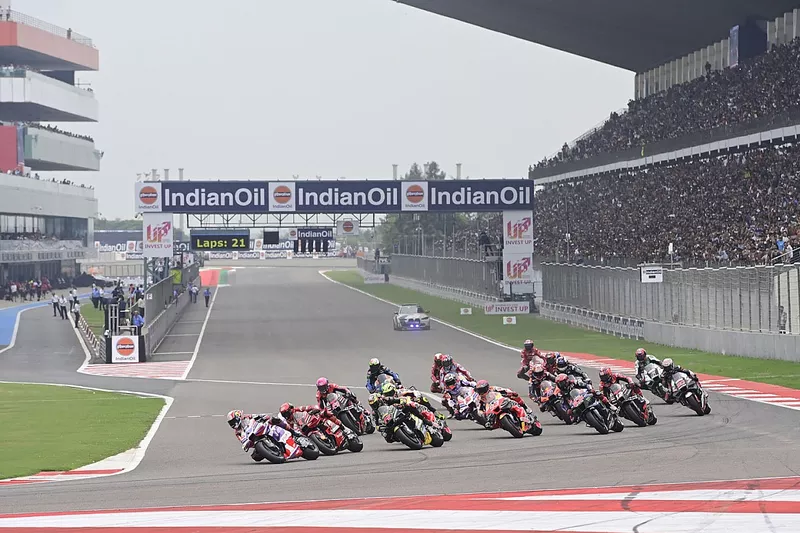
“MotoGP 2024: All 22 Grand Prix, GP India Date, New Tracks, and Locations” The roar of engines, the thrill of speed, and the pursuit of victory – MotoGP 2024 promises to deliver all of this and more. With a record-breaking 22 rounds, exciting new additions, and the return of fan-favorite circuits, the 2024 season is set to redefine motorcycle racing. Let’s dive into all the details you need to know about MotoGP 2024. Record-Breaking Season MotoGP has broken its own record by scheduling a whopping 22 rounds for the 2024 season. This extended calendar means more opportunities for riders to showcase their skills and for fans to witness breathtaking races. Qatar Grand Prix: A Thrilling Opener The season kicks off on March 10, 2024, with the Qatar Grand Prix. The Losail International Circuit once again hosts the season opener, known for its dramatic night races under the desert sky. Portuguese and Argentine Adventures Following Qatar, the riders swiftly head to Europe for the Portuguese Grand Prix on April 7, 2024. This event marks a return to a familiar track that opened the 2022 calendar with a bang. Argentina joins the action with the Argentine Grand Prix on April 14, making it a back-to-back spectacle with the Americas GP at the Circuit of the Americas (COTA) on the same date. This double-header guarantees adrenaline-pumping action for fans across the globe. Spanish Fiesta: All Four Venues Return Spain, a stronghold of MotoGP passion, welcomes back all four of its iconic venues. The 2024 calendar features a remarkable return to all Spanish tracks after Aragon took a brief hiatus in the 2022 season. The Spanish Grand Prix, scheduled for April 28, ensures no rotation of the Iberian events. European Excitement: France, Catalonia, and Italy The heart-pounding European leg of the season begins with the French Grand Prix on May 12, setting the stage for fierce battles on the legendary Le Mans Circuit. Riders then move to the Catalan Grand Prix on May 26, a thrilling back-to-back event with the Italian Grand Prix at the picturesque Mugello Circuit on June 2. Kazakhstan’s Second Chance MotoGP’s ambitious expansion continues as it presents a second attempt to stage the inaugural Kazakhstan Grand Prix at the Sokol circuit. Delays in circuit readiness led to the cancellation of the 2023 event, but 2024 offers another opportunity to introduce the sport to Central Asian fans. Summer Break and Resumption Following the Dutch Grand Prix on June 30 and the German Grand Prix on July 7, MotoGP takes a well-deserved three-week summer break. This hiatus allows riders and teams to recharge their batteries before the intense second half of the season. British and Austrian Duels The British Grand Prix at Silverstone on August 4 marks the resumption of the season. It’s followed by the Austrian Grand Prix on August 18, offering fans a dose of high-speed excitement. Aragon and San Marino Return The next back-to-back kicks off on September 1 with the return of the Aragon Grand Prix. This event, absent from the schedule in 2023, is set to rekindle the fierce competition. On September 8, riders converge at the San Marino Grand Prix, promising more thrills. Indian Grand Prix: Triple-Header Spectacle Despite initial suggestions of a date change, the Indian Grand Prix maintains its place on the calendar, scheduled for September 22. This event forms the first part of an exhilarating triple-header alongside Indonesia on September 29 and Japan on October 6. This sequence promises to be a pivotal moment in the championship. Triple-Header Finale and Valencia Grand Prix After a brief break, the final triple-header of the season begins with Australia on October 20, followed by Thailand on October 27 and Malaysia on November 3. The championship concludes with the Valencia Grand Prix on November 17, offering fans a fitting climax to an extraordinary season. Formula 1 Clashes MotoGP fans should be prepared for some schedule clashes with Formula 1 in 2024. Unfortunately, 11 MotoGP rounds will coincide with Formula 1 events, creating some timezone challenges for fans who enjoy both motorsport series. Balaton Park: A New Addition In exciting news, the new Balaton Park track in Hungary has been added to the reserve list, subject to the venue receiving homologation. This potential addition could diversify the calendar further and introduce a new chapter in MotoGP history. Pre-season Testing Before the official season kick-off, pre-season testing for 2024 is set to begin on February 6-8 in Malaysia, followed by two days in Qatar on February 19-20. These testing sessions will provide teams and riders with valuable insights and an opportunity to fine-tune their machines. The 2024 MotoGP season promises to be one for the history books, with a record number of rounds, exciting locations, and fierce competition. Motorcycle racing enthusiasts can mark their calendars and wait in excitement for the next season.

Lewis Hamilton vs George Russell: All You Need To Know
In the high-stakes world of Formula 1, rivalries between teammates are not uncommon. The Japanese Grand Prix provided another chapter in the racing saga of George Russell and Lewis Hamilton, both driving for Mercedes. While their on-track battles raised eyebrows and sparked radio exchanges during the race, Russell’s post-race perspective was clear: “Nothing to Discuss.” Hard-Fought Duel at Suzuka The Suzuka circuit in Japan witnessed an intense duel between the two Mercedes drivers. At two key moments in the race, Russell made bold moves to challenge and pass his teammate, Lewis Hamilton. However, Hamilton, a seven-time World Champion, proved his mettle by counterattacking and reclaiming the position shortly after a safety car restart. Later in the race, as Hamilton ran wide at Degner Two, Russell saw an opportunity and attempted to overtake at the Spoon curve. What followed was a forceful but clean defense by Hamilton, causing both drivers to momentarily run off-track. Radio Concerns vs. Post-Race Perspective During the heat of the battle, George Russell voiced his concerns over the team radio. He mentioned that Hamilton hadn’t left him enough space during their racing exchanges and expressed frustration over losing time while fighting for position. No Need for Further Discussion Despite the time lost while engaged in spirited racing, George Russell made it clear that there was no need for further discussion within the team regarding their on-track battles. He recognized that both drivers had lost time to their competitors but stressed that such rivalry is a fundamental part of the sport. Russell’s outlook was forward-focused, emphasizing the need to improve the performance of their Mercedes cars for upcoming races. He noted, “We’ve got bigger fish to fry, which is how we make our car go quicker.” The rivalry between Hamilton and Russell is further fueled by their association with the Mercedes-AMG Petronas Formula One Team. Hamilton has been the face of the team for years, while Russell joined Mercedes as a junior driver in their development program. When he stepped in for Hamilton in Sakhir, it was a glimpse of what the future might hold. The two drivers share the same garage, creating a fascinating dynamic within the team.
Lewis Hamilton vs George Russell: All You Need To Know
In the high-stakes world of Formula 1, rivalries between teammates are not uncommon. The Japanese Grand Prix provided another chapter in the racing saga of George Russell and Lewis Hamilton, both driving for Mercedes. While their on-track battles raised eyebrows and sparked radio exchanges during the race, Russell’s post-race perspective was clear: “Nothing to Discuss.” Hard-Fought Duel at Suzuka The Suzuka circuit in Japan witnessed an intense duel between the two Mercedes drivers. At two key moments in the race, Russell made bold moves to challenge and pass his teammate, Lewis Hamilton. However, Hamilton, a seven-time World Champion, proved his mettle by counterattacking and reclaiming the position shortly after a safety car restart. Later in the race, as Hamilton ran wide at Degner Two, Russell saw an opportunity and attempted to overtake at the Spoon curve. What followed was a forceful but clean defense by Hamilton, causing both drivers to momentarily run off-track. Radio Concerns vs. Post-Race Perspective During the heat of the battle, George Russell voiced his concerns over the team radio. He mentioned that Hamilton hadn’t left him enough space during their racing exchanges and expressed frustration over losing time while fighting for position. No Need for Further Discussion Despite the time lost while engaged in spirited racing, George Russell made it clear that there was no need for further discussion within the team regarding their on-track battles. He recognized that both drivers had lost time to their competitors but stressed that such rivalry is a fundamental part of the sport. Russell’s outlook was forward-focused, emphasizing the need to improve the performance of their Mercedes cars for upcoming races. He noted, “We’ve got bigger fish to fry, which is how we make our car go quicker.” The rivalry between Hamilton and Russell is further fueled by their association with the Mercedes-AMG Petronas Formula One Team. Hamilton has been the face of the team for years, while Russell joined Mercedes as a junior driver in their development program. When he stepped in for Hamilton in Sakhir, it was a glimpse of what the future might hold. The two drivers share the same garage, creating a fascinating dynamic within the team.

Jessica Hawkins Completes Debut F1 Test With Aston Martin
.In the high-octane world of Formula 1, where speed, precision, and power reign supreme, Jessica Hawkins made history by becoming the first woman to test a Formula 1 car since 2018. Her remarkable test drive with Aston Martin at the Hungaroring circuit in September 2023 not only shattered barriers but also sent a powerful message to the motorsport community and aspiring female racers worldwide. Breaking Barriers: A Historic Test Drive. The significance of Jessica Hawkins’s achievement cannot be overstated. In a sport long dominated by men, where women have often struggled to break through the gender barriers, Hawkins’s test drive is a symbol of progress and change. As a driver ambassador for the Aston Martin team, she embarked on a journey that would test her mettle, determination, and skill, culminating in a moment that will forever be etched in Formula 1 history. “I want to say a big thank you to everyone at the AMF1 Team for having trust in me, believing in me, and for giving me this opportunity,” Hawkins said, expressing her gratitude. Her words reflect the immense dedication and relentless pursuit of her dreams that led to this momentous occasion. A Journey of Dedication and Perseverance For Jessica Hawkins, the path to the Hungaroring test drive was anything but easy. It took every ounce of her blood, sweat, and tears to reach this pinnacle of motorsport. When she first heard that such an opportunity might be on the horizon, she could hardly believe it. Yet her unwavering commitment and unwavering determination drove her forward. The world of motorsport, particularly Formula 1, is known for its rigorous demands and fierce competition. Hawkins’s journey was filled with challenges and obstacles that she met head-on. Her story serves as a testament to the belief that, with passion, talent, and unwavering determination, any dream can become a reality. The Formula 1 Experience During her test drive, Jessica Hawkins experienced the sheer exhilaration of Formula 1 firsthand. She emphasized that nothing in the world could compare to the acceleration and braking capabilities of these remarkable racing machines. The sensation of commanding such a high-performance car around the Hungaroring circuit is a moment that will undoubtedly stay with her for a lifetime. Reflecting on her performance, Hawkins expressed pride in her achievement. Her performance during the test was a testament to her skill and readiness for this monumental opportunity. As she delved into the data and reviewed her laps, it became evident that she had risen to the occasion, impressing herself and the motorsport community alike. A Dream Come True For Jessica Hawkins, getting behind the wheel of Aston Martin’s AMR21 was a dream come true. It was a moment she had been preparing for tirelessly, and her readiness was on full display. Her journey serves as an inspiration for aspiring female racers around the world, showing them that dreams can be realized, even in the face of adversity. Hawkins’s journey highlights the importance of believing in oneself and pursuing one’s passions relentlessly. Her determination to succeed in a traditionally male-dominated sport is not only a personal triumph but also a testament to the power of resilience and perseverance. Inspiring the Next Generation “ I’ll keep pushing for more,” Hawkins declared, expressing her commitment to continue her journey in motorsport. Her goal extends beyond personal success; she aims to inspire other women and send a powerful message. No matter the dream, regardless of the challenges, women should follow their passions relentlessly. The world of motorsport has grappled with gender imbalances for far too long. Jessica Hawkins’s test drive with Aston Martin marks a significant step forward in addressing this issue. Her groundbreaking achievement paves the way for future generations of female racers, encouraging them to break barriers and pursue their dreams with unyielding determination. A Catalyst for Change Jessica Hawkins’s test drive is a catalyst for change in motorsport. It serves as a reminder that talent knows no gender boundaries. With the right opportunities, support, and belief, women can excel in traditionally male-dominated fields like Formula 1. As the motorsport community continues to evolve, it is imperative that stories like Jessica Hawkins’s become more commonplace. Diversity and inclusion are not just buzzwords; they are essential components of a thriving and representative sport. Hawkins’s achievement is a testament to her skill, her determination, and the progress being made in motorsport. Conclusion: Jessica Hawkins’s Legacy Jessica Hawkins’s historic test drive with Aston Martin has left an indelible mark on Formula 1. Her journey, from a young girl with a dream to a trailblazing driver behind the wheel of an F1 car, is a testament to the power of perseverance. It sends a resounding message that the motorsport world is evolving, becoming more inclusive, and offering opportunities to talent, regardless of gender. As her story continues to inspire and ignite the aspirations of young racers, Jessica Hawkins’s legacy extends far beyond the test drive at the Hungaroring. She has become a symbol of hope and possibility, proving that dreams are meant to be pursued and barriers are meant to be broken. Her journey is a beacon for those who dare to chase their dreams, no matter how fast they may be.
