Formula 1 Confirms 2026 Calendar With Six Sprint Races
A New Chapter for Formula 1
The official 2026 race calendar of Formula 1 has been published, and it is a mixture of tradition and innovation. The schedule is accompanied by iconic circuits alongside sprint race weekends. The announcement was a controversial one in the motorsport world. It is now time to prepare a season that is unpredictable and spectacular for fans, drivers, and teams.
The 2026 campaign is also accompanied by the sweeping changes in regulations, which make the calendar even more important. The sport may have a new beginning with new cars, new regulations, and a new format for the weekend.
The Calendar: Equilibrium between the Old and the New.
The calendar is 24 races long, which is among the longest in the history of Formula 1. Older tracks such as Silverstone, Spa, and Monza are still at the core of the season. Other newer markets like Las Vegas, Miami, and Qatar are also holding their positions, indicating the global growth of F1.
Of particular note is the reintroduction of the Chinese Grand Prix, which has not been held in years, showing the F1 dedication to Asia. It is also the calendar of the traditional Monaco Grand Prix, which was subject to speculation on its future.
Sprint Races Are Still a Standout.
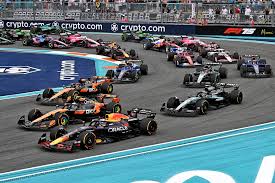
There are six sprint weekends officially on the 2026 schedule. Such shorter Saturday races will once more offer additional points and excitement. The selected venues are Brazil, Austria, Qatar, Austin, Baku, and Shanghai.
Ever since its inception, sprint races have been divisive. The proponents argue that they bring value to the fans by providing them with a meaningful competition over three days. Critics believe that they diminish the significance of the principal Grand Prix. The extension of the format indicates that sprints have become a regular thing.
The Rationality of Sprint Venues.
F1 selected sprinting tracks to have maximum entertainment. Circuits such as Interlagos and Baku are circuits that are associated with overtaking opportunities and unpredictability. Others, such as Austin, have good fan interest and marketability. The mix of old music with new markets will provide diversity in the sprint calendar.
The move is a business and sporting strategy. Sprint weekends increase TV ratings, generate sponsorships, and retain fans on-site. That is important in a competitive sports market in the world.
Drivers Voice Mixed Opinions.
The news brought about a revival of controversy among drivers. Others, like Max Verstappen in previous seasons, have expressed doubt regarding sprints, saying that excess races water down wins. Some, such as George Russell, regard them as an opportunity to disrupt routine weekends.
The 2026 season will be a test of whether sprint racing can be effective with new regulations. As cars are projected to be lighter and nimbler, the Saturday action may have a completely different look, and fans and analysts will be excited.
Influence on Teams and Strategies.
Sprint weekends pose new challenges to teams. Both formats permit a single practice session prior to competitive sessions, which leaves less time to test setups and more chances of error. Smaller teams might be an advantage, because unpredictability puts the playing field even.
Sprints offer opportunities and threats to the leading competitors. One event can ruin a weekend, and additional points can be the difference in title fights. As rule changes already require adaptation, sprint formats can generate additional shocks in 2026.
Business Growth and Internationalization.
The move by Formula 1 to retain a 24-race calendar indicates its ambitious growth policy. The sport has now made markets in North America, the Middle East, and Asia the center of its vision. This approach is in line with the sprint weekends, where promoters are given a product that is worthwhile over a weekend.
The long schedule is beneficial to Liberty Media in terms of maximizing revenue streams commercially. A fuller calendar is beneficial in terms of ticket sales, sponsorship deals, and broadcasting rights. However, the issue is to strike a balance between growth and driver and team fatigue.
Tradition vs. Innovation: Historical Perspective.
Formula 1 has never been the same, but the present-day era is one of the most drastic changes. A 16-race calendar was common in the 1970s and 1980s. By the 2000s, 19 races were regarded by fans as a marathon. The present 24 races with sprints indicate an international need and business desire in sport.
Whereas the purists mourn the loss of tradition, others are excited by the dilution. F1 will not be afraid of change even when it is controversial, as demonstrated in the 2026 schedule.
Reactions of the fans to the announcement.
Reaction to the schedule online was instant and ardent. The return of China and the continuation of such classics as Monaco and Spa were celebrated by many. Some said that 24 races were overstretching the sport. Sprint races were met with mixed emotions, as some supported unpredictability and others termed them as unnecessary.
Such a combination of excitement and disapproval is not new. It emphasizes the special position of F1 in the world of sport. The mere mention of the calendar creates headlines and discussion, and this is evidence of the power of the sport.
Looking Ahead to 2026
The 2026 season is already historic without the first lap being finished. New rules will offer closer racing and greener technology. Sprint races provide additional plotlines and surprises. The combination of the traditional circuits and the growing markets guarantees the global coverage.
To the fans, the season presents a chance to see Formula 1 at a crossroads. Whether the sport can find a balance between innovation and heritage is the question. The solution will be revealed in 24 races on five continents.
Conclusion
The release of the 2026 Formula 1 timetable proves that the sport is developing at full speed. The season will challenge drivers, teams, and fans with 24 races, six sprints, and new rules.
F1 has taken the route that focuses on entertainment, commercial expansion, and internationalization. The direction can be questioned by critics, but there is no doubt that the 2026 season will be one of the most discussed campaigns ever.
Sprint races are a divisive issue, or not, but Formula 1 has made the investment. Convention is still there, yet innovation is in the forefront. The clock starts ticking to 2026, and the calendar promises a drama-filled, intense, and globally influential season.